
From make-believe spaceships to trailblazing M'sia's space trajectory
MALAYSIANSKINI | Growing up, Norilmi Amilia Ismail’s mother, Amri Ali, 70, taught her that nothing was out of her reach.
But it wasn't until she completed her matriculation at Universiti Sains Malaysia (USM) and chose to study aerospace engineerIng, that she realised just how far she’d go - straight into the stars.
The girl who...
Summary
Norilmi Amilia Ismail refinanced her home to launch SpaceIn, playing a key role in shaping regulations for high-altitude balloons, amateur rocketry, and internet satellites and paving the way for future space innovations.
The aerospace engineer has been pioneering space research in Malaysia, earning recognition as the sole Malaysian mentor for the UN Space4Women programme in 2022.
She shares SpaceIn’s vision of creating opportunities for young Malaysians to enter the space industry.
MALAYSIANSKINI | Growing up, Norilmi Amilia Ismail’s mother, Amri Ali, 70, taught her that nothing was out of her reach.
But it wasn't until she completed her matriculation at Universiti Sains Malaysia (USM) and chose to study aerospace engineerIng, that she realised just how far she’d go - straight into the stars.
The girl who left home in Kampung Api Api, Kuala Selangor, to study at Sekolah Menengah Sains Tengku Abdullah, Raub, Pahang, has since been blazing a trail and pushing Malaysia’s space industry to new heights.
In 2022, the 44-year-old aerospace engineer, who has been creating opportunities where none previously existed, was selected as the sole Malaysian mentor for the United Nations Office for Outer Space Affairs’s (Unoosa) Space4Women programme.
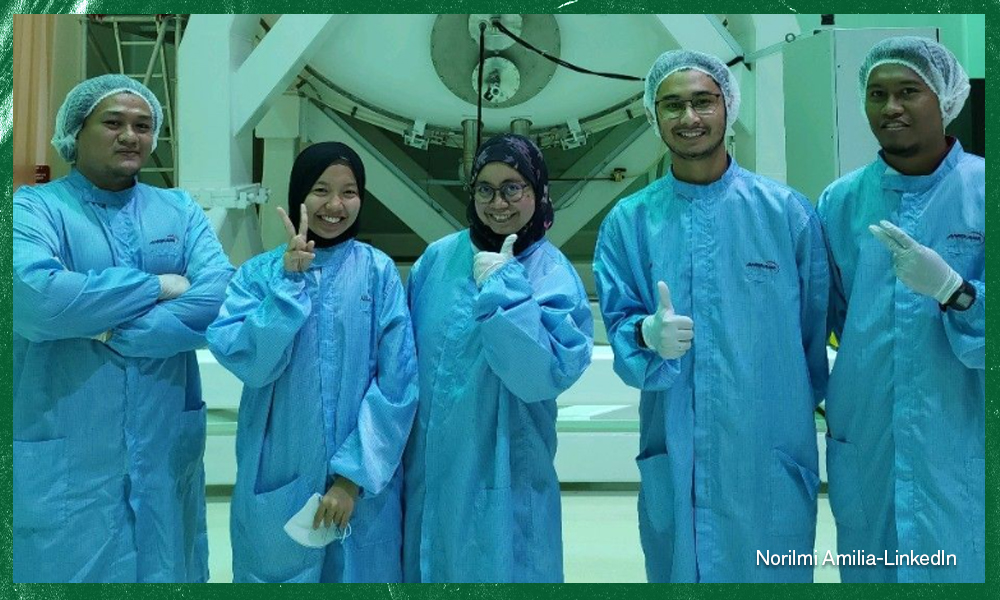
She has also played a key role in developing regulations for high-altitude balloons, amateur rocketry, and internet satellites - laying the groundwork for future advancements in the industry.
She does this in part through her role as CEO of SpaceIn Sdn Bhd, a startup pioneering affordable, accessible satellite technology and space innovation.
It was at SpaceIn that Norilmi and her team developed and launched SpaceANT-D, Malaysia’s first indigenous pico satellite.
“I think I got this ‘You can do it’ attitude from my mom. She always encouraged us to do something extra - beyond what we thought we were capable of,” she said.
Visualising success
One of the most valuable lessons imparted by her mother was the power of visualisation - the idea that if you can see success in your mind, you will work toward it naturally.
“She always told me, if you want something in the future, picture it in your mind as if you’ve already achieved it. Then, every step will lead you toward that goal,” she recalled, adding that her mother was closest to her in her childhood.
Without realising it, she was describing the concept of “the law of attraction” that would later captivate the world with the publication of Rhonda Byrne’s “The Secret”.
Norilmi has never read “The Secret”, but this mindset became especially useful when the scientist had to overcome challenges in academics.
“If I had an exam, I was taught to think, ‘I got an A on this exam.’ Then, my behaviour would naturally align toward that A.
“I practised this a lot, and it was very helpful - especially for someone like me, who loves challenges,” said the middle child out of five siblings.
Her mother’s encouragement shaped her approach to challenges, driving her to earn a doctorate in spacecraft structures, specialising in the vibration of space tethers, from the University of Glasgow, Scotland.
“Even when something seems very difficult, I believe that in the end, I can do it.
“That’s what I learned from her, and it’s what keeps me going,” said Norilmi fondly of her mother who taught at the Sultan Abdul Aziz Kuala Selangor and whom she credits as her greatest motivator.
Small but powerful
The outsized willpower and determination in diminutive Norilmi are somewhat allegorical to SpaceIn’s pico satellite.
The word pico means one trillionth, and perfectly describes the size of SpaceIn’s satellite, SpaceANT-D.
Measuring just 5x5x5cm³ and weighing less than 250g - less than the standard weight of a can of soda, it showcases the power of miniaturised space technology.
Successfully deployed into orbit on Nov 12, 2023, via a SpaceX Falcon 9 rocket from Vandenberg Space Force Base in California, US, the tiny satellite helps collect and send data from sensors on the ground.
It picks up information, sends it to a station on Earth, and makes it easy to access through the internet (Internet of Things - IoT).
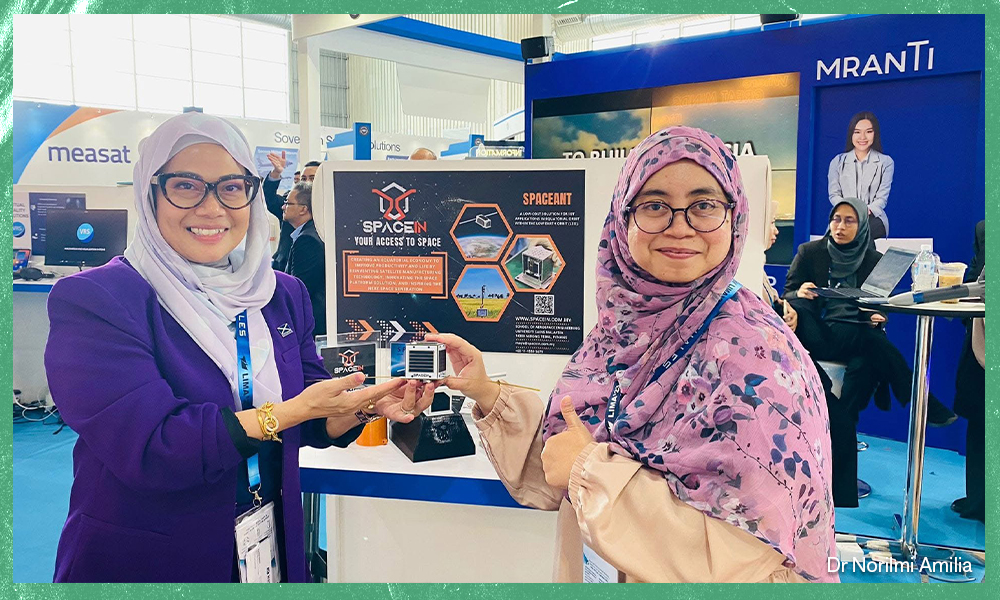
IoT satellites are special satellites that help devices talk to each other, even in places where there’s no internet or phone signal on the ground.
This is part of Malaysia’s plan to grow its space industry by 2030, with USM and SpaceIn leading the way.
Following SpaceANT-D’s success, Norilmi and her team at SpaceIn are now planning to launch a shoebox-sized satellite and are also in talks with government agencies for another satellite.
The work takes time - requiring several levels of planning, meticulous testing and negotiations - and Norilmi forges ahead.
For instance, one satellite project would require funding, and she hopes the government can support this. But she’s not waiting around before starting the work.
“We want to move fast, so while we work on our own satellite, we’re also teaming up with satellite service providers in Southeast Asia, including one from Thailand,” she said.
By testing their technology with existing satellites, they can improve their ground devices and start offering services to customers even before their own satellite is launched, she said.
“This way, we keep making progress while preparing for something bigger,” she added.
Regulating balloons
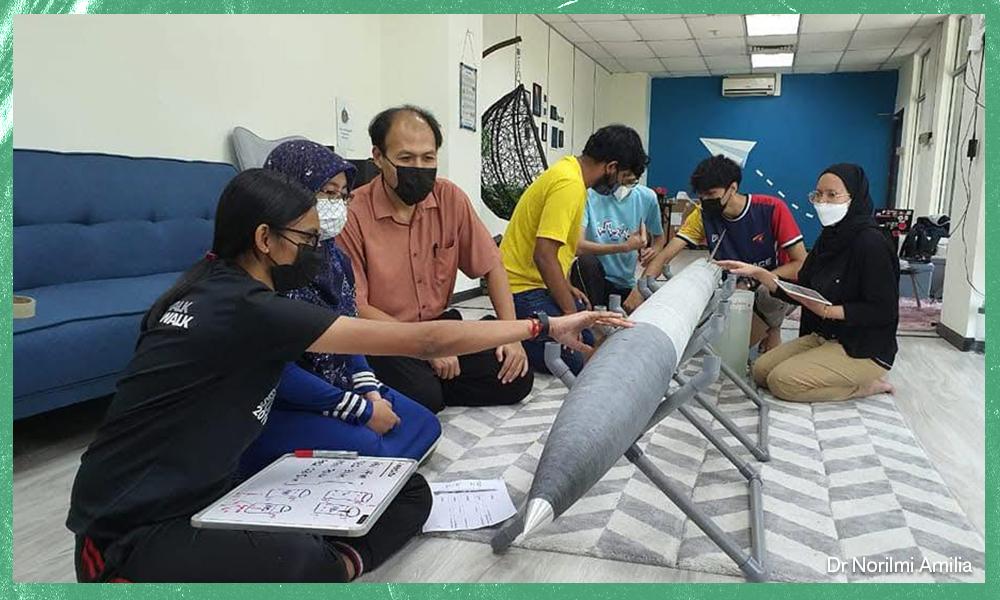
SpaceIn doesn’t just build satellites. It also launches high-altitude balloons that go up to 22km in the sky.
These balloons are used to take pictures of space and test communication devices. SpaceIn is the only company in Malaysia offering this service.
It was working on these balloons with her students at USM that steered her from academia to entrepreneurship. The turning point was when their academic work attracted commercial interest.
But there was a challenge - they were moving faster than the regulatory framework and there were no clear rules on commercial high-altitude balloon flights.
“When we had our first customer asking for a commercial high-altitude balloon launch, we had to figure out the regulations.
“So, I met with the Civil Aviation Authority of Malaysia (CAAM) to discuss the process,” she explained.
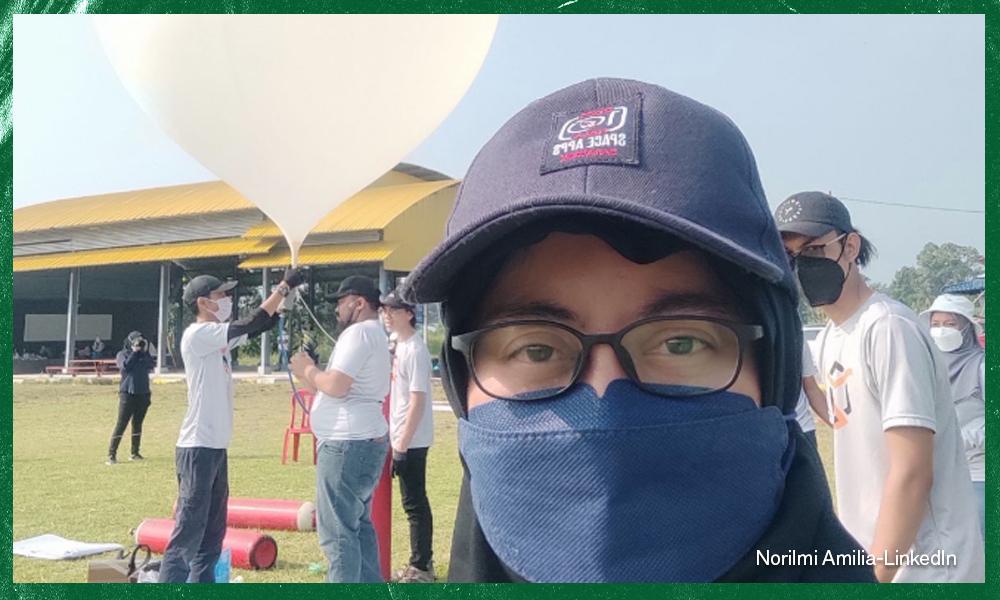
Through her efforts, regulatory bodies became familiar with high-altitude balloon activities, making future launches much smoother.
These efforts have made space technology more affordable, especially for industries like farming, forestry, and oil and gas - marking a major step toward space exploration technology.
Regulations for rocket launches
Her pioneering efforts didn’t stop with the balloons.
When a Singaporean company sought to launch a rocket in Malaysia, they approached a local university, Universiti Teknologi Mara (UiTM).
However, the institution had no experience or regulatory framework to support such a project.
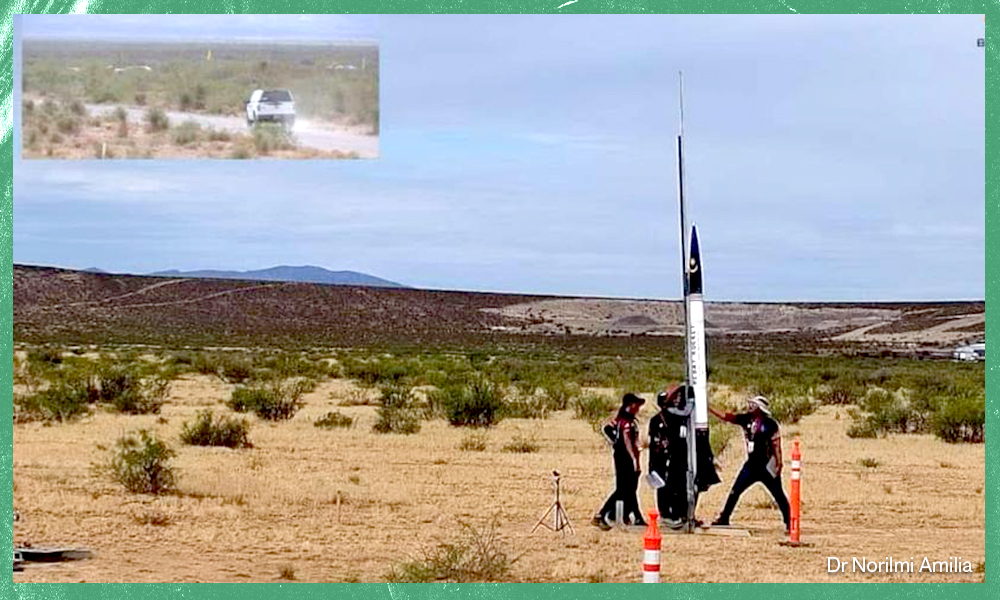
“They asked us to step in, so I started working with the government and CAAM to figure out the procedures for launching rockets,” she said, adding that the first launch was a complex process, requiring a mix of different regulations, including laws on flammable materials.
“We even had paramedics and a bomb squad on standby because we were dealing with propulsion,” she said.
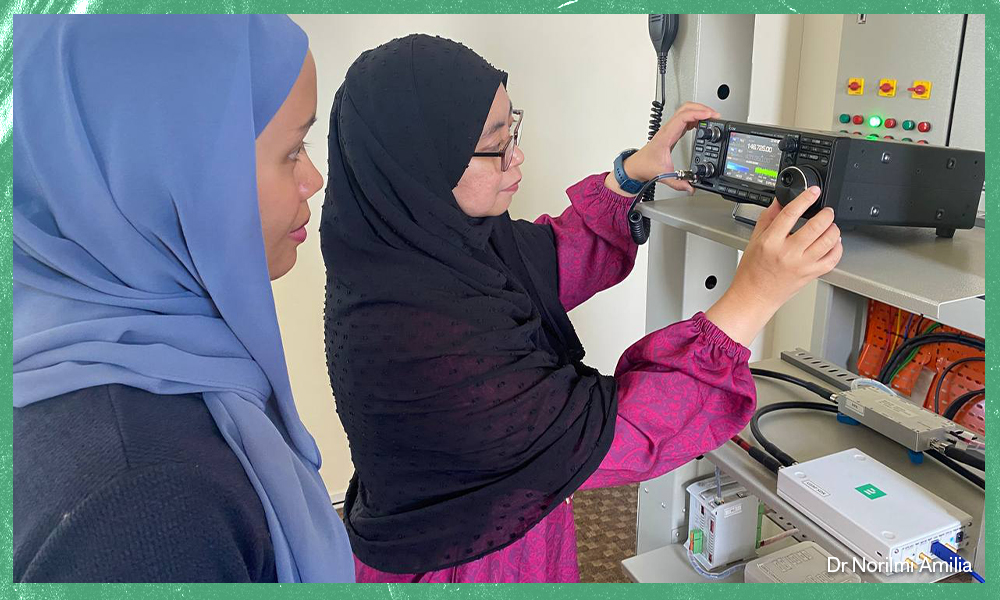
But her persistence paid off.
“Now, every year when we launch rockets, we know exactly what procedures to follow, and so does the government.
“Not only us, other groups can launch rockets too, because the awareness and regulations are already in place,” she said.
Moving the industry forward
Norilmi’s mission is to normalise the use of IoT satellites in Malaysia, where again, she seems to be moving faster than the regulations.
“The country doesn’t have specific IoT satellite regulations,” she said.
“These satellites contain GPS and other tracking devices, which involve security concerns.
“That means multiple agencies, like the MCMC and the Survey and Mapping Department, need to be involved,” she explained.
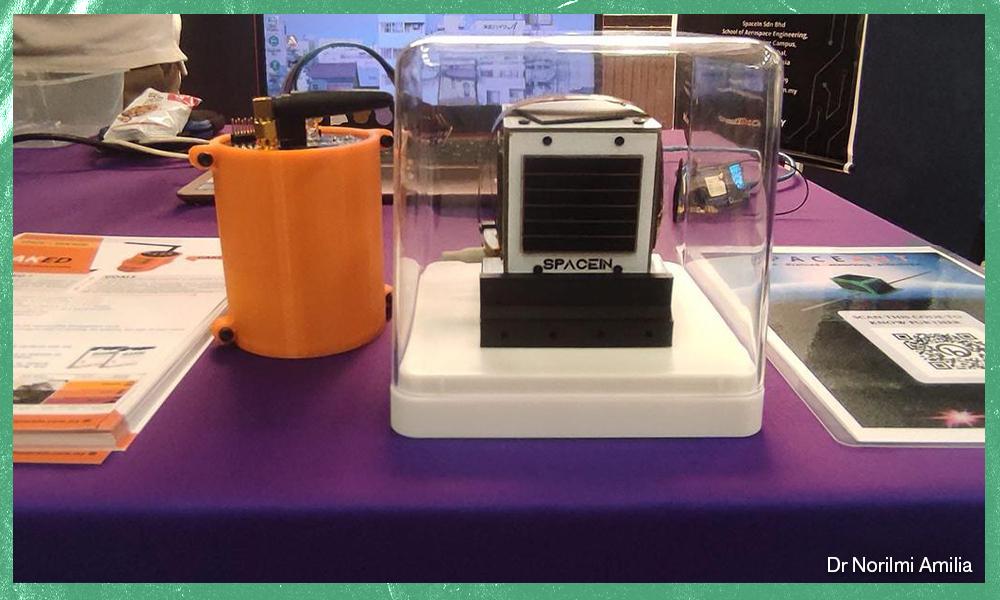
By working with these agencies, she has helped them understand the growing demand for IoT satellites, pushing them to develop new procedures.
“I didn’t directly create the regulations, but by creating the demand, they (the government) had to come up with a procedure.
“This is the only way we can move forward in this industry,” she quipped.
A legacy of trailblazing
Looking back, Norilmi takes pride in the path she has forged for others.
“When I started, there were no clear regulations for space-related activities.
“Now, because of the work we’ve done, others can follow these procedures and continue pushing the industry forward,” she said.
Her work has not only shaped Malaysia’s space sector but also demonstrated that with persistence and vision, it is possible to create opportunities where none existed before.
Yet, Norilmi still finds herself grappling with imposter syndrome - something she believes is common among women in many industries.
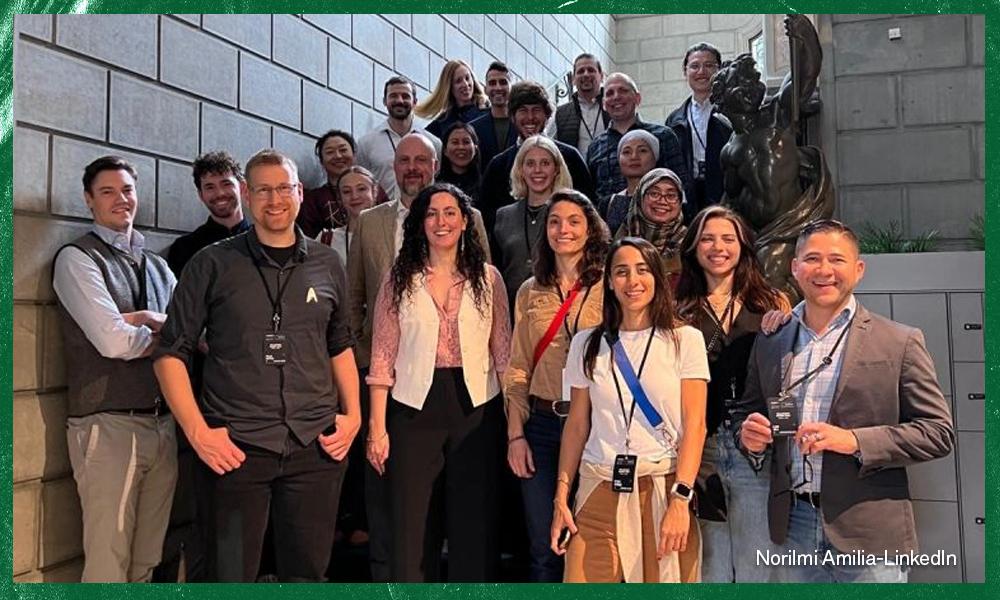
“Imposter syndrome is very hard to deal with. Even now, after doing so much in the space industry, I still feel like I’m lacking something,” she admitted.
This feeling of not being good enough or not belonging in her field pushes her to work even harder.
“Sometimes, I feel like I’m not really suited for this position, but every time I have that kind of feeling, I try to talk to someone - to remind myself that I do belong here.
“Yeah, fake it until you make it, right?” she said with a laugh.
“Somehow, it actually works,” she added.

No lab, no mentor
When Norilmi returned from Glasgow to begin teaching in Malaysia, she quickly realised a major challenge - there was no dedicated space research lab for her to work in.
“I didn’t really have a lab to work with, and the labs that were available weren’t even related to space at all,” she recalled.
At the time, Malaysia lacked professors specialising in the space industry, leaving Norilmi without a clear mentor or guidance in her field.
“In academia, when you’re a new lecturer, you usually attach to a professor who mentors you, but I didn’t have anyone for this,” she said.
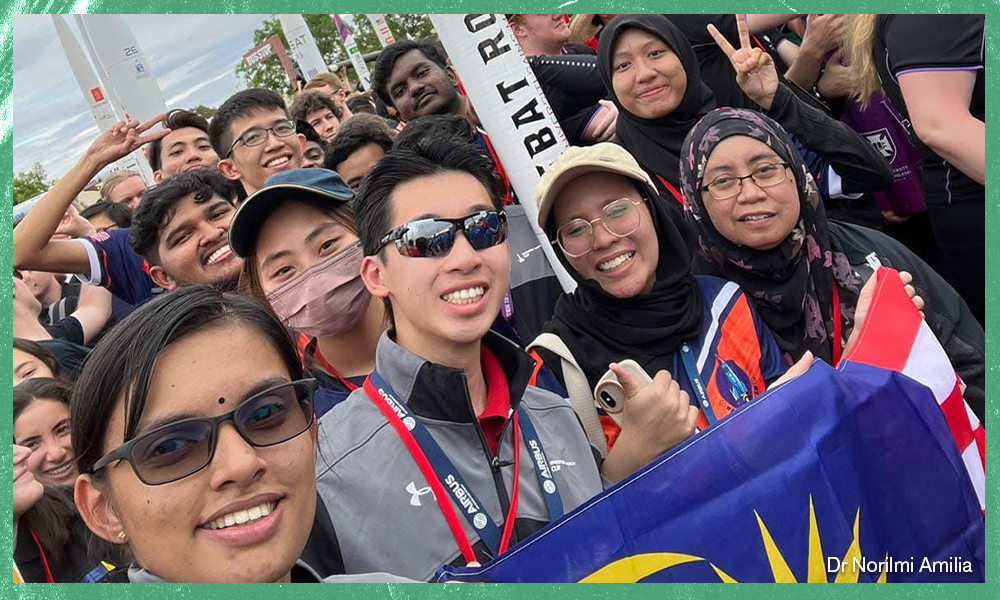
Rather than letting this setback slow her down, Norilmi took matters into her own hands.
“I felt that I had to do something, so I requested a lab from the dean.
“Even though the lab wasn’t there yet, my friends and I started our own space lab and began working on it ourselves,” she said.
Building a space-focused research lab from scratch while navigating academia without a mentor wasn’t easy, but Norilmi remained determined.
“My journey as a lecturer was quite slow at first, especially in research, but I kept pushing myself because I believed we could do this,” she said.
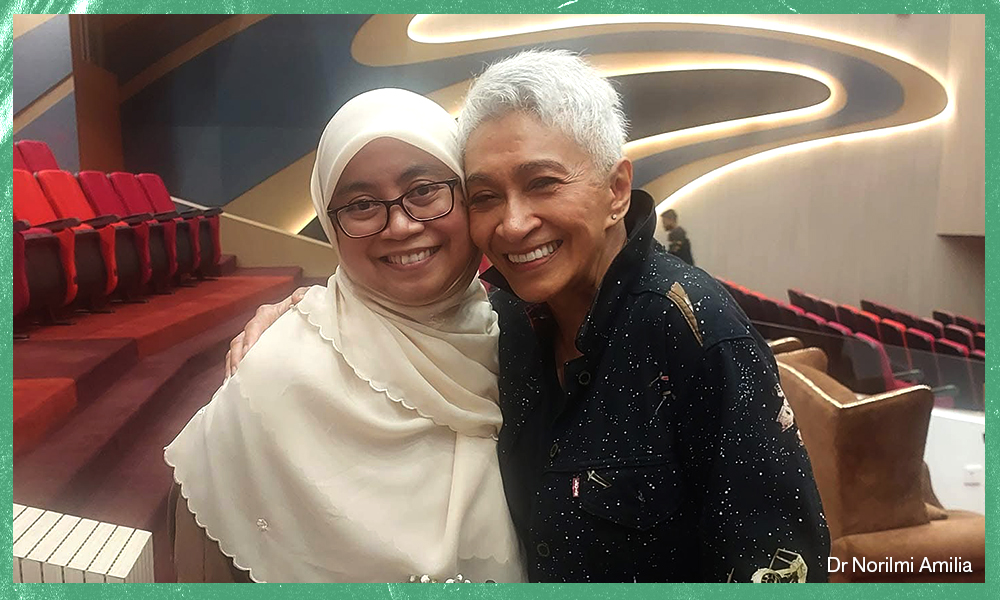
Instead of relying on senior professors, Norilmi collaborated with her peers, forging a new path in space research.
“We worked together with friends rather than waiting for established professors to lead the way and I think that in itself is an achievement,” she said.
She also found a mentor in Mazlan Othman, Malaysia’s first astrophysicist and former director-general of the National Space Agency (Angkasa) who also developed an astrophysics curriculum at Universiti Kebangsaan Malaysia.
“She led Unoosa twice, and I think she set an incredible example of how we can pursue our dreams while also contributing to our country.
“When I talk to Mazlan and hear the stories of what she went through, I can see that she truly wanted to contribute to Malaysia while achieving her own dreams,” Norilmi said.
A leap into space
It wasn’t always sunny.
In 2020, when Norilmi took a bold step to set up SpaceIn, she refinanced her house and put in RM200,000 of her own money.
“It was a big decision, especially since the world was in chaos with the pandemic, but I knew if I wanted to make this happen, I had to invest in it myself,” she shared.
Running a space startup isn’t like starting a regular business. It takes years of research and development before a product can even reach space.
“People asked me if I was going to close the company because we weren’t making profits yet, but space tech companies take five to 10 years to grow. It’s a long game,” she explained.
Despite the risks, she wasn’t alone.
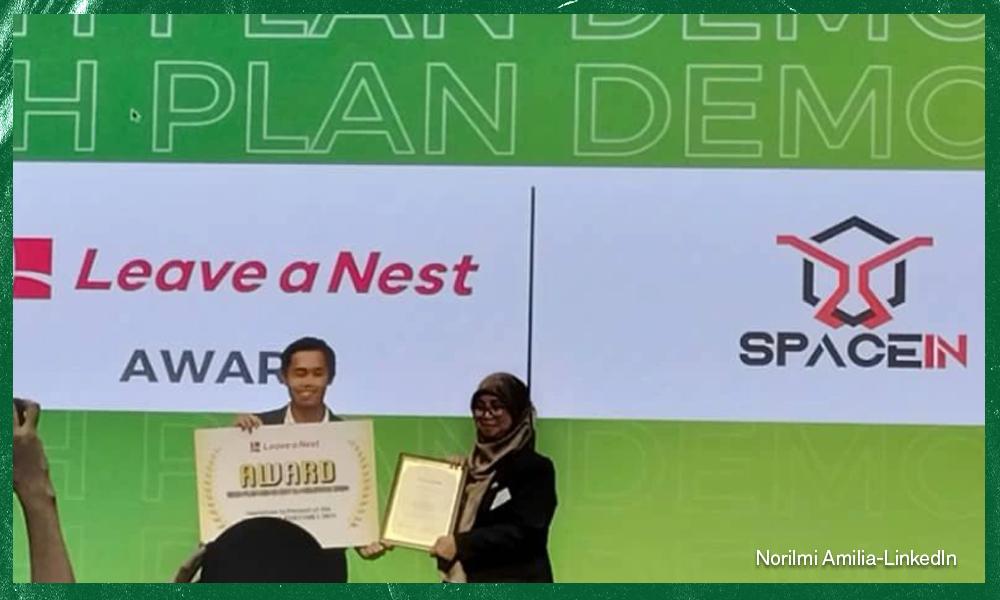
SpaceIn secured funding from 1337 Ventures, a local venture capital company, and she received guidance from experienced mentors.
“I’m really grateful for all the advice and support I got.
“It’s not just me, I have co-founders, engineers, and even outsiders who believe in what we’re doing,” she said.
At a time when most people were worried about job security, Norilmi was pouring everything into a dream and building satellites and educating the next generation.
“Even if our satellite didn’t work out, we could still teach others how to build one. Space education is a lifelong journey,” she added.
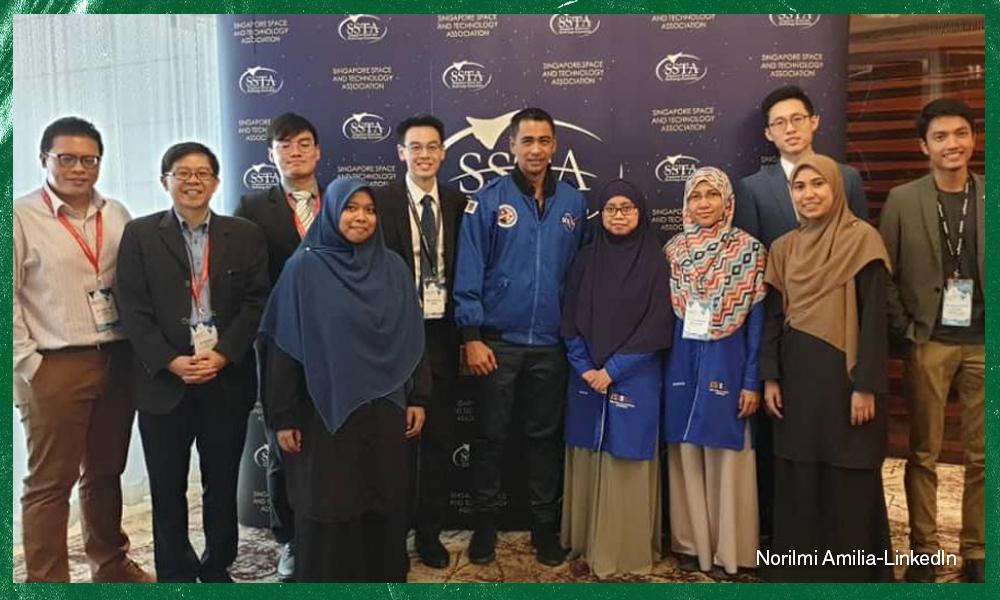
Bringing technology to the ‘kampung girl’
Terming herself a kampung girl, Norilmi’s exposure to engineering came unconventionally at home through her technician father, Ismail Sohod, 72, who served the Road Works Department until he retired.
Despite his modest income, he believed in exposing his five children to the latest technology, giving them the tools they need to explore and succeed.
The household was the first few families in the village to own a car and the children revelled when their father came home with a video game console - the first in the village.
This early exposure to tech and gadgets made it easier for her to embrace technology later in life.
“Because of him, adapting to new technology was never a challenge for me, no matter how difficult it was,” she said.
It didn’t just stop at tech gadgets.
Unable to afford music lessons, her father purchased an organ so Norilmi could teach herself to play.
This playful approach to learning shaped her curiosity and problem-solving skills.
“When you play a lot, you become more curious about certain things.
“You build skills, you love to explore. My father gave me all the tools to learn, and when I eventually studied engineering, I had no trouble adapting as it was fun for me,”
For the siblings, playtime was an adventure.
After watching their sci-fi shows - their favourites were the alien TV series “V” or “The Visitors” and a Japanese TV series “Space Sheriff Gaban”, both of which involve space travel and adventure - the siblings would engage in role-playing, pretending they were part of the crew of a spaceship.
Little did she know, it laid the foundations of a career in aerospace.
The equal treatment her parents gave to their four girls and a boy is also what Norilmi credits as helping her prepare and navigate through the male-dominated spaces of aerospace and engineering.
“As kids, we climbed trees. The (neighbourhood) boys climbed, so we (Norilmi and her sisters) climbed too. It was normal. The same mindset applied in education.
“If they could do it, we could do it too. Sometimes, we even did better,” she quipped.
Investing in new generation
It is the same mindset she applies in her work today, and what she hopes to inspire in young scientists she works with.
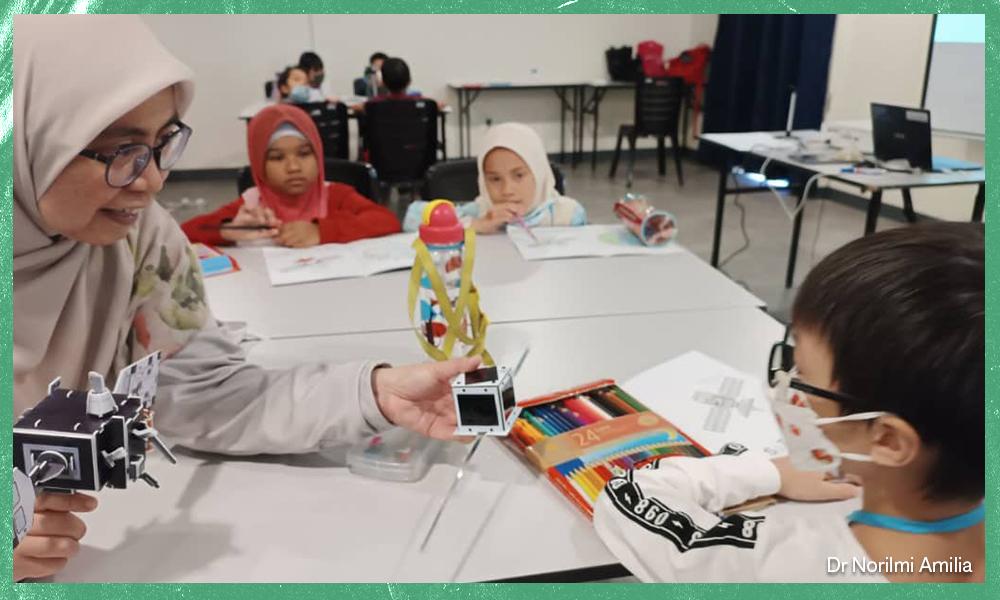
With USM as a part shareholder of SpaceIn, the firm frequently takes in students as interns, working alongside engineers and participating in competitions.
“They want to be part of something bigger, even if we’re a small company now, one day, we could grow into something much bigger in the space industry,” she said, confidently.
Her goal is to make it easier for young Malaysians to enter the industry, without facing the same struggles she did.
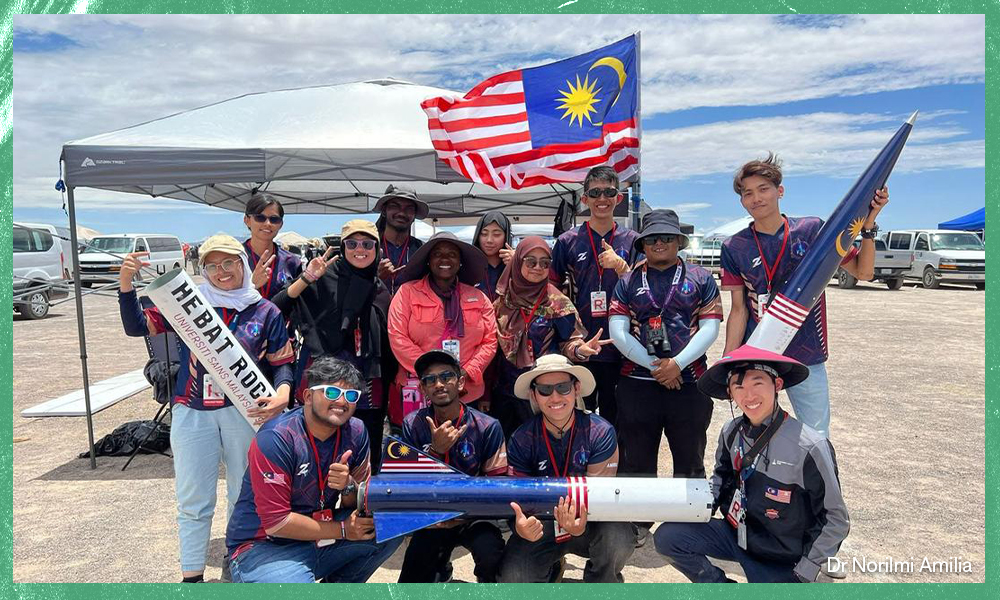
For her, inspiring the next generation is just as important as pushing the industry forward.
“I always encourage my students to aim higher. One of my students led a Spaceport Rocket competition and she has her own startup working on rockets.
“If they see that we can do this, why not them?
“They might even do something much better.”
MALAYSIANSKINI is a series on Malaysians you should know. For March, we are featuring notable Malaysian women as part of the Women In Front series for International Women’s Day.
Women in Front 2025:
Sarawakian musician on mission to revive fading ethnic sounds
Blind environmentalist lives out passion to protect nature
PAC chair with the most probes, aiming for accountable politics