
COMMENT | Batu Puteh: Sobering call for accountability, sovereignty
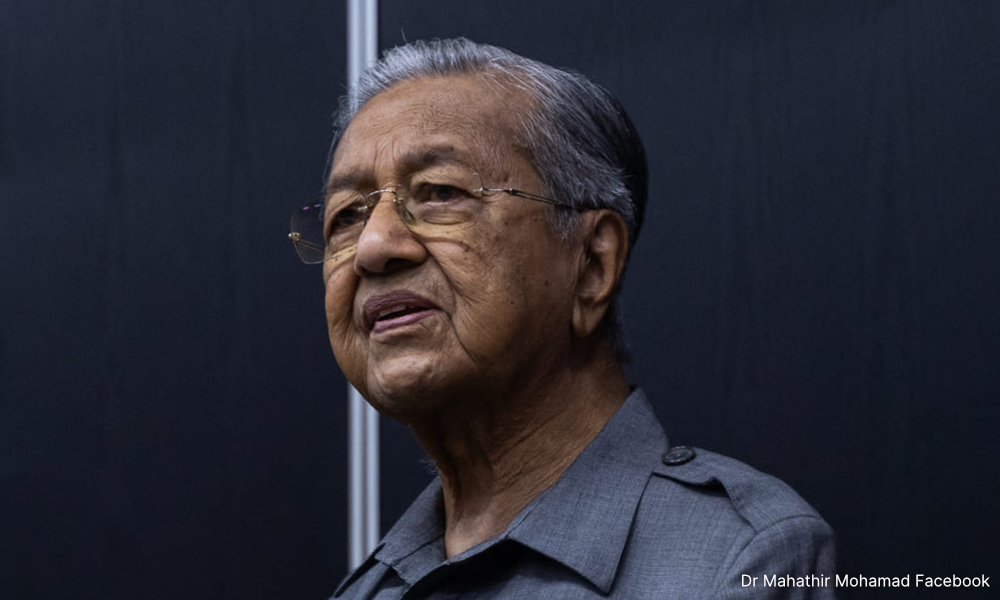
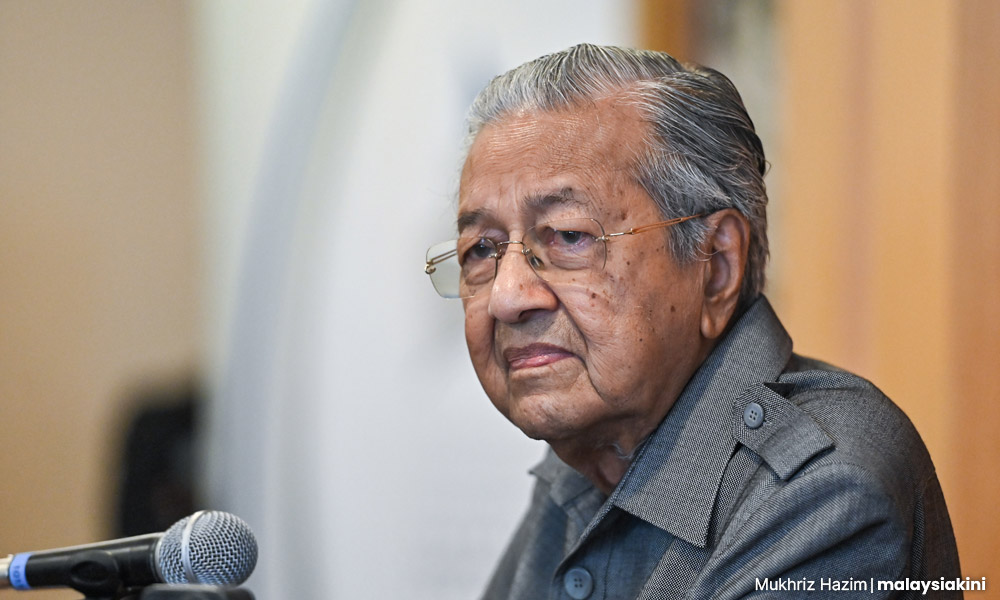
Central to these findings is the alleged role of former prime minister Dr Mahathir Mohamad in the unilateral decision, in 2018, to halt Malaysia’s application for a review and interpretation of the International Court of Justice’s (ICJ) ruling on Batu Puteh.
The RCI suggests that this decision may have bypassed cabinet approval, a claim that, if substantiated, raises serious concerns about the adherence to governance processes and the potential for misfeasance in public office.
A global context
Misfeasance in public office is a serious allegation that reflects the misuse of lawful authority for improper purposes, often resulting in harm to the public interest.
While no conclusive judgment has been made regarding Mahathir’s actions, historical examples highlight the gravity of such allegations.
In the United Kingdom...
COMMENT | The Royal Commission of Inquiry (RCI) into the Batu Puteh sovereignty dispute has delivered a report that raises significant questions about governance, accountability, and Malaysia’s territorial integrity.
Central to these findings is the alleged role of former prime minister Dr Mahathir Mohamad in the unilateral decision, in 2018, to halt Malaysia’s application for a review and interpretation of the International Court of Justice’s (ICJ) ruling on Batu Puteh.
The RCI suggests that this decision may have bypassed cabinet approval, a claim that, if substantiated, raises serious concerns about the adherence to governance processes and the potential for misfeasance in public office.
A global context
Misfeasance in public office is a serious allegation that reflects the misuse of lawful authority for improper purposes, often resulting in harm to the public interest.
While no conclusive judgment has been made regarding Mahathir’s actions, historical examples highlight the gravity of such allegations.
In the United Kingdom, Dominic Chappell was charged with misfeasance for failing to protect the interests of British Home Stores (BHS) pensioners.
Similarly, Donald Tsang, the former chief executive of Hong Kong, faced misfeasance charges for improper dealings while in office.
These cases underscore that individuals holding public office are custodians of public trust and must be held to the highest standards of accountability.
The RCI’s findings
The RCI’s report posits that Mahathir’s alleged actions may constitute a breach of public trust.
Two primary legal avenues were suggested for further exploration: potential misfeasance in public office and violations under the Penal Code.

According to the RCI, Mahathir’s actions could potentially meet the criteria for misfeasance in public office and violations under Sections 415(b) and 418 of the Penal Code, pending further investigation to substantiate these claims.
If it is proven that the decision to halt the ICJ application knowingly jeopardised Malaysia’s sovereignty and strategic interests, the legal ramifications could be profound.
These recommendations underscore the importance of holding individuals accountable, not merely as a punitive measure but as a reinforcement of governance and the rule of law.
However, the report emphasises the need for due process to determine the validity of these allegations.
Cost of unilateral decisions
At the heart of the issue lies Malaysia’s sovereignty.
Batu Puteh may be a rocky outcrop roughly the size of a football field, but its significance is monumental. Sovereignty transcends territorial dimensions, embodying rights, control, and the strategic advantages of ownership.
Mahathir’s alleged decision to forego Malaysia’s legal recourse may have had significant consequences.
The ICJ ruling already weakened Malaysia’s territorial claims, but the emergence of new evidence warranted a review that could have potentially reversed the outcome. Instead, the decision to withdraw was allegedly made, relinquishing Malaysia’s opportunity to challenge the ruling.
Geopolitically, Batu Puteh is located near critical maritime trade routes.
Surrendering control over the territory undermines Malaysia’s ability to monitor and secure its adjacent waters, exposing the nation to potential security risks such as smuggling, illegal fishing, and unauthorised maritime activities.
Sovereignty is also a foundational pillar of nationhood, and the loss of Batu Puteh diminishes Malaysia’s maritime boundaries, weakening its leverage in regional negotiations and reducing its geopolitical influence in Southeast Asia.
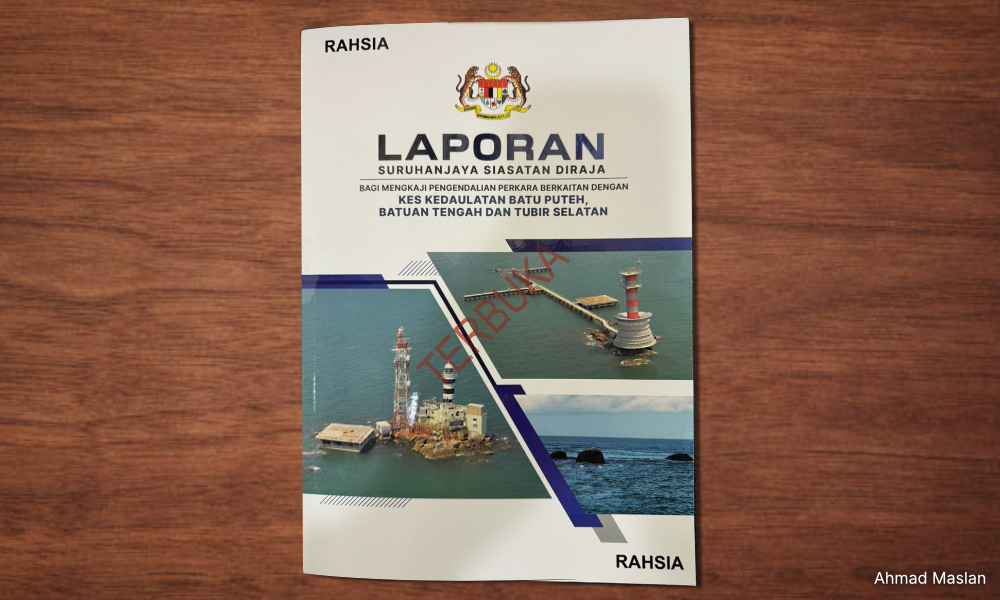
Economically, the waters surrounding Batu Puteh are part of a resource-rich maritime area.
Malaysia’s inability to assert control over these waters translates into lost opportunities in sectors such as fisheries, tourism, and energy exploration.
Breaching trust and process
The RCI’s findings, which allege that Mahathir acted without full cabinet deliberation, are deeply troubling.
The cabinet system exists precisely to prevent unilateral decision-making, ensuring that matters of national importance are discussed, debated, and decided collectively.
The failure to adhere to this process not only undermines the principles of governance but also exposes the nation to unnecessary risks.
The decision to withdraw Malaysia’s ICJ application without securing a consensus or thoroughly examining its implications reflects a disregard for the systems and protocols designed to safeguard national interests.
This breach of trust placed in public officials to act in the best interests of the nation has far-reaching consequences.
Need for justice and reform
The RCI’s recommendations for further legal investigation are not acts of retribution but are aimed at upholding justice and the rule of law.
Allegations of breaches of trust in public office must be scrutinised to ensure accountability.
By pursuing legal avenues, Malaysia can send a clear message that accountability applies to all, regardless of rank or legacy.
While the RCI raises the possibility of legal action, it also acknowledges the constraints of the statute of limitations under the Public Authorities Protection Act (Papa) 1948, highlighting the necessity of pursuing criminal investigations if the findings are substantiated.
However, legal action alone is not enough.
The Batu Puteh case highlights systemic weaknesses that must be addressed to prevent similar lapses in the future.
All decisions affecting sovereignty must require documented cabinet approval to prevent unilateral actions.
Independent advisory bodies must be established to review and provide counsel on matters involving territorial disputes, ensuring that decisions are guided by expert analysis and national interest.
Beyond institutional reforms, there must also be efforts to enhance public awareness about the importance of sovereignty.
Sovereignty is not the domain of policymakers alone; it is a shared responsibility, and increasing public understanding of these issues will ensure greater vigilance and accountability.
A call to Parliament
The RCI’s findings must now move to Parliament, the ultimate forum for transparency and accountability.
A full parliamentary debate is essential to ensure that the nation understands the gravity of the findings and that the necessary steps are taken to prevent future lapses.
Such a debate would provide transparency by allowing the public to witness the deliberations, ensuring trust in the process.
It would ensure accountability by enabling Parliament to question the actions of individuals and institutions involved.
Most importantly, it would drive reform by identifying systemic flaws and initiating measures to strengthen governance mechanisms.
Sovereignty is non-negotiable
The RCI’s report is a reminder of the critical importance of sovereignty, governance, and accountability.
The allegations raised, if substantiated, point to significant failures that must be addressed to safeguard Malaysia’s national interests.
The decisions that led to this loss must be scrutinised and rectified, not only to uphold justice but to prevent similar failures in the future.
The stakes are too high for inaction - this is a moment to strengthen the nation’s resolve and safeguard its sovereignty for generations to come.
This is not merely about assigning blame but about reinforcing the systems and principles that protect the nation’s integrity.
By taking decisive action, Malaysia can ensure that past mistakes do not compromise its future, reaffirming its commitment to sovereignty and the rule of law.
RAZIZ RASHID is a strategic communications consultant and the chairperson of Pertubuhan Sukarelawan Siber Selamat (CyberSafe).
The views expressed here are those of the author/contributor and do not necessarily represent the views of Malaysiakini.