
COMMENT | Anwar needs alchemy to achieve stated budget aims
COMMENT | In the run-up to Budget 2025 today, Prime Minister and Finance Minister Anwar Ibrahim has put forward two key objectives which seem to be diametrically opposed.
Unless he introduces tougher measures somehow, he would need alchemy to do that.
First, Anwar announced earlier this month that he would be steadfast in terms of reducing...
COMMENT | In the run-up to Budget 2025 today, Prime Minister and Finance Minister Anwar Ibrahim has put forward two key objectives which seem to be diametrically opposed.
Unless he introduces tougher measures somehow, he would need alchemy to do that.
First, Anwar announced earlier this month that he would be steadfast in terms of reducing borrowings and the fiscal deficit, which is the deficit in the budget.
Whenever there is a shortfall of revenue to expenditure in the budget, the government must borrow.
In the absence of any major impending measures to cut government expenditure and increase revenues, the deficit will widen and the debt will increase.
Anwar has said the goods and services tax or GST will only be introduced if income doubles.
At the same time, he announced there will be moves to boost wages. He implied there would be pressure on the private sector to increase salaries following the government’s 15 percent revision to be implemented next year and in 2016.
Emoluments
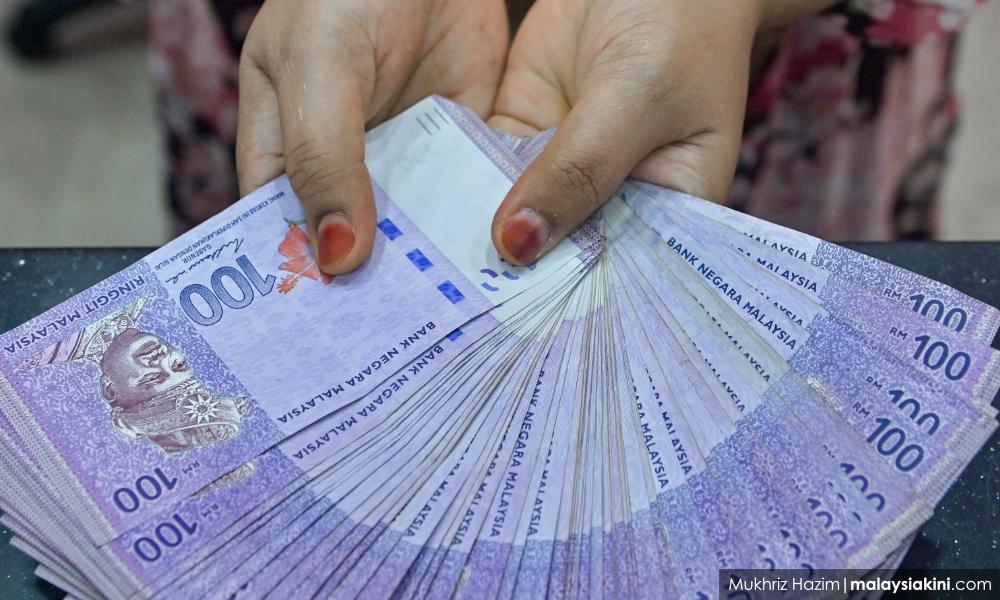
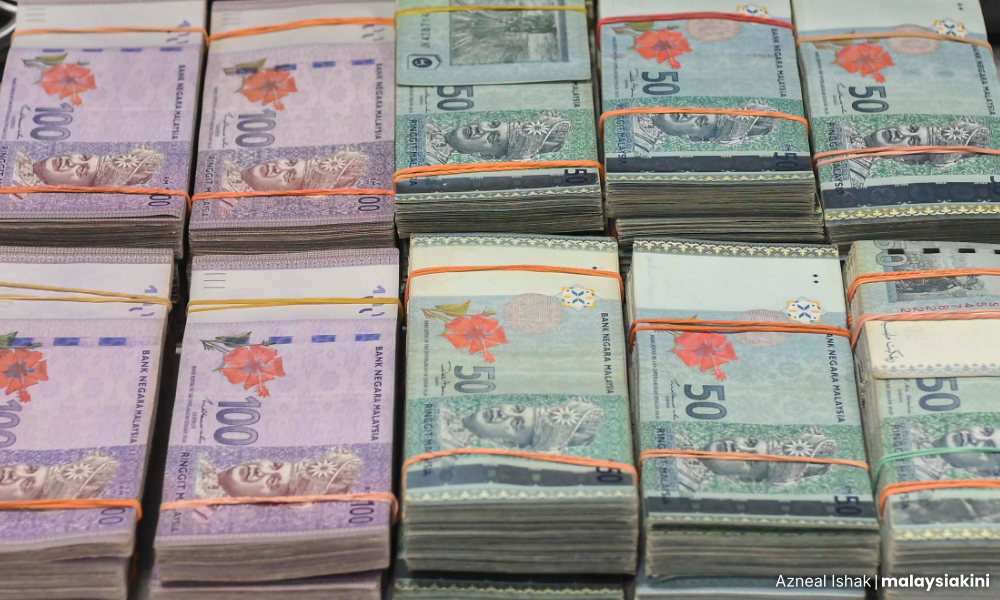
But the government’s main expenditure is emoluments or salaries coupled with retirement expenses. A look at the Treasury’s budget report shows a projected figure for 2024 of RM121.8 billion for emoluments (RM90.7 billion) and retirement charges (RM31.1 billion).
A 15 percent revision over two years will involve an increase of RM18.3 billion in government expenditure over that period for this alone. The question is where will it come from without the imposition of significant additional duties.
Estate duties and subsidy cuts at current rates may not be enough, especially since social assistance programmes have to be kept at high levels.
He has already said that there will be no introduction of a goods and services tax which would have brought in substantial revenue, an issue which I dealt with in my last column.
Treasury figures show that the projected revenue for 2024 from the sales and service tax (it was mostly revised upwards to eight percent from six percent) amounts to RM33.4 billion, up less than six percent or some RM2 billion from 2022.
If however, a GST is introduced at six percent it is likely the collection will double, and provide a new revenue stream of RM30 billion. In the absence of this tax, there could be serious problems in bridging the expenditure gap.
Not enough money
Further, other revenue-raising measures are not likely to get much traction, given the amounts needed. While inheritance tax and other such measures may raise some revenue, it is not likely to provide enough money to bridge the government’s burgeoning expenditures.
Thus, in the absence of significant new measures to bring in more revenue, it may be necessary to resort to more cutting of subsidies in favour of targeted subsidies which give back money to the poor while exempting those who can afford the expenditures.
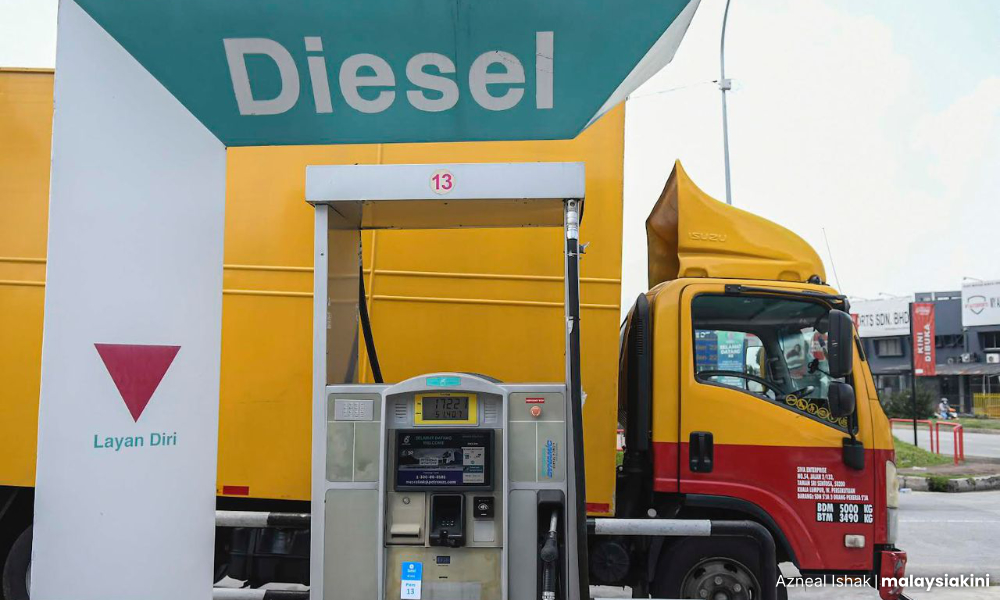
Of this, the main one is cutting back subsidies on RON95 petrol.
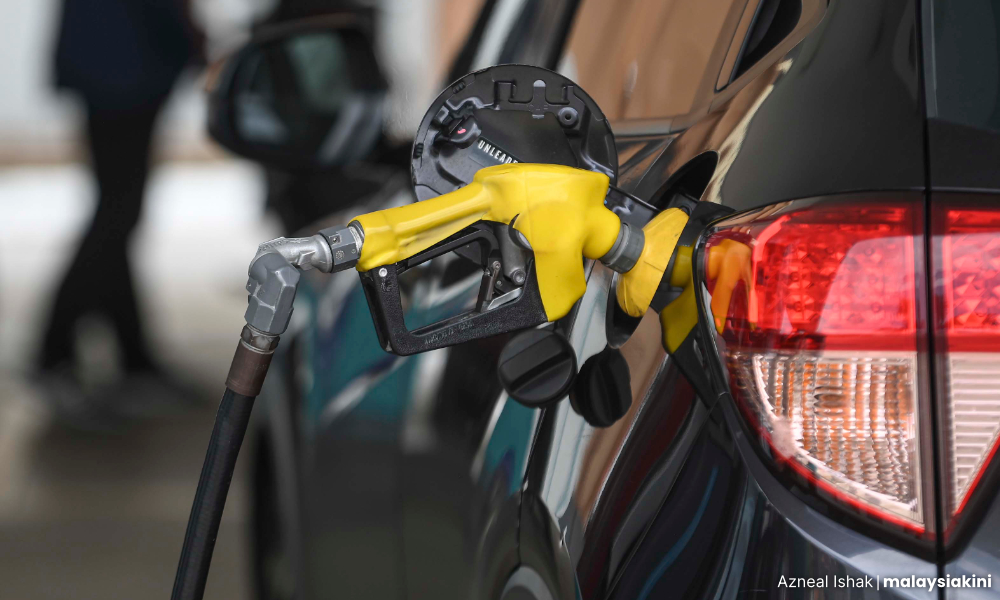
Subsidies are difficult to quantify and there are conflicting reports about their actual quantum. The government’s Economic Report says “subsidies and social assistance” in 2024 are likely to fall to RM58.6 billion from RM67 billion previously.
But it is entirely possible that the subsidies have not been reduced by that much considering the slow rollout of measures to reduce them, especially for RON95 as well as other subsidy cuts, notably for electricity.
Also, while weaker oil prices lower the subsidy cost, it complicates government finances because oil revenues come down as well. In the longer term, Anwar needs to look at improving government finances by finding new sources of revenue and reducing government expenditure.
Raising revenue
For increasing revenue, none is as good as a value-added tax in the form of a GST. It not only provides a steady income stream, but it pretty much keeps up with price increases and offers a means by which tax evasion is reduced, leading to better governance overall.
On the cost-cutting side, there is no leeway to cut salaries and retirement benefits which at RM121.8 billion account for some 42 percent of total expenditure of RM289 billion projected for 2024. The only hope is to be drastic about cutting subsidies.
Official 2024 figures project subsidies of RM58.6 billion for 2024 (probably understated - I have seen figures which say RM80 billion), about a fifth of total government expenditure. Significant cuts here offer the greatest possibility for expenditure reductions.
But to do so will mean some pain for many but if done properly the pain will be more for those who can afford it, still an unpopular move.
Anwar must realise that it requires alchemy to fix a budget without some amount of pain.
P GUNASEGARAM says now’s the time to boldly say “no pain, no gain!”, not on the eve of elections.
The views expressed here are those of the author/contributor and do not necessarily represent the views of Malaysiakini.