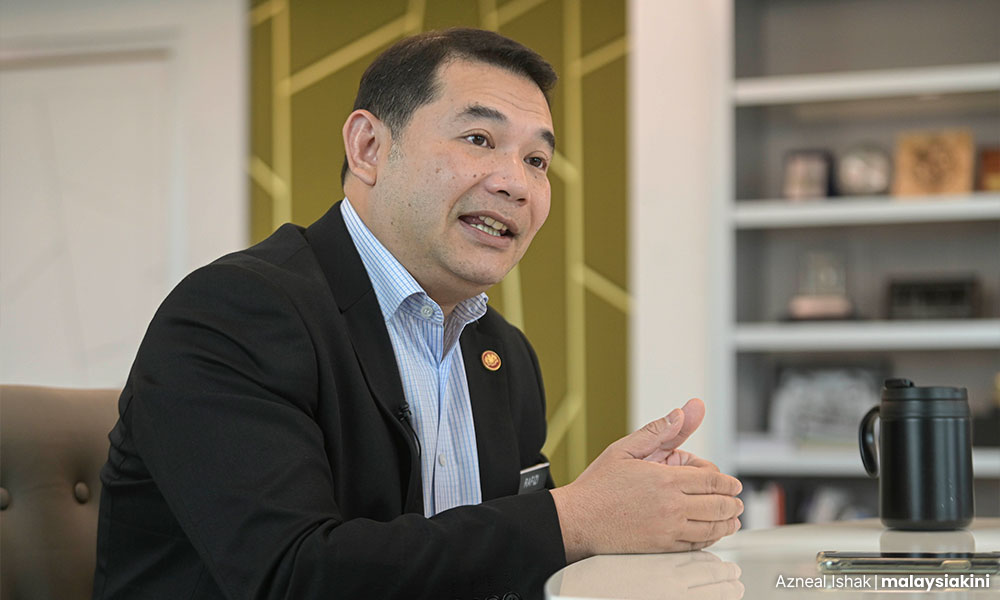

Not 'Big Brother': Govt assures mega database Padu is secure
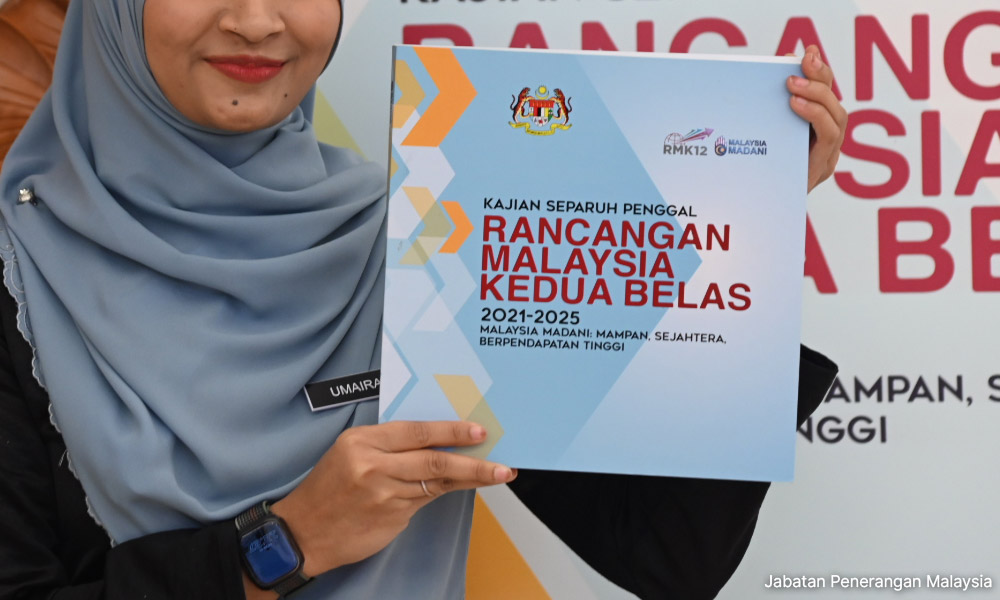
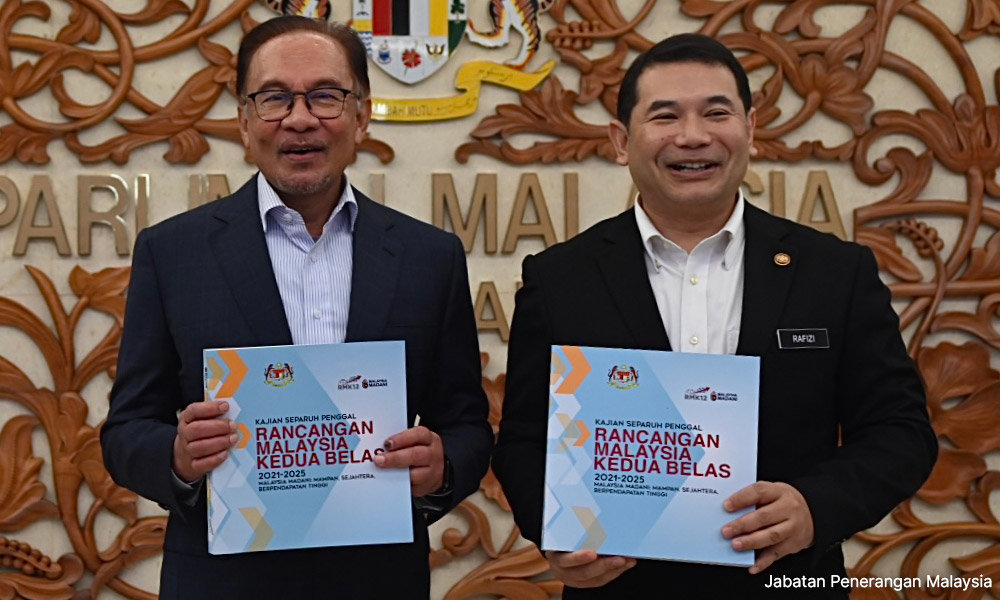
One concern is that Pengkalan Data Utama (Padu), announced during the 12th Malaysia Plan mid-term review, is heralding an era of ‘Big Brother’ government and heightened surveillance in Malaysia.
Various incidences of public data leaks have also raised concerns about the security of such a database.
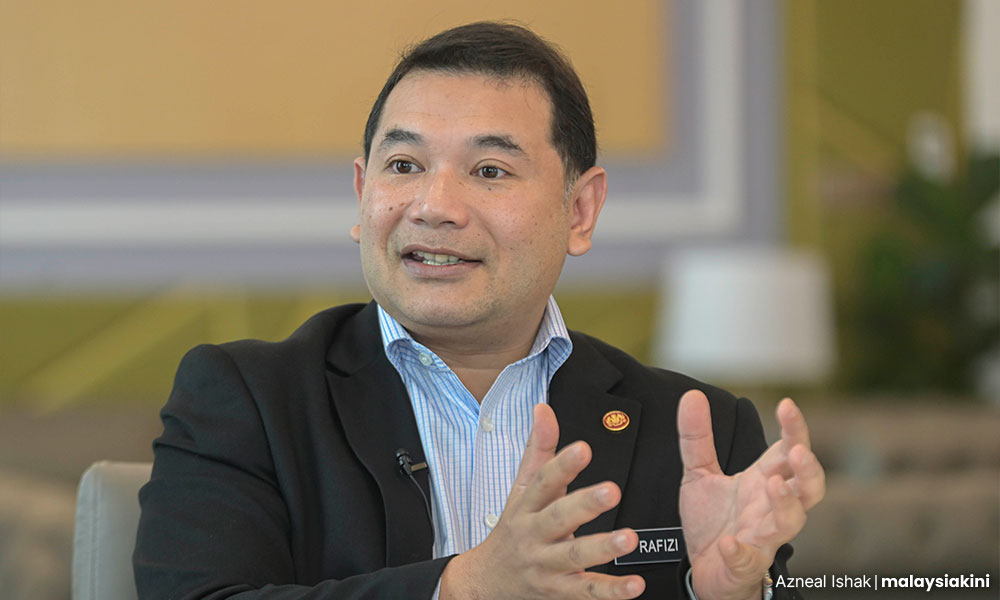
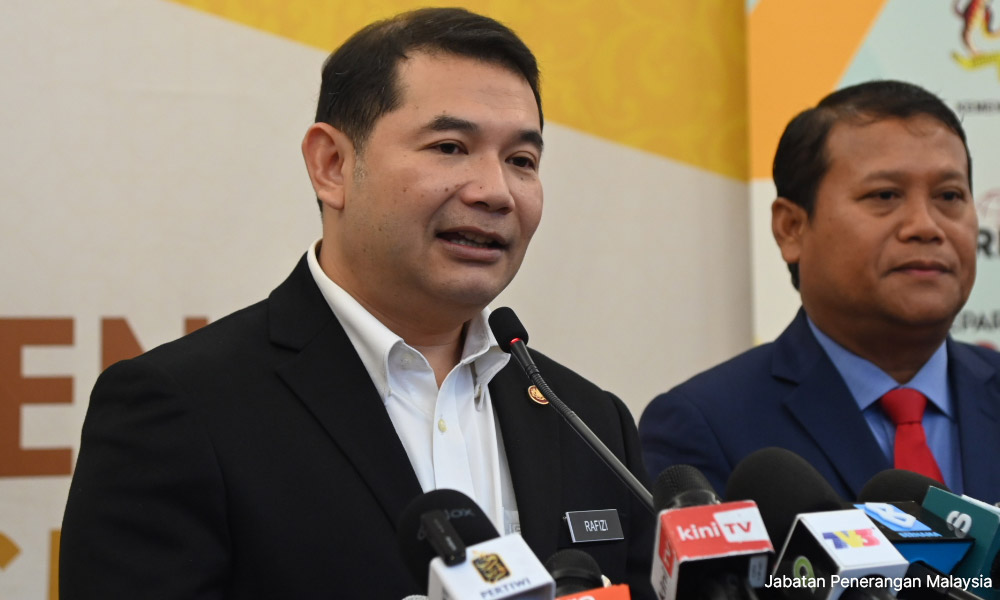
But Economy Minister Rafizi Ramli, who is spearheading the initiative, rejects these notions and is certain the database will not infringe on individual data privacy and protection.
“To me, as long as...
EXCLUSIVE | The government’s announcement of a mega database that can provide socio-economic profiles of all 10 million households in Malaysia was met with mixed reactions.
One concern is that Pengkalan Data Utama (Padu), announced during the 12th Malaysia Plan mid-term review, is heralding an era of ‘Big Brother’ government and heightened surveillance in Malaysia.
Various incidences of public data leaks have also raised concerns about the security of such a database.
But Economy Minister Rafizi Ramli, who is spearheading the initiative, rejects these notions and is certain the database will not infringe on individual data privacy and protection.
“To me, as long as there’s no CCTV to track people, I don’t think that’s ‘Big Brother’.
“It’s not like we just hop on the data and the public doesn’t have a sense of the governance around it because there will be an act that governs how we manage the data,” he told Malaysiakini in an interview at his ministry yesterday.
In fact, having a central database can be more secure, Rafizi said, than having personal data held in the 270 government bodies, statutory bodies, and government agencies, from which the Padu data is pooled.
“Doing this is actually much better risk mitigation for cyber security than before.
“When we have a database this humongous, it means that our cyber security capability has to be much better within the government than what it was before.
“But again, it means that pulling all the resources together and rather than looking for so many talents and manpower, it’s better to really just get the team consolidated, and focus on a centralised database.
“These are all implementation risks that we are fully aware of and we have to put the right team to manage it.”
No private vendors, 100pct govt built and owned
Rafizi said Padu will be solely managed by the government, with the Department of Statistics (DOSM) and Malaysian Administrative Modernisation and Management Planning Unit (Mampu) forming the core team while the Economy Ministry gives the direction.

“It’s 100 percent government. No private vendors are involved and I insisted that we have to develop the capability internally with the civil service.”
Further, he said the Omnibus Bill will be tabled in Parliament next June which will govern how the data is used, secured, and shared.
This is six months after Padu, a key piece in the government’s bid to replace broad-based subsidies with a targeted scheme, is expected to be launched in January 2024.
In the meantime, Rafizi said, the data-sharing process is protected through some 270 agreements signed between the various agencies and statutory bodies, with the federal government.
These agreements were a workaround which enabled the Economy Ministry, DOSM, and Mampu to immediately start working on collating the data, he said.
Previous administrations were unable to overcome this because the civil service did not have guidelines on inter-agency data sharing, he explained.
Incentivising declaration of wealth
The minister said Padu will capture the data of 10 million households based on household disposable income but it will only be able to obtain information for those who work in the formal sectors.
Meanwhile, about 40 percent of the workforce who are in the informal sectors will have to enter and validate their data on Padu to access government aid and services.
“We will conduct a trial run in November before Padu is accessible to the public in January 2024 for personal information verification.
“Two important things that will happen when we go live next January is that we will have one large group of households where we have nearly complete income data from every member of the family and where they stay, what cars they have, and so on.
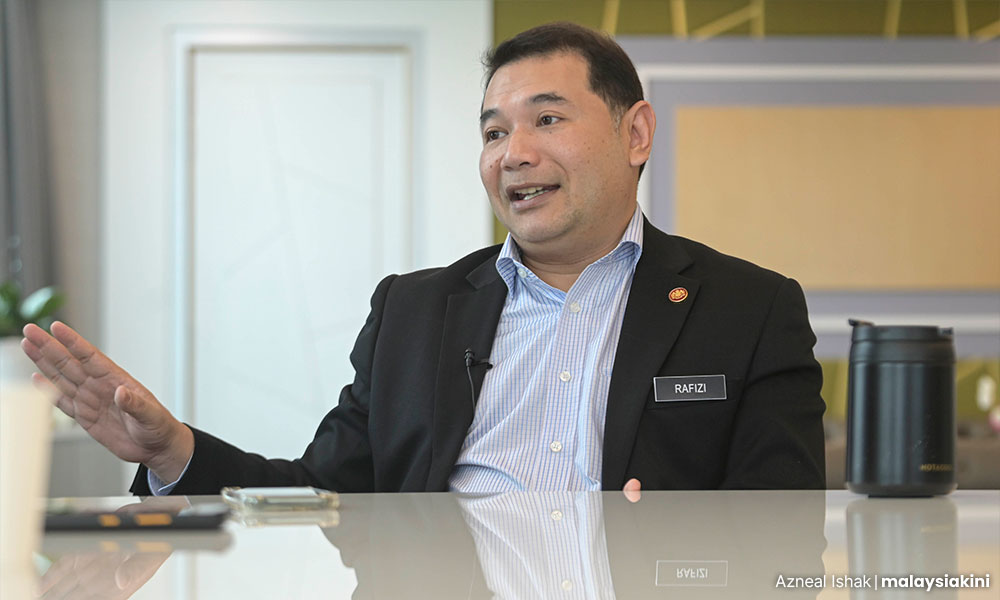
“We can assign the nominal expenditure, so those in the formal sectors will most probably be complete.
“But there will be another group of households (working in the informal sectors) where we only have their details, names, but ‘zero income’.
“So that’s why we may have to go through two to three months to open the system for validation by these individuals.”
READ MORE: Risky targeted subsidy framework won’t topple Madani govt, says Rafizi
Monthly statements of government service
Padu is set to work with agencies like local councils, zakat administrators, the Road and Transport Department, and the Education Ministry.
The database is meant to work out the disposable income of a household by comparing financial commitments.
This includes looking at the number of school-going children in a family, the number of vehicles they own, and how much zakat they paid or received, for example.
Rafizi said data on home ownership is not part of the database because Malaysia is yet to have a housing registry, but it is something which will be included to paint a clearer picture of disposable incomes.
Some high earners in the informal sector, who have been evading taxes, may opt to stay out, and give up access to government assistance, he said.
However, he noted that most in the informal sector are small traders who will need government assistance, and so will be willing to register.
Padu’s ability to centralise data means that by 2025, the government will be able to issue a monthly statement to households to show what assistance and services they have received.
“So the people roughly know what they are entitled to. And I think every family, every household, will have a much better relationship with the government,” he said.
“In that sense, I hope it also changes the way the public and the government interact with each other and vice versa.
“Because it is no longer about the government controlling or lording over you. It is also about the government providing service to the families.”