


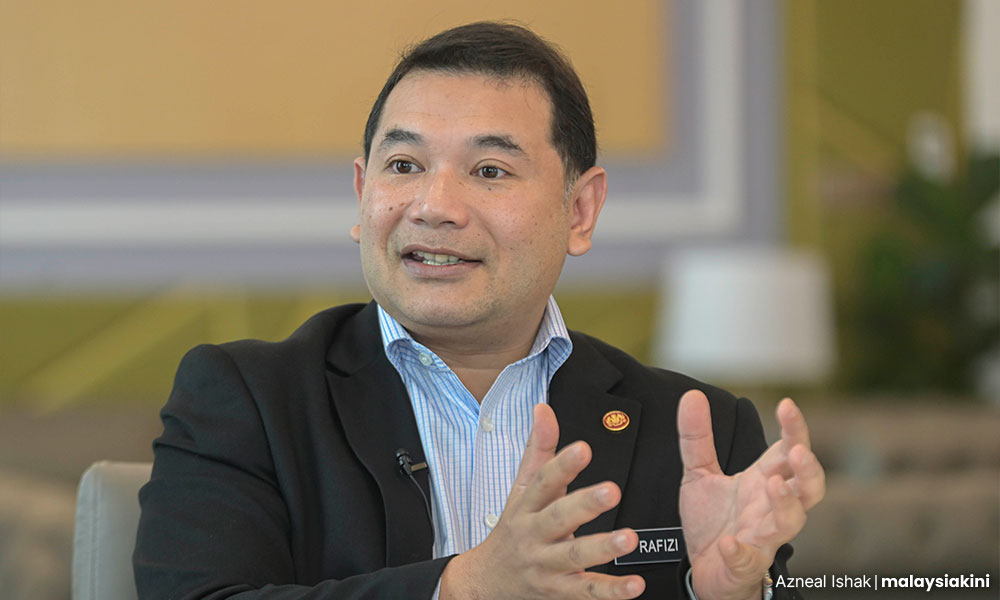

Risky targeted subsidy framework won't topple govt, says Rafizi
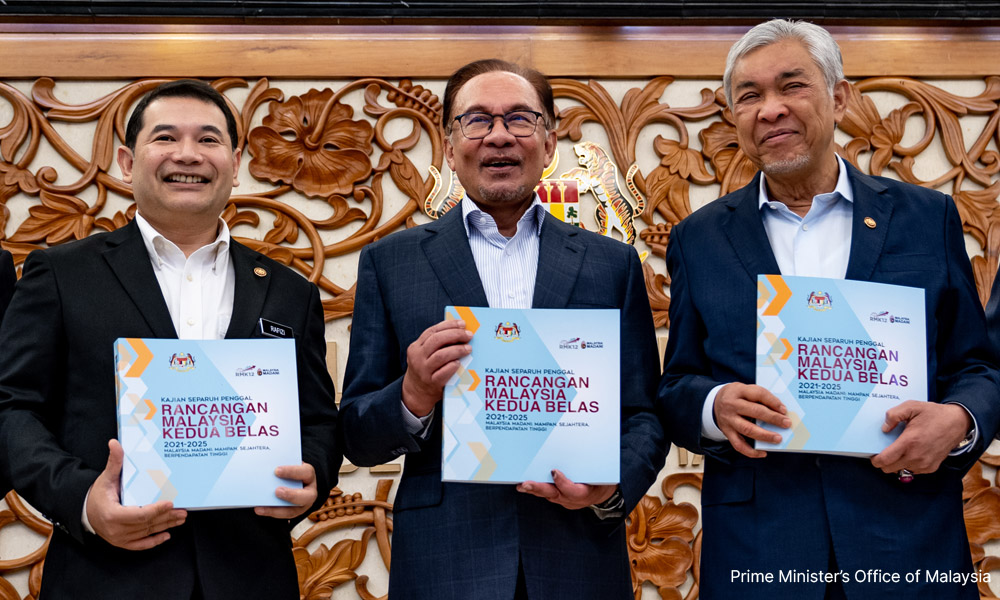
The Madani government’s decision to push ahead on dismantling the broad-based fuel subsidy scheme, as part of the revised 12th Malaysia Plan announced last week, has been viewed as politically risky.
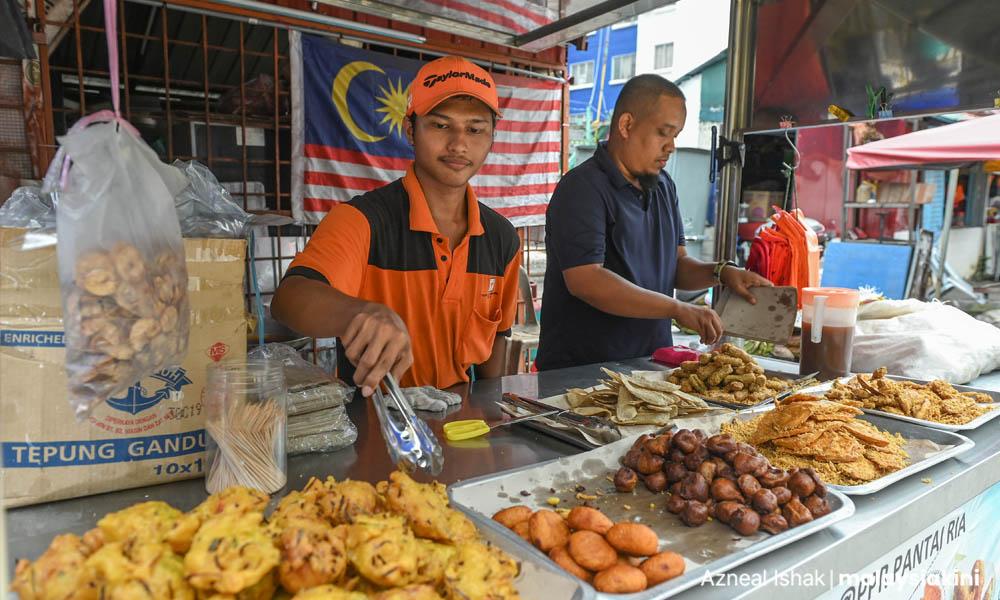
The move, which could also risk knock-on inflation at a time of rising cost of living, may be capitalised by the opposition to destabilise the Pakatan Harapan-BN pact.
But the plan’s architect, Economy Minister Rafizi Ramli, believes...
EXCLUSIVE | The Madani government’s decision to push ahead on dismantling the broad-based fuel subsidy scheme, as part of the revised 12th Malaysia Plan announced last week, has been viewed as politically risky.
The move, which could also risk knock-on inflation at a time of rising cost of living, may be capitalised by the opposition to destabilise the Pakatan Harapan-BN pact.
But the plan’s architect, Economy Minister Rafizi Ramli, believes this unpopular move is economically necessary and that the Anwar Ibrahim administration is not signing its own death warrant by taking it on.
In fact, he believes the turnaround outlined under the 12MP - including the plan to move to targeted subsidies - will improve the lives of Malaysians, keep the pact in Putrajaya and bolster the coalition at the polls.
He also believes the rakyat is wise enough to see the same vision.
“I don’t think (that we will be booted out before the government completes its plans). I think we will stay for five years (as the federal government).
“And I think after one or two years of implementation, once the public witnesses the improvements made, they will also get behind the idea,” he said.
Rafizi also pointed out that to ensure its success, tough decisions have to be made now, including reforming the subsidy system which numerous previous administrations have failed to do.
“If we hope to achieve this in five years, we need to start implementing a lot of these core reforms as soon as possible to give it enough time for the financial and fiscal results to benefit the country.
“In doing so, households will begin to understand that this is a better and just way to minimise and mitigate the political risk,” Rafizi explained in an interview with Malaysiakini at his ministry on Tuesday.
“So long as we strike a good balance between the timing, the sequencing and buy us enough implementation time, I think it will see through,” he added.
In February, Deputy Finance Minister Ahmad Maslan said the government could save between RM15 and RM17 billion if the top 20 percent income earners are not given fuel subsidies.
He told Parliament that in terms of consumption, the lowest income group (B40) used only 24 percent of fuel compared to the middle-income earners (M40) who used 41 percent and the T20 who used 35 percent.
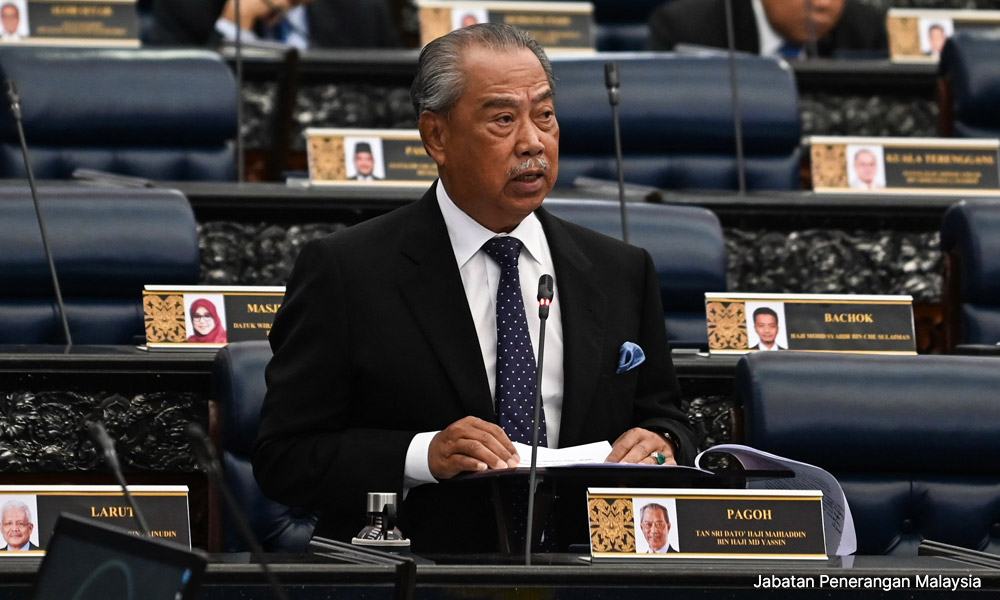
In July 2022, then-Finance Minister Tengku Zafrul Aziz said the Ismail Sabri Yaakob administration was already testing various mechanisms to target fuel subsidies, to keep its subsidy bill in check.
‘Technology will help govt succeed’
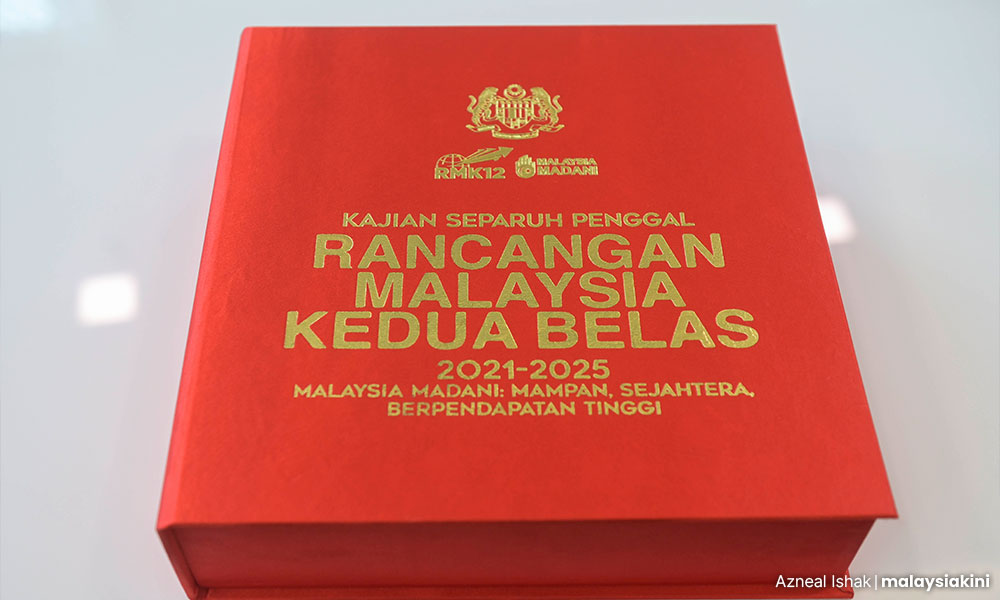
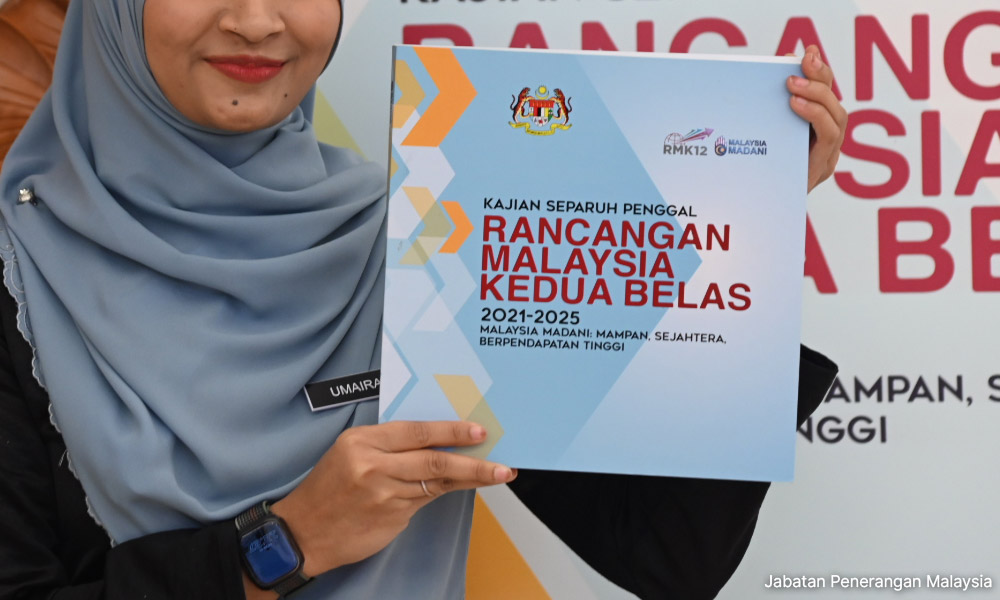
This radical move is one of the 17 “Big Bolds” highlighted by the 12MP review to catalyse socio-economic development until 2025.
At the initial stage, the mid-term review report said the emphasis would be on subsidies for electricity, diesel, and petrol.
Savings from subsidy retargeting will be used to fund socio-economic projects and programmes to benefit the people.
According to the report, this will be aided by a centralised economic data repository, Pangkalan Data Utama (Padu), a mega database that can map out the socioeconomic status of about 10 million households in Malaysia, including those working in the informal sector.
The use of technology, according to Rafizi, can overcome the previous blindspots on the disposable incomes of most Malaysians and will be the reason this government succeeds in tackling this issue when other administrations have failed.
Besides Padu, he mentioned that other prerequisites for the subsidy reform to succeed include getting the retargeting mechanism right and interventions in the wage setting.
While the mechanism has yet to be announced, Rafizi said he is leaving the honours of announcing this to the prime minister, in the midst of a progressive wage model to lift up wage levels already being in the works.
Padu is expected to be launched in January 2024 while the first use test will be rolled out in November of this year.
Unlike Najib’s era, 12MP developed without consultants
Meanwhile, Rafizi rejected claims that the revised 12MP is reminiscent of the economic blueprints of previous administrations, especially those of former premiers Abdullah Ahmad Badawi (Pak Lah) and Najib Abdul Razak respectively.
Citing Najib’s “failed” Government Transformation Programme (GTP) and the Economic Transformation Programme (ETP), he insisted that there’s a big difference between the aforementioned plans as the 12MP was not developed by outsourced consultants.
Instead, he said, it was done almost 100 percent by the civil service.
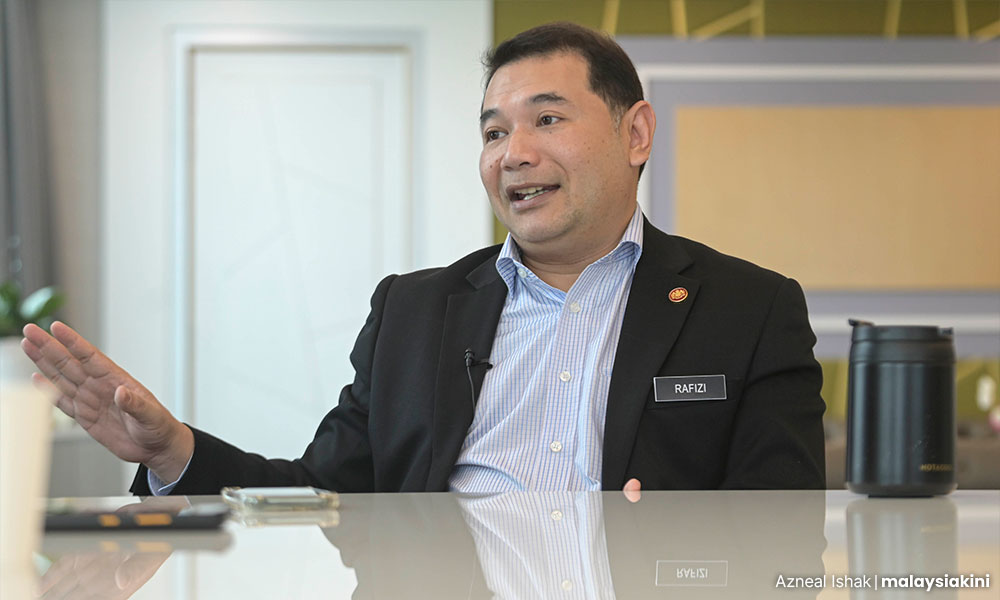
“When you bring in people from outside - or in the case of previous attempts, you set up a completely different cluster of people - you end up giving them everything in the limelight and expect the civil service merely become low-level implementers.
“It doesn't work. So, we took a totally different approach but the diagnosis is the same.
“Even from Pak Lah and Najib’s time, when the government had to frequently mobilise its resources, it eventually ended up with an off-budget financing that has become a big burden to the (current) government,” he added.
Rafizi, who is also the PKR deputy president, assured that the government will hold itself to the goals of the 12MP, saying that Harapan is very policy-driven and already has a vision of how the coalition wants the country to be moving forward.
“The reason why (previous) blueprints eventually got shelved is due to the direction of leadership that did not stay on course.
“It’s either they got distracted like Najib’s GTP and ETP, which led to the 1MDB case. So the whole idea of running the government was basically for shielding scandals.
“In the case of Pak Lah, he had good plans on agriculture and so on. It’s top-down. Everything was announced and then there you go,” Rafizi said.
“Meanwhile, the 12MP was developed with a bottom-up and top-down approach at the same time. The top-down is not that imposing as it mainly aims to harmonise and give pivots in terms of the specifics.”
Will life be better with 12MP?
The Pandan parliamentarian then illustrated how the lives of average Malaysians will be better in 2025, mainly due to the government having a clearer picture of the rakyat’s needs and how to serve them better.
“We don't want to just give money to everyone but I think we will be able to know how to intervene, help and empower every single family because we can know them better.
“Some families will get more financial aid. Some families will experience an increase in income. Some families will get better opportunities in terms of upskilling.
“I hope the younger ones, by then, will have the opportunity to work in industries that are developed from all these policies (in the 12MP) such as energy transition and the like,” Rafizi concluded.


Forget about the factor of political risk. This has been a stumbling block for progress of Rakyat and Malaysia for the past 60 odd years. Rakyat must be aided on a need basis. Meritocracy must be practiced in the public sector. Do what needs to be done, not what is (deemed, which in any event may be reckoned wrongly) popular.
A very rare straight thinking leader in today's Malaysian politics. Nothing wrong to be skeptical about his ideas. Debate him throughly but do not be sabouters.
Raf, reduce emoluments which take sup nearly 40% of the annual budget. Limit pension of Ministers, MPs, Aduns to only one. Outsource or privatise some of the less critical government work or duties. Raise price of sugar, tobacco and alcohol. Raise tax duties on luxury goods and cars. Raise capital gains tax. Bring back GST at 4%.