
Malaysia remains in Tier 3 in the US human trafficking report
This is the first time the country has failed to move up after falling into the lowest spot in the report last year.
The United Nations Human Rights Council member shared the notoriety of failing to meet minimum standards from 2021, together with...
Malaysia has again been given the lowest rank in the new US Trafficking in Persons (TIP) Report 2022 as it remains in Tier 3 for a second consecutive year.
This is the first time the country has failed to move up after falling into the lowest spot in the report last year.
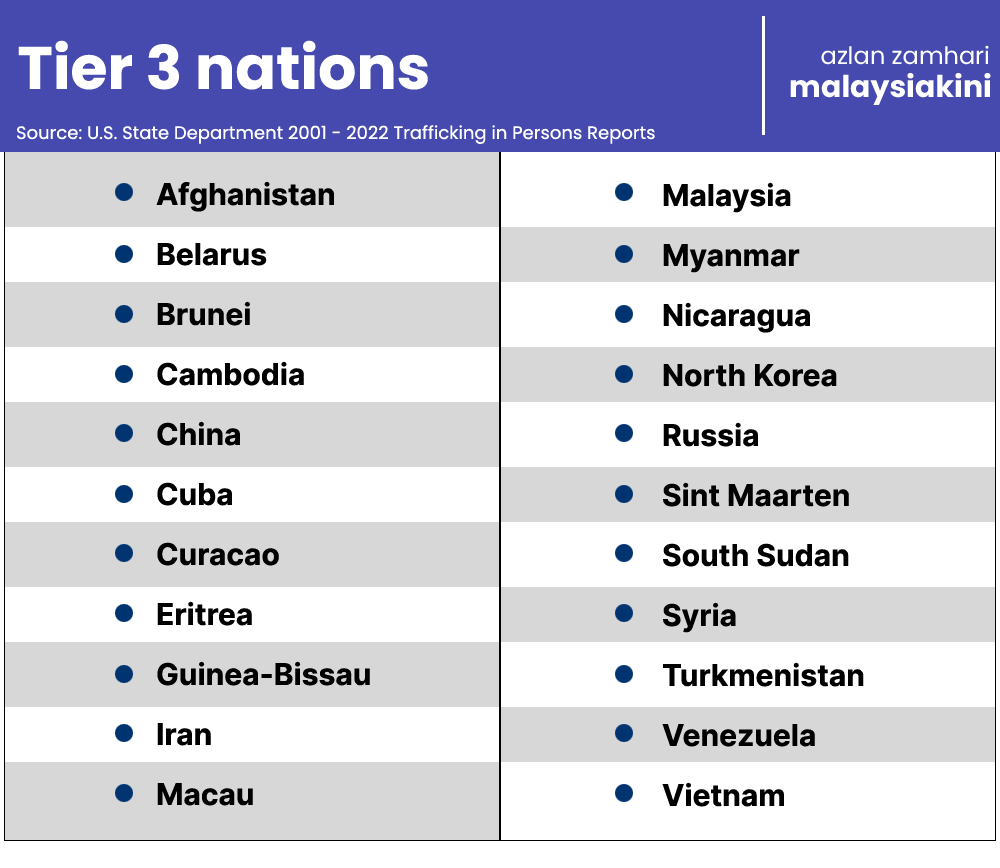
The United Nations Human Rights Council member shared the notoriety of failing to meet minimum standards from 2021, together with 10 other countries, including its neighbours in East Asia and the Pacific region - China and Myanmar.
In total, there are 22 countries in Tier 3 this year with some newly downgraded.
The July 2022 report declared, as it did last year, that: “The government of Malaysia does not fully meet the minimum standards for the elimination of trafficking and is not making significant efforts to do so.”
The 2022 TIP report has listed 15 priority recommendations to the government, all of which were repetitions from previous reports, indicative of a government impervious to critique in any of these reports.
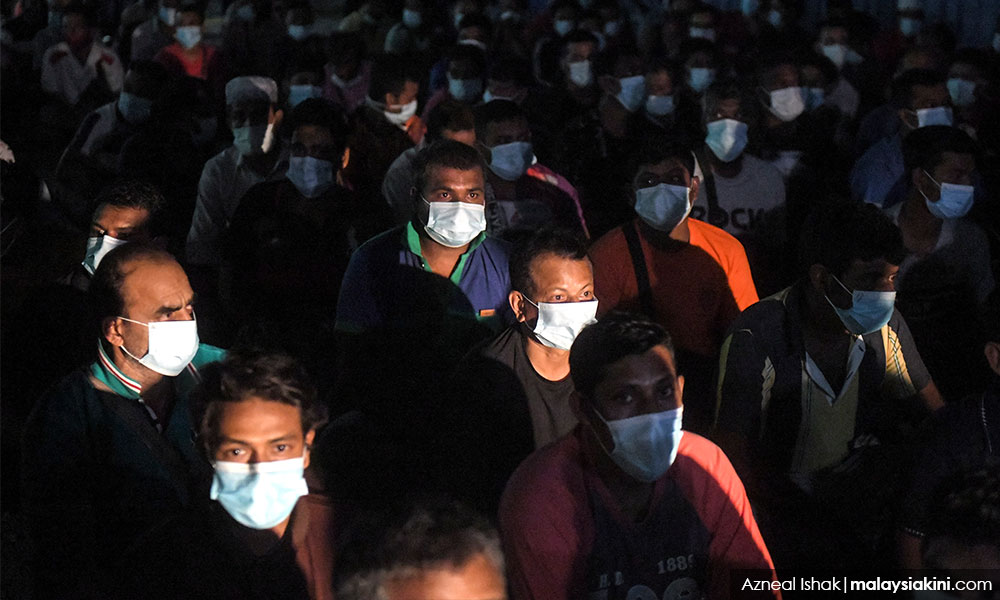
Among them was the repeated recommendation to take steps to eliminate recruitment or placement fees charged to foreign workers.
Apart from government announcements threatening action against employers who continue to place the burden of footing the recruitment fee on workers, Malaysiakini learned last week that there was no law to enforce this.
A government source confirmed that there was no legislation, policy, or even a directive, to enforce the zero-recruitment cost for migrant workers as part of the state’s effort to address debt bondage, exploitation and forced labour.
At risk of sanctions
The US State Department ranks countries on their compliance with its Victims of Trafficking and Protection Act 2000 and publishes its findings annually in the TIP Report.
Malaysia has been on the Tier Two Watch List - a ranking between Tier 2 and Tier 3 - for 11 years in the 22 years the US has been ranking its efforts in eliminating trafficking activities in the country.
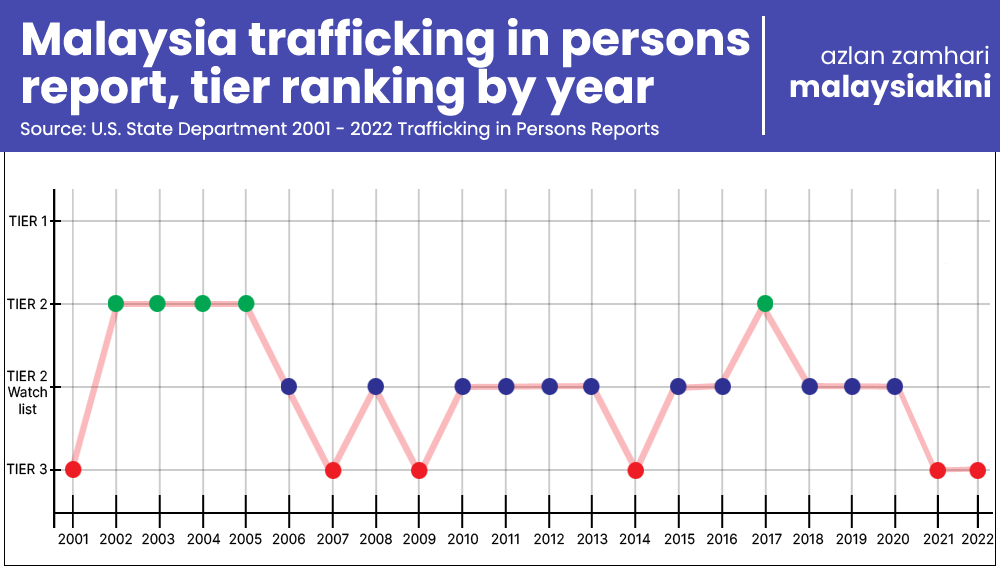
The highest ranking the country has received was Tier Two which it had reached five times. Four of those were at the turn of the century from 2002 to 2005.
The last time the government’s efforts were ranked above the Tier Two Watch List was in 2017.
While the Victims of Trafficking and Protection Act only imposes sanctions of non-humanitarian and non-trade-related assistance to countries ranked Tier Three, it is hard to gauge how the US's trade partners will react to this blot on Malaysia’s landscape.
Especially if this “blot” has remained for two years.
No prosecutions
The report pointed out that the government continued to combine human trafficking and migrant smuggling crimes despite repeatedly being advised to increase efforts to identify trafficking victims among vulnerable populations.
Instead, anti-trafficking investigations have declined and “the government did not prosecute or convict government officials allegedly complicit in trafficking crimes.”
The report did not highlight any particular investigations but one that has marred Malaysia’s reputation for almost a decade is the discovery of the mass graves at the Malaysia-Thailand border town of Wang Kelian in 2015.
While a royal commission of inquiry (RCI) into the discovery of the temporary transit camps and mass graves concluded in 2019, its findings have remained unpublished.
The RCI findings remained unpublished despite being tabled in the cabinet in January 2020, while Thailand has since convicted its army lieutenant general to 82 years imprisonment and at least 60 Thai state officials and businesspersons were similarly sentenced, including the mayor of Songkhla.
This year, Malaysia has been advised to increase efforts to investigate, prosecute, and convict more trafficking cases, but to do so separately from migrant smuggling.
This is a recommendation that was put forward in 2019 and every year since.
Similarly, the government has been repeatedly advised to increase investigations in cases involving complicit officials in forced labour crimes.
The TIP report has also called on the government to make public the results of investigations involving these corrupt officials, increase transparency and hold officials criminally accountable when they violate the law.
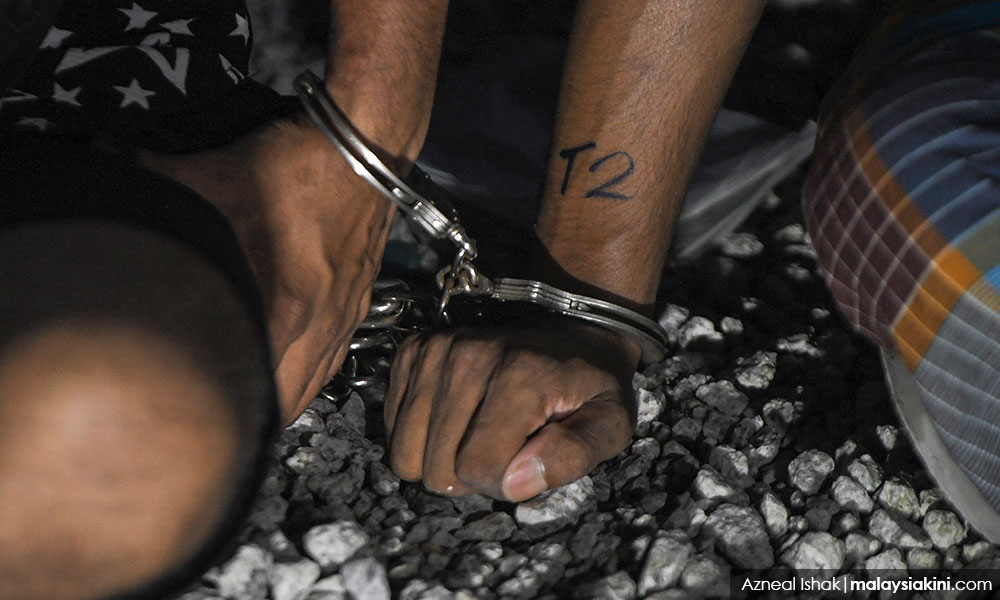
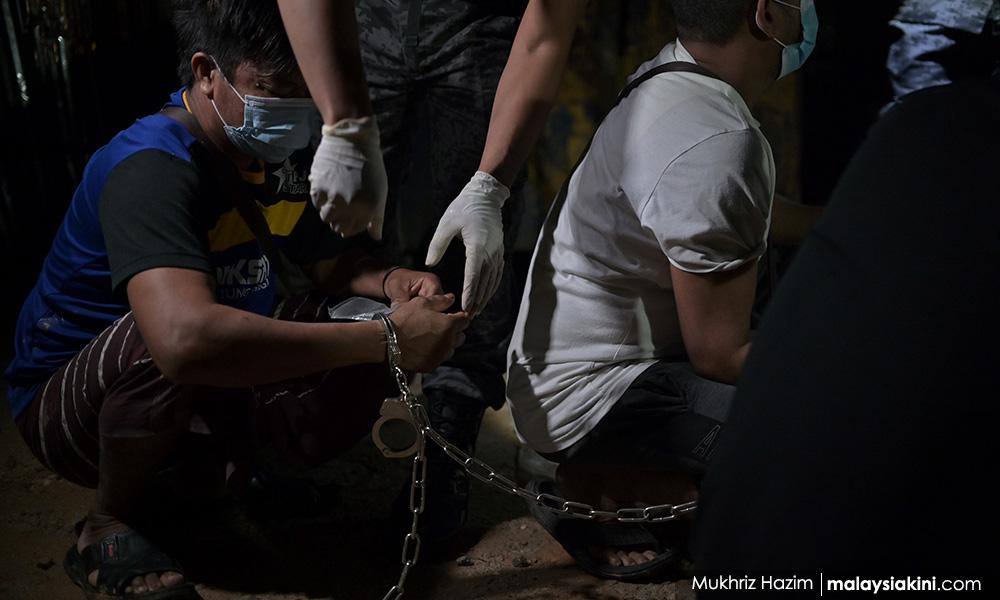
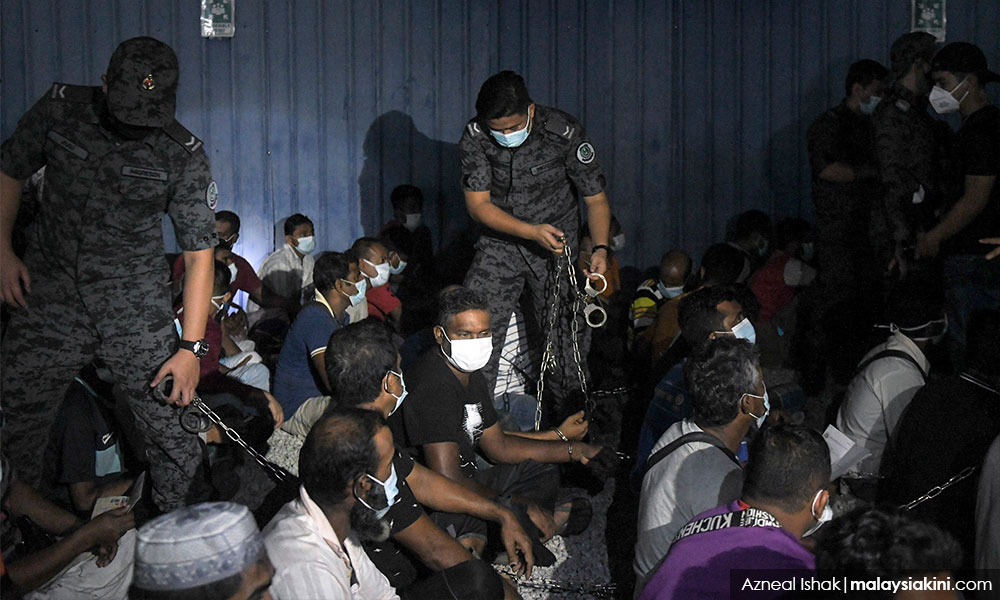
The report pointed out that Malaysia also remained in Tier 3 due to its failure to implement a standard operating procedure to proactively identify victims during law enforcement raids or among vulnerable populations with whom authorities came in contact.
This too was a repeated recommendation to the government in the past three years.
“The government identified fewer victims, and it did not systematically implement standard operating procedures.
“Because of inconsistent identification efforts, authorities continued to inappropriately penalise trafficking victims for immigration and ‘prostitution’ violations,” the report explained.
It also pointed out the government’s poor interagency coordination and overall inadequate victim protection services.

It said this discouraged foreign victims from remaining in Malaysia to participate in criminal proceedings, which continued to hinder successful anti-trafficking law enforcement efforts.
Look out for victims
One recommendation that was introduced last year and repeated this year was for the government to look into Chinese-government-affiliated infrastructure projects to identify trafficking victims.
These were projects that form China’s Belt and Road global campaign.
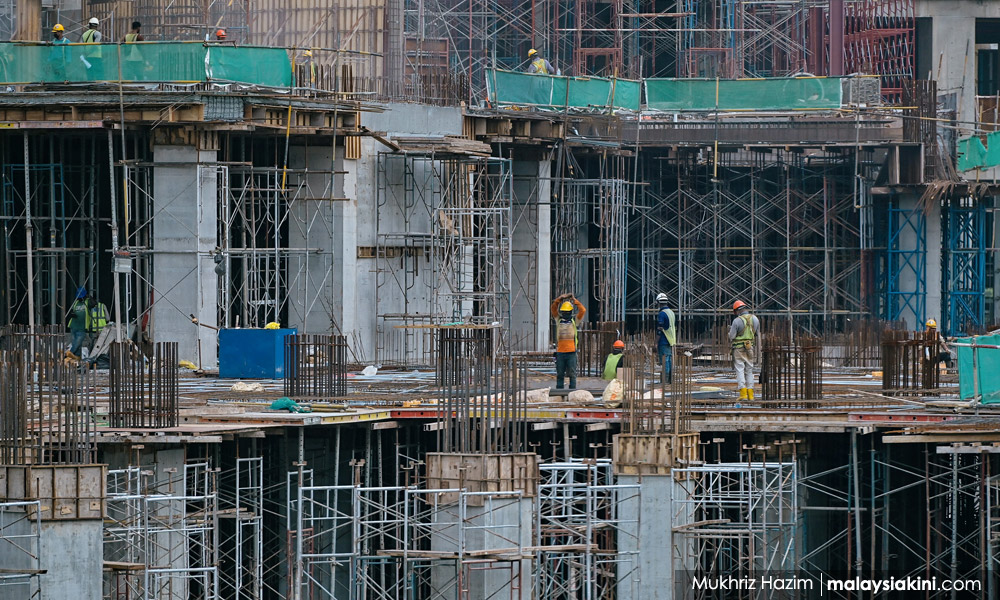
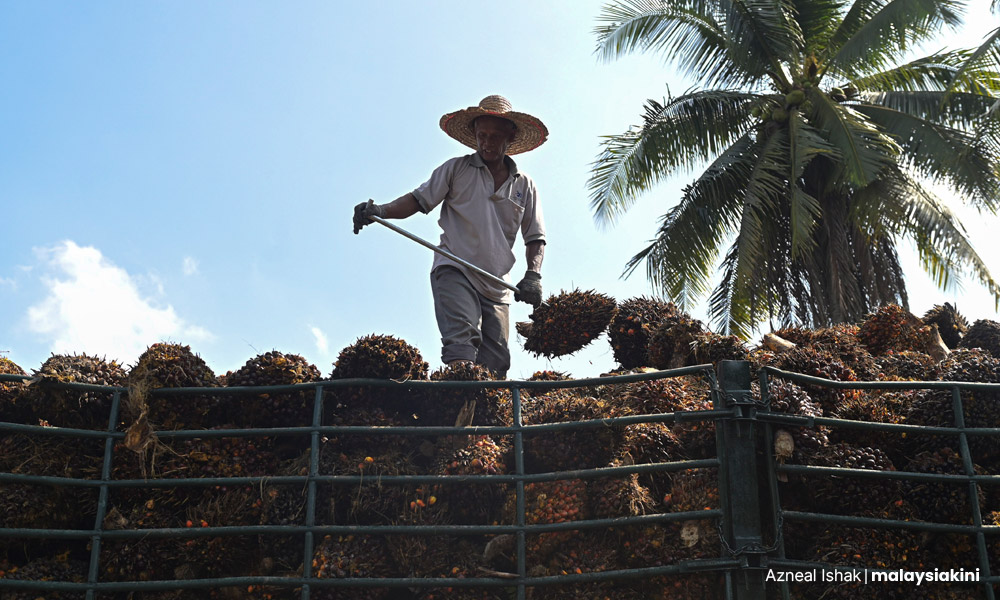
Meanwhile, the government’s failure to adequately address trafficking in the rubber manufacturing industry and palm oil sector was highlighted.
It said the government failed to criminally pursue credible allegations from multiple sources alleging labour trafficking in these sectors, especially when the government itself owned 33 percent of the third-largest palm oil company in the world.
“Its failure to address trafficking in these sectors allowed for abusive employers to sometimes operate with impunity,” said the report.
Malaysia remained mum on action against companies found to be practising forced labour by other governments.
Of the goods of seven Malaysian companies that were withheld by the US Customs and Border Protection (CBP) between 2020 and 2022, only one company had the Withhold Release Orders (WRO) lifted.
Top Glove Corporation Bhd took 14 months to rectify its practices and among the steps taken, according to a CBP statement, was the issuance of over US$30 million (RM133 million) in remediation payments to workers.
So far, the government has not taken any action against the company, but CBP acting commissioner Troy Miller said: “Top Glove’s actions in response to the WRO suggest that CBP’s enforcement efforts provide a strong economic incentive for entities to eliminate forced labour from their supply chains.”