
(NZD) COMMENT | More criticisms over Tabung Haji fiasco
We have seen such failures, lack of accountability too many times.
COMMENT | Imagine a dinner party, and around the table sit politicians, ministers, chairmen, board members, executives and officials.
Then a stranger arrives. Her name is Truth-and-Accountability.
She asks: "Is there a seat for me?" Suddenly, everyone becomes very busy.
The chairman looks at management. Management looks at the board. The board looks at the minister. The minister says it wasn't his department. The politician says he had no authority. The auditor says she wasn't called to testify.
Nobody wants to give Truth-and-Accountability a seat.
Welcome to Tabung Haji's accountability merry-go-round.
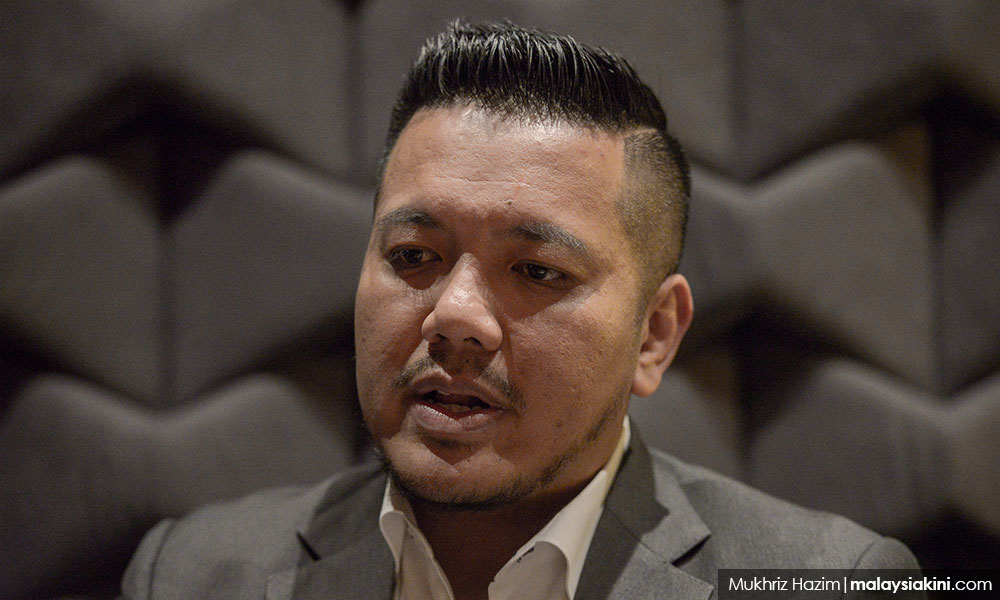
Former Tabung Haji chairman Abdul Azeez Abdul Rahim has said he was a non-executive chairman and didn't know what was happening at the working level.
Nobody expects a chairman to know everything; but surely he should know enough to ask questions, challenge management, scrutinise the numbers and ask difficult questions like: "Are we sure?" "Can we afford this?"
A chairman is not expected to run the organisation; but he is expected to ensure that important things do not go unquestioned.
So the question remains: What did the chairman know? What did he do with what he knew?
Umno-Baru secretary-general Asyraf Wajdi Dusuki has also denied involvement in Tabung Haji's decisions during his time as deputy minister. He says he attended the 2017 Al-Rawda signing ceremony because he was representing the minister as Malaysia's chief of the haj delegation.
We're not saying Asyraf was responsible for the investment; but Al-Rawda eventually resulted in a RM1.86 billion impairment, making it the largest loss among Tabung Haji's 14 problematic investments.
The Finance Ministry says there was no bank guarantee, the due diligence was incomplete and the transaction proceeded on a promissory note. So someone approved it, assessed the risks and decided it was acceptable.
Who?
That is the question.
/file/attachments/770/d76efe82220e7e4e59068d0eeb75a906_324640.jpg)
The Finance Ministry says 14 problematic Tabung Haji investments resulted in almost RM13 billion in losses.
These are not small accounting errors. Yet we repeatedly hear: I didn't know. I wasn't involved. I had no authority. It was management.
How does an institution entrusted with billions of ringgit approve a transaction of this scale without adequate due diligence or a bank guarantee, and who was responsible for saying, "Stop. This isn't safe"?
Meanwhile, former auditor-general Madinah Mohamad says she turned up to give evidence to the RCI, waited over 30 minutes, and was never called. Her office had audited Tabung Haji and flagged two matters in its 2017 clean audit opinion.
So we have to ask: If the chairman didn't know, the deputy minister had no authority, and the auditor-general wasn't heard, who exactly was watching the shop?
At the time, the finance minister was Najib Abdul Razak.
However, the RCI did not establish which minister personally approved the individual payments, and Najib, former second finance ministers Ahmad Husni Hanadzlah and Johari Abdul Ghani were not interviewed by the commission.
So again: Who approved them? That question deserves an answer.
We have seen variations of this story with FELDA, MAS and other government-linked institutions.
The commonalities being: Political appointments. Questionable decisions. Huge losses. Investigations. Reports. RCIs.
This is how responsibility somehow becomes elusive. Impunity grows because when nobody is held accountable, the next person has little reason to fear getting it wrong. Eventually, the taxpayer pays.
The Tabung Haji RCI report was withheld for years after its findings were completed. Anwar said earlier disclosure could have caused panic and prompted depositors to withdraw their money.
We understand the concern, but surely there is an irony here: If transparency is too dangerous because people might lose confidence, what does that say about the confidence in the first place?
And delay has consequences.
An inquiry is supposed to establish what happened while the evidence is still fresh. Instead, Malaysians were left waiting years after the RCI completed its work. A Royal Commission should not become a time capsule
And now, in 2026, we are asking questions about events that happened almost a decade ago.
That matters, because justice delayed isn't simply justice postponed. Evidence deteriorates. Witnesses disappear. Memories change. People die.
And the longer we wait, the easier it becomes for responsibility to disappear into the cracks. Delay can make accountability harder, not easier.
Rafizi Ramli alleged the report was delayed for political reasons to avoid upsetting Umno. That remains an allegation, not an established fact.
But regardless of the reason: Why did Malaysians have to wait so long?
/file/attachments/770/Screenshot2026-08-13at50435PM_461734.png)
Now the government has the opportunity to do what should have happened from the beginning:
Follow the money. Find who approved the decisions. Find who knew. Find who failed to act.
And if the evidence shows wrongdoing, prosecute. No political protection. No special treatment. No "not me".
If the evidence leads to Umno-Baru, investigate Umno-Baru. If it leads to Pakatan, investigate Pakatan. If it leads elsewhere, follow it there.
Nobody should be above the law.
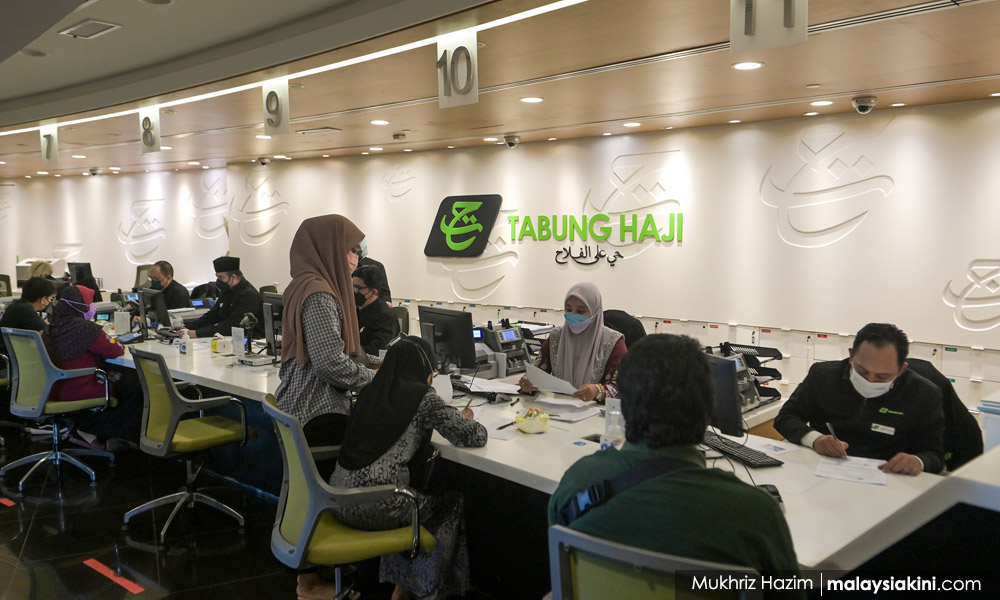
Tabung Haji is not simply another government-linked institution. Millions entrusted their savings to it, to help them fulfil a deeply important religious obligation. They deserve better than a merry-go-round of explanations.
RM13 billion is too much money to disappear into a fog of "I didn't know".
Prime Minister, this is your opportunity.
Don't just tell Malaysians that accountability matters. Show them.
Give Truth-and-Accountability a seat at the table, and this time, don't let her leave hungry.
Mariam Mokhtar