


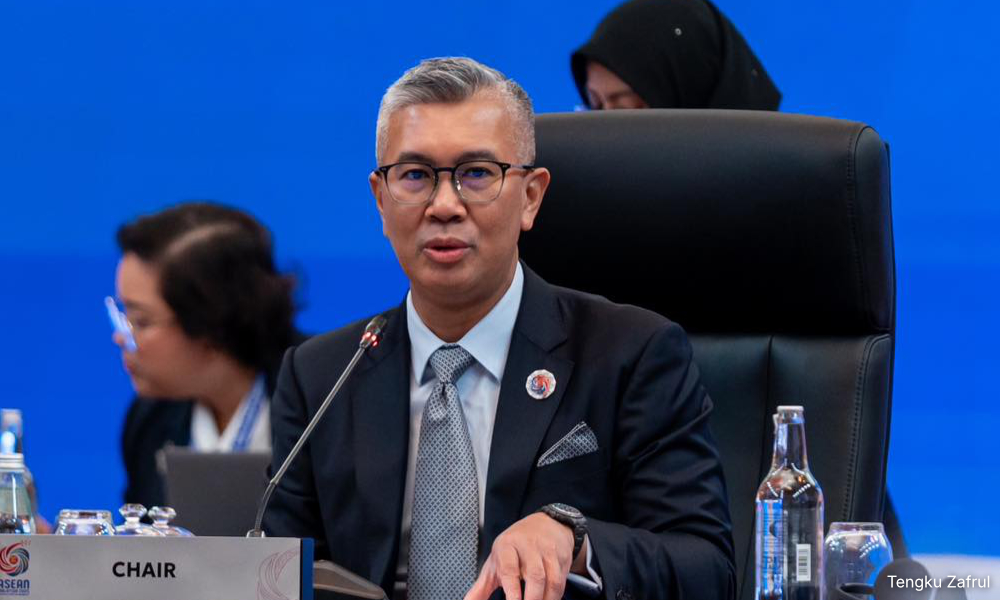

'No more 19pct tariff after US court ruling,' Zafrul tells Rafizi to stop spinning issue
Malaysia is no longer tied to the 19 percent US' reciprocal tariff deal that the countries signed in October, claimed former investment, trade and industry minister Tengku Zafrul Abdul Aziz.
This followed a ruling by the US Supreme Court on Feb 20, he said, which struck down most of US President Donald Trump’s earlier tariff measures imposed unilaterally against other countries.
In a statement responding to former economy minister Rafizi Ramli’s criticism, Zafrul also defended the government's decision to sign the trade deal before the US top court delivered its decision.
"Rafizi, please stop spinning (the issue), it has become exhausting to respond (to you), especially during the fasting month when we should be focusing on 'ibadah' (prayers).
"We have to pay double the tariff compared to other countries? What are you talking about?
"When the US Supreme Court ruled to cancel all the tariffs (imposed by Trump), it means that the 19 percent tariff that it was imposing in Malaysia was also cancelled," he said in a video posted on Facebook this morning.
Rafizi had claimed on his social media on Feb 21 that Zafrul and Prime Minister Anwar Ibrahim made a mistake by signing the trade deal "hastily".
According to the Pandan MP, the agreement signed between Malaysia and the US during Trump's visit to Kuala Lumpur has left the country at a loss, claiming that Malaysia would be stuck with the 19 percent tariff despite the court order.
Being proactive
In response to this, Zafrul, who exited the cabinet on Dec 2 following the expiry of his senatorship, said the government was just being proactive to protect Malaysia's economy.
"We already knew then that the court case was ongoing, but if we were to wait until the case is disposed of, there was the risk of the court ruling in favour of Trump's (unilateral tariffs).
"Then how? We would be late to the negotiation process, and in today's global trade, being late means paying a higher price.
"That was why we chose to act quickly," he said.
Zafrul pointed out that Malaysia was not the only country that signed a deal with the US before the court decision.
Among others that did so were the UK, European Union, Japan, Korea and Indonesia, he said.
In October 2025, Malaysia signed the agreement with the US in a bid to avoid a blanket 25 percent tariff on Malaysian goods, securing a reduced rate of 19 percent in its place.
However, the agreement obliges local government-linked companies to procure American products and aligns domestic regulations more closely with those of the US.
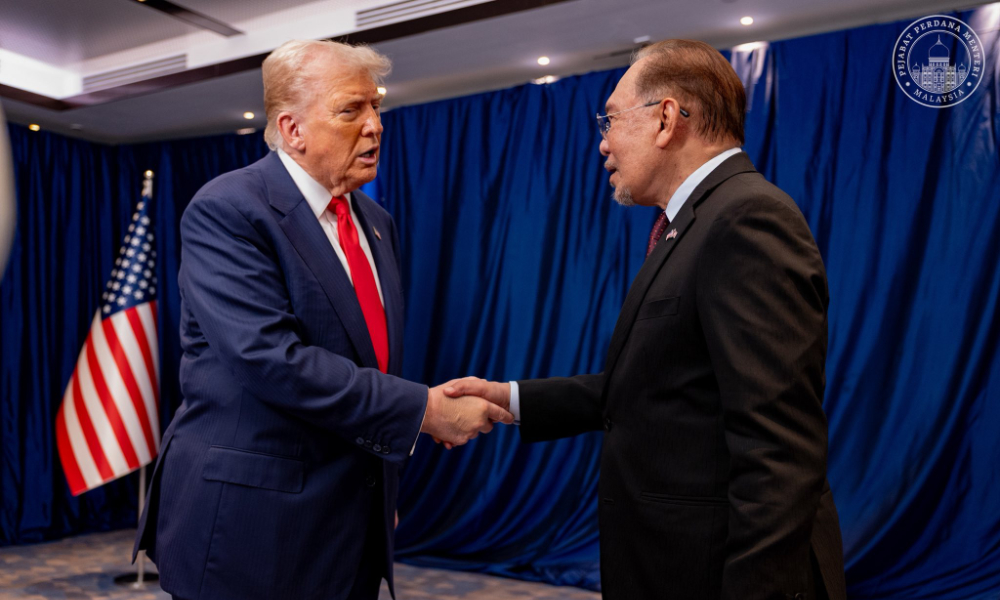
The deal drew considerable criticism, with detractors pointing to its limited tangible benefits, the absence of parliamentary scrutiny, and concerns over its implications for national sovereignty.
This is despite Prime Minister Anwar Ibrahim, who is also the finance minister, having on multiple occasions, including in the Dewan Rakyat, reassured critics that Malaysia has not compromised its stance on key areas of national interest, including trade policies and the halal industry.
Malaysia studying impact
In a turn of events on Friday, the US Supreme Court, in a majority of six to three, ruled that Trump had exceeded his constitutional authority by imposing sweeping tariffs under the International Emergency Economic Powers Act of 1977, a statute specifically reserved for use in genuine national emergencies.
After the ruling, a furious Trump swiftly imposed a new 15 percent global tariff to replace the ones struck down.
In a post on Truth Social on Saturday, Trump said the increase, to be imposed under Section 122, would take effect immediately and would be over and above existing tariffs.
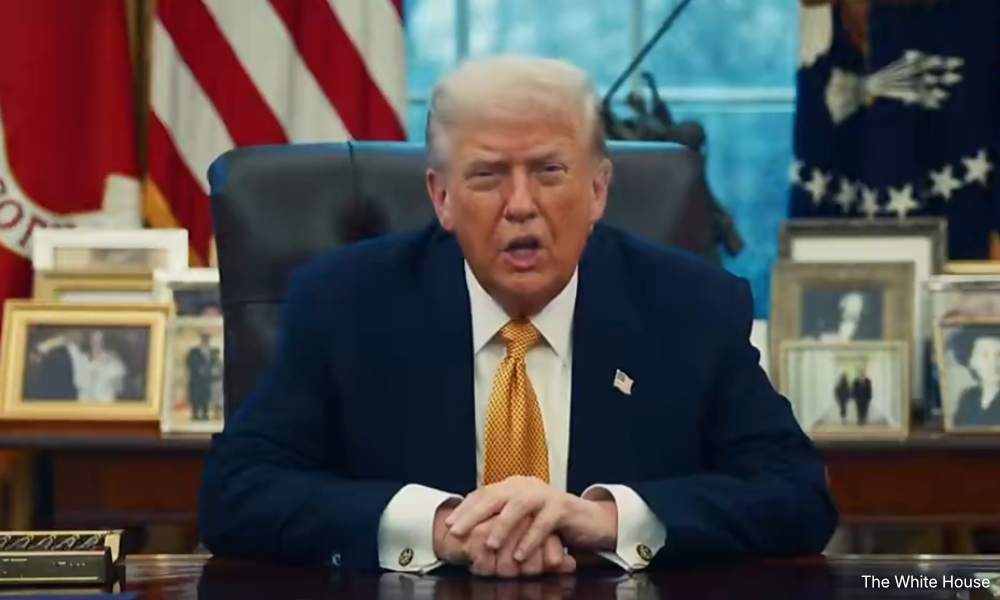
Subsequently, Trump said he had signed documents imposing a 10 percent tariff on all imports from every country.
Following the court decision, Investment, Trade, and Industry Minister Johari Abdul Ghani reportedly said Malaysia was studying the implications of the ruling.


