
Minister: Lynas may be required to import 'thorium-free' ore
In 2023, Lynas Malaysia Sdn Bhd’s (Lynas) radioactive waste successfully persuaded the government to drop license extension conditions by proposing "thorium extraction technology".
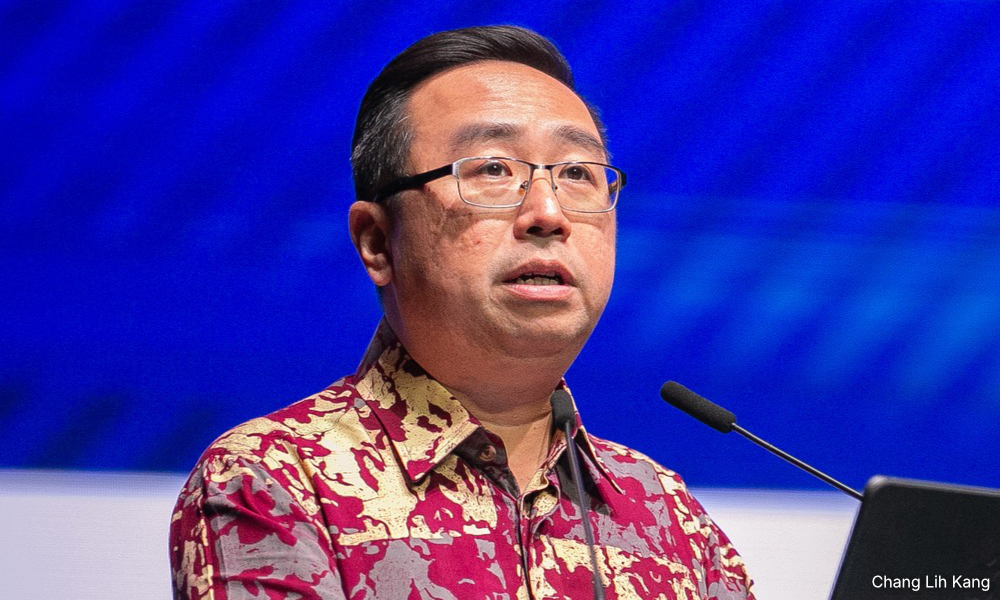
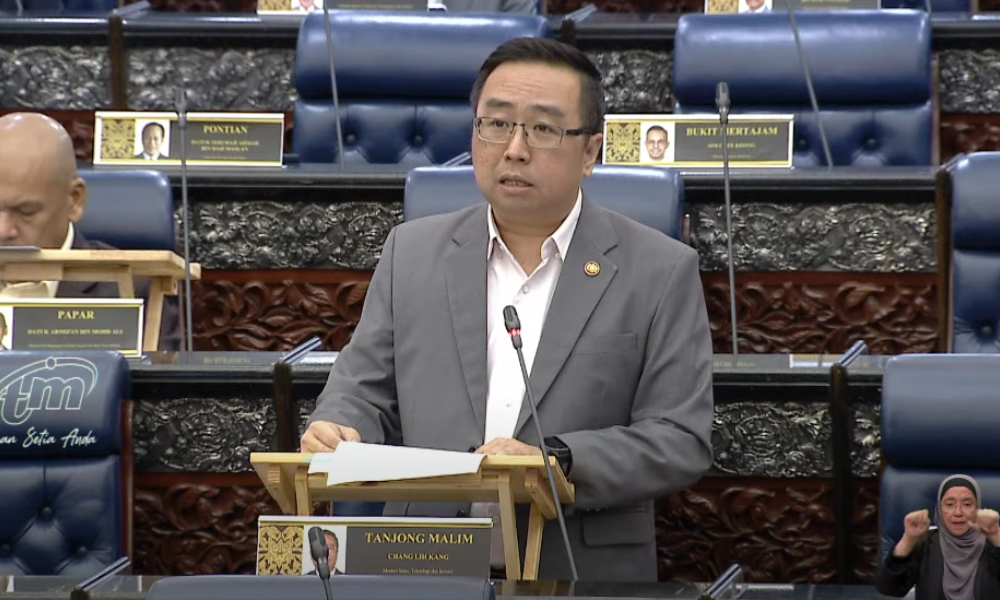
With its three-year licence nearing expiry, Science, Technology, and Innovation Minister Chang Lih Kang revealed that the government will eventually require Lynas to apply this technology to import "thorium-free" rare earth ore.
"Moving forward, we will require (Lynas) to complete the thorium extraction process in Australia before shipping it over," he said.
He noted that it has been proven that radioactive waste generated from rare earth refining can be decontaminated through the thorium extraction process.
“The thorium extraction project is progressing well. The laboratory technology is very effective at extracting (thorium), turning (rare earth production) waste into non-radioactive, scheduled waste,” Chang said.
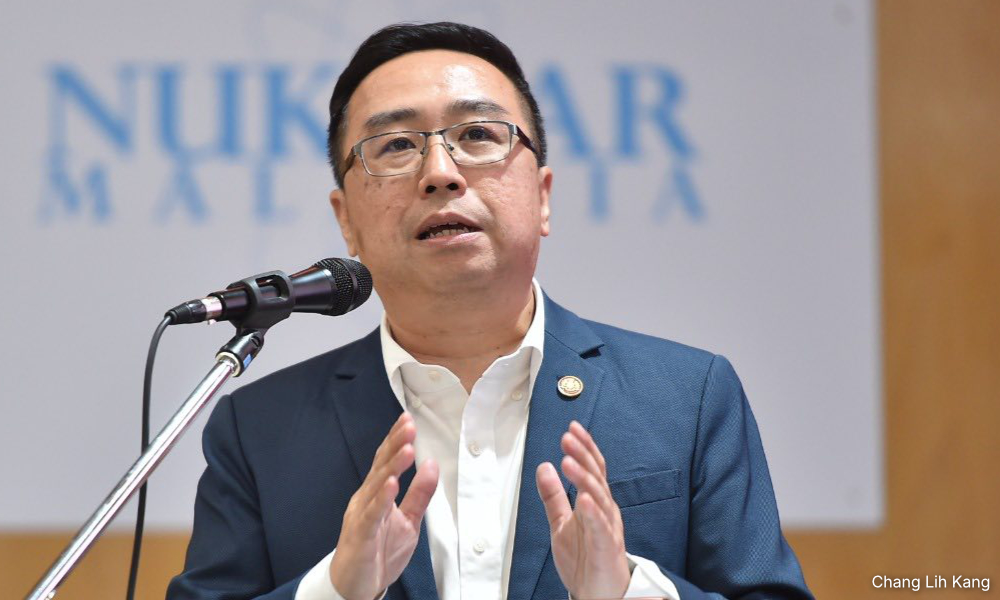
He said this during a media interview at the Malaysian Space Agency (MYSA) on Feb 3, when asked about the progress of the Lynas thorium extraction project.
The Madani government had allowed the operating licence for the Lynas plant in Gebeng, Kuantan, to be extended in February 2023, but maintained several original conditions - most notably the requirement to "remove cracking and leaching (C&L) processes" by July of that year.
However, Lynas not only pressured the government but also initiated a judicial review. This led the government to conditionally lift the C&L relocation requirement in October 2023.
At the time, Chang stated that the condition was for Lynas to use new thorium extraction technology to ensure its waste - Water Leach Purification (WLP) residue - remained below a radiation level of 1 Bq/g.
He explained that the government would give Lynas two years to develop thorium extraction from the pilot stage to practical industrial application.
According to the Atomic Energy Licensing Board (AELB), materials with radiation levels below 1 Bq/g are not considered radioactive and do not fall under the jurisdiction of the Atomic Energy Licensing Act.
Not yet ready for industrial production
Chang further pointed out that trials in both Malaysia and Australia confirmed that thorium can be almost entirely removed from both the lanthanide concentrate used by Lynas and the waste produced, solving the radiation issue.
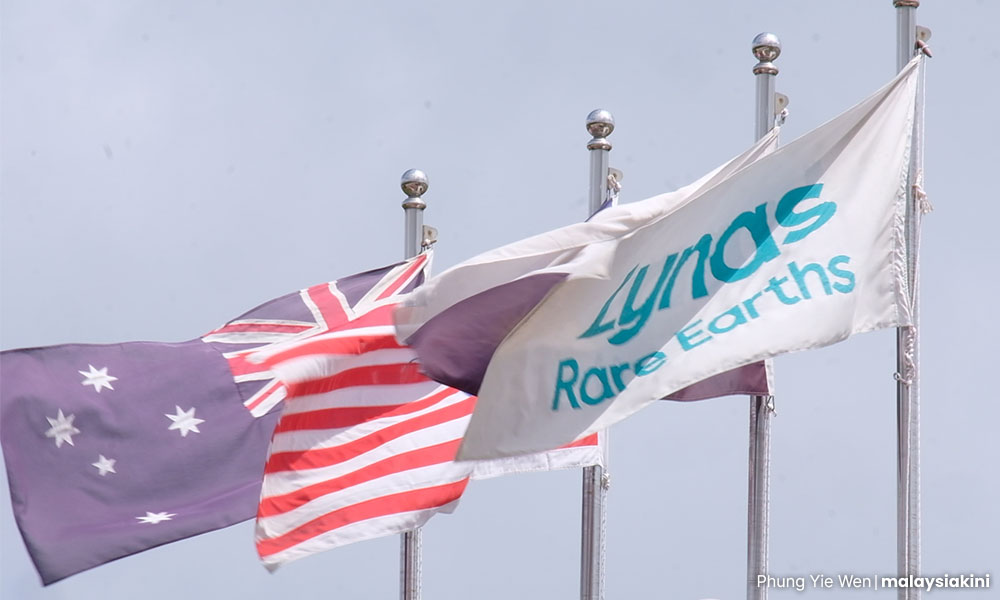
“We extracted from two sources: we can extract 100 percent of the thorium from the lanthanide raw feedstock, and 92 percent from the processed WLP residue. Our project has confirmed this,” he said.
However, the minister admitted that thorium extraction technology has yet to be integrated into full-scale industrial production.
“Of course, this takes time. Transitioning from extracting thorium from a single sample to processing tons of ore in an industrial setting is different. It requires time.
“So, we will give them time to work on it, such as for refinements, but this is what will happen moving forward,” said Chang.
However, he did not specify exactly how much more time the government would grant Lynas.
When asked if the government would renew Lynas' licence in March, Chang replied: “That will have to wait for the next press conference.”