
KINIGUIDE | What M'sians need to know about Nipah virus
KINIGUIDE | Two nurses infected with the Nipah virus in West Bengal, India, last month have triggered cross-border health alerts, prompting Malaysian authorities to strengthen screening at entry points.
This KiniGuide explains what the Nipah virus is, how it spreads, and what Malaysia is doing to prevent cases.
What happened?
On Jan 26, Indian health authorities notified the World Health Organization (WHO) of two confirmed cases involving nurses in West Bengal.
The healthcare workers, aged 20 to 30, were admitted in early January after developing symptoms in late December 2025.
India's National Institute of Virology confirmed the infections, prompting authorities to test over 190 contacts.
All of them were found negative, and as of Jan 27, the Indian National Centre for Disease Control announced that no further confirmed cases have been detected in West Bengal.

The male nurse’s health has improved, while the female patient remained in critical care as of Jan 21, requiring mechanical ventilation.
What is the Nipah virus?
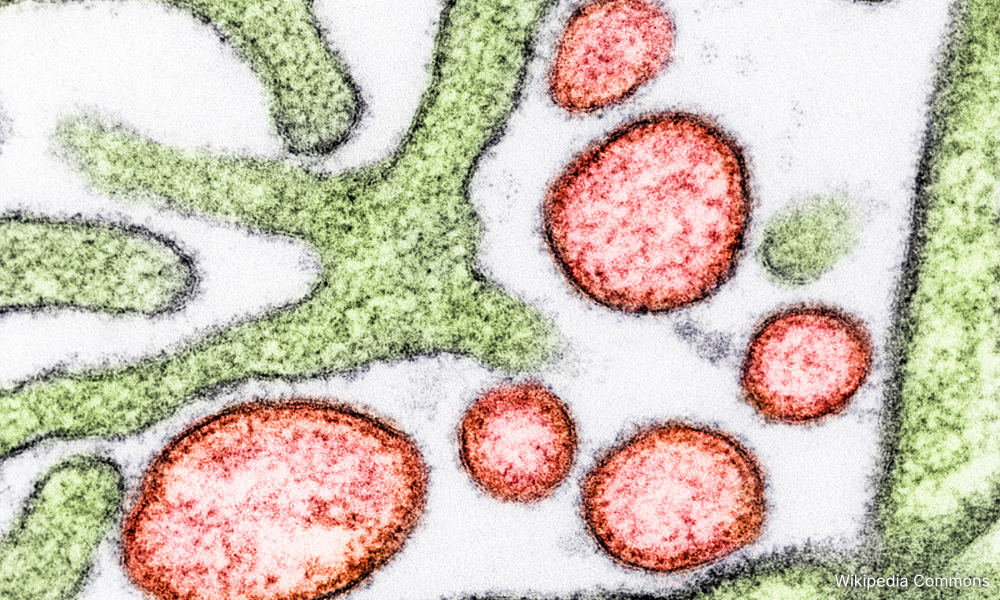
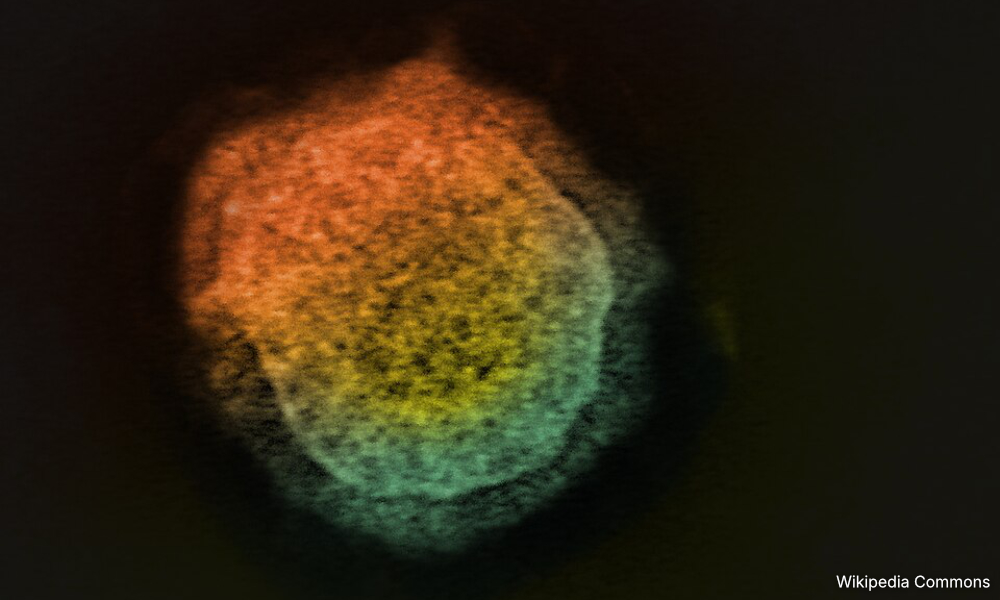
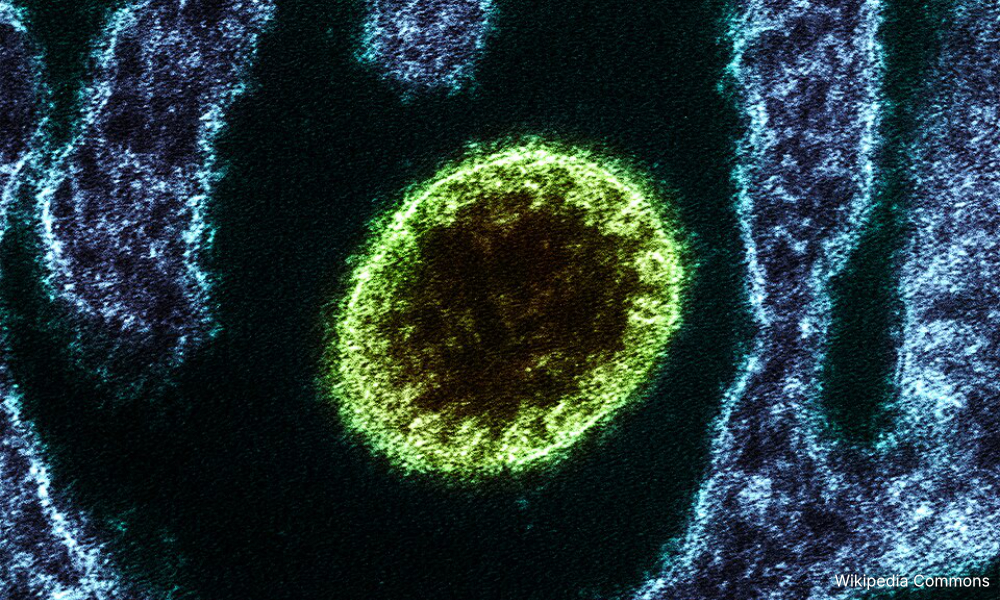
Nipah virus (Henipavirus nipahense) is a rare virus transmitted from animals to humans, with a fatality rate of 40 to 75 percent - meaning roughly half of infected people die.
The virus lives in fruit bats (flying foxes) found across coastal regions of the Indian Ocean, India, Southeast Asia, and Oceania.
It can be transmitted to humans from wild and domestic animals, but human-to-human transmissions are also possible.
There is currently no vaccine or specific treatment.
The virus takes its name from Kampung Sungai Nipah near Bukit Pelandok in Port Dickson, Negeri Sembilan, where the first case was identified in 1998.

Cases have since been reported in Singapore, Bangladesh, India, and the Philippines.
Malaysia has reported no cases since 1999, but India experiences seasonal outbreaks between December and May linked to bat activity and cultural practices.
Malaysia's first Nipah outbreak
The name “Nipah virus” may also be familiar to many Malaysians, as the disease was at the centre of another health crisis closer to home in the late 1990s.
When it first emerged during a 1998 outbreak among pig farmers, it was initially mistaken for Japanese encephalitis, a mosquito-borne disease.
Bukit Pelandok village, with 700 pig farms, was Southeast Asia's largest pig-rearing community.
Believing it was mosquito-borne, authorities launched an intensive campaign: fogging, mass vaccination of 5,000 villagers, and other measures.
None of it worked. More people died.
Between October 1998 and May 1999, local health authorities recorded more than 258 cases of encephalitis, with at least 104 deaths.
Over a million pigs were culled to control the outbreak. The rising death toll forced villagers to abandon their homes.
How does it spread?
Humans can be infected through direct contact with the bodily fluids of infected animals (bats, pigs, horses), or by consuming fruits contaminated by infected bats.
It causes severe disease in pigs and other farm animals.
In the case of the 1998 outbreak, it is now suspected that bats carrying the disease had migrated from forests into fruit orchards near the pig farms due to drought.
This created conditions for the disease to "spillover" to pigs, which then passed the disease to farmers and butchers through contact with their bodily fluids.
Human-to-human transmission also occurs, primarily in healthcare settings and among family members or caregivers in close contact with patients.
The Health Ministry said symptoms appear five to 14 days after infection and include fever, headache, vomiting, coughing, difficulty breathing, seizures, and confusion.

The virus can cause brain inflammation (encephalitis) and respiratory failure.
Without lab testing, Nipah is difficult to distinguish from other causes of encephalitis or pneumonia.
Should the public be worried?
Prominent local virologist Dr Lam Sai Kit, who discovered the Nipah virus in 1999, said the public should not panic. The virus does not spread through the air, and the current outbreak in India has been small and contained, “with no evidence of wider community spread”.

“Furthermore, modern surveillance, rapid testing and strict hospital protocols have helped prevent escalation,” he said.
However, Lam warned that the virus is not something to take lightly.
“Nipah's high fatality rate, ability to spread between humans, and lack of treatment or vaccine mean that even a few cases demand serious attention.”
How can people protect themselves?
Health authorities urged the public to practice good hygiene, avoid contact with sick animals, and avoid consuming products potentially contaminated by bats.
The Health Ministry, on Jan 28, also urged those travelling to high-risk areas to monitor their health closely.
Anyone showing Nipah-like symptoms should seek medical attention immediately.

“Any infection case must be reported to the authorities as obligated under the Prevention and Control of Infectious Diseases Act 1988,” the ministry said.
Caregivers should avoid close unprotected contact with patients and practice regular handwashing.
Lam also advises against consuming raw fruit or drinks that may have contaminated by bats, and recommends wearing masks in crowded places.
While no approved drugs or vaccines exist, early diagnosis enables early supportive care.
“High-quality supportive medical care can prevent deaths,” the WHO said.
Key interventions include:
Identifying complications such as brain swelling, pneumonia, or organ damage;
Providing oxygen therapy, ventilation, or dialysis as needed; and
Ensuring adequate hydration, nutrition, and frequent monitoring.
What are we doing now?
Malaysia has reported no cases since 1999. According to the Health Ministry, there has been no confirmed case of Nipah virus since 1999.
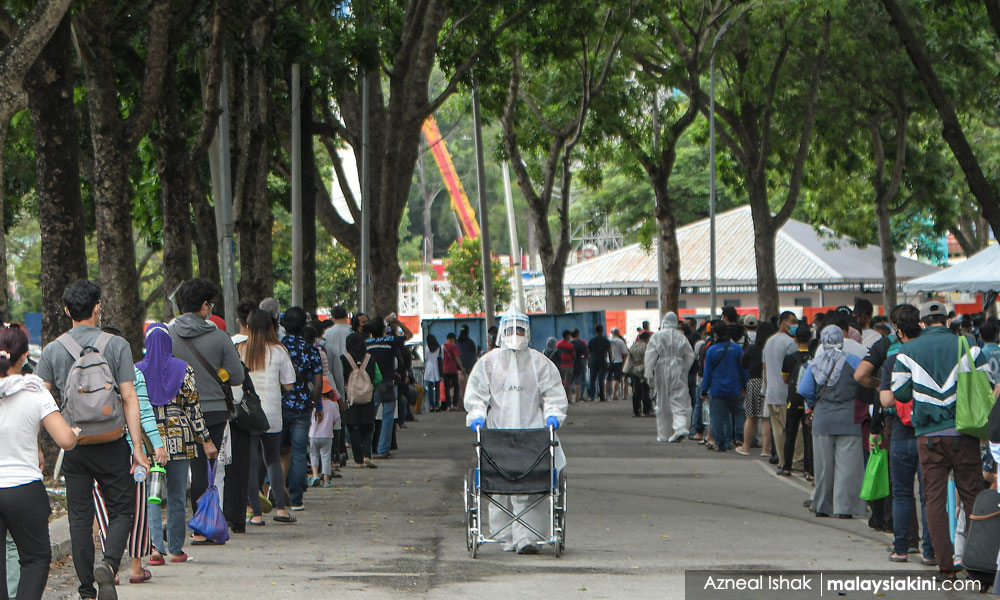
However, Health Minister Dzulkefly Ahmad said the government has heightened screening at all international airports and entry points, with temperature scanners to detect fever.

“We are focusing on travellers arriving from India and Bangladesh, as these are among the high-risk countries, and it is important that targeted screening has been initiated.
"There are no special routes for these travellers. However, if indicators, such as fever, are detected, they will be referred for further assessment.
“We remain on high alert, and screening continues to be carried out at all entry points," Bernama quoted him as saying on Jan 29.
The ministry is also monitoring the situation with the Veterinary Services Department and the Wildlife and National Parks Department. No virus has been detected in domestic or wild animals.
WHO's latest assessment rates the regional public health risk as low, though the risk of spread remains.

"There have been no reports of cross‑border transmission, and the current outbreak remains geographically limited.
"Nevertheless, the risk of disease occurrence persists due to the shared ecological corridor of fruit bats and the history of human cases previously reported in the region. India has demonstrated strong capacity and experience in managing past Nipah virus outbreaks.
"WHO assesses the public health risk posed by Nipah virus at the global level to be low, as there has been no confirmed spread of cases outside India."
For now, Malaysia's strategy is vigilance without alarm - a measured response to a virus that, while deadly, remains contained and under close watch.