
Wan Saiful 'playing victim', Afif defends Muhyiddin's exec council proposal
INTERVIEW | A Bersatu leader has defended party president Muhyiddin Yassin over proposals to restructure Perikatan Nasional, insisting the moves were aimed at preserving coalition consensus rather than sidelining any component party.
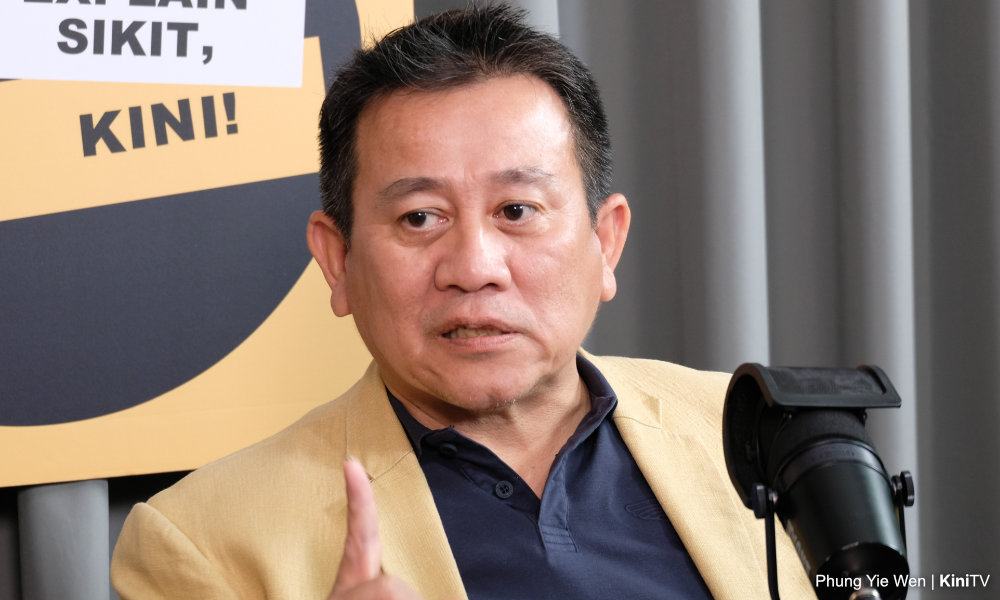
Bersatu supreme council member Dr Afif Bahardin said criticism from sacked leader Wan Saiful Wan Jan, whom he accused of “playing victim” to disrupt PN’s progress, had conflated separate issues and misrepresented the context of internal party actions.
“The context is different. The original proposal for the (PN) executive council didn’t even come from Wan Saiful. Even before that, since early last year, PAS had already been discussing it,” the Taman Medan assemblyperson told Malaysiakini.
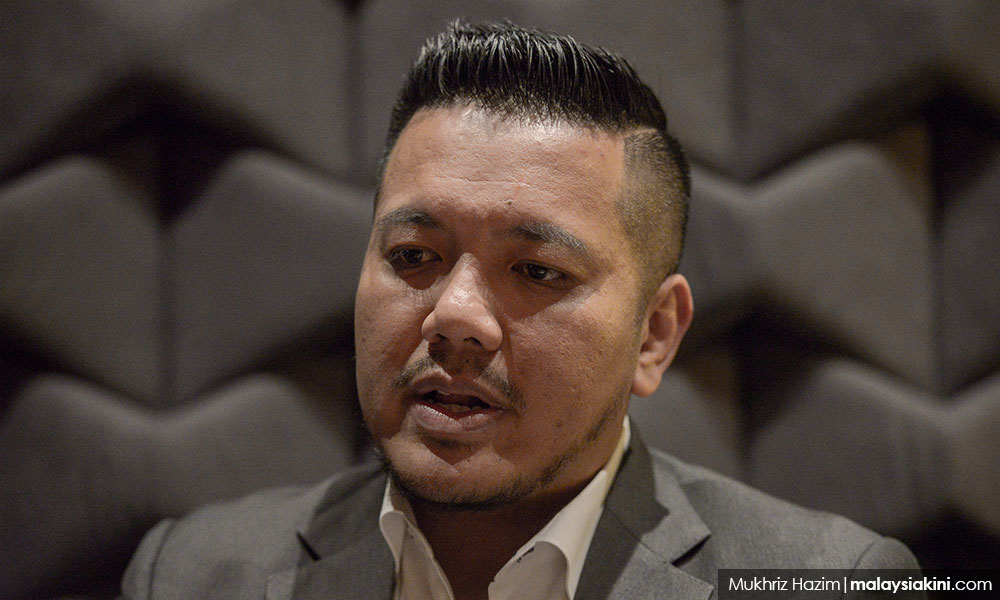
Afif (above) was responding to Wan Saiful, who yesterday questioned whether Muhyiddin had breached party discipline in pushing for a proposal to establish a PN executive council.
Wan Saiful said he had a “realisation” on the matter following the conclusion of his Bersatu appeals board hearing, based on allegations which had led to his sacking, held at the party’s headquarters on Tuesday.
Afif, however, stressed that disciplinary action against Wan Saiful was unrelated to the executive council proposal, but instead stemmed from alleged efforts to lobby other party presidents not to support Muhyiddin or to pressure him to step down as PN chairperson.
“He (Wan Saiful) had met with several other party presidents, asking them to vote not to support Muhyiddin or to ask him to step down as PN chairperson.
“And this happened before last year’s AGM. At the time, he was mobilising efforts to collect statutory declarations urging Muhyiddin to step down, which he himself admitted.
“So the context is different, it has nothing to do with what Muhyiddin proposed,” Afif said, adding that the Tasek Gelugor MP no longer had “locus standi” to speak on PN matters after being sacked from Bersatu.
Muhyiddin’s resignation discussed
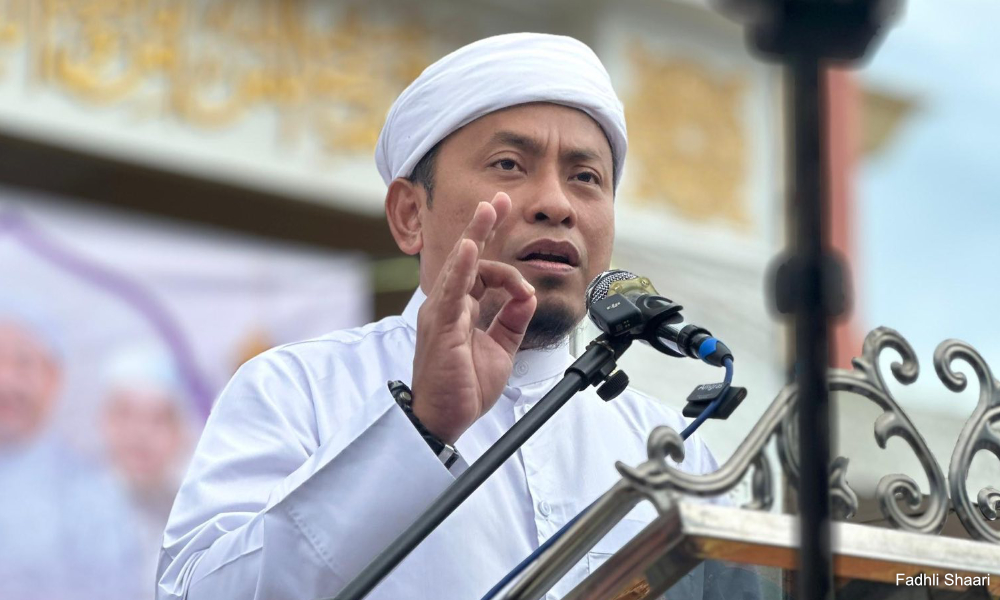
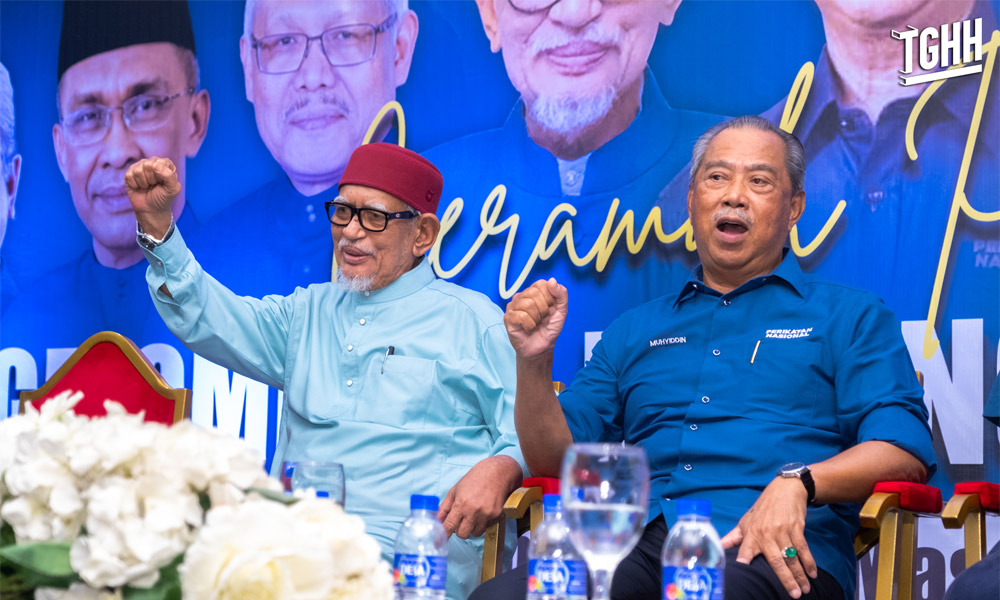
Afif further said Muhyiddin’s proposals followed a Jan 16 meeting at his home with PAS president Abdul Hadi Awang and other PAS leaders, including Tuan Ibrahim Tuan Man and Takiyuddin Hassan, held at the party’s request.
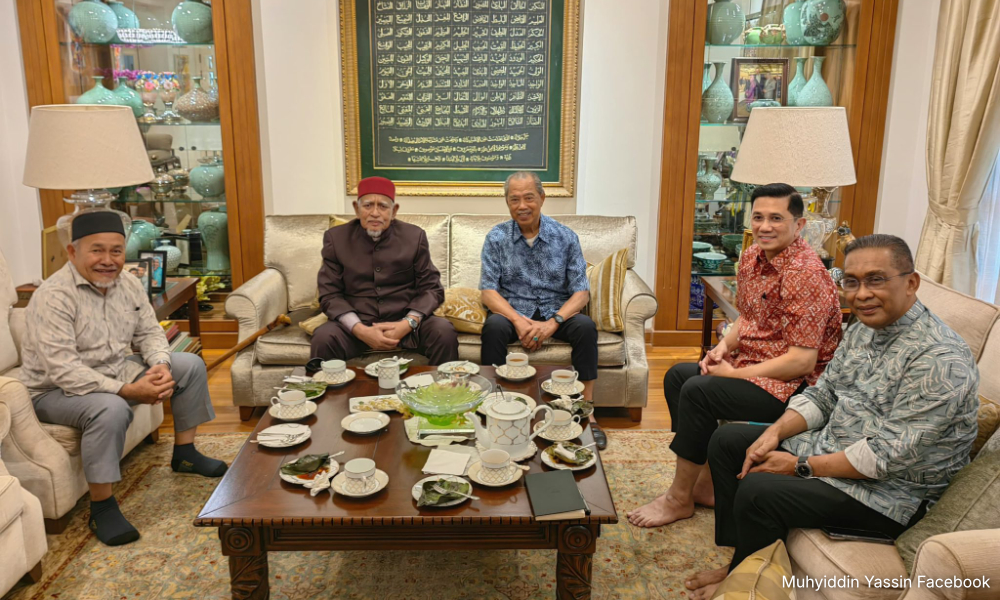
He said one of the early topics discussed was Muhyiddin’s position as PN chairperson.
“Muhyiddin, in Bersatu supreme council meetings and at all times after he stepped down as PN chair, remained firm on that decision (to resign). He even asked the supreme council to accept his resignation as PN chairperson,” Afif said.
However, he said subsequent discussions over possible successors failed to reach a consensus, prompting further talks on restructuring PN’s leadership framework.
Among the principles discussed, Afif said, was that a party president should helm PN. At the same time, he acknowledged that some component parties were uncomfortable with PAS taking the lead.
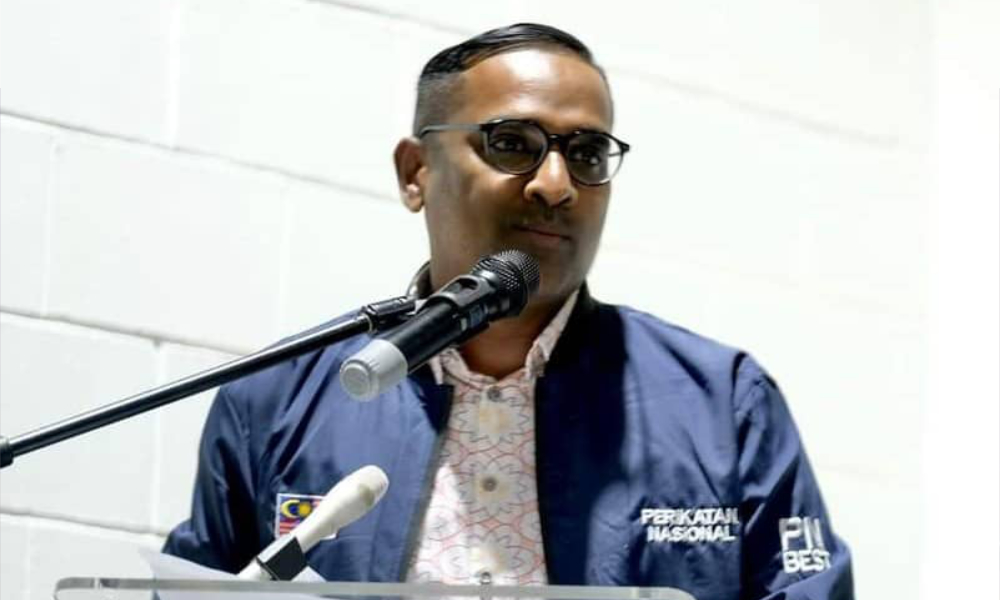
“In the current situation, within PN, there are component parties that do not agree if PAS becomes the leading party. Gerakan and Malaysian Indian People’s Party (MIPP) disagree,” he said.
Muhyiddin, Afif added, was concerned that formally tabling a PAS-backed candidate at a PN supreme council meeting without prior consensus could bring about shame to the Islamist party.
“So Muhyiddin thought further ahead and said, ‘If PAS’ proposed name is not accepted, it will be embarrassing for PAS,’” he said.
‘Pre-council’ to build consensus
Afif also addressed Takiyuddin's criticism that a “pre-council” meeting had no basis in PN’s constitution and that abolishing the chairperson’s post could trigger action from the Registrar of Societies.

“‘Pre-council’ is indeed not in the constitution, but to reach a consensus, that’s why we call it a pre-council - a meeting before the meeting,” he explained.
He described it as a platform to iron out differences before formal meetings, arguing that PN’s spirit of consensus required buy-in from all party presidents.
“This is not about PAS being bigger or Bersatu being bigger. PN’s consensus means all party presidents represent their respective blocs,” he said.
PAS leaders were absent from the pre-council meeting attended by Gerakan and MIPP.
Afif claimed that after the Jan 16 meeting, party presidents had instructed their secretaries-general to review possible constitutional amendments, but alleged that follow-up discussions did not materialise.
“So what Muhyiddin proposed was to safeguard consensus for everyone, not just for PN, but also to help PAS save face,” he said.
He also maintained that if the Jan 16 proposals had been implemented, disputes over who from PAS would lead the proposed executive council would not have arisen.