
MACC developing system to prevent govt procurement info leaks
Its chief commissioner Azam Baki said the system is expected to address the issue of information leaks in government procurement, as most of the cases investigated involve violations of procurement guidelines and procedures...
MACC is developing a system to prevent information leaks involving procurement for the use of government agencies.
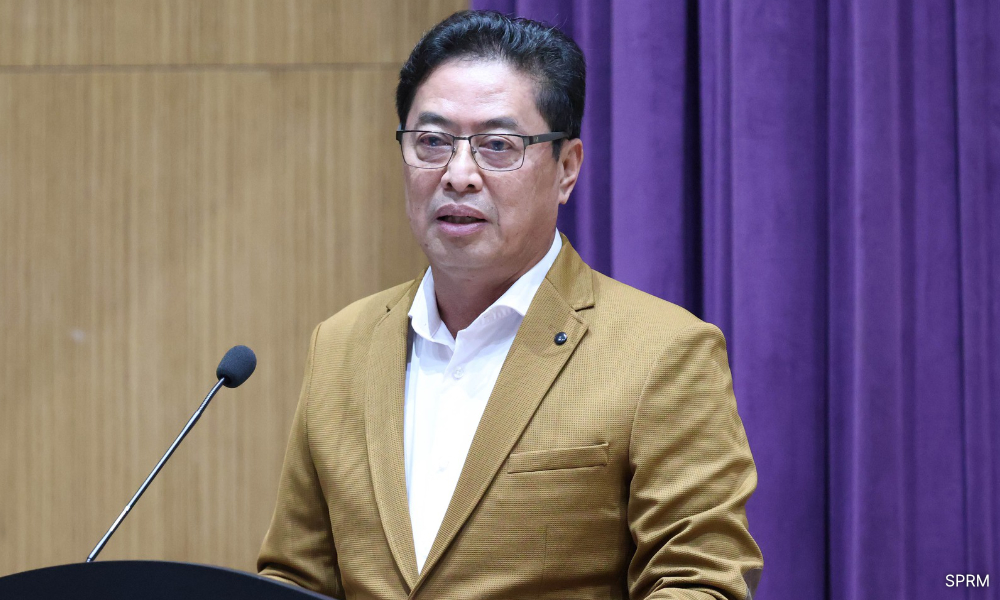
Its chief commissioner Azam Baki said the system is expected to address the issue of information leaks in government procurement, as most of the cases investigated involve violations of procurement guidelines and procedures.
“The system under development secured fourth place in a competition held in Hong Kong last year.
“This system will be provided free of charge to any government agency interested in adopting it once it has been fully developed,” he said at the signing of the Note of Cooperation between MACC and Works Ministry at the MACC headquarters in Putrajaya today.
Azam said the Note of Cooperation, led by MACC’s special operations division, represents a manifestation of the ongoing commitment between MACC and the Works Ministry to strengthen integrity, enhance governance, and combat corruption and abuse of power in a more strategic, integrated, and consistent manner.
He also said MACC remains committed to being a strategic partner to ministries and government agencies in ensuring that every national development project is implemented with full integrity, transparency, and accountability.
Measures to curb graft
Works Ministry secretary-general Azman Ibrahim said the cooperation with MACC would help the ministry curb issues related to corruption and governance, thereby preventing losses to the government, as seen in past cases.
He expressed hope that the Note of Cooperation would strengthen bilateral collaboration between the two agencies, while reinforcing the “Keep Malaysia Clean” agenda towards building a corruption-free country.
Cooperation between MACC and the ministry began in 2013 through a memorandum of understanding and was later strengthened with a Note of Cooperation in 2022.
This year’s renewal focuses on strengthening operations, corruption prevention and anti-corruption education, as well as the sharing of expertise in detecting corruption crimes, information dissemination, competency development, and joint training.
The measures also include the placement of senior ministry officers to enhance operational capacity and strengthen cross-agency expertise.
- Bernama