


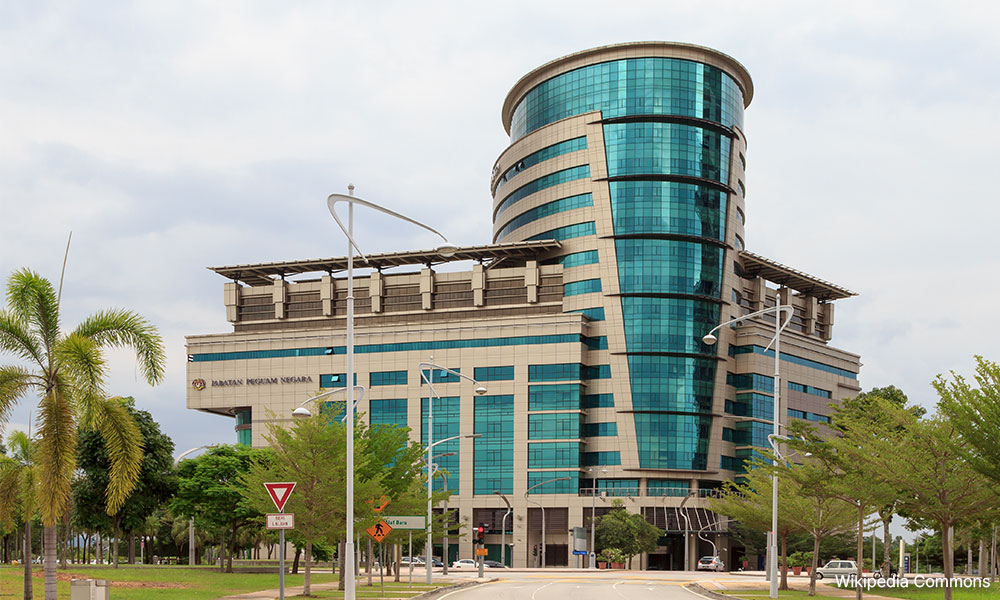

'No prospect for conviction,' says AGC in not appealing Rosmah's acquittal
The Attorney-General’s Chambers decided not to appeal against Rosmah Mansor’s acquittal of 12 money laundering charges and five charges of failing to declare her income to the Inland Revenue Board (IRB), as there is no prospect of conviction if the appeal were continued.
“Among the factors we considered was that the prosecution would not be able to prove the case beyond a reasonable doubt as required when dealing with criminal charges.
The Attorney-General’s Chambers decided not to appeal against Rosmah Mansor’s acquittal of 12 money laundering charges and five charges of failing to declare her income to the Inland Revenue Board (IRB), as there is no prospect of conviction if the appeal were continued.
“Among the factors we considered was that the prosecution would not be able to prove the case beyond a reasonable doubt as required when dealing with criminal charges.
“This is because some of the witnesses needed to secure a conviction had passed away, and others have gone untraceable,” the AGC said in a statement.
Yesterday, a notice sighted by Malaysiakini showed that the AGC has dropped its appeal against a High Court decision last year that acquitted Rosmah of 12 money laundering charges involving RM7 million and five charges of failing to declare her income to IRB.
The notice, dated Nov 9, meant the appeal is therefore void, as provided under Rule 73 of the Rules of Court of Appeal 1994.
Defence team delighted
When contacted, Rosmah’s lawyer Firoz Hussein Ahmad Jamaluddin told Malaysiakini that the wife of former prime minister Najib Abdul Razak and her defence team were delighted over the development.
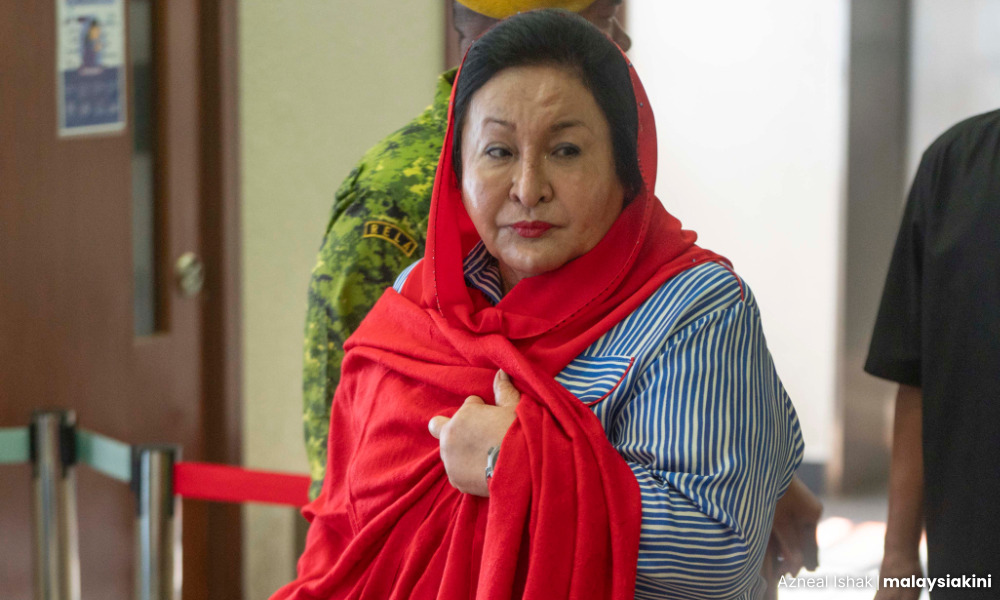
Rosmah was previously charged with the offences in 2018. She applied to strike out the charges in 2023.
Judge K Muniandy, who has been elevated to the Court of Appeal, acquitted Rosmah in December last year, after finding that the charges did not disclose key elements of the money laundering offence.
The AGC stressed that current developments would not affect other ongoing proceedings against Rosmah, citing the RM1.25 billion solar hybrid energy project case.
The agency pointed out that Rosmah has been convicted and sentenced to 10 years’ jail and RM970 million fine by the Kuala Lumpur High Court for the case on Sept 1, 2022, but the matter has been referred to the Court of Appeal.
“The AGC is committed to our responsibilities in conducting prosecution fairly, transparently, and with integrity.
“And we make decisions based on evidence on hand to ensure justice and public interest are protected,” the AGC added.


“No prospect of conviction” is not justice—it’s surrender! If witnesses died or vanished, that reflects state failure in case management, not fate. Let the court test the evidence; stop pre‑judging outcomes from the comfort of your press room. Judges judge—your job is to deliver cases, not write eulogies for evidence. After years and millions spent, if the AGC can’t build a winnable case, then say who failed. We need names, timelines, and accountability—not excuses. Public resources were poured into this prosecution. “No prospect” demands specifics: costs, decision memos, responsible officers, and a remedial plan. Accountability is not optional. AGC, remember—you are spending taxpayers’ money, not your grandfathers’. Auditor General, please take note of this incompetence.
It's a laughing stock if the reply is such that, in order not to add displeasure, we say Malaysia Bolih