
Sosma: PSSC moots curbing 28-day detention, restoring bail discretion
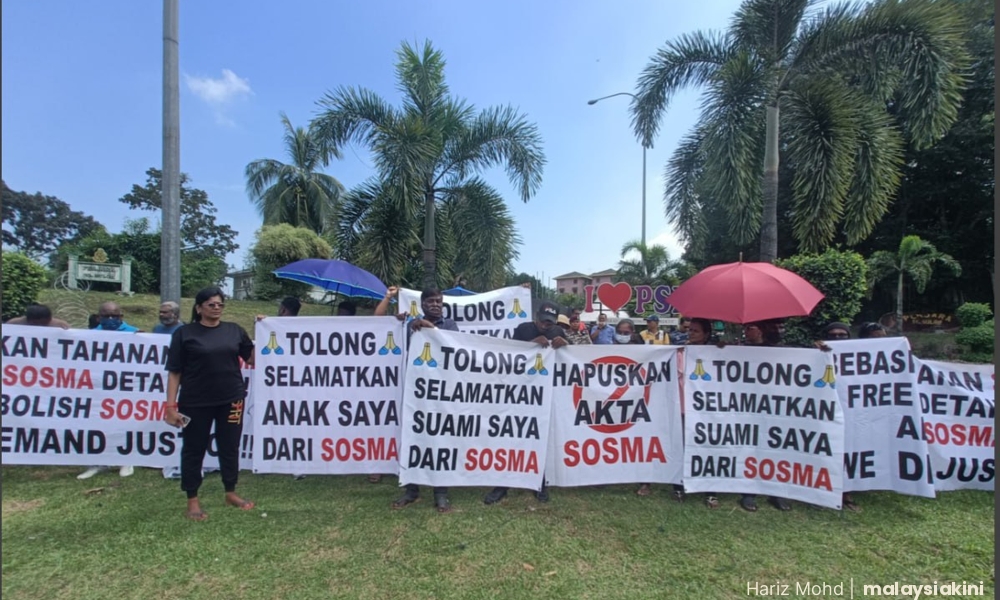
PARLIAMENT | A parliamentary special select committee has recommended several amendments to the contentious Security Offences (Special Measures) Act 2012 (Sosma), following a series of meetings with relevant quarters.
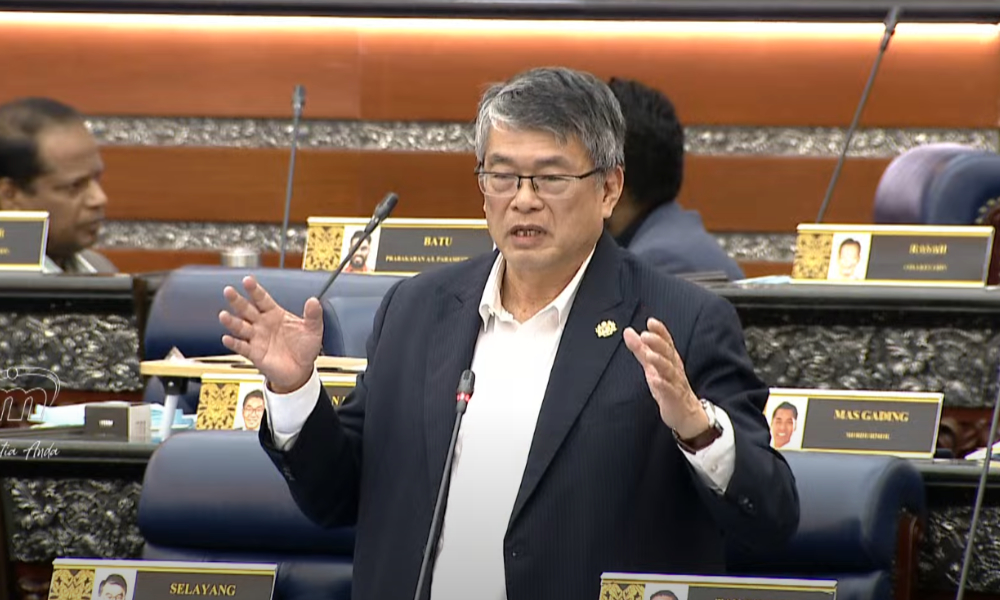
PKR MP William Leong (Harapan-Selayang), as the chairperson for the Parliamentary Select Committee on Human Rights, Election, and Institutional Reform, said the eight strategic proposals put forth by the committee in a report are aimed at improving the implementation of the Act.
PARLIAMENT | A parliamentary special select committee (PSSC) has recommended several amendments to the contentious Security Offences (Special Measures) Act 2012 (Sosma), following a series of meetings with relevant quarters.
PKR MP William Leong (Harapan-Selayang), as the chairperson for the PSSC on Human Rights, Election, and Institutional Reform, said the eight strategic proposals put forth by the committee in a report are aimed at improving the implementation of the Act.
In particular, the committee recommended that the government refine Section 13 of Sosma, which restricts bail application rights, as it “contradicts the principles of freedom and human rights.”
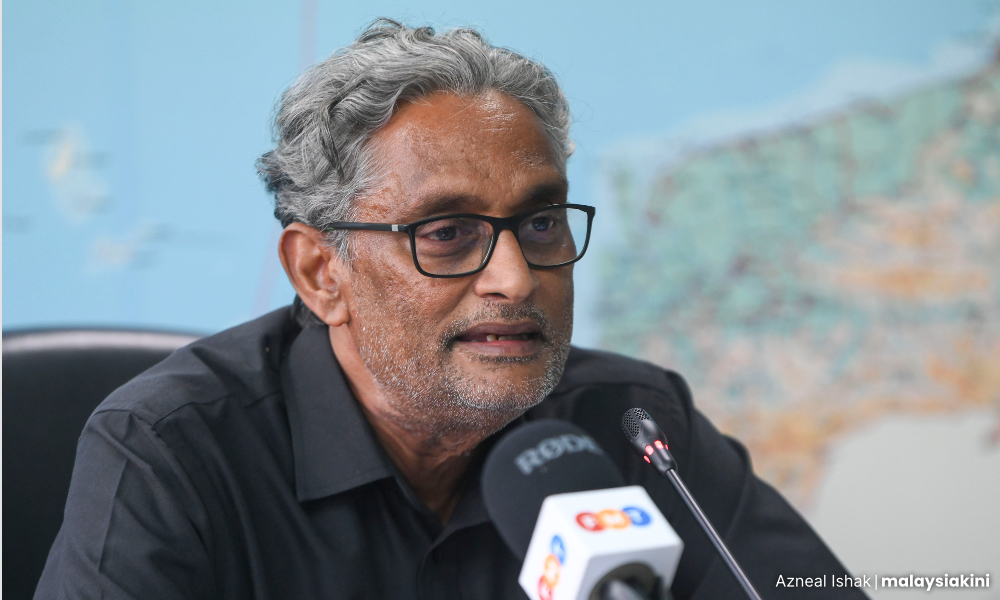
“Any amendment (to Section 13), however, must be implemented carefully so as not to affect the nation's ability to maintain security and public order,” Leong (above) told the Dewan Rakyat today during a briefing on the committee’s report.
The committee also urged the government to review Section 4(5) on the 28-day pre-charge detention without judicial oversight.
“The committee recommends that the government restore the court's discretionary power in the aspects of remand, bail, and trial to ensure a balance between the interest of national security and the rights of individuals,” Leong said.
Ensuring detainees’ welfare
Besides backing the court’s determination in the use of electronic monitoring devices, the committee also said the Home Ministry should ensure the welfare of detainees, including the right to sufficient food and appropriate medical treatment aligned with human rights standards.
The committee further recommended that the government refine the definition of “security offences, terrorism offences, and organised crime”.
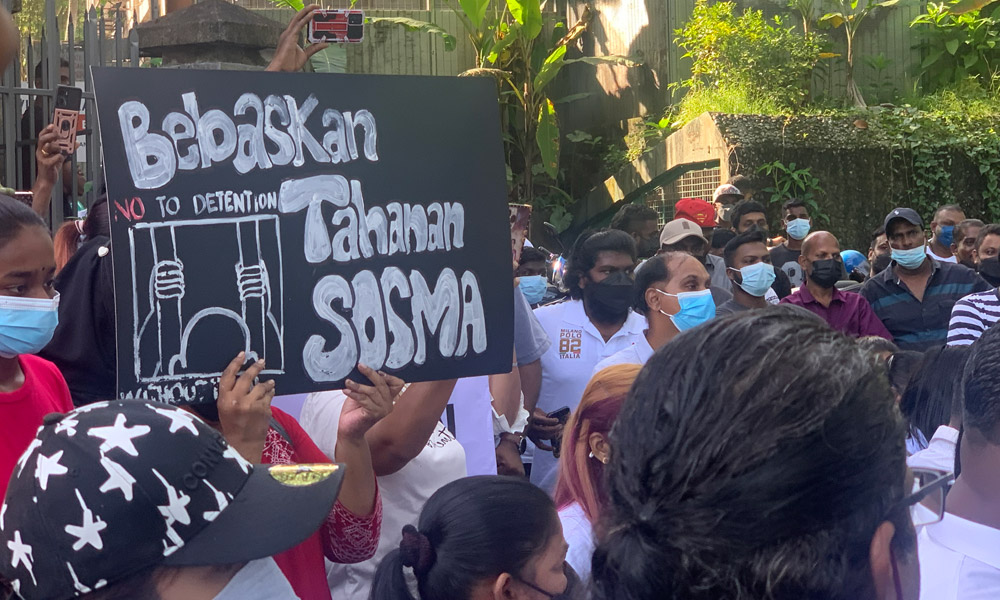
The Home Ministry, Leong said, should also set a shorter timeline for the implementation of amendments to Sosma to ensure that legal reforms can be executed transparently and in phases.
He added that the Women, Family and Community Development Ministry, alongside other related agencies, should provide psychological support services as detention under Sosma has a direct impact on the overall well-being and welfare of families.
The committee’s report, tabled in the lower House on Nov 20, was completed after the parliamentary group held engagement sessions with representatives from Suara Rakyat Malaysia (Suaram), Suhakam, and the Home Ministry.
Issues of justice, transparency
Leong noted that while Sosma was enacted to address offences related to national security, organised crime, and serious threats involving public interest and national sovereignty, its implementation has raised questions from various parties.
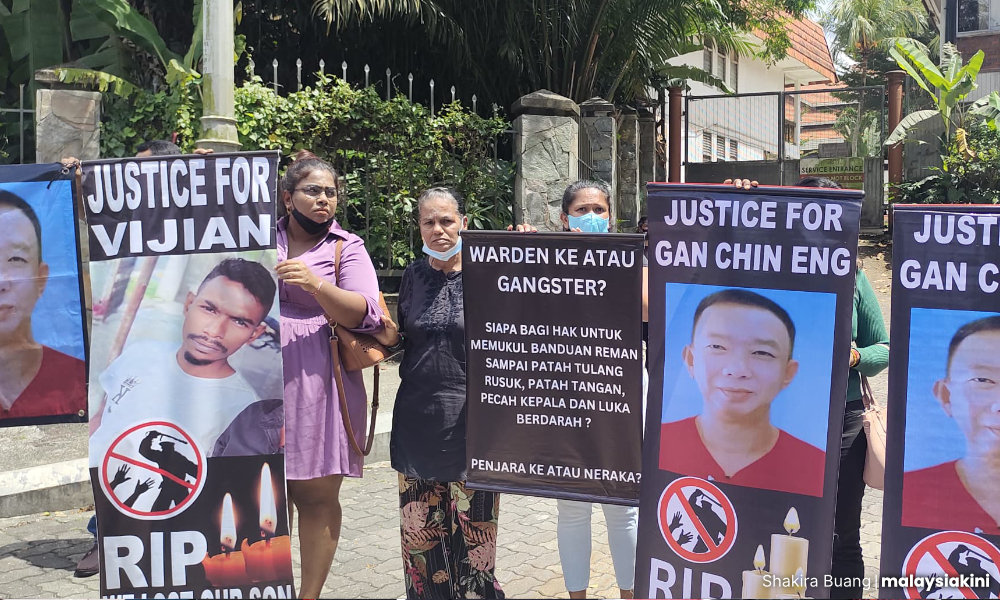
Such concerns, he said, cover issues related to justice, transparency, and the protection of human rights, including the issue of detention up to 28 days without judicial review, prohibition of bail, and limited access to legal counsel.
“The reality of the Act’s implementation shows that its impact is not only focused on detained individuals, but also encompasses broader dimensions, such as the psychological stress on families, social instability, the risk of abuse of power, and perceptions on the integrity of the judicial system.
“This phenomenon illustrates how legal provisions enacted for security purposes, if not tightly controlled, have the potential to carry far greater implications for society, national institutions, and the principles of justice,” Leong said.
As such, he said the challenges addressed in the committee’s report are not only related to the mechanisms of detention and investigation, but also involve structural issues, including the effectiveness of judicial reviews, the right to legal counsel, and the socioeconomic impact on families.
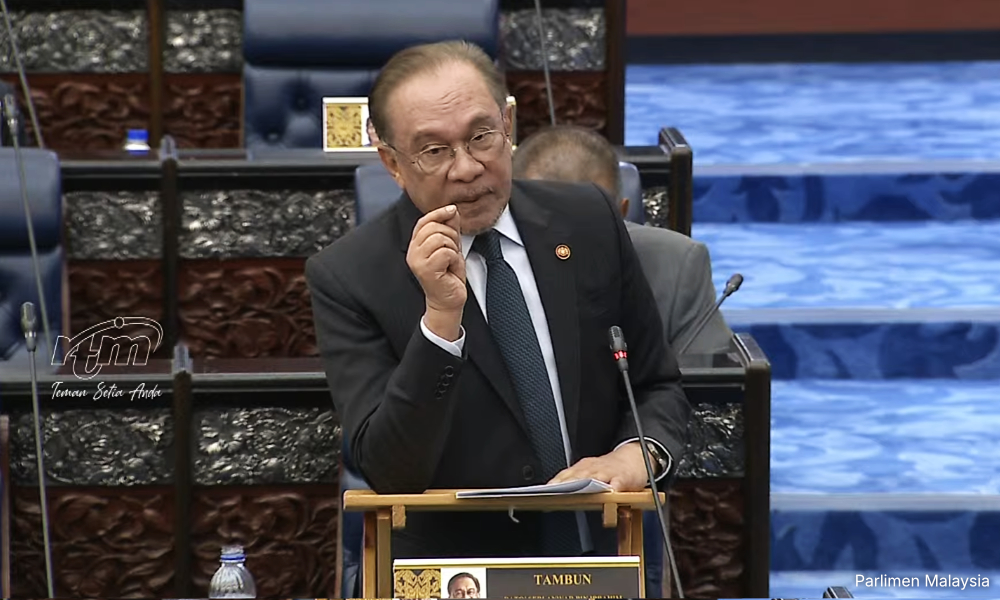
On Feb 14, Prime Minister Anwar Ibrahim ordered the Home Ministry to review Sosma after the cabinet agreed in principle that the law requires some improvements.
Home Minister Saifuddin Nasution Ismail later said Putrajaya will review the list of non-bailable offences and those where bail may be granted at the court's discretion under Sosma.
Responsibility to repeal law
In a speech following Leong’s briefing session, PKR veteran Hassan Abdul Karim (Harapan-Pasir Gudang) stressed that the government has a responsibility to repeal Sosma as Harapan had previously vowed to do so as part of the coalition’s election manifesto.
“If we do not repeal (Sosma), we will have failed to implement proper reforms,” Hassan said, asserting that other legal provisions are able to sufficiently address the offences outlined under Sosma.
Pointing to the Penal Code and the Prevention of Terrorism Act 2015, the backbencher argued that there is no need for Sosma’s continued existence.
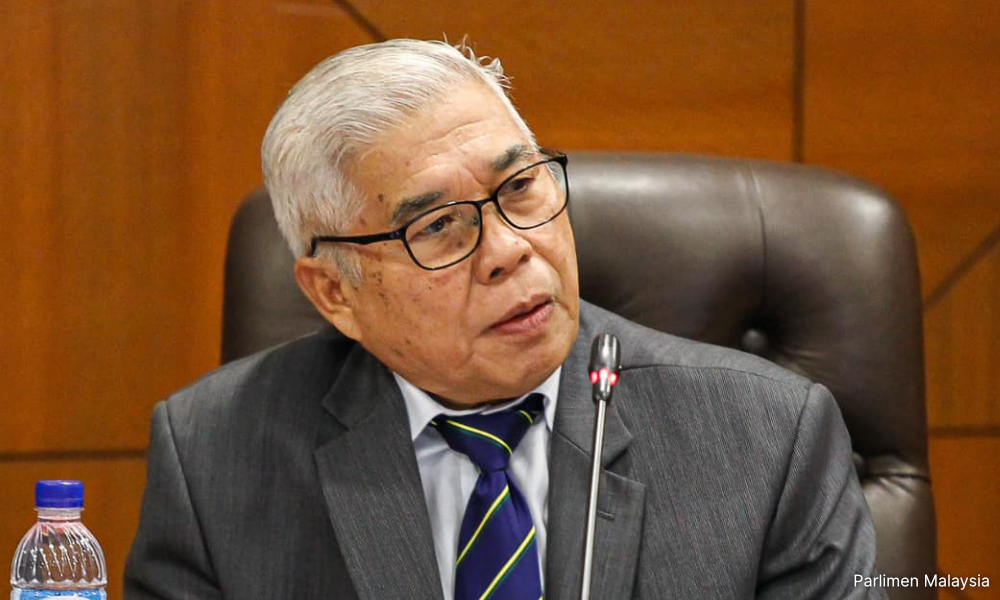
Citing the potential for Sosma to be misused, the Malaysian Bar had previously advocated for the Act to be repealed in its entirety, with its president, Ezri Abdul Wahab, highlighting that a “mere review of piecemeal amendments” to the Act will be insufficient to address “flaws” of the law.
“Sosma creates an environment ripe for misuse of power, where individuals are detained without proper judicial supervision, denied the right to bail and subjected to a process that undermines their right to a fair trial.
“The very existence of such a law threatens the integrity of our legal system and the rule of law,” he said in a statement on Feb 20.