


/file/publisher-c1a3f893382d2b2f8a9aa22a654d9c97/2024/08/b5ca8b8eb1fb80f95b66832557314b48.jpg)

KL mayor’s sudden exit reignites calls for DBKL reform
A sudden end to Kuala Lumpur mayor Maimunah Sharif’s tenure has renewed calls for reforms to the city’s governance, with Setiawangsa MP Nik Nazmi Nik Ahmad urging Putrajaya to explain the move and revive plans for greater public participation.
In a statement, Nik Nazmi questioned why Maimunah’s term - originally set to run until August 2026 - was cut short, even as he wished her well in her new role at Petronas.
A sudden end to Kuala Lumpur mayor Maimunah Sharif’s tenure has renewed calls for reforms to the city’s governance, with Setiawangsa MP Nik Nazmi Nik Ahmad urging Putrajaya to explain the move and revive plans for greater public participation.
In a statement, Nik Nazmi questioned why Maimunah’s term - originally set to run until August 2026 - was cut short, even as he wished her well in her new role at Petronas.
“The tenures of mayors should not be prematurely terminated without good reason.
“The federal government must clarify why disrupting Kuala Lumpur’s governance like this was necessary,” he said.
Maimunah (above) was appointed as the Kuala Lumpur mayor on Aug 15, 2024, replacing Kamarulzaman Salleh, who was on compulsory retirement.
Now 64, the urban planning professional had previously served as the executive director of the UN-Habitat based in Nairobi, Kenya, for six years and was the first Asian woman to hold that position.
Local council polls
Nik Nazmi said the development further underscored the need to overhaul how Kuala Lumpur is run, noting that city residents have no say in its administration, which is led by a sole mayor appointed by the federal government.
He recalled that in August 2025, the bipartisan Public Accounts Committee proposed appointing council members to Kuala Lumpur City Hall (DBKL), mirroring practices in state-level local governments.
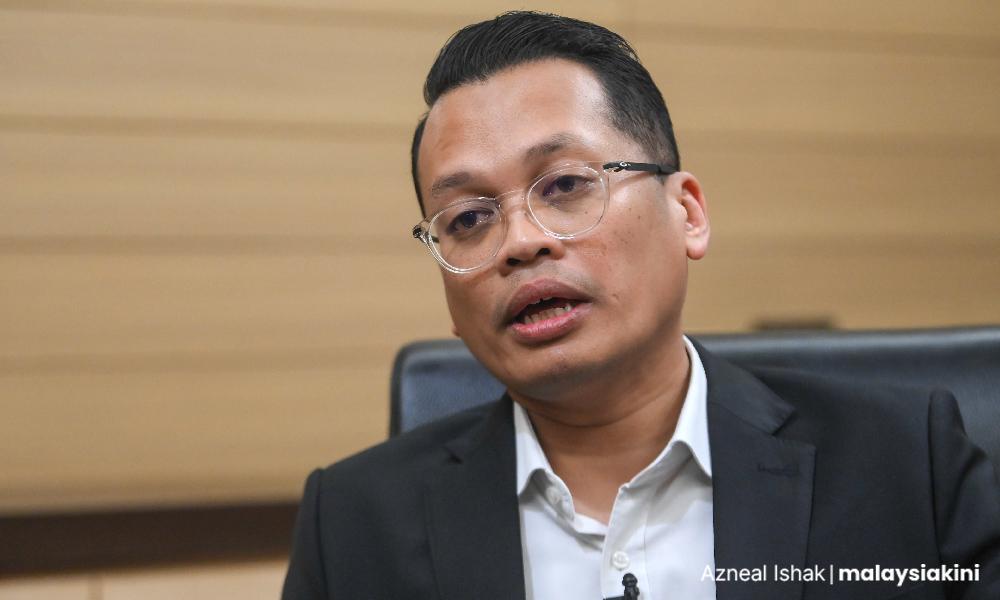
“At the time, several Kuala Lumpur MPs and I urged that the local council election be revived in the capital city. I still feel, like I did then, that this will be the best way forward to ensure accountability and better performance,” he said, adding that Kuala Lumpur has now reached developed-city status.
He also reminded Pakatan Harapan’s 2022 general election manifesto, which pledged to enhance democratic participation at the local level in the capital.
The PKR lawmaker dismissed arguments that a local council election would inflame racial tensions, calling such claims “fearmongering”.
“In fact, many do not realise that the biggest ethnicity in Kuala Lumpur is bumiputera, consisting of almost half of the city’s population,” he said.
“There really is no good excuse to delay this any longer.”
/file/publisher-c1a3f893382d2b2f8a9aa22a654d9c97/2024/08/7f87b09d76760e7de87ac30055841927.jpg)
/file/publisher-c1a3f893382d2b2f8a9aa22a654d9c97/2023/12/f272d5903f9eeee2575d9d16f2b916cd.jpg)
/file/publisher-c1a3f893382d2b2f8a9aa22a654d9c97/2025/09/7be7f0d2b061b448bfc082e49b287482.jpg)
/file/publisher-c1a3f893382d2b2f8a9aa22a654d9c97/2024/08/6c76a3c2f9f785abbfb49a2144df9487.jpg)
/file/1025/d5ee8004388f602f9c2f985ba04fa952.jpg)


