
KINIGUIDE | Revisiting Koh and Amri's enforced disappearances
KINIGUIDE | On Nov 5, the Kuala Lumpur High Court handed down damning verdicts on two separate cases of enforced disappearance.
The families of both victims, Raymond Koh and Amri Che Mat, hailed the judgments as a significant vindication for those who have been silenced and wronged by the government’s abuse of power.
This KiniGuide will explore the background behind Koh and Amri’s disappearances and their families’ long road to seek justice.
What is enforced disappearance?
In 2019, a Suhakam inquiry concluded that Koh and Amri were both victims of “enforced disappearance”, as outlined by the International Convention for the Protection of All Persons from Enforced Disappearance (ICPPED).
Article 2 of the ICPPED defines enforced disappearances as the arrest, detention, abduction or any other form of deprivation of liberty by agents of the state or by persons acting with authorisation, support, or acquiescence of the state.
The convention was adopted by the UN General Assembly in 2006, but Malaysia is not a signatory to the treaty.
Who are Raymond Koh and Amri Che Mat?
Koh, an evangelical pastor, disappeared on Feb 13, 2017, in broad daylight. CCTV footage of the incident shows him being abducted by a group of 15 men at Jalan SS4B/10 in Petaling Jaya.
Several parties have linked the pastor’s disappearance to alleged attempts to convert Muslims to Christianity.
Amri, an alleged follower and proselytiser of Shia Islam, was last seen around midnight on Nov 24, 2016, along Jalan Padang Behor in Kangar, Perlis. Eyewitness accounts report Amri being abducted into a vehicle, which then drove off and disappeared.
State religious authorities had previously kept tabs on Amri before his disappearance, suspicious of his charity-driven NGO, Perlis Hope, being used as a front to spread teachings of the Shia sect, which is banned in Malaysia.
How did the government respond?
In the aftermath of Koh and Amri's disappearances, police launched investigations and pursued leads, including allegations that Koh's kidnappers were linked to smugglers in Thailand.
However, none of the leads led to Koh and Amri being found.
The matter was also discussed in cabinet by the government at the time, with then minister in the Prime Minister's Department Joseph Kurup paying a visit to the Koh family to assure them that the case was a priority.
Eventually, the victims’ families and supporters sought justice through further investigations. In October 2017 and January 2018, respectively, Suhakam launched inquiries into both disappearances.
Suhakam’s findings that held the government and police liable then led the Home Ministry to set up a special task force to investigate the matter itself.
Following the inquiries’ findings, both Koh and Amri’s wives later filed civil suits against the government and the police, demanding accountability for their husbands’ whereabouts.
Why did the court think the government was responsible?
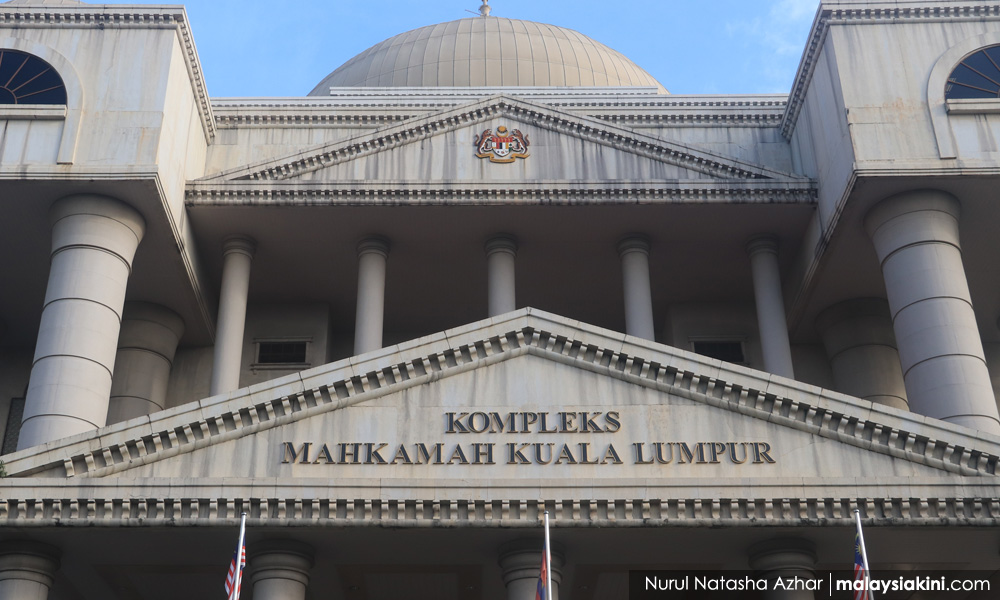
On Nov 5, the Kuala Lumpur High Court delivered its landmark rulings - declaring the government liable in both abductions, and urged investigations to be reopened.
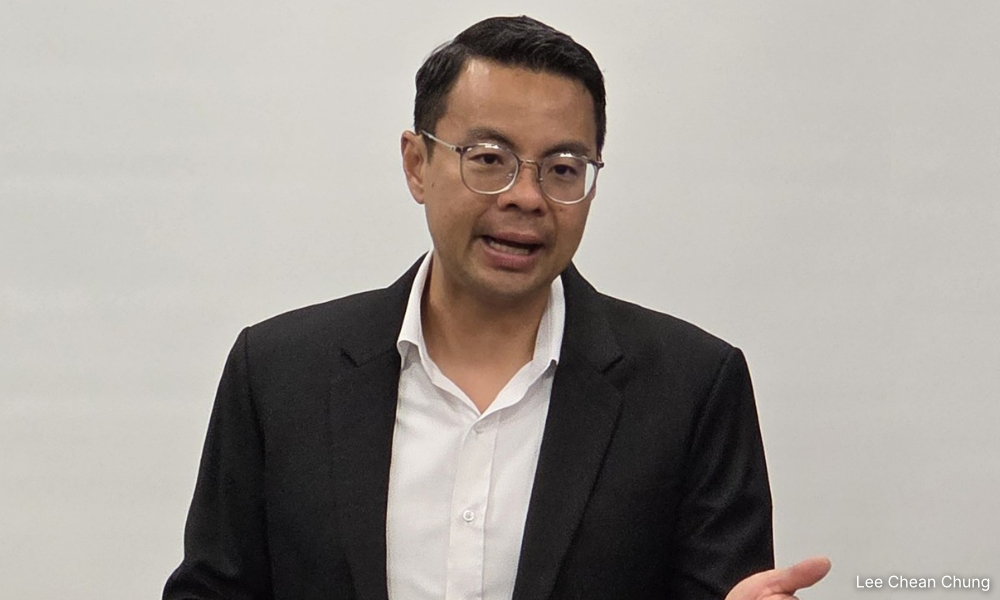
In his verdict, judge Su Tiang Joo found that the primary act of Koh’s abduction pointed to the state’s participation, and that the circumstances surrounding the abduction, alongside the concealment of information, had supported the plaintiff’s case.
In Amri’s case, Su described that the defendants had failed to provide compelling evidence in arguing Amri’s disappearance as simply a “missing persons case”.
He further highlighted how authorities neglected to comply with existing investigation guidelines by severely delaying taking statements and incompetently handling DNA evidence.
Stressing that police officers are endowed with coercive powers, Su also reminded the public that such abuses of power should be rightfully remedied.
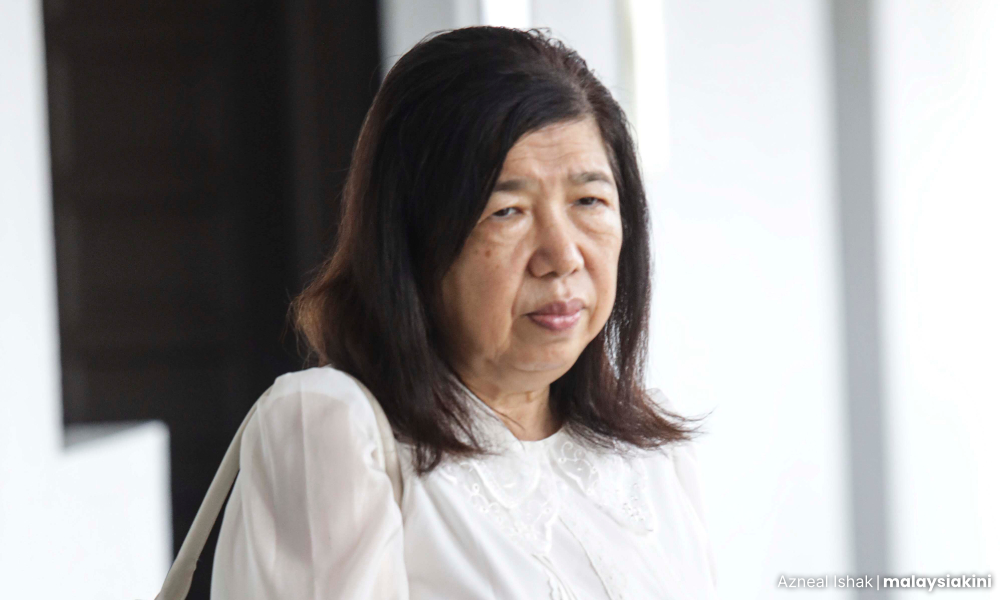
He awarded RM3 million in damages to Amri’s wife, Norhayati Ariffin, and RM6 million in damages to Koh’s wife, Susanna Liew - in addition to an RM10,000 payment to be calculated from the day the pastor went missing until he is found.
Why did Suhakam think the government was responsible?
Last week’s court judgments echoed similar findings from the 2019 Suhakam inquiries, highlighting the government’s liability and police negligence in these enforced disappearances.
The panel also highlighted similarities in both cases where Koh and Amri had been monitored by religious authorities and state actors, prior to their disappearances.
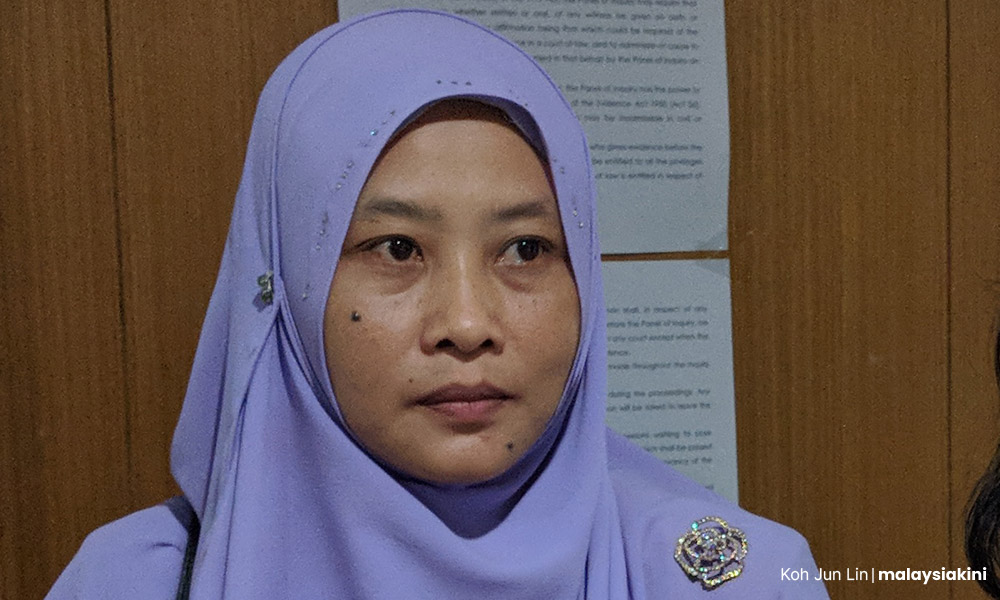
In May 2018, Norhayati also testified during the inquiry that a former Bukit Aman special branch officer had revealed to her how his colleagues had admitted abducting both her husband and Koh.
Although the officer later denied his claims, various highlights from the inquiries have alleged police involvement in the disappearances.

Suhakam concluded that the police had made “concerted efforts” to obscure their links to a former SB contract worker, Saiful Bahari, a key witness in the case who had persistently declined to testify before the panel. The panel also found Saiful’s gold-coloured Toyota Vios linked to both abductions.
In October 2018, police issued an arrest warrant against Saiful. However, as of today, his whereabouts remain unknown.
Following its findings, Suhakam urged the government to establish an independent special task force and the Independent Police Complaints and Misconduct Committee (IPCMC) to be set up as an oversight body. It also called for a royal commission of inquiry, which has yet to be established.
On April 3, 2019, Umno president Ahmad Zahid Hamidi immediately responded to Suhakam’s verdict by denying his involvement in the abductions, which had taken place throughout his tenure as home minister from 2013 to 2018.
What did the Special Task Force conclude?
The task force was later established by the Home Ministry in June 2019, led by former High Court judge Abdul Rahim Uda, to reinvestigate the disappearances.
The special task force submitted its findings to the Home Ministry in 2020, where it has been kept under wraps through the Official Secrets Act.
The High Court later allowed Norhayati limited access to the report, which was classified under the Official Secrets Act 1972, to bolster her lawsuit.
In September 2024, excerpts from the task force read out during the court case stated that Amri and Koh had been abducted by rogue police officers who acted on their own orders, naming Saiful as a main suspect.
It also acknowledged that police had been negligent in failing to track down and produce Saiful’s whereabouts, and negligent by initially classifying Amri’s disappearance as a mere missing persons case, instead of an abduction.
The report recommended that both Koh and Amri’s cases be further investigated with the assistance of independent bodies.
Significance of last week’s KL High Court rulings
In addition to seeking long-awaited justice for the victims’ families, the Nov 5 rulings also reflected an urgent demand for more government accountability.
However, on Nov 6, Attorney-General Dusuki Mokhtar described the KL High Court’s rulings as an “error in judgment” and announced that he would appeal. He also said he would seek a stay of the order requiring the government to pay Koh’s family RM10,000 per day for every day the pastor remains missing.
Several parties have since criticised the AG’s move, urging the government to drop its appeal.
On Nov 10, Home Minister Saifuddin Nasution Ismail responded by stating that the AGC’s decisions were beyond his ministry’s jurisdiction.
However, he reassured that the police will comply with the court’s demands to reopen investigations into Koh and Amri’s disappearances.
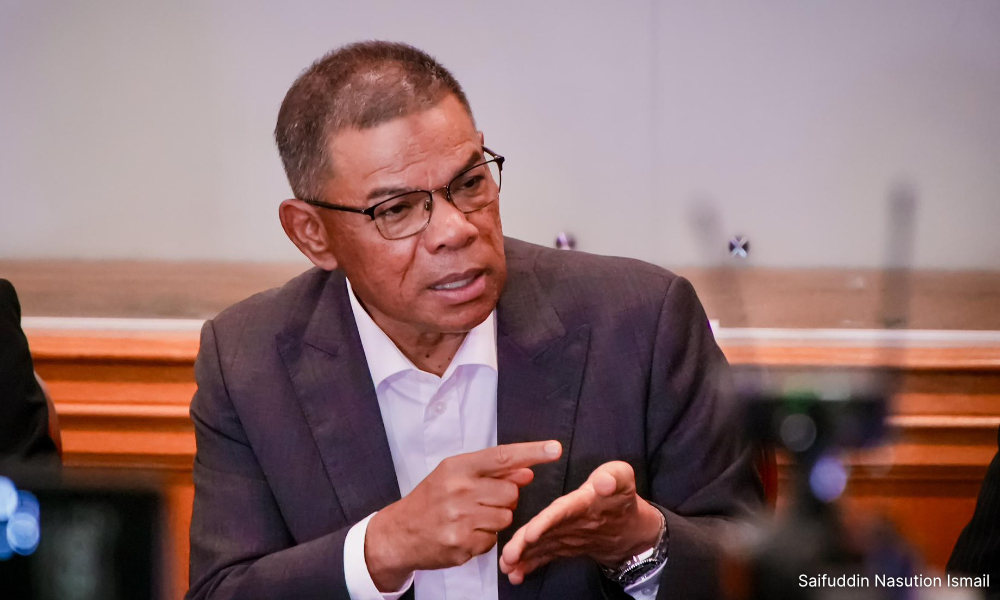
Further, he also acknowledged the findings from the 2019 Suhakam inquiry, which confirmed elements of forced disappearance in Koh’s abduction, followed by the special task force, which developed similar conclusions
Saifuddin noted how he had inherited the legacy of the case from previous home ministers, but highlighted that it should not be an excuse for the government not to act accordingly.
Separately, several parties have warned that the AG’s appeal could undermine public trust and further disregard the police’s blatant negligence and the government’s human rights violations in these enforced disappearances.
Koh’s wife had also expressed strong objections to the appeal, highlighting how thorough investigations from various sources had all led to similar conclusions.
She further reiterated calls for the government to act on the recommendations of the Suhakam inquiries and Special Task Force report, which were now backed by the Nov 5 court orders.
Similar disappearances
In 2020, Suhakam had also conducted an inquiry into the disappearance of Joshua Hilmy and his wife, Ruth Sitepu. The couple allegedly disappeared on Nov 30, 2016, although they were only reported missing on March 6, 2017.

Although the panel later concluded in 2022 that state agents were not liable for their disappearances, it nevertheless highlighted police negligence in the equal protections legally granted to each citizen under the law, regardless of faith.
Suhakam further recommended that the police review and reform their standard operating procedure in the abduction and involuntary disappearance of a person, and reiterated its calls to establish an IPCMC.
Initially, suspicions were aroused over state involvement in these disappearances, due to the couple’s proselytisation of the Christian faith.
They had also allegedly received threatening phone calls before their disappearance.
Joshua, a Malaysian citizen, was born Muslim and is identified as such according to his MyKad, but eventually converted to Christianity in Singapore in 2003.
His wife, Ruth, is an Indonesian citizen from a Christian family. Prior, Joshua had reportedly been sought by Islamic religious authorities over the status of his religion.
In 2025, several parties have also alleged the disappearance of Pamela Ling on April 9 as a potential case of enforced disappearance.

Local NGO Citizens Against Enforced Displacement (Caged) had previously drawn parallels between Koh, Amri and Ling - describing that Ling had also been abducted via a similar modus operandi, with apparent professionalism.
Ling was abducted by two men claiming to be police officers while on her way to meet MACC investigators in Putrajaya, where she was supposed to facilitate a money laundering investigation.
Similar to all the other disappearances addressed in this story, Ling’s whereabouts, until today, also remain unknown.