
'If Muhyiddin stays, PN will split': Wan Saiful, Wan Fayhsal say
Once regarded as PN’s linchpin, the tide appears to be turning as Bersatu grapples with internal fractures - resulting in its influence within the opposition coalition to come under scrutiny.
While Tasek Gelugor MP Wan Saiful Wan Jan, who was recently sacked from Bersatu, affirmed that it would not be in PAS’ interest to see Bersatu weakened, he admitted that the current dynamics leave little doubt that the...
Summary
Two MPs warn that Bersatu and Perikatan Nasional’s strength will weaken further under Muhyiddin Yassin’s leadership.
With that, Wan Saiful and Wan Fayhsal say Bersatu deputy president Hamzah Zainudin is more suited to take over party leadership.
Wan Fayhsal also admits that much of Bersatu’s problems now are self-inflicted.
Bersatu’s push to rebuild its relevance has taken another twist, with two of its MPs conceding that PAS now holds the upper hand in Perikatan Nasional and that Hamzah Zainudin would be better placed to lead the coalition.
Once regarded as PN’s linchpin, the tide appears to be turning as Bersatu grapples with internal fractures - resulting in its influence within the opposition coalition to come under scrutiny.
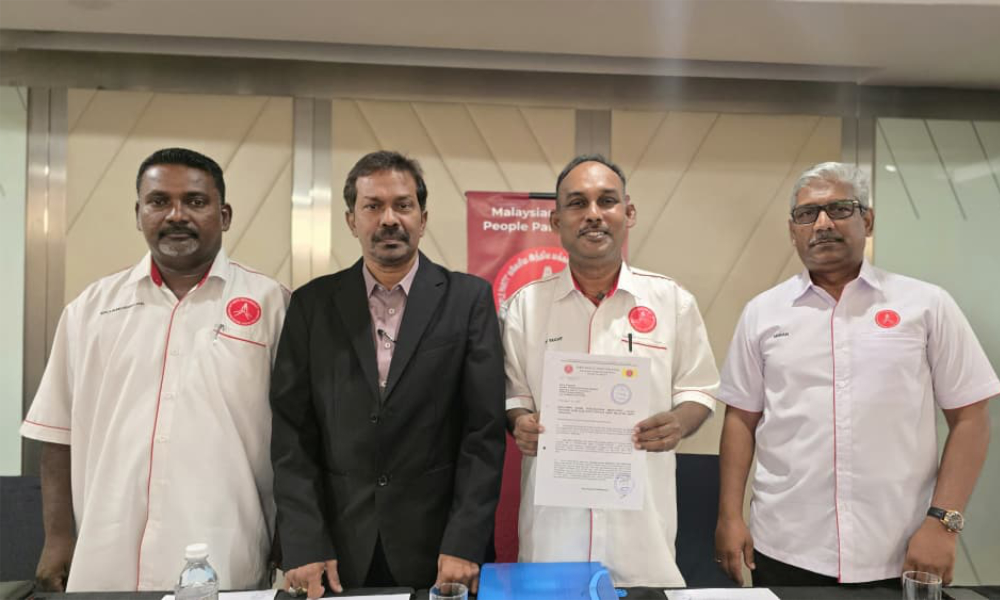
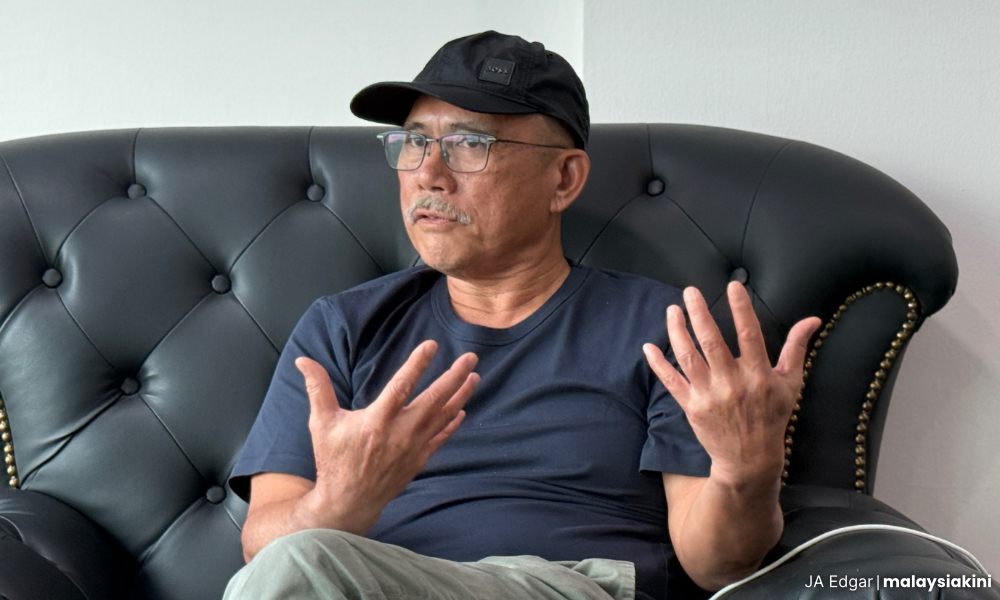
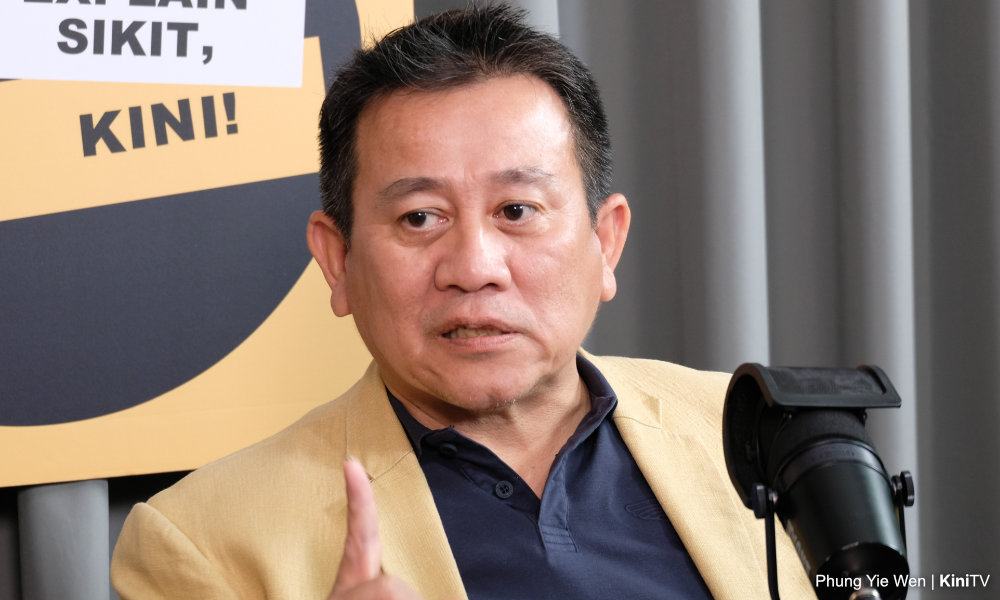
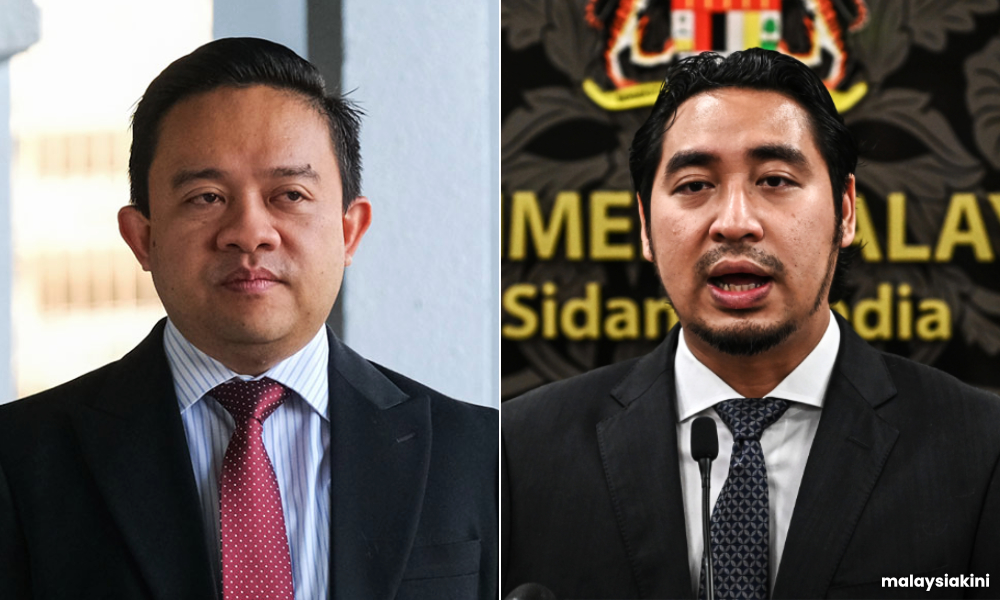
While Tasek Gelugor MP Wan Saiful Wan Jan (above, left) , who was recently sacked from Bersatu, affirmed that it would not be in PAS’ interest to see Bersatu weakened, he admitted that the current dynamics leave little doubt that the Islamist party now sets the tone for the coalition’s direction.
“If Bersatu is weak, PN will be weak. Even now, PAS friends tell us we need to resolve things quickly because they know that if Bersatu is in turmoil, PN is in turmoil,” he said in an interview with KiniTV’s “Explain Sikit, Kini!” podcast.
Also present was Machang MP Wan Ahmad Fayhsal Wan Ahmad Kamal.
“Bersatu’s top leaders are the ones who need to be more self-aware as we only have 25 MPs now (and) six left the party, but PAS didn’t lose (any MPs),” he added, referring to the six Bersatu lawmakers who previously declared their support for Prime Minister Anwar Ibrahim’s administration.
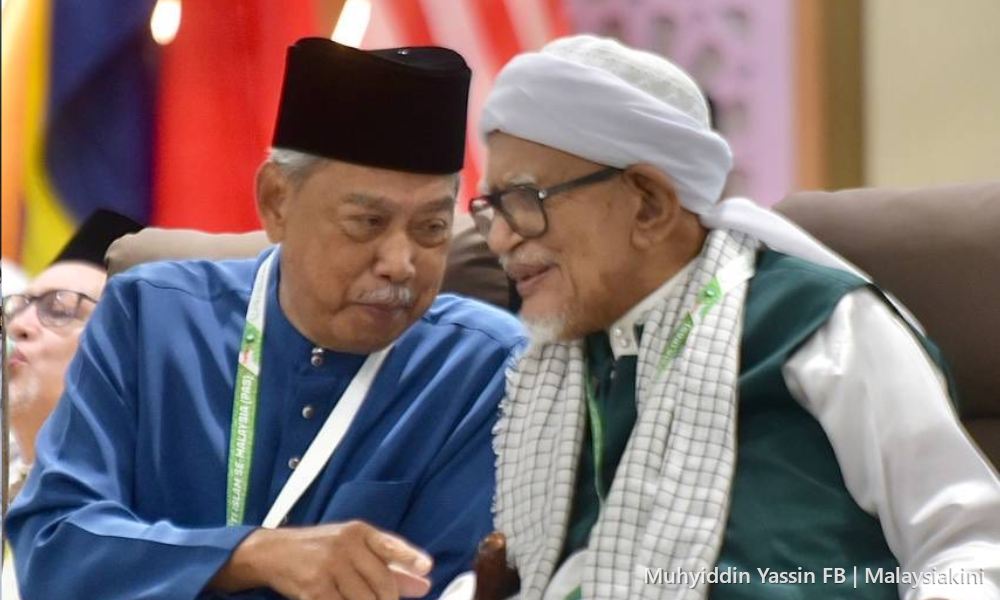
PAS currently has 43 MPs in the Dewan Rakyat, making it the largest single party in Parliament.
With such dynamics, Wan Saiful cautioned that clinging to Muhyiddin Yassin’s leadership as Bersatu president and PN chairperson could risk not only Bersatu’s survivability, but also PN’s strength as a whole.
“If we name Muhyiddin as our prime minister candidate and insist that’s what we want, PN will split and Bersatu will lose,” he said, questioning what purpose such a move would serve beyond symbolism and a supposed “call for peace” within Bersatu.
“This isn’t a personal feud - it’s a professional disagreement. Politically, the clash doesn’t mean we lose respect for anyone…we maintain our respect, but we must accept reality.
“If we want to win, and if PN wants to be strong, Muhyiddin cannot be there,” Wan Saiful stressed.
Merging with PAS?
On that note, Wan Fayhsal acknowledged openly the possibility of Bersatu, under Hamzah’s potential leadership, working more closely, or even merging, with PAS.
“That option is always there, open - and rational, even. PAS has the strongest platform right now as the strongest Malay party today.
“They deserve that respect,” he said.
Citing an example, Wan Fayhsal said a number of Bersatu MPs attend PAS’ “usrah” sessions (religious study circles) and consider PAS president Abdul Hadi Awang their “naqib” (leader) during parliamentary sittings.

Wan Saiful, however, said the focus now is on revitalising Bersatu, a feat he believes can be achieved if members remain united with a common goal aimed at establishing new leadership.
On Oct 14, the Bersatu disciplinary board suspended Wan Fayhsal for one term, and sacked Wan Saiful, as well as four party division chiefs.
The board said it found the leaders guilty of violating the party constitution and its code of ethics and conduct.
While the board did not detail the violations, it is believed that Wan Saiful and the four division leaders were expelled in connection with a recent attempt to pressure Muhyiddin into handing over party leadership to Hamzah.
Muhyiddin’s shock
Reminiscing an incident after the previous general election, Wan Fayhsal revealed that Muhyiddin appeared taken aback when PAS named Hamzah as opposition leader following the polls.
“I was in the meeting when (Hadi) picked Hamzah for the position of opposition leader. I could see Muhyiddin himself looked shocked - maybe because he thought PAS would choose someone from their own ranks instead,” he said.
At the time, Wan Fayhsal noted, Hamzah’s appointment as opposition leader was unprecedented as he was only Bersatu’s secretary-general, not a deputy president or senior office bearer.
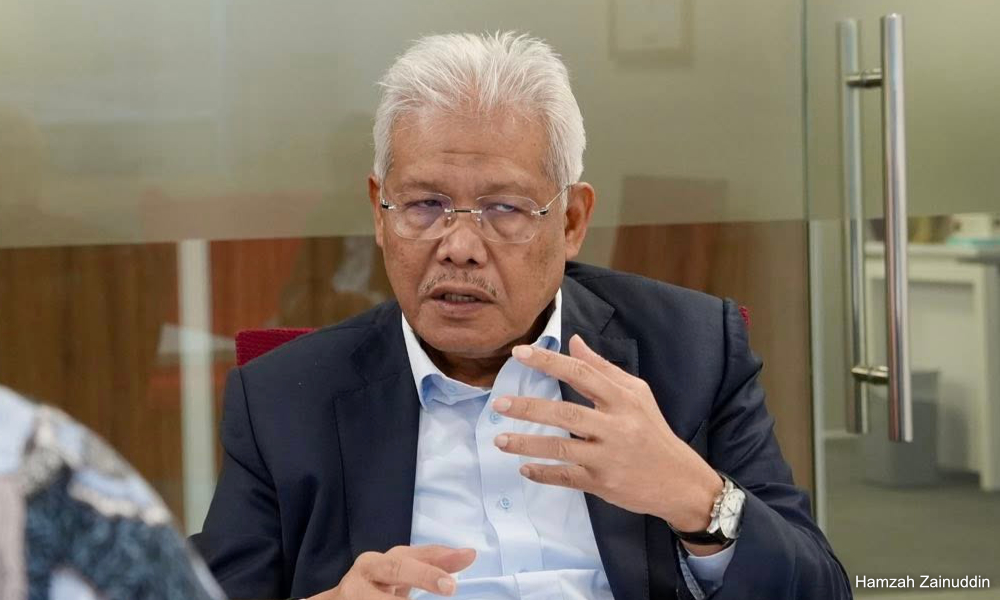
He theorised that among the reasons behind PAS’ backing of Hamzah could be the latter’s extensive cabinet experience, second only to Muhyiddin, and his proven rapport with fellow MPs.
“On merit, Hamzah was the most qualified. In terms of moral authority, experience, influence, and his closeness with everyone in Parliament, he earned that trust.
“Over the four years we worked together, he showed he could unite us,” Wan Fayhsal added.
Self-inflicted problems
Wan Fayhsal also acknowledged that Bersatu’s current predicament was partly self-inflicted, tracing it back to what he described as a “careless motion” naming Muhyiddin as the party’s prime minister candidate, which was tabled during the party’s recent annual general assembly.
“We tried hard to block it because we knew the impact - it would create friction between Bersatu and PAS.
“If Muhyiddin, (Bersatu secretary-general) Azmin Ali, or (party vice-president) Faizal Azumu still don’t understand the implications, then it means they’ve failed to lead PN.
“What’s happening now is that a relationship that used to be strong, is no longer in good shape,” he added.
Statutory declarations
Elaborating, Wan Saiful said the statutory declarations were collected to urge Bersatu against tabling the motion, adding he had repeatedly tried to meet Muhyiddin to explain the matter.
“I tried many times to meet (Muhyiddin), even right before the general assembly, during the supreme council meeting. I wanted to explain that the SDs weren’t meant to bring him down.
“I held him back as he was leaving the meeting room and said, ‘let’s go to the office for a bit, Tan Sri. Can I show you something?’
“He said, ‘it’s okay, I’ll talk to you later,’ and went up to the stage.”
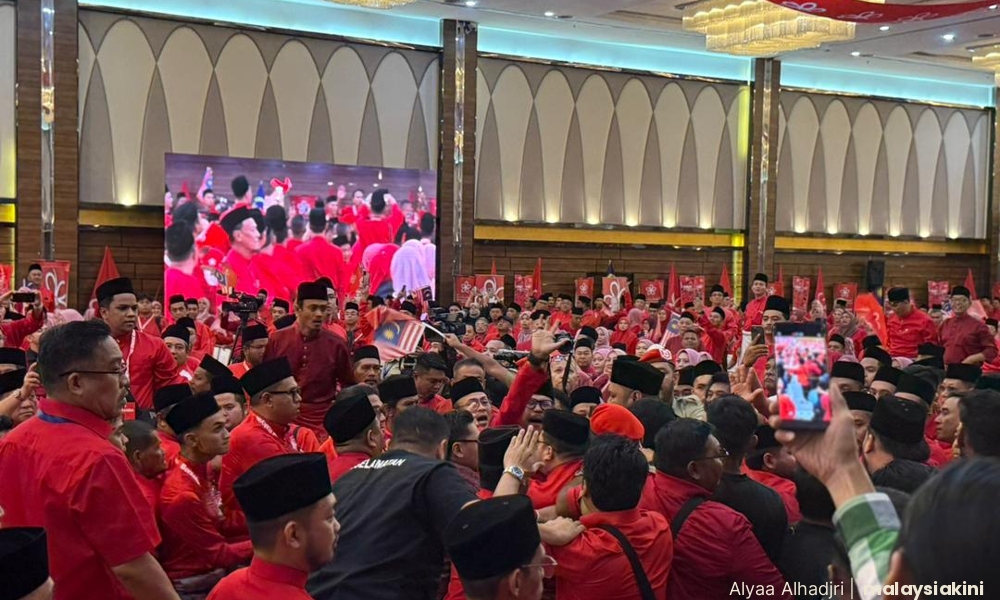
Reflecting on how the misunderstanding later spilled over into the party assembly, sparking unnecessary tension, Wan Saiful, in a tone tinged with frustration, said it would have been better if Muhyiddin had looked at the SDs first before delivering his speech.
He added that subsequent efforts by party leaders to broker a meeting between him and Muhyiddin failed.
Still no PN treasurer
Lamenting about organisational neglect, Wan Fayhsal pointed out that PN has yet to fill the post of treasurer, which has remained vacant since PAS vice-president Ahmad Samsuri Mokhtar resigned in January.
“We’re going to face elections in Sabah soon. Who’s going to raise funds and manage campaign expenses if the position isn’t filled?” he asked, adding that even PN’s central office, previously funded by Hamzah in his capacity as Bersatu secretary-general, is no longer operational.
“These are just some examples of how things have deteriorated. If we continue working the way we are now under Muhyiddin, we will only get weaker.
“If Hamzah becomes (Bersatu) president, and perhaps PN chairperson, I’m confident things can be fixed properly.
“PAS chose Hamzah as opposition leader right after the general election - I don’t see Bersatu or PN falling behind if he’s the one leading the party,” he added.