
COMMENT | Unlearning violence, relearning humanity
COMMENT | Three headline-grabbing cases in as many weeks don’t just shock the conscience - they expose a pattern.
What’s unfolding is not mischief or “children going too far,” but a convergence of three systemic failures that quietly teach boys entitlement and leave girls to carry the harm.
First, boys are being socialised in environments where domination and humiliation are rewarded - amplified by online spaces that normalise voyeurism and the circulation of abuse - while schools lack the day-to-day safeguards that make boundaries, consent and accountability non-negotiable.
Second, institutional reflexes remain reactive - complaints are handled slowly, language downplays the gravity of sexual harm, and order is prioritised over safety and truth-telling.
Civil society organisations (CSOs) have already flagged how this dynamic has repeated across controversies and urged the Education Ministry to investigate school-safety failures, not just individual offences, and to publish those findings.
Third, prevention is still treated as optional - comprehensive sexuality education lessons on respect, bodily autonomy and consent, stronger reporting channels, trained responders, and peer-bystander norms are uneven or absent, even though they are the proven levers that change behaviour at scale.
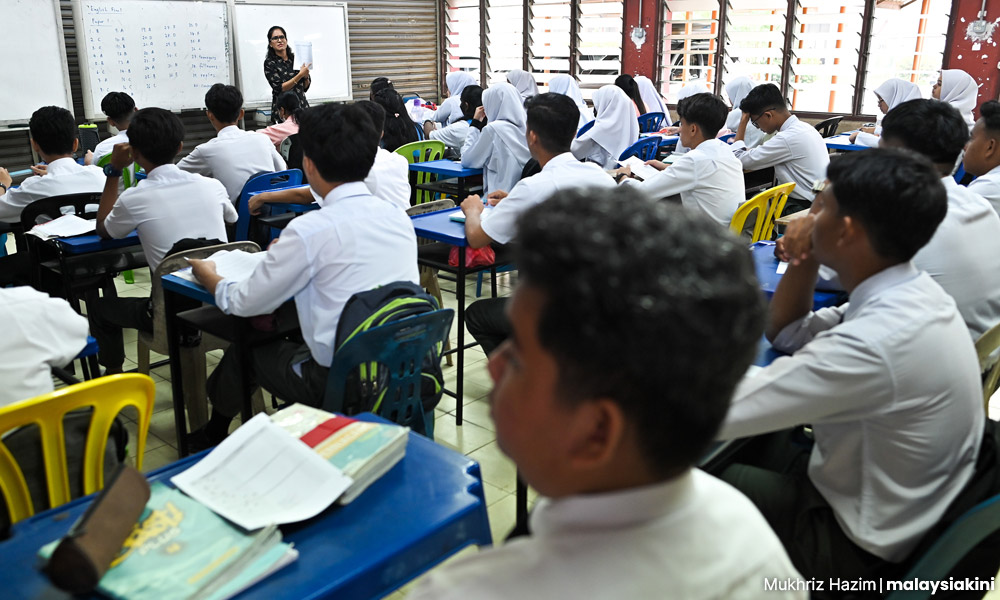
Addressing the pattern means shifting from incident management to system design.
We need a nationwide audit of school safeguarding with mandatory and transparent remediation plans, clear protocols that trigger immediate survivor-centred responses, regular training for teachers and school administrators, whole-school programmes on empathy, consent and digital ethics, and practical mechanisms that balance due process with safety.
The trend isn’t inevitable - it is a policy and culture problem - and it is fixable when accountability, prevention and care become the default, not the exception.
Why this is happening
What we are seeing is a cultural pipeline that turns disrespect into harm. From a young age, many boys absorb messages - at home, online, and in schools - that equate masculinity with dominance and sexual conquest.
In the absence of consistent guidance on empathy, consent and boundaries, this conditioning makes it easier to rationalise violating a classmate and harder to recognise her as a peer with equal dignity.
When that worldview is reinforced by violent pornography and toxic online spaces that reward humiliation and voyeurism, the leap from fantasising to filming and sharing abuse becomes frighteningly small.

Digital dynamics supercharge this harm. Algorithms surface ever more extreme content, peer groups become echo chambers, and “viral” status fuels a performative cruelty that dehumanises the survivor/victim.
Without a strong digital literacy and ethics education, many students fail to learn how to interrogate what they are consuming. Institutional habits then compound the damage further.
‘Misconduct’
When schools downplay sexual harm as “misconduct”, delay action, or prioritise reputation management over child safety, they communicate that violence can be contained, negotiated, or silenced rather than confronted - and that survivors must bear the burden of returning to “normal”.
This reactive posture - instead of clear safeguarding policies, swift survivor-centred responses, and transparent investigations - erodes trust, teaches bystanders to stay quiet, and signals to would-be perpetrators that consequences are uncertain.
The wider ecosystem too often treats prevention as optional. Comprehensive, age-appropriate lessons on respect, bodily autonomy and consent remain patchy, teachers and administrators are unevenly trained to manage disclosures, and reporting channels are confusing or unsafe.
Again, CSOs have warned that these recurring failures across multiple incidents reflect systemic shortcomings, not individual anomalies, and have called for urgent, public reviews of school safety systems alongside criminal processes.
This is not about “boys being boys” - it is learned behaviour thriving in permissive environments, and it will persist until empathy, accountability and survivor safety are hard-wired into how we raise, teach and govern our children.
We also need to name the engine behind this - toxic masculinity. Boys are too often rewarded for dominance, emotional suppression and sexual conquest, while empathy and care are dismissed as weakness.
That script breeds entitlement to girls’ bodies, and reframes violence as proof of status.
It is the same harmful patriarchal masculinity CSOs have warned about - the underlying socialisation that makes rape and the filming/sharing of abuse “thinkable” in the first place.
Unless schools, families and platforms actively unteach those norms and replace them with respect, consent and accountability, we will keep reproducing the conditions for harm.
What must change now
To stop this, we need immediate, system-level action - not performative outrage or a swing back to harsh punishments that don’t change behaviour.
That starts with two tracks running at once:
Inclusive and accessible child-centred investigations, and
A public, Education Ministry-led review into how school safeguarding failed, with findings published and concrete fixes mandated across schools.
Accountability for offenders must proceed alongside comprehensive support for those harmed: medical care, psychological first aid, ongoing psychosocial services, and safe, dignified reintegration into school life for survivors and classmates directly affected.
These are baseline duties, not optional extras.
Prevention must be hard-wired into the school day, not treated as a one-off talk after a crisis. Make age-appropriate comprehensive sexuality education mandatory - with lessons on consent, bodily autonomy and respect - and pair it with digital literacy and online ethics so students learn to question harmful content and refuse the peer pressure to film or share abuse.
Every school should operate clear child-safeguarding policies: simple reporting channels that are easy for students to use, trained focal teachers who know what to do the moment a disclosure is made, and survivor-centred response protocols that trigger protection and case management automatically.
We need to equip students with bystander skills so peers can safely interrupt, report and support.
Also, we need to keep every response child-centred and rights-based. Protect the privacy and dignity of all minors - avoid language that stigmatises or sensationalises.
A whole-society project
Finally, we need to make this a whole-society project. Parents/caregivers model respect first - set boundaries at home, talk openly about empathy and consent, and monitor online exposure with care rather than fear.
Communities and school boards should back transparent policies, insist on timely action, and support mental-health services for students after a crisis.
When institutions are designed to prevent harm, and families reinforce those same values daily, accountability, empathy and safety can become the norm.
The choice is in front of us.
NAZREEN NIZAM is Women’s Aid Organisation executive director.
The views expressed here are those of the author/contributor and do not necessarily represent the views of Malaysiakini.