
Putrajaya acted unlawfully by failing to honour Sabah's 40pct revenue: Court
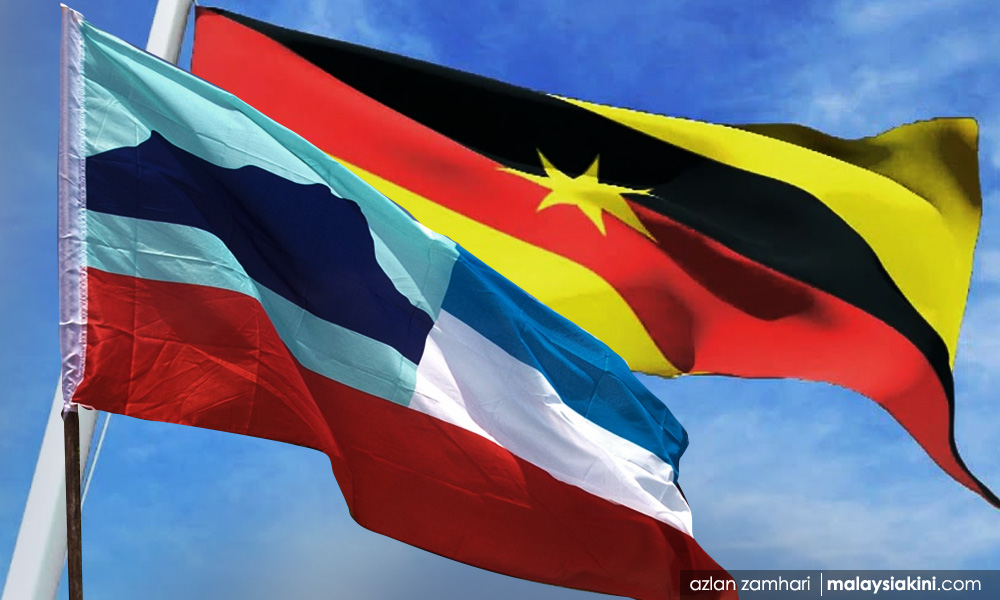
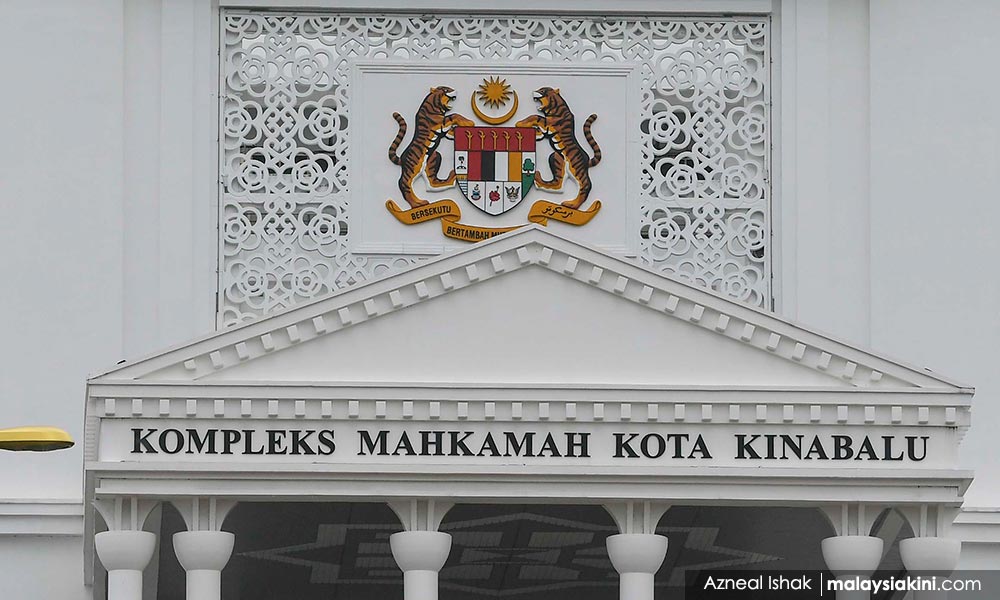
The Kota Kinabalu High Court has ruled that the federal government acted unlawfully and beyond its constitutional powers by failing to honour Sabah’s 40 percent share of federal revenue for nearly five decades.
Judge Celestina Stuel Galid, delivering her decision in open court, declared that the special grant arrangements made by both the federal and state governments were “unlawful, ultra vires, and irrational,” breaching the Federal Constitution.
The Kota Kinabalu High Court has ruled that the federal government acted unlawfully and beyond its powers under the Federal Constitution by failing to honour Sabah’s 40 percent share of federal revenue for nearly five decades.
Judge Celestina Stuel Galid, delivering her decision in open court, declared that the special-grant review orders jointly issued by the federal and state governments were “unlawful, ultra vires and irrational,” breaching the Constitution.
“It is unlawful on the part of the federation to make the intended special grants under the 10th Schedule,” she said.
The judge also found that the Second and Third Review Orders were invalid and allowed the Sabah Law Society’s (SLS) application in full.
The court issued a mandamus order directing Putrajaya to conduct a new revenue review with the Sabah government under Article 112D of the Constitution and to agree on the state’s 40 percent entitlement for each financial year from 1974 to 2021, with the review to commence within 90 days and conclude within 180 days.
During the ruling, the court also accepted a request from SLS to recognise a Fourth Review Order, gazetted on Aug 27, 2025, noting that it carried the same effect as the previous orders and should be included for completeness in the final certiorari order.
No order was made as to costs.
Counsel for the SLS, David Fung, Jeyan Marimuttu, and Janice Junie Lim, appeared for the applicant, while senior federal counsel Ahmad Hanir Hambaly @ Arwi, assisted by Nur Atirah Aiman Rahim and Solehheen Zaki, represented the federal government.
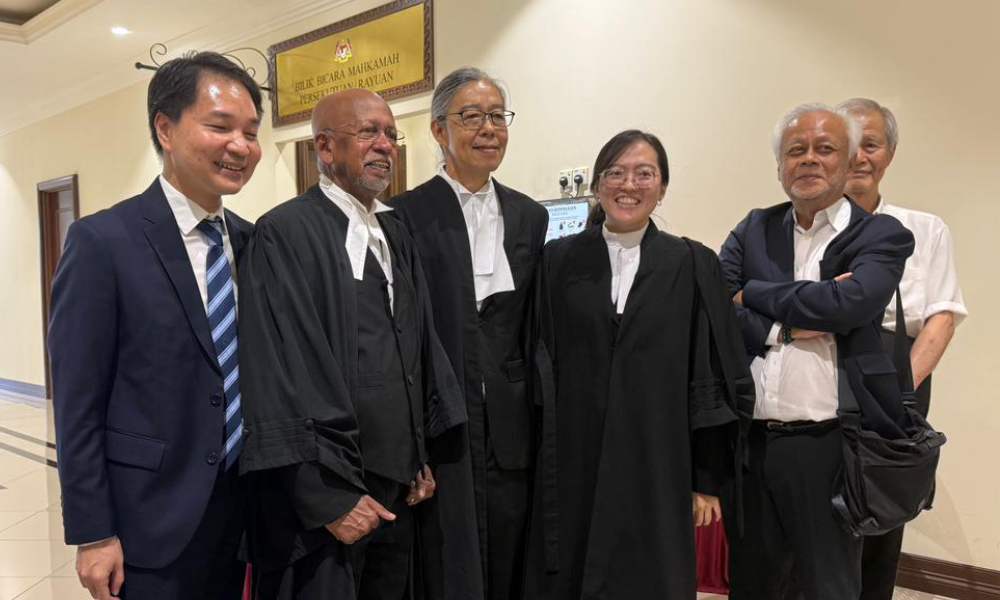
The Sabah Attorney-General’s Chambers, led by Brenndon Keith Soh, represented the state government.
Following the judgment, federal counsel informed the court that the government would file a formal application for a stay pending further instructions.
‘40pct entitlement a constitutional duty’
Speaking after the ruling, Fung, who led the SLS legal team, said the decision confirmed that Sabah’s 40 percent revenue entitlement remains a binding constitutional duty that the federal and state governments must now carry out.
“In a nutshell, the 40 percent entitlement that Sabah has been promised is something that needs to be fulfilled by the federal government together with the state government.
“We are talking about the entitlement for the years from 1974 up to 2021, that is 48 years,” he said.
Fung said the court made clear that the “lost years” did not erase Sabah’s entitlement, as the duty to review and account for the funds was enshrined in the Constitution.
“In these lost years, the entitlement is not lost, " the court says, because it is a constitutional duty of the government. They have to now review it and work out what the figure is, and the court has given a timeframe on it,” he said.
He added that the judge had taken into consideration the constitutional and historical documents underpinning Malaysia’s formation, including the Cobbold Commission, the Malaysia Agreement 1963, and the Inter-Governmental Committee Report, when interpreting the scope of Sabah’s rights.
“Because this 40 percent entitlement is meant to go to the state government for state services, that means improvement of development for the state. Sabah has fallen behind because there has been no payment of this entitlement for 48 years,” he said.
Fung said the court’s reasoning also underscored that the entitlement concerned revenue derived from Sabah itself, meaning it was money the federation had collected from the state and must now account for.
Omission absolves nothing
On the Second and Third Review Orders, he said the court found that their omission to address Sabah’s 1974-2021 entitlement did not absolve the federal government of its duty.
“The court says that it does not mean that because you omitted it, you don’t have to do it. Any part of that order which implies you don’t have to do it is wrong - and that protects the state of Sabah,” he said.
Fung described the ruling as vital not only for the state but for Malaysia as a whole, saying that the funds were essential for closing Sabah’s infrastructure gap in areas such as power supply, clean water, sewerage, and connectivity.
“Sabah has fallen behind. The 12th Malaysia Plan shows that of the 12 poorest districts, nine or 10 are in Sabah. Everyone here understands what that means,” he said.
He added that the full written judgment was expected to be released by the court within the week.
Also present at the court were Parti Solidariti Tanah Airku (Star) president Jeffrey Kitingan, Sabah Progressive Party (SAPP) president Yong Teck Lee.