
Bersatu veep: Local-based Sabah parties failing on basic issues
In arguing for the state to instead be governed by a national party through a “hybrid” model that started during BN’s takeover in 1994, Kiandee said previous Sabah governments made better attempts to resolve legacy issues on water, electricity, and roads.
“For the last five years...
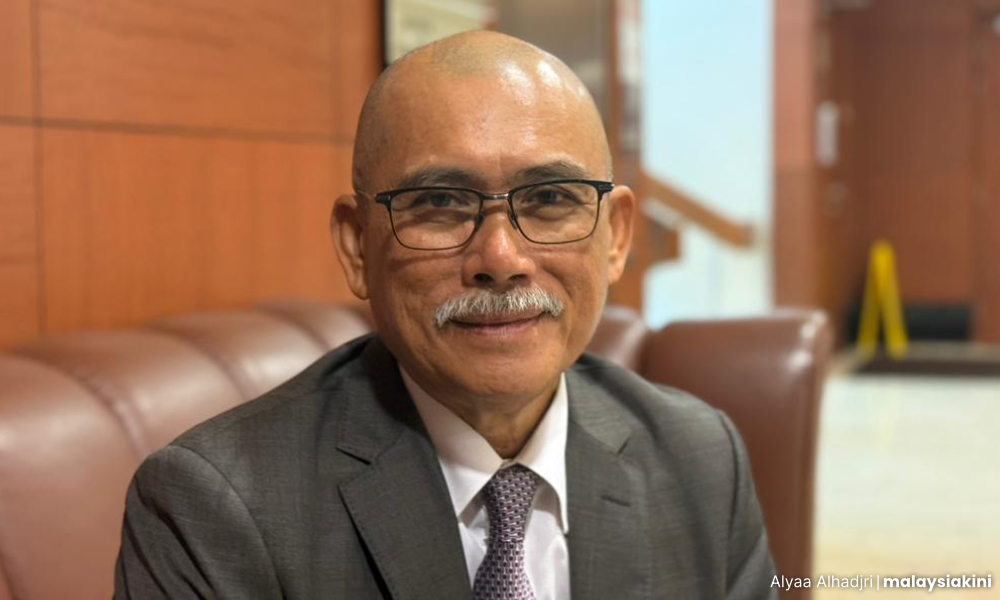
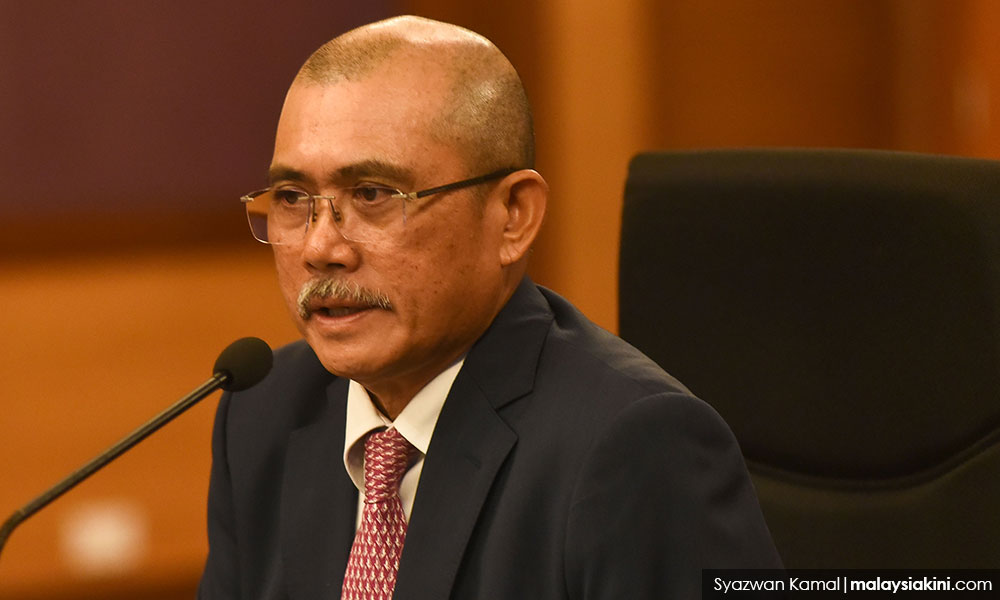
INTERVIEW | Unresolved basic infrastructure issues in Sabah had worsened over the last five years despite being led by a coalition made up of local-based parties under Chief Minister Hajiji Noor, claimed Bersatu vice-president Ronald Kiandee.
In arguing for the state to instead be governed by a national party through a “hybrid” model that started during BN’s takeover in 1994, Kiandee said previous Sabah governments made better attempts to resolve legacy issues on water, electricity, and roads.
“For the last five years, the water problem has become more critical compared to previous years. In the past, rationing happened, but not as frequently and for as long as it is now.
“This shows that the state’s problems were not managed well by the existing government. So what pride do local-based parties have if such basic problems - inherited problems - are not managed properly?” he told Malaysiakini in Parliament on Wednesday.
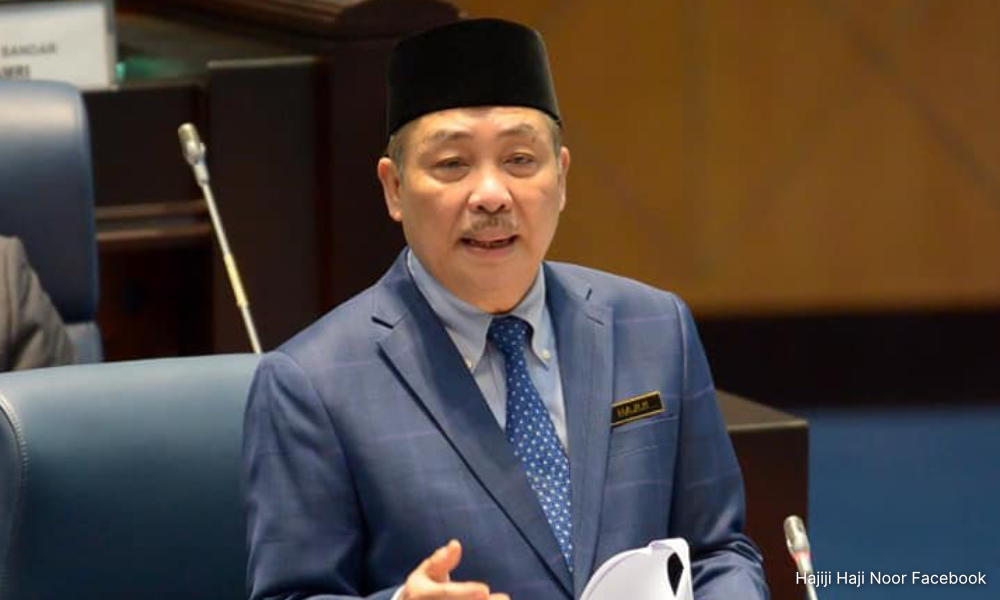
Hajiji, the eight-term Sulaman assemblyperson, was appointed as Sabah’s 16th chief minister after the 2020 state polls. At the time, he led Sabah Bersatu before spearheading a mass exit from the party in December 2022 when Gabungan Rakyat Sabah (GRS) threw its support behind Prime Minister Anwar Ibrahim.
National-level intervention
Kiandee, who is the Beluran MP, argued that Sabah’s challenges must be treated as national issues requiring federal involvement.
“Sabah must be managed by competent leaders who know how to solve problems, and these problems must be elevated as national issues that require federal government involvement,” he said in a swipe at Hajiji’s GRS-led administration.
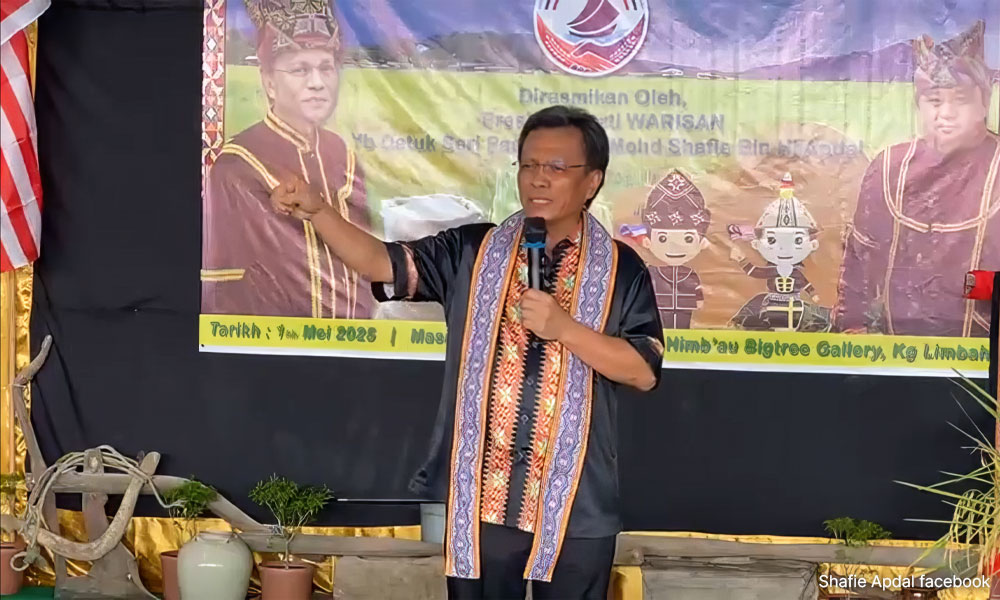
His remarks also came in response to Warisan president Shafie Apdal’s pledge that his party will contest all 73 state seats and prioritise infrastructure improvements if returned to power.
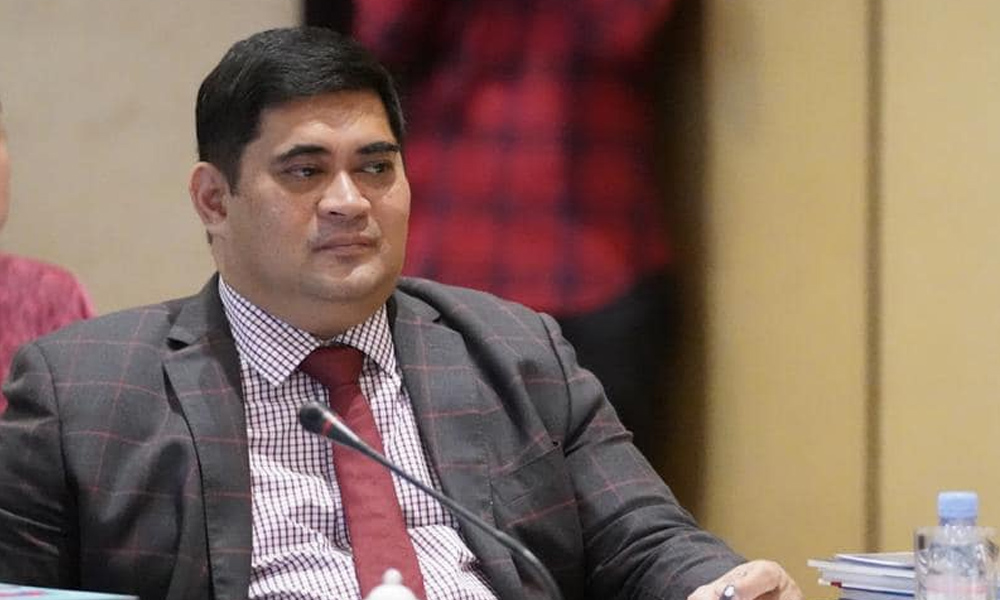
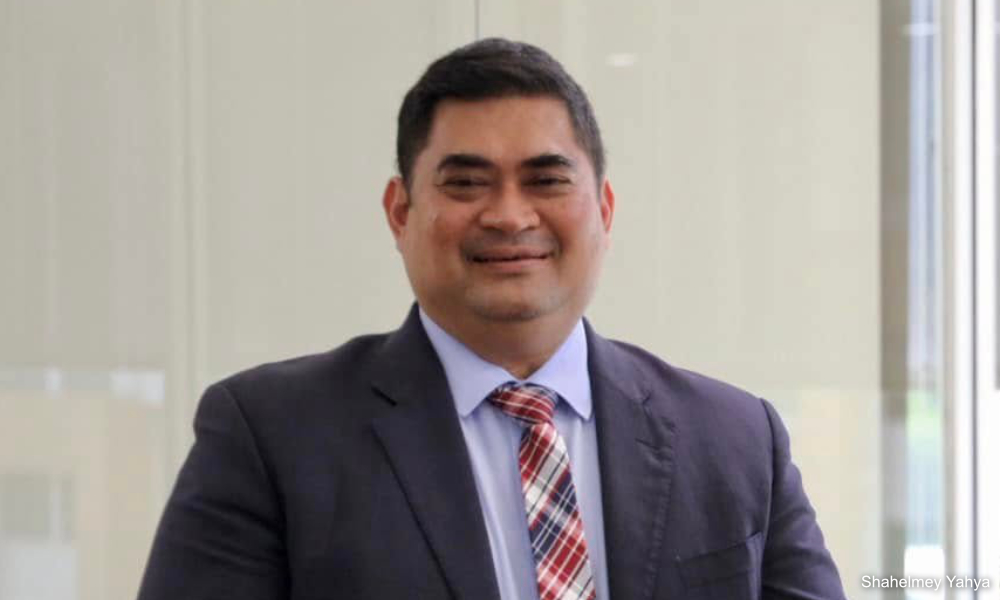
Deputy Chief Minister III Shahelmey Yahya, who is from GRS, countered that the government already has a “concrete plan” to resolve Sabah’s water, electricity, and road woes, dismissing other parties’ promises as unrealistic.
“If anyone promises that these problems can be fixed immediately once they gain power, those are nothing more than empty promises.
“What is needed is long-term planning. GRS already has a comprehensive plan in place; it just needs to be implemented according to schedule,” said Shahelmey, who is also Sabah’s works minister, as quoted by Free Malaysia Today.
Shafie, meanwhile, has acknowledged that his own state administration from 2018 to 2020 fell short on infrastructure, attributing it to the Covid-19 pandemic.
Hybrid political model
According to Kiandee, history shows that no purely local party has governed Sabah since Parti Bersatu Sabah (PBS).
“Since 1994 until now, there has not been a purely local party ruling Sabah. It has always been a hybrid - a local party plus a national party. The last local-based party to rule Sabah was PBS. After that, there has been none,” he said.
He stressed that while slogans such as “Sabah for Sabahans” reflect pride, they should not be monopolised by local parties.
“I have no objection to the slogan ‘Sabah for Sabahans’ - it shows the spirit of fighting for the state. But to say this spirit can only be achieved through local parties, that is not correct. The same spirit can also be achieved through national parties. It is up to the people of Sabah to decide,” he added.
On comparisons with Sarawak, Kiandee dismissed claims that its progress stemmed solely from being ruled by local parties.
“Sarawak’s progress was not because of that political concept or coalition arrangement. It was because they had leaders who were committed to managing the people’s problems,” he said.
Last month, in a speech at Gagasan Rakyat Sabah’s annual general meeting, party deputy chairperson Masidi Manjun told delegates that Sabahans who admire Sarawak’s development must first change their mindset and prioritise political stability.
Election prospects
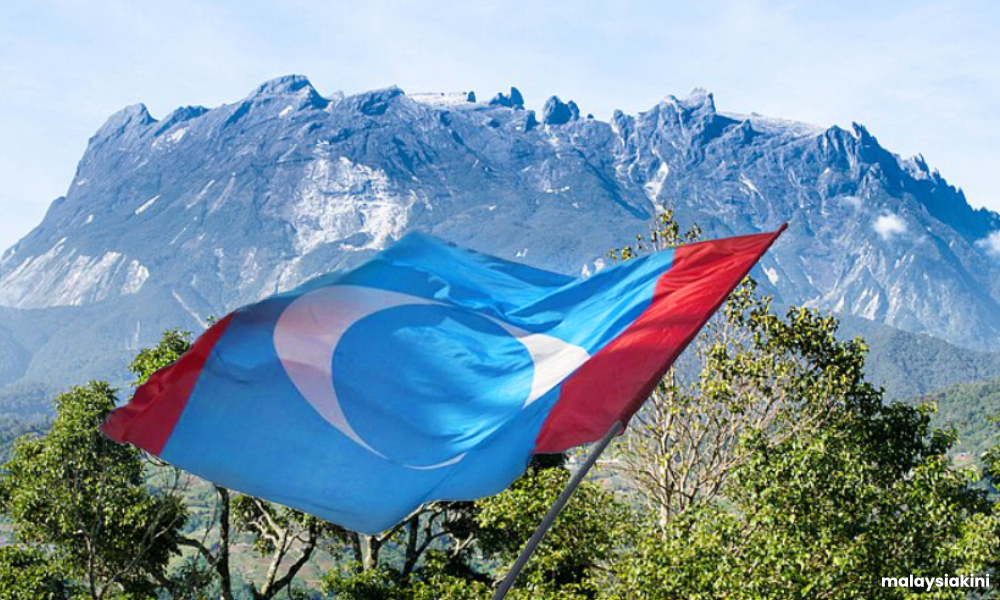
With the legislative assembly expected to dissolve next month ahead of the state polls, Kiandee urged Sabahans to evaluate Perikatan Nasional based on its record of steering the country through the pandemic.
“The rakyat saw the ability of PN leaders to steer the nation through difficult and challenging times. People see and evaluate this. I see that as the foundation, and not a matter of individuals,” he said.
On speculation over the next chief minister, with Warisan and BN having indicated a preference for Shafie and Sabah Umno chief Bung Moktar Radin, respectively, Kiandee said PN’s campaign is unlikely to involve a “poster boy” or potential candidate.
He also said Bersatu president Muhyiddin Yassin and PAS president Abdul Hadi Awang, as PN’s top two leaders, will remain as prominent figures leading the coalition’s battle for an undetermined number of seats.
“If PN is destined to win enough seats, everybody is eligible to be chief minister. We don’t need to name a chief minister candidate,” said Kiandee.
Last year, the Sabah assembly passed an amendment removing Article 6(7) of the state constitution, which in effect restores the governor’s discretion under Article 6(3) to appoint as chief minister any assembly member he judges most likely to command majority support.
Former Sabah chief minister Musa Aman began his tenure as the state governor on Jan 1, 2025.