
Putra Heights fire: S'gor PAS slams 'incomprehensive' report, proposes RCI
Selangor PAS has condemned authorities' final report on the Putra Heights gas pipeline explosion, saying it was incomprehensive and relied heavily on an internal investigation committee.
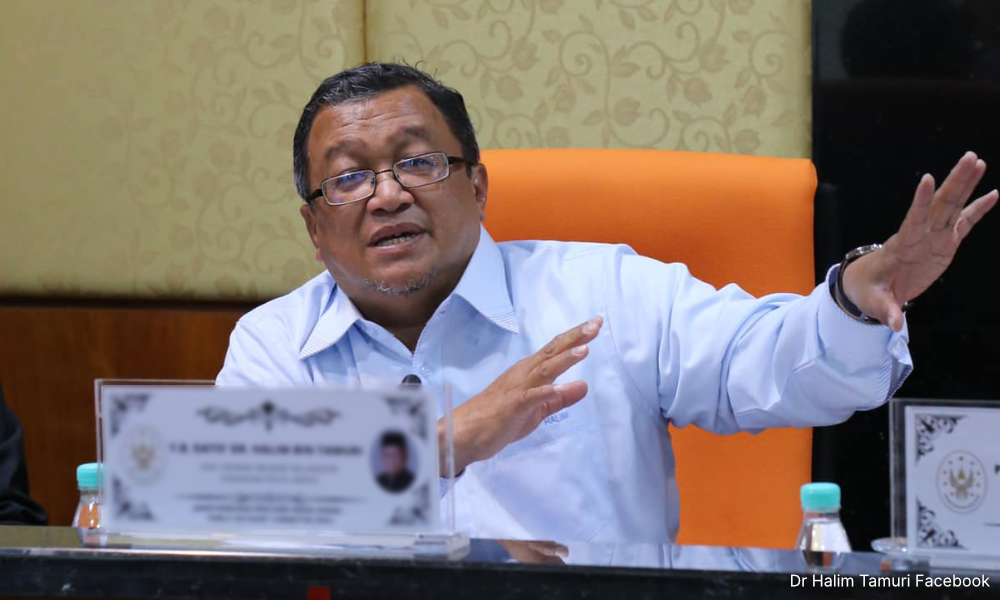
Its chief Ab Halim Tamuri said the report - which blamed the April 1 incident on weakened soil caused by cyclic loading - had raised more questions than answers.
Summary
S’gor PAS expresses dissatisfaction with the report findings on the pipeline explosion in Putra Heights, saying the probe focused on direct cause instead of root cause.
UPDATED 11.40AM | DAP rep S Preakas also questions the findings, pointing out that the failure to act can be just as dangerous as acting improperly.
Selangor PAS has condemned the authorities' final report on the Putra Heights gas pipeline explosion, saying it was incomprehensive and relied heavily on an internal investigation committee.
Its chief Ab Halim Tamuri said the report - which blamed the April 1 incident on weakened soil caused by cyclic loading - had raised more questions than answers.
"Selangor PAS is disappointed with the findings report which is seen to be less holistic, as it only focused on the direct cause and did not give attention to its root causes.
"Such findings had created more questions than answers, which caused disappointment and uneasiness among the rakyat, and led to their criticisms after the report was released.
"We demand the Selangor state government be fully transparent and not rely solely on the internal investigation committee," he said in a statement today.
The PAS state chapter also proposed an independent Royal Commission of Inquiry to carry out a more thorough probe into the incident.
Who failed to act?
Kota Kemuning assemblyperson S Preakas has also questioned the investigation's conclusions.
In a statement, DAP lawmaker said he cannot accept that no party was found responsible for the incident.
"The findings seem to place undue emphasis on whether any wrongdoing occurred, while failing to address whether the right actions were taken - or more importantly, whether necessary actions were neglected.
"In any safety-sensitive situation, the failure to act can be just as dangerous as acting improperly," he added.

Preakas said the authorities’ explanation appeared to conclude the matter without addressing several pressing questions.
These include what had caused the soil movement and water stagnation, when the conditions began, and who was responsible for the failure to monitor the soil movement.
Residents still in fear
Preakas also raised issues with the authorities' failure to give "greater weight" to residents' complaints and photographic evidence about the presence of heavy machinery and construction materials near the scene.
"Additionally, I am deeply concerned that the gas pipeline appears to have been reactivated without any formal safety briefing or engagement session with the residents.
"To this day, the community has not been provided with a clear timeline, safety plan, or details on risk mitigation measures.
“Many residents continue to live in fear, uncertain about the safety of their homes and whether their concerns are truly being heard," he said.
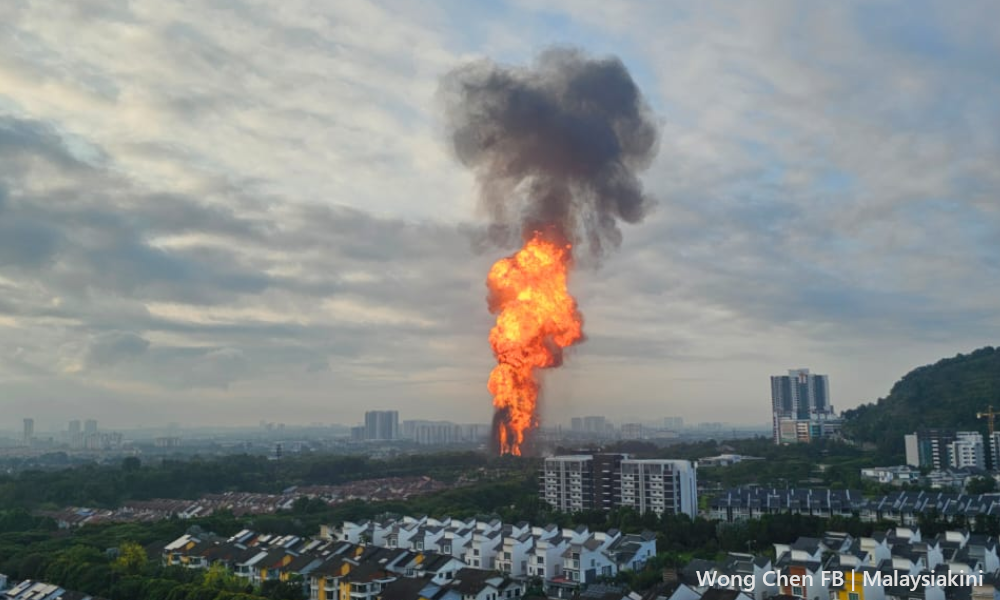
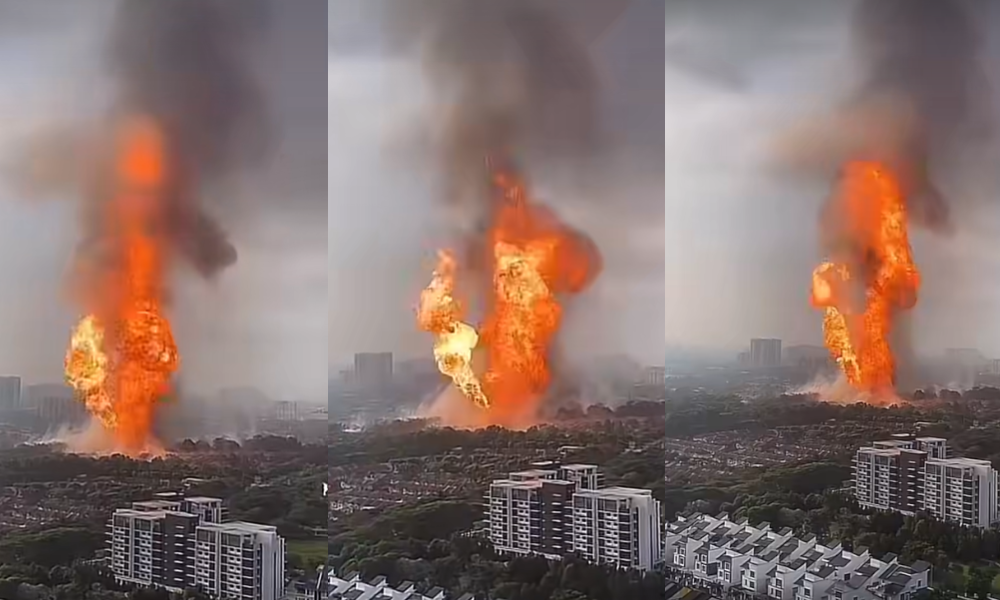
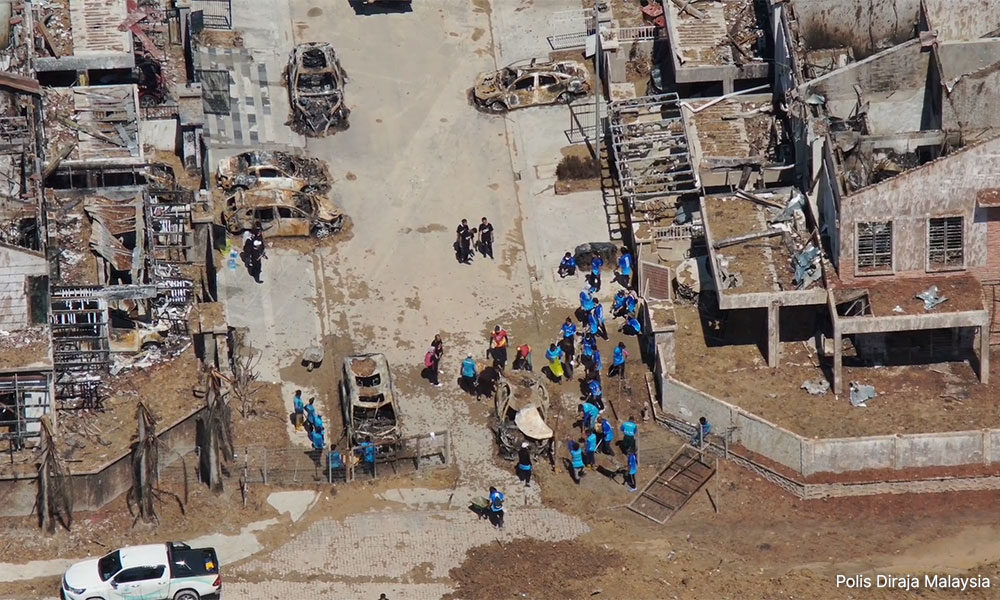
On April 1, a major fire involving a Petronas gas line saw flames shooting more than 30m into the air, with temperatures reaching 1,000 degrees Celsius, transforming the surrounding landscape into a large crater.
About 146 victims were brought to hospitals and clinics for treatment and 219 homes suffered damage.
On Monday, Occupational Safety and Health Department (Dosh) Petroleum Safety Division director Husdin Che Amat announced that the pipe involved was not fully supported by the soil around it due to cyclic loading, causing a weakness in the welded joint that broke apart and started the fire.
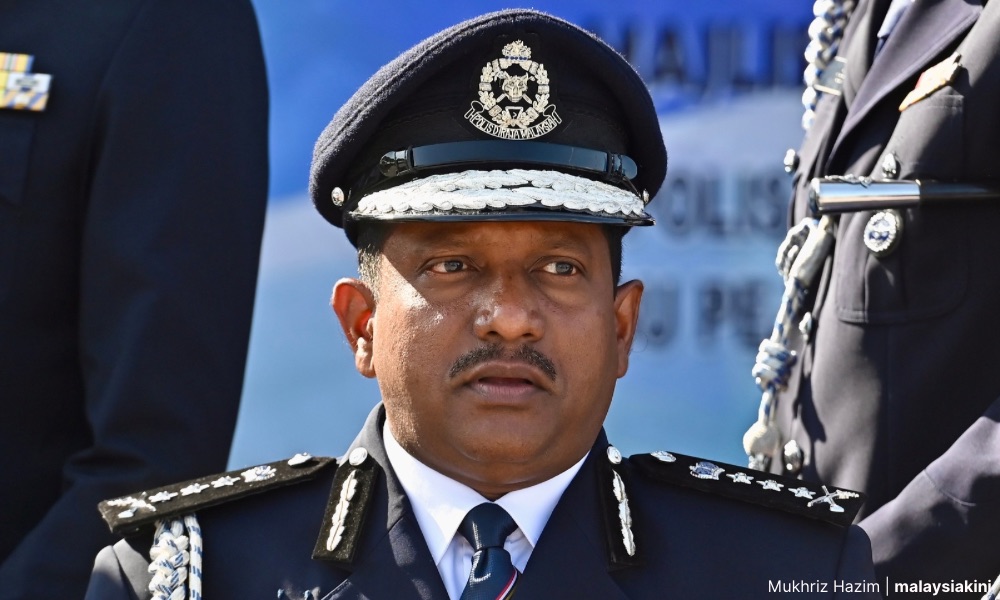
At the same press conference, Selangor police chief Hussein Omar Khan confirmed that no elements of sabotage or negligence were found and police have classified the case as no further action.