Expanded SST and other new policies come into force today
As we enter the second half of the year, several new programmes and policies will be coming into effect.
Some have proved controversial during the run-up to its implementation, while others bring a long-awaited respite.
Here are some highlights of what's new, starting today.
Summary
A few policies begin today, including the SST expansion and an increased electricity tariff rate.
Taxpayers with income or sales revenue from RM5 million to RM25 million must comply with e-invoicing.
The KLIA Aerotrain begins servicing passengers from 10am.
As we enter the second half of the year, several new programmes and policies will be coming into effect.
Some have proved controversial during the run-up to its implementation, while others bring a long-awaited respite.
Here are some highlights of what's new, starting today.
Expanded SST
Malaysians will see an increase in sales and service tax (SST) rates. A zero percent sales tax on necessities will be maintained, while non-essential goods will see a tax of between five and 10 percent.
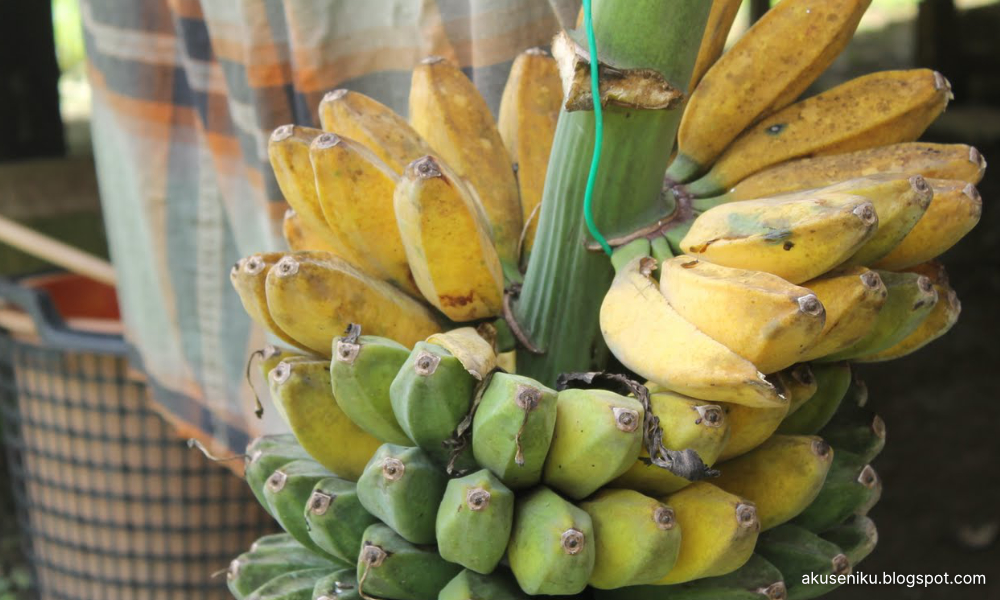
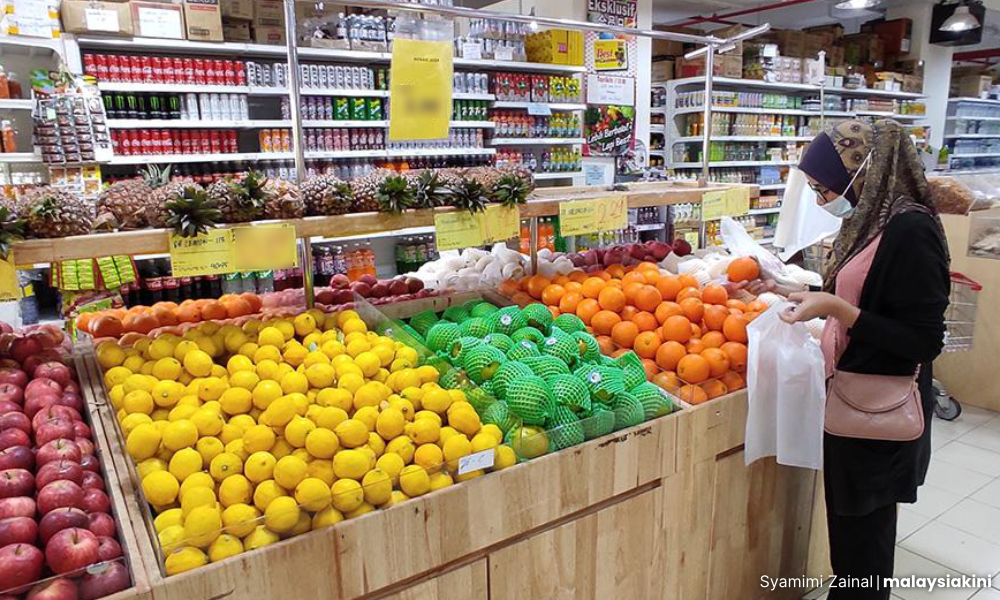
A five percent tax will be levied on non-essential products such as king crab, salmon, cod, truffle mushrooms, imported fruits, essential oils, silk fabrics and industrial machinery.
Premium items such as racing bicycles and antique hand-painted artwork will attract a 10 percent sales tax.
At the same time, the scope of the service tax will expand to include six new services: leasing or rental, construction, finance, private healthcare, and education.
The government expects the expanded SST to increase revenue by RM5 billion this year, and by RM10 billion in 2026.
Criticism particularly hit the decision to fold imported fruit under the expansion, with consumer groups warning that low-income families may reduce consumption of fruits, leading to nutritional risks.
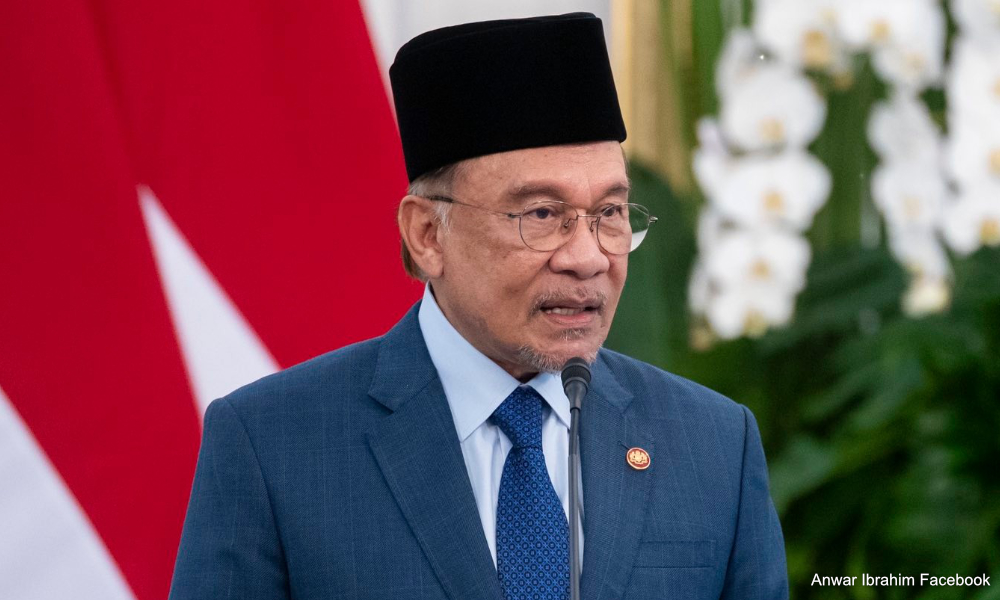
Amid discourse on the issue, Prime Minister Anwar Ibrahim faced backlash after claiming that the sales tax expansion on imported fruits would only impact rich people eating avocados.
Following the criticism, the Finance Ministry announced that apples, oranges, mandarin oranges and dates would be exempted.
New electricity tariffs
Tenaga Nasional Berhad's new electricity tariff rates also take place today, with the base tariff increasing from 39.95 sen per kWh to 45.4 sen.
The adoption of the automatic fuel adjustment mechanism will save users up to RM10.80, depending on power consumption.
Besides that, savings will be enjoyed by those who consume 1,000 kWh or less through an "energy efficiency incentive".
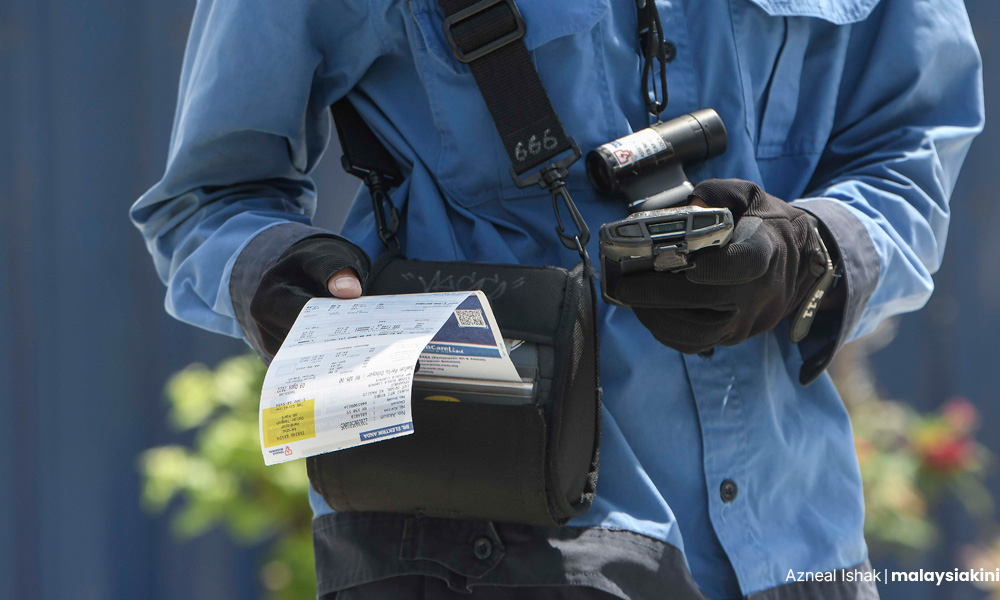
The electricity bills from this month onwards will display itemised billing, providing users with detailed breakdowns of all charges.
In December, TNB announced a base electricity tariff rate hike, citing higher fuel costs as the main reason.
Anwar vowed that 85 percent of users would not be affected by the increase, saying it targeted only foreigners and the “maha kaya” (ultra rich).
However, TNB users have expressed uncertainty over how the move will affect them, with adopters of solar power unsure of the impact this would have on their contributions to the energy grid and long-term returns.
According to a letter from reader Kok Siong Lee published on The Star, home solar users could lose up to 50 percent in revenue from the tariff changes.
Perikatan Nasional's Putrajaya MP Radzi Jidin also derided the rate hike, saying that this move, in combination with the SST expansion, could burden Malaysians who are already struggling with the cost of living.
E-invoice
The third phase of the government's e-invoicing system kicks off, which involves taxpayers with income or annual sales exceeding RM5 million up to RM25 million.
It aims to ensure compliance with tax laws while simplifying reports to the Inland Revenue Board (IRB).
The IRB touted several benefits to the shift, including faster processes, reduced errors, and better compliance with tax regulations.
The initiative was launched in August 2024 for companies generating over RM100 million in annual revenue.
Initially, the Finance Ministry planned for today to be the final implementation of the system, but Deputy Finance Minister Lim Hui Ying announced that the rollout of the policy will include another three phases.
She said this was due to concerns of business owners, particularly those of micro, small, and medium enterprises.
The second phase followed on Jan 1 this year, targeting businesses with yearly sales ranging from RM25 million to RM100 million.
Return of KLIA Aerotrain
The Kuala Lumpur International Airport (KLIA) Aerotrain, which shuttles passengers between the airport's main terminal and satellite buildings, is back in action from 10am, Transport Minister Anthony Loke announced.
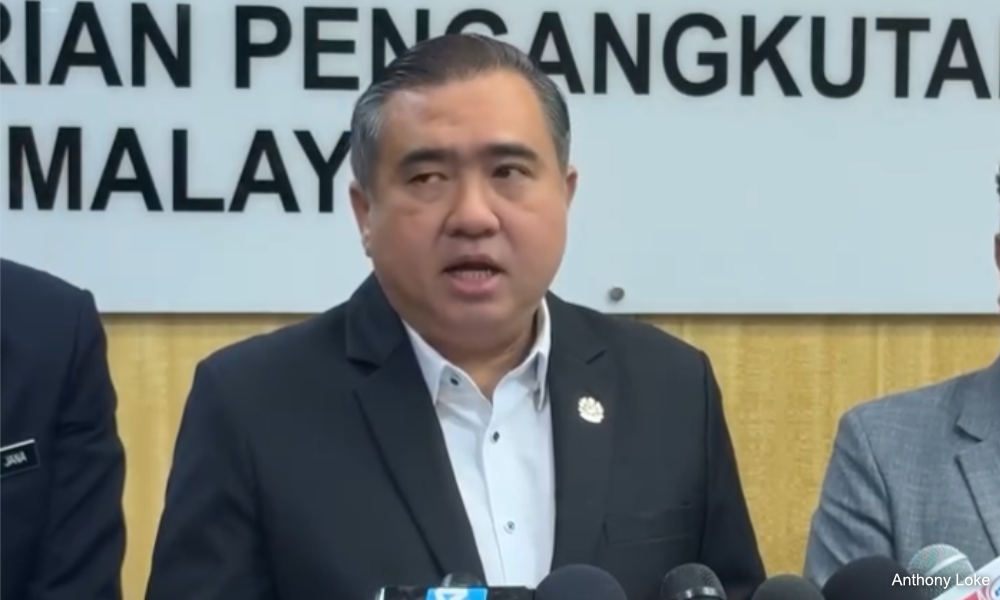
Yesterday, Loke revealed on social media that he had signed off on the relaunch document.
The Aerotrain was originally expected to start running again at the start of the year, but global supply chain issues, system integration challenges, and technical issues caused some delays.
The shuttle train's operations were suspended on March 2, 2023, after a series of publicised breakdowns.
The day before, a breakdown forced 114 passengers to disembark onto the rail track in the rain.