
Govt may reassess SST on imported fruits, DPM says
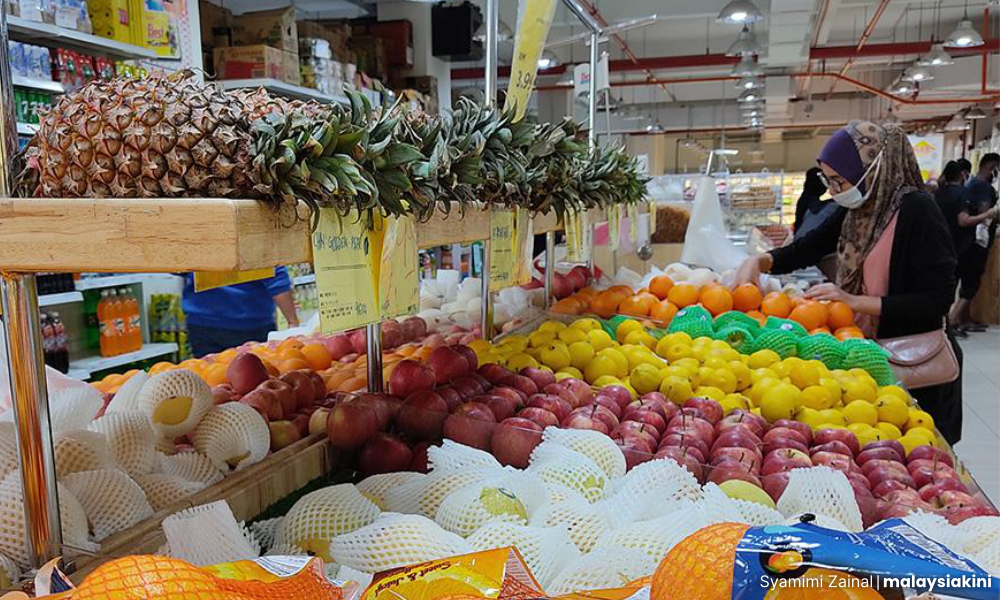
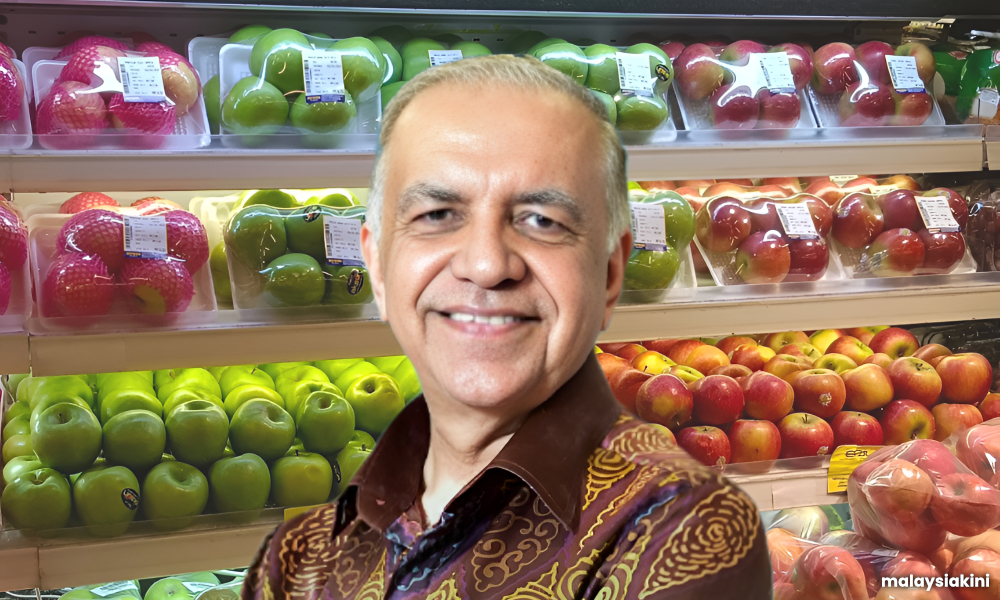
Highlighting that fruits such as apples and mandarin oranges are exclusively imported, he reportedly said the proposal to tax such items should be reconsidered.
Summary
Deputy Prime Minister Ahmad Zahid Hamidi supports calls for the government to review the proposed five percent SST on imported fruits like apples and Mandarin oranges, acknowledging public pushback.
He notes that since such fruits aren’t grown locally, taxing them may not serve the intended purpose of protecting local produce.
Zahid says concerns raised by industry players and the public will be brought to the cabinet, with both the Finance and Economy Ministries believed to be assessing the policy.
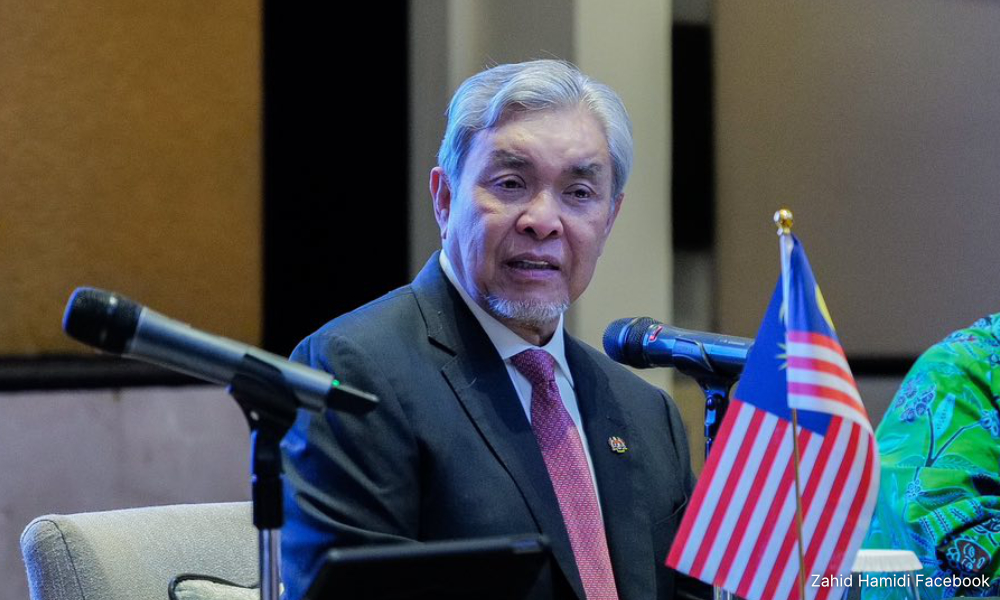
The government may reevaluate the planned imposition of a five percent sales and service tax (SST) on imported fruits, said Deputy Prime Minister Ahmad Zahid Hamidi.
Highlighting that fruits such as apples and mandarin oranges are exclusively imported, he reportedly said the proposal to tax such items should be reconsidered.
“I understand the intent (of taxing imported fruits) is to protect local produce, but we don’t grow apples or mandarin oranges,” Zahid was quoted as saying by Astro Awani after officiating an event in Kuala Lumpur today.
“I believe there is a reasonable basis (for the new SST rates on certain goods) to be reviewed. I think there will be adjustments to certain items classified for taxation at five to 10 percent. (But) don’t take that as conclusive.”
Criticism reflected public concerns
Malaysiakini previously reported that Mydin Mohamed Holdings Bhd managing director Ameer Ali Mydin had criticised the government’s move to impose a tax on imported fruits, calling it “nonsensical”.
He also argued that some imported fruits should be considered essential food items as they are consumed by low-income groups.
Responding to Ameer’s remarks, Zahid said it reflected public concerns and would be brought up during the cabinet meeting.
“The tax revenue from imported fruits isn’t particularly significant, so if SST is imposed, prices will go up… I’m confident the Finance Ministry and the Economy Ministry are also looking into this,” he added.
The government had earlier announced the expansion of SST, which will take effect from July 1, to include several categories of imported fruits, triggering mixed reactions and concerns over its impact on the cost of living.
An aide to Prime Minister Anwar Ibrahim, in the premier’s capacity as finance minister, previously said the legislation is not “divine law”, and future changes remain possible if necessary.
In defending the SST expansion, Anwar previously fuelled criticism after he cited avocados as an example of an imported luxury fruit typically consumed by high-income earners.

Critics reminded Anwar that imported produce includes fruits such as apples and oranges, which are not grown in Malaysia but widely consumed, including by lower-income earners.
Consumer groups also told Malaysiakini that the new SST rate for imported fruits could reduce access to essential nutrients, disproportionately affecting lower-income Malaysians.
However, Treasury secretary-general Johan Mahmood Merican argued that Malaysia already produces sufficient local fruit alternatives that remain exempt from the levy.
He also claimed that imported fruits are considered “discretionary expenditures” as consumers have viable local options.