


/file/publisher-c1a3f893382d2b2f8a9aa22a654d9c97/2025/06/57de7f437fdca9eeed2c53c12151e8a7.jpg)

SST timing, scale 'gravely misguided', groups seek postponement
Six business groups argued in a joint statement that implementing such a broad-based tax hike amid a fragile recovery would exacerbate inflation, cripple SMEs, discourage investment, and erode consumer confidence.
“While we recognise the importance of fiscal consolidation...
Summary
Six business groups urge the government to postpone plans to expand the sales and services tax in July.
They argue that businesses are already struggling with high costs due to recent government measures, coupled with US tariffs.
The Malaysian Plastics Manufacturers Association (MPMA) laments that the new policy rollout was announced without adequate notice, clarity, or stakeholder engagement.
More quarters are urging Putrajaya to postpone the sales and service tax (SST) expansion until the national economy stabilises.
Six business groups argued in a joint statement that implementing such a broad-based tax hike amid a fragile recovery would exacerbate inflation, cripple SMEs, discourage investment, and erode consumer confidence.
“While we recognise the importance of fiscal consolidation, the timing, magnitude, and scope of this tax measure are gravely misguided.
“Hence, we express our opposition and deep concern over the government’s decision to expand SST starting July 1, especially the imposition of eight percent SST on commercial rental and leasing services,” the groups said.
The groups which signed the statement are the SME Association of Malaysia, Malaysia Retail Chain Association, Malaysia Retailers Association, Federation of Malaysia Business Associations, Bumiputra Retailers Organization Malaysia, and Malaysia Shopping Malls Association.
On Jan 9, Finance Minister II Amir Hamzah Azizan said the government would expand the SST beginning July 1 to cover more goods and services.
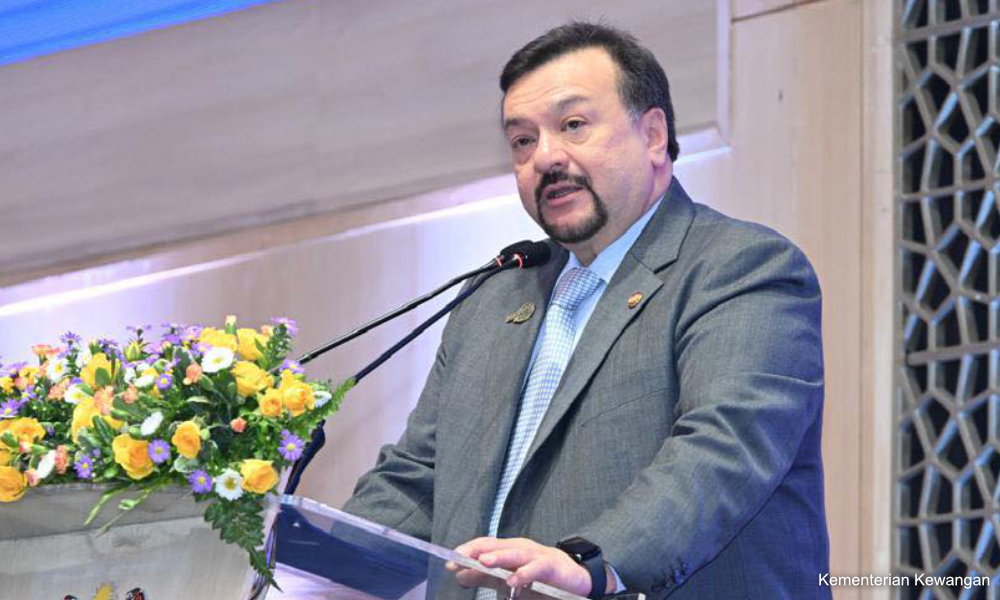
While a zero percent sales tax on necessities will be maintained, non-essential goods will be taxed between five and 10 percent.
“To ensure that the majority of people are not affected by the revision, the Madani government is taking a targeted approach to ensure that basic goods and services are not taxed.
“In addition, various facilities are also being provided to mitigate the impact on micro, small, and medium enterprises (MSMEs),” he added.
Apart from the SST expansion, the government is also mulling reviewing the electricity tariff in July, but Prime Minister Anwar Ibrahim insisted it would not affect 85 percent of the population.
The government is also planning to implement a subsidy rationalisation for RON95 petrol.
Not a rosy situation
Concerned, the business groups reminded the government that they were already dealing with a rapidly escalating cost environment.
This includes dealing with the rise of the minimum wage from RM1,500 to RM1,700, rationalising diesel subsidies, which escalated transportation and logistics costs by 55.8 percent across all sectors, and the mandatory two percent Employees Provident Fund contribution for migrant workers.

“Additionally, the weakening ringgit, rising raw material prices, and increased financing costs due to higher interest rates further exacerbate costs, making it increasingly difficult for SMEs to remain competitive and sustainable,” they added.
Further, they also pointed to global economic volatility due to the tariffs imposed by the US.
“Such volatility could directly impact Malaysian exporters, especially SMEs that are part of global value chains, further eroding export competitiveness, placing additional strain on revenue and jobs.”
The businesses urged the government to:
Postpone the implementation of the SST expansion until Malaysia’s economy is in a more stable and resilient position.
If the government proceeds with the implementation, the proposed SST rate on rental and leasing services should be significantly reduced from eight percent to a level that does not burden businesses.
Introduce threshold exemptions for micro and small enterprises to protect the most vulnerable businesses.
Provide targeted relief or incentives for critical sectors such as retail, services, logistics, etc.
Engage in structured stakeholder consultation with the business community before implementing broad tax reforms.
The groups added: “The business community stands ready to support national fiscal goals, but such goals must be achieved through fair, practical, and inclusive policymaking.”
Lack of transparency from govt over policy
In a separate statement, the Malaysian Plastics Manufacturers Association (MPMA) also urged the government to immediately defer the expanded SST and to initiate structured consultation with affected industries.
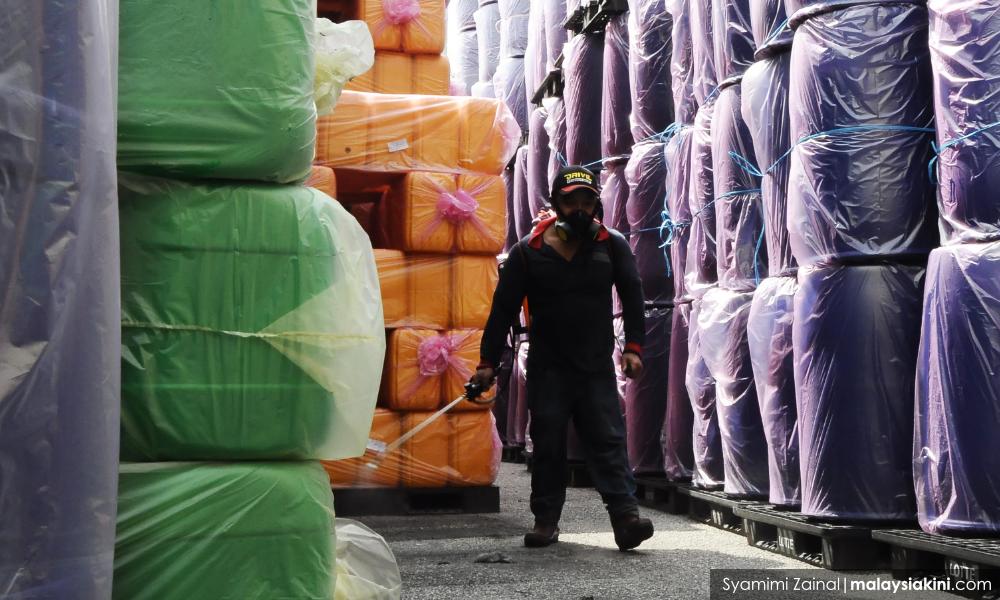
“The sudden rollout announced without adequate notice, clarity, or stakeholder engagement has already disrupted operations, particularly for exporters and companies with raw material shipments currently en route to Malaysia.
“MPMA expresses serious concern over the lack of transparency and consultation in this decision-making process.
“Consultation is not a formality; it is essential. Policies made without industry input often fail to reflect practical realities, leading to unintended consequences such as reduced competitiveness, lower investor confidence, and broader economic instability,” MPMA president CC Cheah said.
Cheah pointed out that raw materials represent between 60 percent and 80 percent of total manufacturing costs, depending on the product, and that plastic products are vital for packaging essential food and beverage items and are critical for medical and hygiene products.
He said that plastic materials are also key components in various industries, including consumer electronics, automotive, agriculture, and construction, adding that many of these products, such as films, bags, containers, bottles, and industrial components, are already subject to a five percent SST rate.
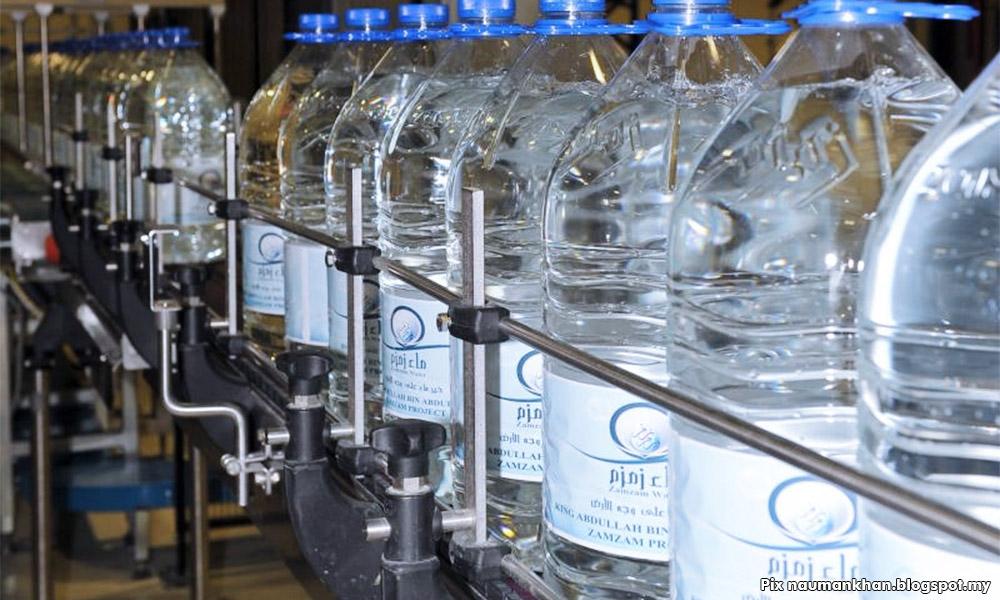
“With the expansion now covering previously exempt raw materials, the industry faces double taxation, which will inevitably increase costs for end consumers.
“The consequences will be particularly harsh for SMEs, which operate with minimal profit margins.
“These businesses will struggle to absorb additional tax burdens and will likely have to pass costs on to consumers, resulting in higher prices for a wide range of essential goods during a time of economic recovery,” he added.
As such, MPMA called on the government to defer the SST expansion until full and transparent consultation is conducted and to provide exemptions or transitional relief for goods already ordered or currently in transit.
The group also called for clear communication on the full scope, timeline, compliance requirements, and for establishing a permanent consultation platform to guide long-term tax and regulatory planning.
/file/publisher-c1a3f893382d2b2f8a9aa22a654d9c97/2020/11/1b5816a9d0f4c612176411728b5792ef.jpg)
/file/publisher-c1a3f893382d2b2f8a9aa22a654d9c97/2025/01/c1370db4a230d42d745ef60b772a3f36.jpg)
/file/publisher-c1a3f893382d2b2f8a9aa22a654d9c97/2025/06/55c68d7756ccb4b48797f1972a1e8342.jpg)
/file/publisher-c1a3f893382d2b2f8a9aa22a654d9c97/2025/06/d0c81d861c7c6217845e707a5fc44ca0.png)


