



KINIGUIDE | FGV delisting: End of Felda's 'experiment'
KINIGUIDE | After more than a decade of being listed on Bursa Malaysia, FGV Holdings Berhad (FGV) is now undergoing the process of delisting.
This follows the Federal Land Development Authority (Felda)’s unconditional voluntary takeover offer to acquire all remaining shares in FGV that it does not already own, at RM1.30 per share.
The primary objective of the offer is to increase Felda’s ownership beyond 90 percent, thereby facilitating the delisting of FGV from Bursa Malaysia’s Main Market.
This marks Felda’s second major attempt to take over FGV, after a similar offer in 2020 - also priced at RM1.30 per share - failed.
As of May 20, Felda directly owned 2.54 billion FGV shares, representing 69.50 percent of the company’s issued capital.
Together with parties acting in concert (PAC), Felda collectively controls about 86.93 percent of FGV’s voting rights.
Origins and listing history
FGV was established in 2007 as a subsidiary of Felda, with the goal of commercialising settlers’ land assets and generating high economic returns.
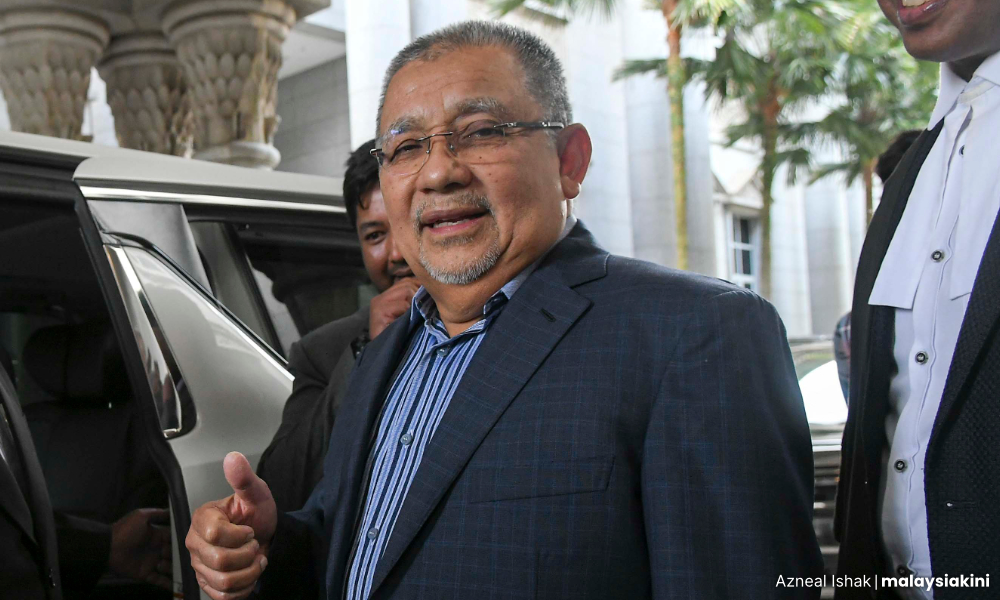
However, the company - and Felda’s management landscape - changed significantly after Isa Samad was appointed Felda chairperson in 2011.
Shortly after, Isa also became chairperson of FGV and played a key role in pushing for FGV’s listing on Bursa Malaysia.
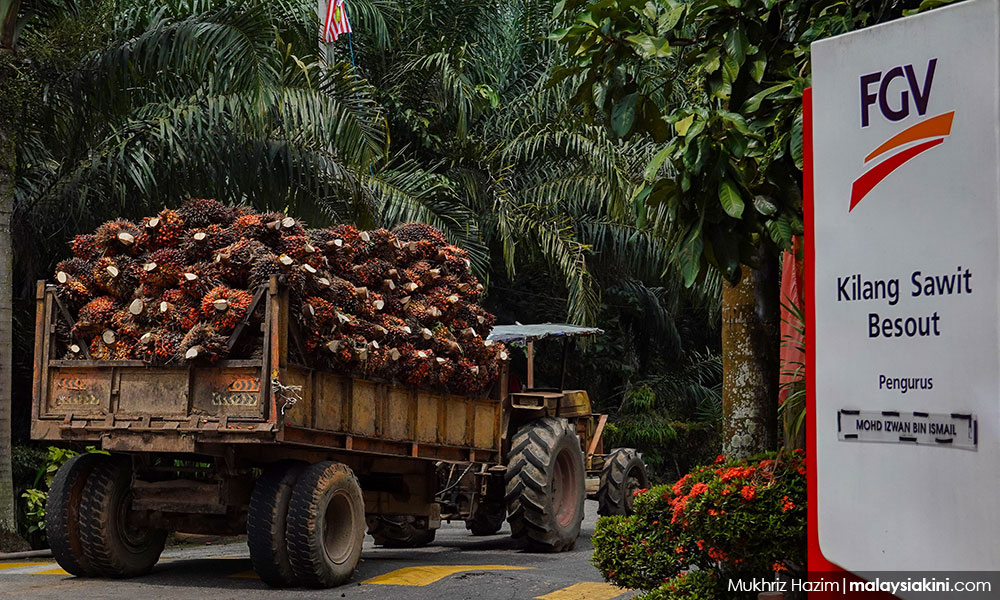
On June 28, 2012, FGV was listed through an initial public offering (IPO) that raised RM10.4 billion, making it the world’s second-largest IPO at the time, behind Facebook Inc.
As part of the listing process, 350,000 hectares of Felda land were leased to FGV for 99 years under a Land Lease Agreement (LLA).
Felda remained the landowner, but FGV was granted the rights to manage, cultivate, and generate income from the plantations. In return, FGV paid Felda a fixed annual lease.
Each Felda settler received a “windfall” payment of RM15,000, distributed in three phases, along with the promise of share ownership in FGV and high annual dividends from the listing.
Shift in ownership structure
Before the listing, Koperasi Permodalan Felda Berhad (KPF) owned 51 percent of Felda Holdings Berhad (FHB), which managed Felda’s key businesses - plantation management, palm oil processing, logistics, and mill operations.
However, during FGV’s listing, FHB’s assets and operations were absorbed into FGV, and KPF was excluded from the new ownership structure due to legal restrictions under the Cooperative Act, which bars cooperatives from investing in public-listed companies.
This led to KPF losing key assets and income streams that had directly benefited Felda settlers.
In 2012, a group of KPF members filed a lawsuit in the High Court, challenging the decision to remove the cooperative from FGV’s ownership.
They argued this move undermined the economic interests of Felda settlers and questioned the transparency and legitimacy of both the listing process and the transfer of FHB’s assets to FGV.
In April 2012, the Kuantan High Court dismissed an interim injunction to stop KPF from transferring its shares in Felda Holdings to FGV, and the listing proceeded as planned.
Governance and investment failures
Years after going public, FGV’s share price plunged from the IPO price of RM4.55 to below RM1 per share.
Contributing factors included poor corporate governance, weak management.
Notable problematic investments include:
• MSM Malaysia Holdings Berhad (MSM): FGV held 51 percent of MSM, the country’s largest sugar refinery with 60 percent market share. However, MSM suffered continued losses due to inefficiency and stiff competition, dragging down FGV’s overall financial performance.
• Trurich Resources Sdn Bhd (TRSB): A joint venture with Lembaga Tabung Haji for oil palm plantations in Kalimantan led to losses exceeding RM700 million.
• Asian Plantations Limited (APL): Acquired by FGV in 2014 for RM628 million, this investment became controversial when FGV sued 14 former directors, including Isa, seeking RM514 million in damages over alleged breach of fiduciary duty.
• Safitex Trading LLC (Pakistan): FGV suffered losses of US$8.3 million in unpaid debt by Safitex, uncovered in a 2016 forensic audit by PwC. The investment was later deemed a failure.
• IFFCO Turkey Joint Venture: FGV partnered with the IFFCO Group for operations in Turkey under Felda IFFCO Turkey, focusing on vegetable oil processing and packaging. Financial details remain undisclosed.
• Twin Rivers Technologies (TRT), USA: FGV owns TRT, a US-based bio-based chemical producer. However, no detailed financial performance has been disclosed.
Mounting controversies
In June 2017, a major crisis erupted when Isa suspended then-CEO Zakaria Arshad.
Zakaria publicly accused Isa of interference and abuse of power, including making financial decisions without proper approval.
The issue led to internal investigations and government intervention, with then-prime minister Najib Abdul Razak ordering an independent audit.
At the height of the controversy, the MACC investigated questionable transactions, including luxury hotel purchases by Felda Investment Corporation (FIC) and uncompetitive foreign investments by FGV.
Isa was implicated in several allegations, including the purchase of the Grand Borneo Hotel in Kota Kinabalu and The Grand Plaza Kensington in London.
Political pressure against Isa mounted, with critics coming from the opposition and within the government itself.
In January 2017, the government appointed Shahrir Samad as Felda’s new chairperson, replacing Isa.
Forced labour allegations and international fallout
In October 2020, FGV’s reputation took another hit when the United States Customs and Border Protection (CBP) banned palm oil imports from the company over allegations of forced labour.
CBP investigations cited forced labour indicators, including deceptive recruitment, restrictions on movement, intimidation, and the withholding of personal documents.
FGV denied all allegations, but the ban strained international trade relations and added pressure to an already troubled corporate performance.
Felda’s takeover
With the listing no longer aligning with Felda’s strategic goals and public shareholding remaining below 25 percent since 2021, Bursa Malaysia eventually rejected FGV’s extension request.
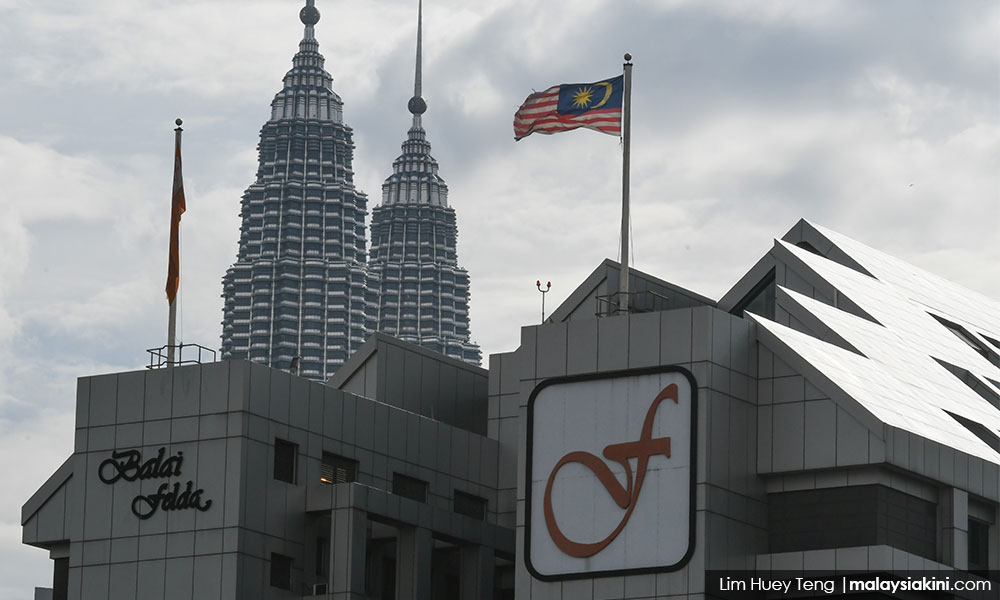
This prompted Felda to accelerate its full acquisition and end FGV’s status as a listed entity.
The delisting is seen as a reflection of the failure of Felda’s government-linked company privatisation model.
It exposed governance weaknesses as well as the inability of the government and Felda to maintain the company’s market value, burdening the public, especially settlers, with corporate failures that were supposed to benefit them.
On a more positive note, the delisting allows Felda to regain full control of FGV, free from stock market constraints, and provides an opportunity to restructure its business model and safeguard settler assets.


