


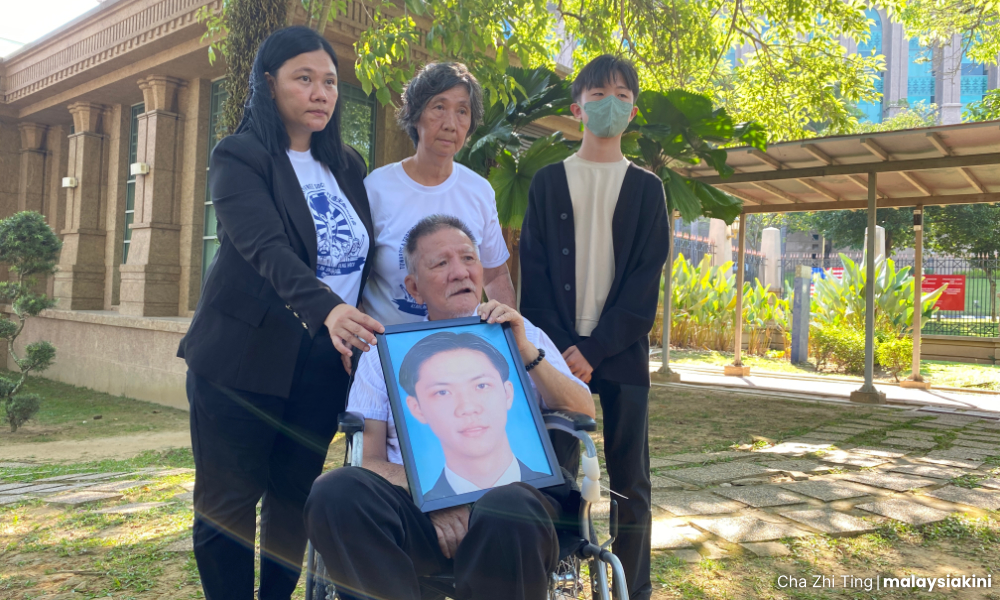

COMMENT | Recycling tragedy, burying accountability
COMMENT | The moment politicians on both sides stop using Teoh Beng Hock’s name to jab each other, and instead demand real institutional reform, regardless of political cost, is when real justice might begin in Malaysia.
From the moment Teoh died in MACC custody in 2009, it became a lightning rod for the opposition, particularly Pakatan Rakyat, as it symbolised state abuse of power, lack of accountability, and institutional impunity.
At the time, Pakatan Rakyat was an informal political coalition between DAP, PKR and PAS.
But here’s the thing, while they did use it politically, they also had a legitimate basis because someone died under state custody.
Teoh was not a political tool. He was a young man, a fiancé, and a public servant whose life ended under circumstances that demanded answers.
COMMENT | The moment politicians on both sides stop using Teoh Beng Hock’s name to jab each other, and instead demand real institutional reform, regardless of political cost, is when real justice might begin in Malaysia.
From the moment Teoh died in MACC custody in 2009, it became a lightning rod for the opposition, particularly Pakatan Rakyat, as it symbolised state abuse of power, lack of accountability, and institutional impunity.
At the time, Pakatan Rakyat was an informal political coalition between DAP, PKR and PAS.
But here’s the thing, while they did use it politically, they also had a legitimate basis because someone died under state custody.
Teoh was not a political tool. He was a young man, a fiancé, and a public servant whose life ended under circumstances that demanded answers.
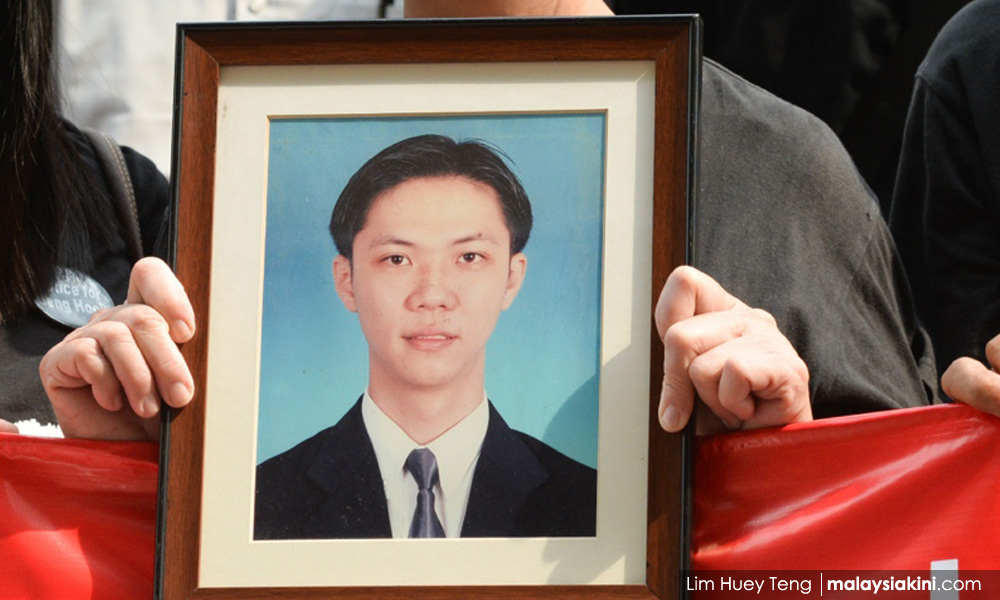
His death shook the nation, not just because of its tragedy, but because it symbolised unchecked power, a culture of impunity, and the absence of accountability in institutions meant to serve the people.
It shook me, too. I remember how horrific it felt. But I had faith in the opposition then and never imagined that even after power changed hands, justice would still be out of reach.
The broken promise lies in the fact that, once in power, Harapan didn’t deliver closure.
Not to his family, nor to the thousands of Malaysians who rallied behind the call for justice.
This, despite public pledges to reopen investigations and pursue justice more decisively.
The urgency that once filled their speeches vanished once they assumed office.
And that’s what hurts more because it wasn’t just Teoh’s family who were betrayed.
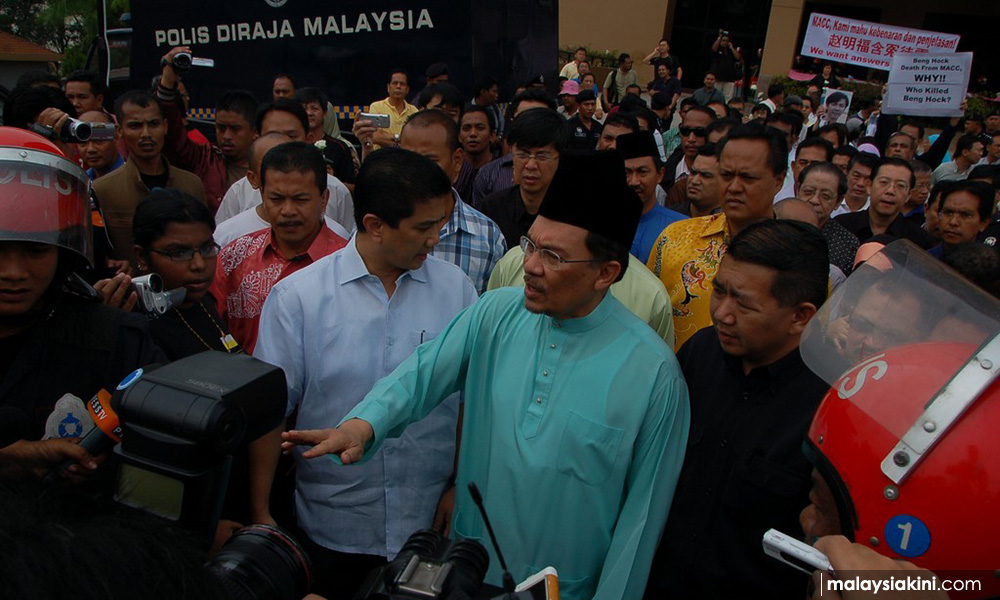
It was also the many Malaysians who believed in the promise of reform, year after year.
They trusted that justice would come, only to find it had been negotiated, postponed, and quietly set aside.
For 15 years, people held on to hope. And now, all they’re left with is the weight of an empty promise.
Should Anwar Ibrahim apologise?
Yes, but not just him.
Anwar Ibrahim and Harapan should acknowledge their failure to follow through on promises.
And that includes DAP, which was among the loudest voices demanding justice for Teoh in the years following his death.
Providing legal support to the family is commendable but it does not exonerate them from the larger promise they made: to uncover the truth and hold those responsible accountable once they came to power.
Justice isn’t just about showing up in court.
It’s about political will, institutional reform, and moral courage.
On that front, the silence has been deafening.
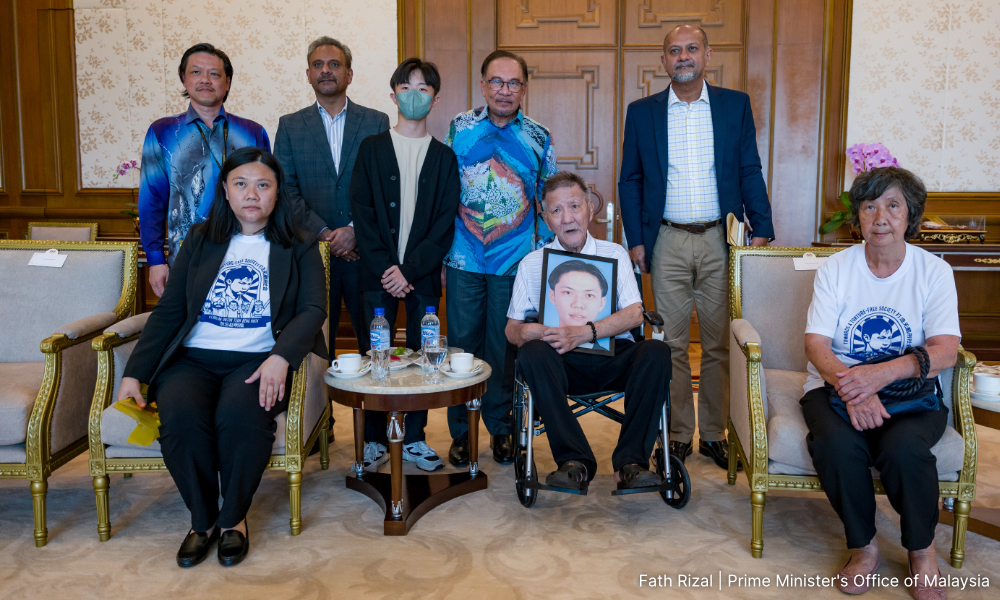
However, Gerakan president Dominic Lau’s call for an apology rings hollow unless he’s also demanding accountability from his own coalition, including PN and former BN figures, for failing to act when it mattered.
Dominic Lau's call now feels opportunistic
Where was Gerakan all these years?
Under BN rule, they were part of the government when the incident happened and said very little.
Now, after the NFA (No Further Action) ruling, suddenly Lau is asking for apologies and an independent commission?
It’s heartbreaking to see Teoh’s tragedy as political mileage, especially by those who remained silent when they had the power to act.
Have we become so numb that even justice can be recycled for convenience?
Justice is being sidelined for narrative control
What’s tragic here is that Teoh’s family and the public are still waiting for justice, and instead the discourse has become about who gets to score moral points and not about why a young man died under the care of the nation's anti-corruption agency.


