
Samling told to address social, environmental harms
This was part of the conditions set by the Forest Stewardship Council (FSC) for Samling to maintain their association with the international certification body, following findings the council made when investigating a complaint lodged by the NGOs in 2022.
The FSC, in a statement, said that...
Summary
Germany-based Forest Stewardship Council (FSC) found evidence of illegal logging and destruction of a high conservation value area in Usun Apau National Park, near a Samling timber concession, and imposed conditions for the company to maintain its association with the council.
Environmental NGOs welcomed the findings, saying they validate long-standing concerns over Samling’s operations and criticised local certification bodies for failing to act.
Editor’s note: An earlier version of this article contained statements that were misattributed and has since been corrected. Samling has also clarified that the FSC’s findings are not conclusive. The error is regretted.
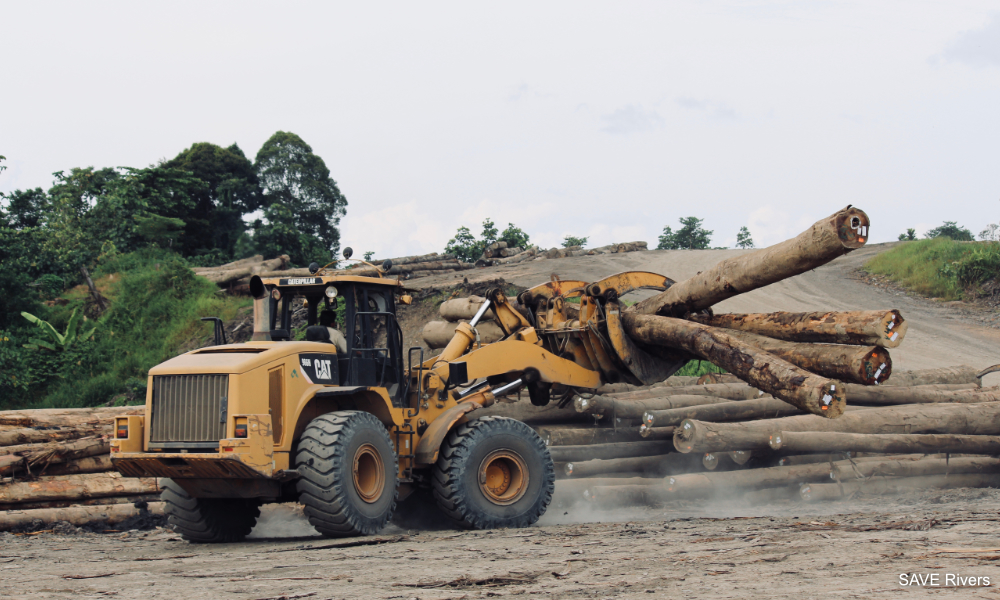
Timber giant Samling has been told to verify and address potential social and environmental harms caused by its logging operations in Sarawak as alleged by a coalition of pro-environment groups.
This was part of the conditions set by the Forest Stewardship Council (FSC) for Samling to maintain their association with the international certification body, following findings the council made when investigating a complaint lodged by the NGOs in 2022.
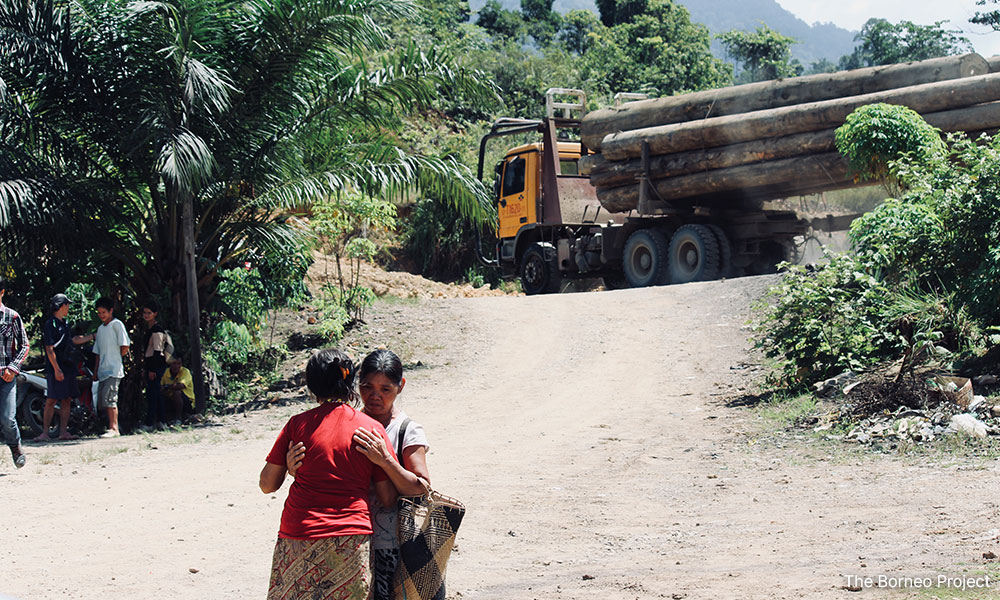
The FSC, in a statement, said that while it could not confirm the full extent of the complainant’s allegations, it did find illegal logging and destruction of high conservation value (HCV) areas in a national park adjacent to one of Samling’s concessions in Sarawak.
In particular, it said there was “clear and convincing evidence” of such activities in an area in the Usun Apau National Park in Sarawak.
“In order to maintain association with FSC, Samling will have to make meaningful compensation for an area in the Usun Apau national park where clear and convincing evidence of illegal logging and HCV destruction has been found,” it said.
The FSC said Samling had terminated its FSC certification in April 2024, which had affected the handling of the investigation.
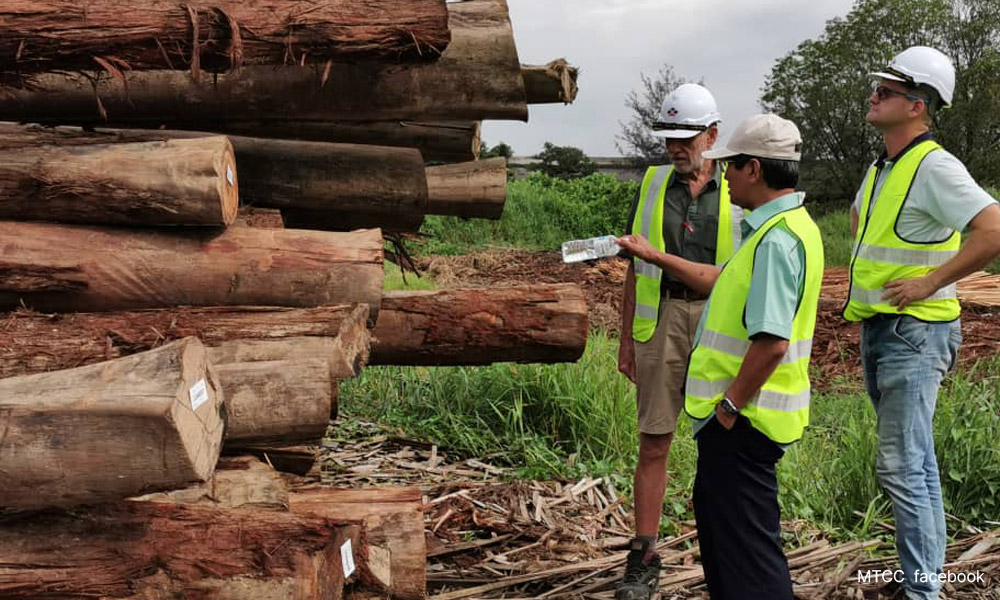
It commissioned an independent Geographic Information System (GIS) analysis of selected, relevant forest concessions managed by Samling in the Borneo state.
The analysis, it said, indicated “the possibility of further risks of HCVs destruction and conversion” in forests where Samling has timber concessions.
“With regards to the specific HCVs impacted by Samling’s activities, the GIS analysis could not confirm the full extent of the complainant’s allegations. However, the GIS analysis did indicate the possibility of further risks of HCV destruction and conversion.
“Therefore, the decision panel emphasised the need to address these allegations and reflected this in the conditions.
“They also acknowledged that the scale of HCV destruction could potentially be greater than that confirmed in the GIS analysis,” it said in a statement dated April 25.
The statement also acknowledged limits of relying on analysis of satellite data, in particular when it comes to assessing the NGOs’ claims for violations of traditional and human rights.
Case against Samling
FSC is a non-profit global organisation that provides certification for forest products, according to its standards designed to address a broad range of environmental, social, and economic factors.
It launched a Policy for Association (PfA) case against Samling in May 2023 based on a complaint submitted by a coalition of organisations, including Save Rivers, Gerenai Community Rights Action Committee, Keruan Organisation, The Borneo Project, and Bruno Manser Fund nearly a year earlier.
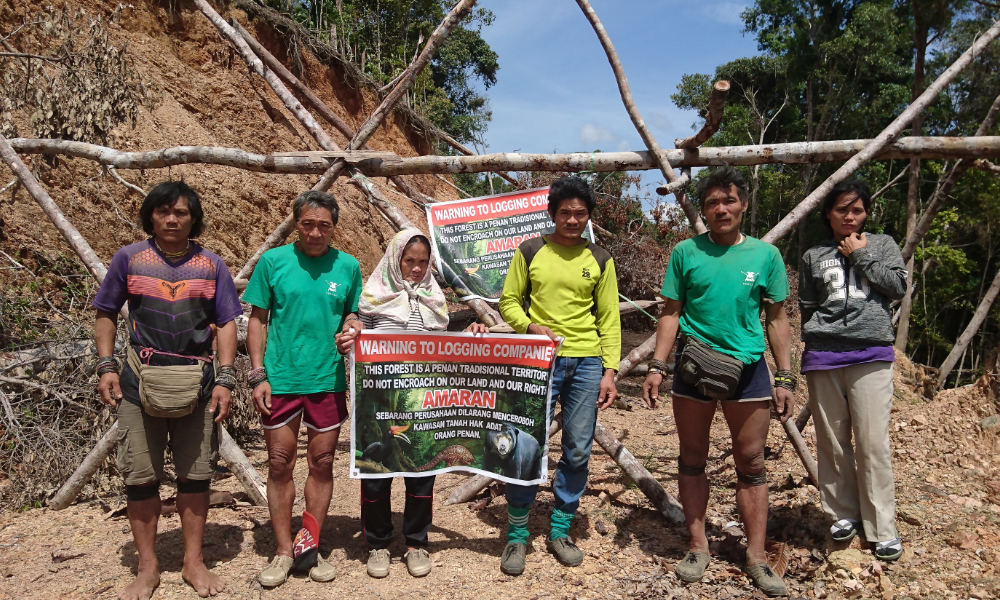
The groups claimed Samling had violated FSC’s policy related to illegal logging, violation of traditional and human rights in forestry operations, destruction of high conservation values in forestry operations, and significant conversion of forests to plantations or non-forest use.
Meanwhile, the NGOs celebrated the investigation outcome in a joint statement, claiming it validates their allegations against Samling.
“This decision was a long time coming, but it validates what the communities and NGOs have been saying all along.
“Samling’s logging operations in Sarawak fall far short of international standards,” said Save Rivers managing director Celine Lim.
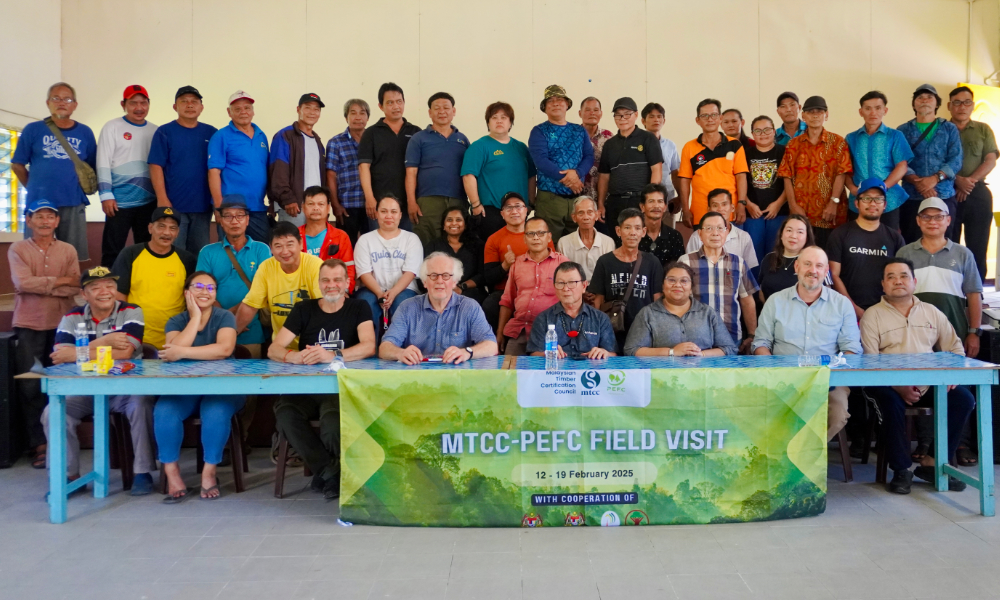
The Borneo Project, meanwhile, said FSC’s findings showed the Malaysian Timber Certification Scheme (MTCS) had ignored Samling’s violations of its own standards.
“This investigation shows that Samling was operating in clear contravention of both certification standards and state law, yet these operations remained MTCS-certified.
“MTCS needs to take a long, hard look at how to rebuild public trust,” said The Borneo Project’s executive director Jettie Word.
Lukas Straumann, the executive director of Bruno Manser Fund, meanwhile hopes the findings would prompt the Sarawak Forestry Department to investigate Samling and penalise the company for its violations.