
Delay RON95 rationalisation, electricity tariff hike - MPs tell govt
PARLIAMENT | Two MPs have called on the government to delay incoming fiscal policies, such as the RON95 subsidy withdrawal and electricity tariff hike, in light of the US tariffs.
During a parliamentary special sitting on the tariffs, both opposition leader Hamzah Zainudin (PN-Larut) and DAP veteran Lim Guan Eng (Harapan-Bagan) cited worries over financial burdens on consumers.
PARLIAMENT | Two MPs have called on the government to delay incoming fiscal policies, such as the RON95 subsidy withdrawal and electricity tariff hike, in light of the US tariffs.
During a special parliamentary sitting on the tariffs today, opposition leader Hamzah Zainudin (PN-Larut) and Lim Guan Eng (Harapan-Bagan) expressed worry about the financial burden on consumers.
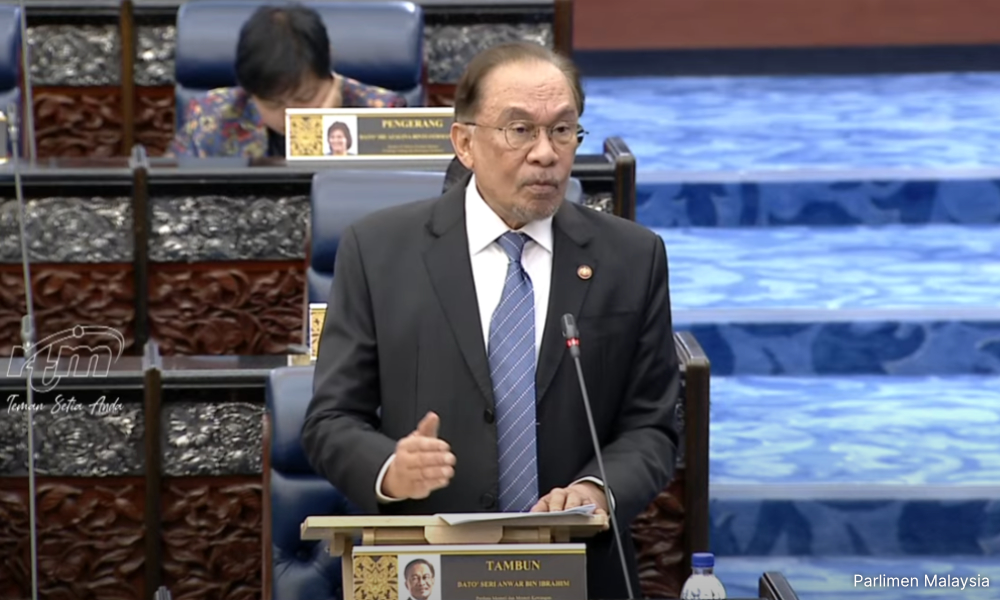
In Hamzah’s debate on the matter, he named the increased price of RON95 - the more commonly used fuel for everyday vehicle consumption - as a burden on top of the US tariffs.
“I urge the government to be concerned and take seriously the impact of the implementation of the tariffs.
“We should postpone any policy changes, especially our country’s fiscal policies, which could put pressure on costs and weaken business sentiment and ultimately burden consumers.
“I want to give an example on the increase of RON95 prices this July, so the government will take into account, and if possible to postpone, we postpone.
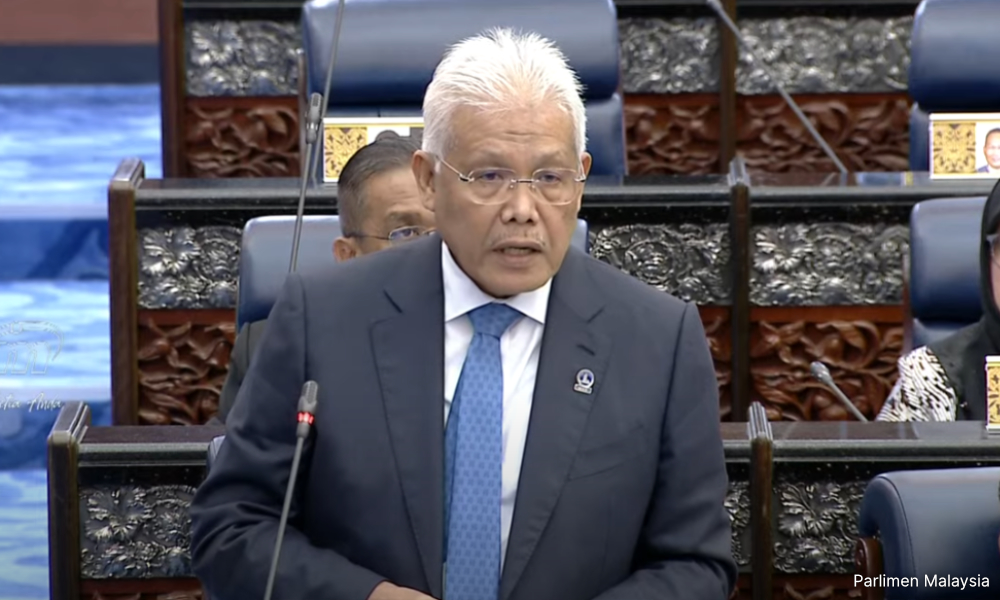
“Same with the electricity tariff hike in July,” Hamzah (above) told the Dewan Rakyat.
On April 3, US President Donald Trump announced that all imports into the US would be slapped with a baseline 10 percent tariff.
Starting April 9, the US will impose higher tariffs at “half” the purported amount that is imposed by other countries on US exports.
The move saw the US slapping “reciprocal tariffs” of 24 percent on Malaysia.
It had earlier been suggested that the Trump administration may have used artificial intelligence to determine its tariff formula, as multiple users found that platforms such as ChatGPT would furnish the same formula when asked how to calculate the reciprocal tariffs.
‘Drive economy, protect local businesses’
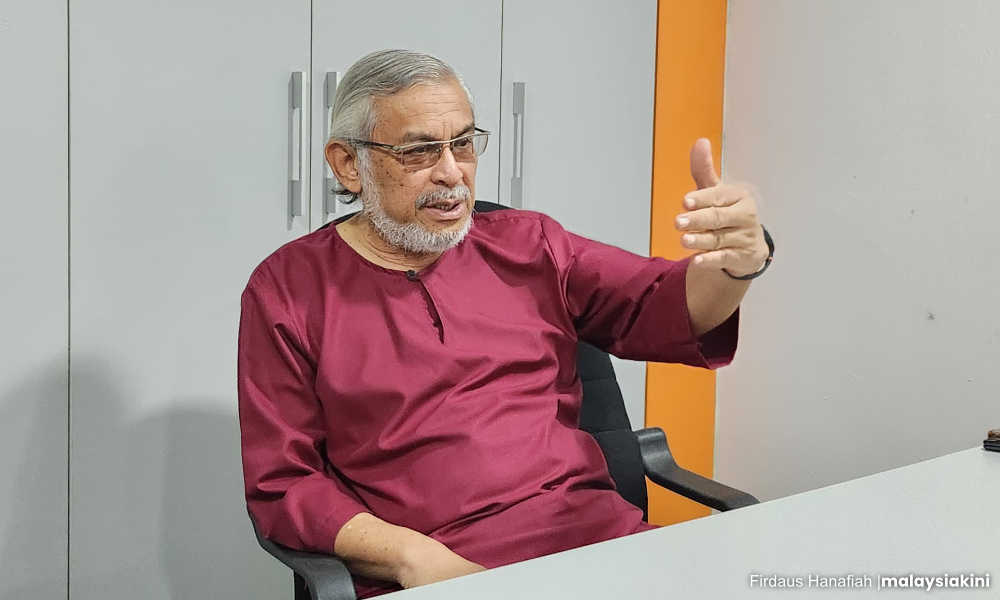
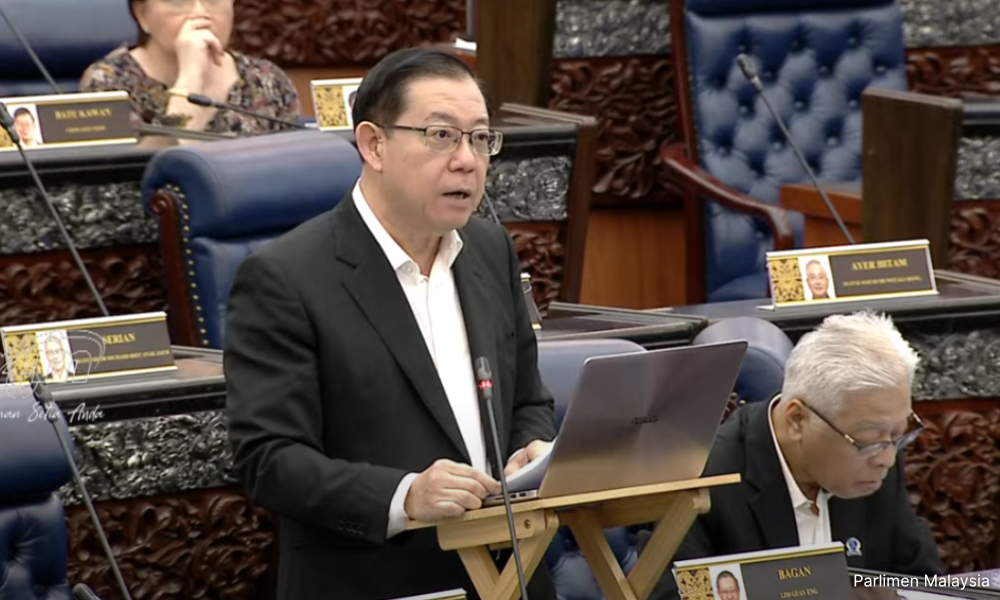
Speaking on the tariffs, Lim’s suggestions were similar to the PN leader’s, but he had other fiscal measure recommendations, including delaying the e-invoicing implementation.
“The government should also consider withdrawing the proposed two percent Employees Provident Fund (EPF) contribution by employers for migrant workers,” the former finance minister said.
He also called for Bank Negara Malaysia to reduce its overnight policy rate to two percent from the current three percent.
“As inflation is increasingly under control, the main target should be focused on driving economic growth,” he explained.
Besides that, he said the government should provide an economic stimulus package to those who have lost their jobs due to the US tariffs.
The banking sector should also provide flexible payments on loans, he added.
Lim further suggested a requirement for all investors, local and international, to purchase at least 50 percent of local goods.
“Many small and medium enterprises (SMEs) have complained that foreign contractors who win government and private bidding only buy goods from their home countries, so local SMEs do not obtain any business orders.
“And if they don’t receive business orders, then they can’t survive, and we worry that this could force them to close shop.
“An equally important matter is to protect local traders from trade diversion, especially dumping of products by countries that are blocked from entering the US market, such as China.
“We worry that if products cannot enter the US, does this mean they will shift to enter Malaysia, and if this happens, will action against the dumping of goods be improved so that local industries are not flooded with cheap foreign goods, to the point where local traders are forced to go out of business because they are unable to sell their goods,” he said.
Lim urged the government to pivot its development spending to sectors that drive economic growth, such as the financial and logistics services sectors.
He said this would help reduce Malaysia’s service deficit against other countries, especially neighbouring country Singapore.