
COMMENT | Carbon pricing can reduce palm oil supply chain emissions
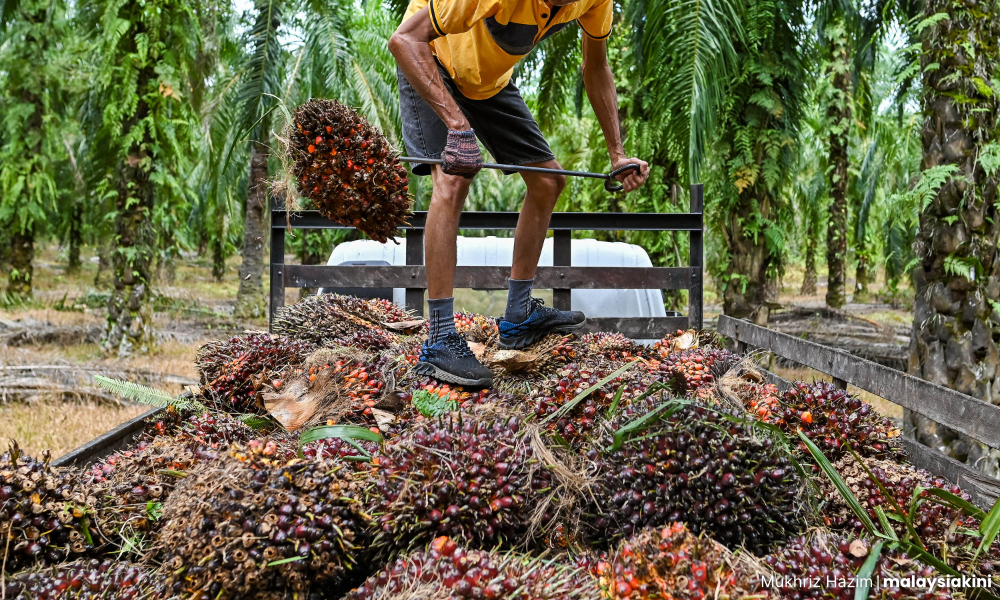
COMMENT | Despite Malaysia’s commitment to sustainable palm oil production through certification, oil palm cultivation continues to cause deforestation, biodiversity loss, ecosystem degradation and climate change.
These certification efforts include the Roundtable on Sustainable Palm Oil (RSPO) and Malaysian Sustainable Palm Oil (MSPO).
This is largely due to resistance from certain industry players concerned about potential profit losses and the slow adoption of sustainable practices and technologies.
Many palm oil producers hesitate to invest in green alternatives due to high costs, uncertain returns and the complexity of switching to sustainable models.
These barriers slow progress and make it harder to adopt environmentally responsible practices across the sector.
COMMENT | Despite Malaysia’s commitment to sustainable palm oil production through certification, oil palm cultivation continues to cause deforestation, biodiversity loss, ecosystem degradation and climate change.
These certification efforts include the Roundtable on Sustainable Palm Oil (RSPO) and Malaysian Sustainable Palm Oil (MSPO).
This is largely due to resistance from certain industry players concerned about potential profit losses and the slow adoption of sustainable practices and technologies.
Many palm oil producers hesitate to invest in green alternatives due to high costs, uncertain returns and the complexity of switching to sustainable models.
These barriers slow progress and make it harder to adopt environmentally responsible practices across the sector.
What we may truly lack is stronger motivation or effective incentives to drive real change.
The typical carbon pricing mechanism imposes costs on emissions, encouraging businesses to lower their carbon footprint in order to avoid financial penalties.
But what if, instead, we incentivised businesses by rewarding them for the emissions they successfully reduce?
Integrating smallholders into green supply chains
To reduce emissions from the palm oil industry, we must first recognise that the largest source comes from indirect emissions across supply chains.
Addressing this requires a holistic approach that looks beyond direct production to include the entire supply chain’s environmental impact.
One way to achieve this is by adopting sustainable sourcing practices to reduce the environmental footprint.
This involves choosing suppliers with strong sustainability credentials, ensuring responsible land use and promoting efficient resource use throughout the supply chain.
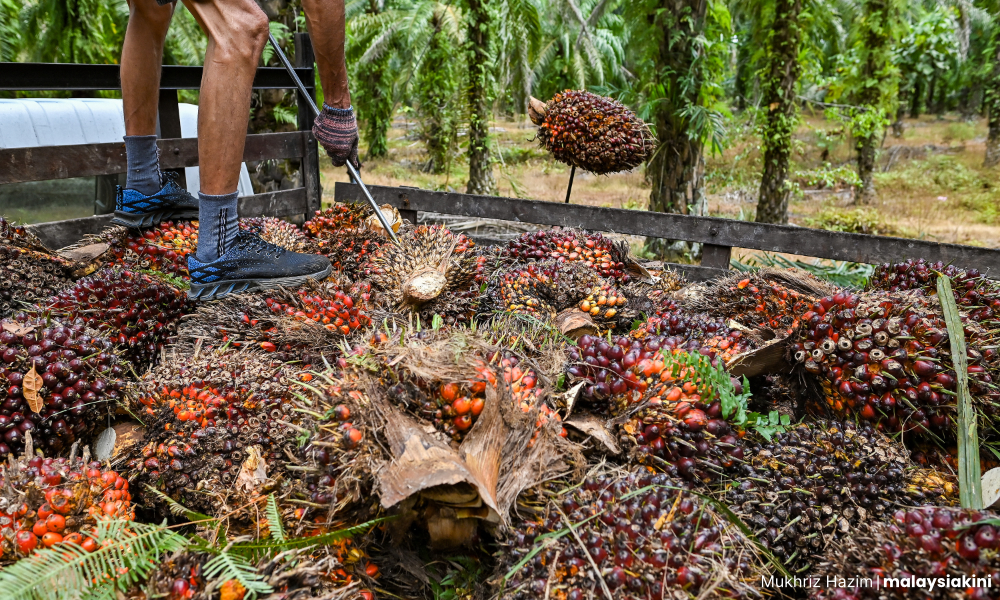
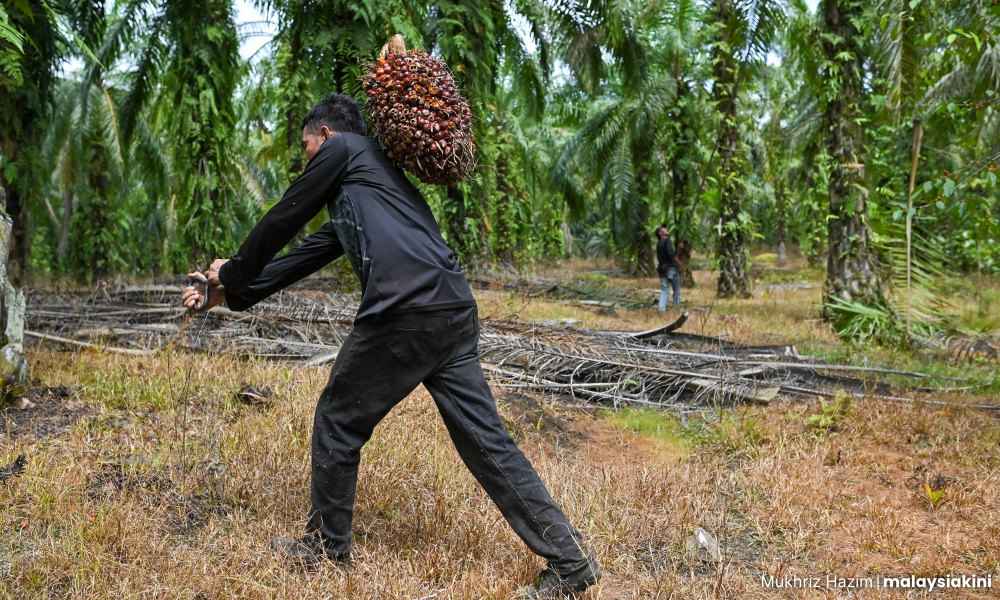
According to the MSPO, smallholders play a vital role in Malaysia’s palm oil supply chain, contributing 40 percent of the total output and producing 18 million tonnes of oil palm annually.
Collaborating with smallholder suppliers who adopt sustainable practices allows palm oil companies to significantly reduce their environmental impact and foster long-term, positive change.
This approach also integrates environmental, social, and governance (ESG) principles into supply chain management, building customer and investor loyalty.
Incentives to drive emissions reduction
Many suppliers of palm oil companies are smallholder farmers facing challenges such as limited resources, technology, capital, fluctuating prices and small plantation sizes.
So, how can we motivate them to embrace sustainability?
We need to offer the right support by addressing their challenges. This could include awareness campaigns on sustainable practices and an incentive system that rewards them for reducing emissions.
Rather than dictating how and where emissions should be reduced, a carbon price sends a signal to the palm oil smallholders, allowing them to choose between keeping their current practices or adopting changes to reduce emissions and earn rewards.
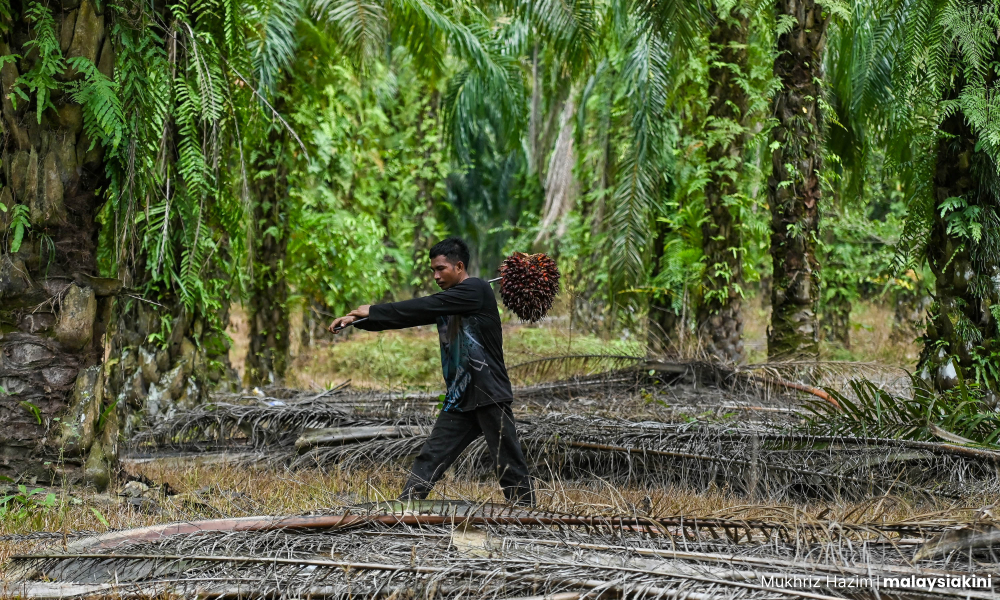
Nestlé is, for instance, investing US$1.3 billion by 2025 to support and accelerate the transition to a regenerative food system across its global supply chain.
To support smallholders, Nestlé provides training to share best practices that can be applied locally. Additionally, Nestlé also offers premiums for raw materials produced using regenerative practices and will purchase in larger quantities.
Relevant to other industries
A survey by Carbon Trust Advisory revealed that 50 percent of multinationals plan to choose suppliers based on their carbon performance in the future.
Furthermore, 29 percent of suppliers risk losing their place on “green supply chains” if they lack strong carbon performance records.
On the positive side, 58 percent of multinationals are willing to pay a premium for suppliers with lower carbon emissions.
As a result, more suppliers across various industries will be motivated to adopt sustainable practices, not only to stay competitive but also to generate additional revenue through these incentives.
As more companies strive for net-zero emissions, addressing indirect emissions (Scope 2 and 3) has become just as crucial as tackling direct emissions (Scope 1).
Scope 3 indirect emissions, which are not covered by Scope 2, arise from activities across the supply chain, product use and end-of-life disposal. They can make up over 70 percent of a company’s carbon footprint.

For companies committed to the Science-Based Targets Initiative, setting net-zero reduction targets for Scope 3 emissions is required if they account for 40 percent or more of total emissions.
However, many companies, especially palm oil producers, exclude Scope 3 emissions from their greenhouse gas inventories due to challenges in gathering data and the complexity of their supply chains.
To reach their targets, companies can focus on influencing key players in their supply chains, such as a specific percentage of suppliers, to embrace sustainable practices.
This strategy can create a ripple effect, promoting wider industry change. By collaborating with suppliers and other stakeholders, businesses can reduce their environmental impact and inspire others to do the same, setting new sustainability benchmarks across the sector.
CHONG YEN MEE is a UNFCCC Roster of Experts member and a consultant working with Soon Hun Yang, who founded Eco-Ideal Consulting Sdn Bhd, a local environmental consultancy specialising in carbon advisory services.
The views expressed here are those of the author/contributor and do not necessarily represent the views of Malaysiakini.