
Understanding mental health issues and how they affect adolescents
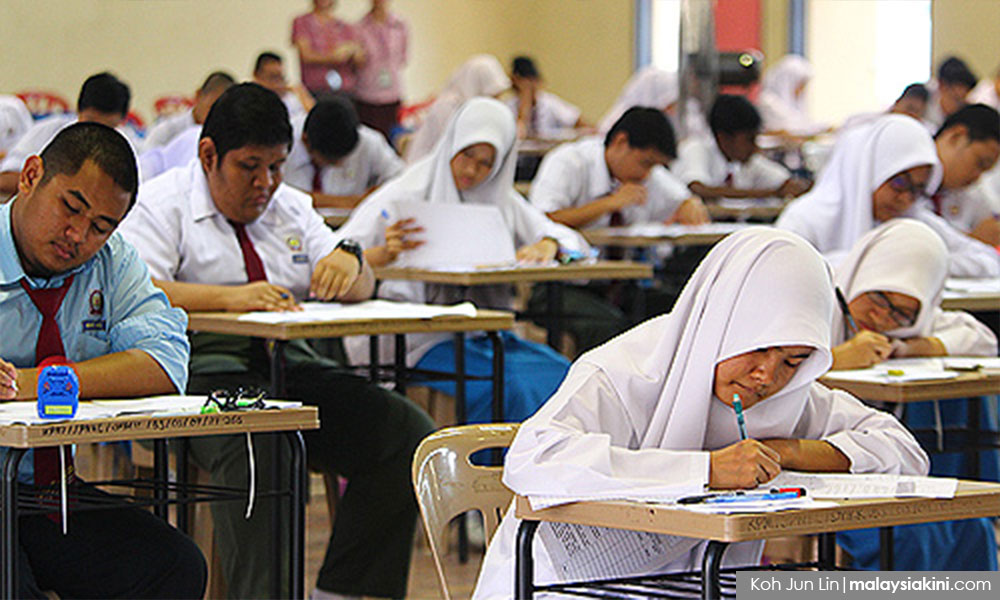
Its chairperson Lee Lam Thye said the increasing cases of mental health issues, coupled with tragic instances of suicide, highlight the severe emotional and psychological stress many students endure due to academic pressure, parental expectations, and the challenges of adolescence...
Summary
The Alliance for a Safe Community highlights increasing mental health problems among secondary school students in Malaysia, with 16.5 percebt of children aged five to 15 experiencing issues. Peer problems and emotional issues are key contributing factors.
Mental health symptoms in adolescents are often mistaken for typical teenage behaviour, and stigma prevents many parents from seeking professional help. Adolescents may also hesitate to share their concerns due to fear of judgment or privacy issues.
Experts suggest that parents educate themselves on mental health, encourage open communication, monitor changes in behaviour, and seek professional help if needed. Early intervention and adherence to treatment plans can significantly improve outcomes.
On Dec 8, the Alliance for a Safe Community urged the Education Ministry to address mental health issues affecting secondary school students to safeguard the future of Malaysia’s younger generation.
Its chairperson Lee Lam Thye said the increasing cases of mental health issues, coupled with tragic instances of suicide, highlight the severe emotional and psychological stress many students endure due to academic pressure, parental expectations, and the challenges of adolescence.
Malaysiakini reached out to an expert on mental health issues affecting children and adolescents and found out that one out of six children in Malaysia experience mental health problems.
“Based on the National Health and Morbidity Survey (NHMS) 2023 by the Health Ministry, among children and adolescents aged five to 15 years old, 16.5 percent of them suffer from mental health issues.
“Among the causes are peer problems (46 percent) and emotional issues (17 percent),” said Universiti Malaysia Sarawak psychiatrist and medical lecturer Nur Iwana Abdul Taib to Malaysiakini.

Elaborating, she said the National Health and Morbidity Survey: Adolescent Health Survey 2022 highlighted the urgent need for increased attention to adolescent mental health in Malaysia.
For example, Iwana said based on the report, 26.9 percent of adolescents in Malaysia are depressed.
“16.2 percent of adolescents are reportedly feeling lonely, with 12.9 percent unable to sleep at night due to worry.
“In terms of suicidal ideation, plan, and attempt were observed among 13.1 percent, 10 percent, and 9.5 percent of adolescents, respectively. About 4.2 percent revealed having no close friends,” she noted.
Identifying mental health issues
Asked about the challenges faced in identifying mental health problems among adolescents, Iwana mentioned that subtle symptoms often get mistaken for normal developmental phases.
“For example, an adolescent withdrawing from family or becoming irritable might be dismissed as typical teenage behaviour.
“Similarly, academic struggles could be attributed to laziness or insufficient study, rather than underlying mental health issues,” she said.
Despite rising awareness of mental health issues, Iwana said stigma still prevents some parents from seeking help for their children.
“This includes fear of being judged by others and lack of understanding about mental health conditions.
“Due to denial and avoidance, parents may minimise the severity of their child’s mental health symptoms, hoping that the issue will improve without the need for professional intervention,” she added.
Iwana mentioned that adolescents themselves may be reluctant to share their health concerns due to privacy concerns and fear of being judged – such as being labelled weak or crazy.
Some families, she added, are not open to discussing emotions and feelings with each other – which may deter the child from seeking help from their parents.
“And parents who are overwhelmed by stress or other demands, such as work or household responsibilities, may struggle to recognise their child’s mental health needs.”
However, Iwana said that with rising awareness, parents may not be dismissive of their children’s plight but do not know what to do.
And this problem is hampered by the fact that mental health services in Malaysia are not that widespread.
What can parents do?
On what parents can do to help their adolescents in such cases, Iwana offered several suggestions, starting with educating oneself on mental health conditions.

“Educate yourself to learn about mental health conditions and seek advice from a qualified mental health professional if you have any concerns regarding your child’s behaviour.
“Encourage open and honest communication with your child. This includes listening to your child’s feelings and concerns, without judgement or criticism.
“Check in with your child regularly by asking ‘How are you doing?’ or ‘Is everything ok?’,” she said.
Iwana also urged parents to monitor changes in their adolescent’s behaviour, academic performances, and interactions for early intervention.
“Try to normalise seeking help for your child to combat the stigma. You can also connect with other parents or support groups to share experiences and learn from each other.
“Seek professional help for your child if you notice persistent symptoms or significant distress. Early intervention can significantly improve outcomes.
“Not only that, we must also follow through with treatment by adhering to the recommended treatment plan, including medication and therapy,” Iwana stressed.