


/file/publisher-c1a3f893382d2b2f8a9aa22a654d9c97/2024/12/5df98bde4b274b5096edbd5db074bbb8.jpg)

Cops: Home of Sabah hero's widow not demolished, issue exploited
The issue gained traction on social media when reports emerged about Sitti Bandorah Mahalil, the widow of the late Sergeant Abdul Azis Sarikon - who was killed during the 2013 Sulu intrusion -expressed her disappointment over alleged police actions to demolish her home...
Summary
Sabah police say Sitti Bandorah Mahalil’s house was not demolished, issue exploited to undermine operations.
Cops say only unoccupied houses of undocumented individuals were dismantled; no Malaysian-owned homes were affected.
Police urge public understanding of efforts to address squatter settlements.
Sabah police commissioner Jauteh Dikun said the controversy surrounding the demolition of homes on Pulau Bugaya, Semporna, has been exploited by certain parties.
The issue gained traction on social media when reports emerged about Sitti Bandorah Mahalil, the widow of the late Sergeant Abdul Azis Sarikon - who was killed during the 2013 Sulu intrusion -expressed her disappointment over alleged police actions to demolish her home.
Jauteh, as quoted by Utusan Borneo, said Sitti Bandorah’s house in Kampung Alab was not demolished during the operation.
He explained that the house in question is occupied by Sitti Bandorah’s sibling and nephews.
“The police have found that this issue is untrue, as the widow of the late sergeant does not reside in the said house. The house belongs to her father and was built in the 1980s. It is currently occupied by her sibling and nephews.
“Our investigation also revealed that Sitti Bandorah lives in her home on the mainland and owns several other houses herself.
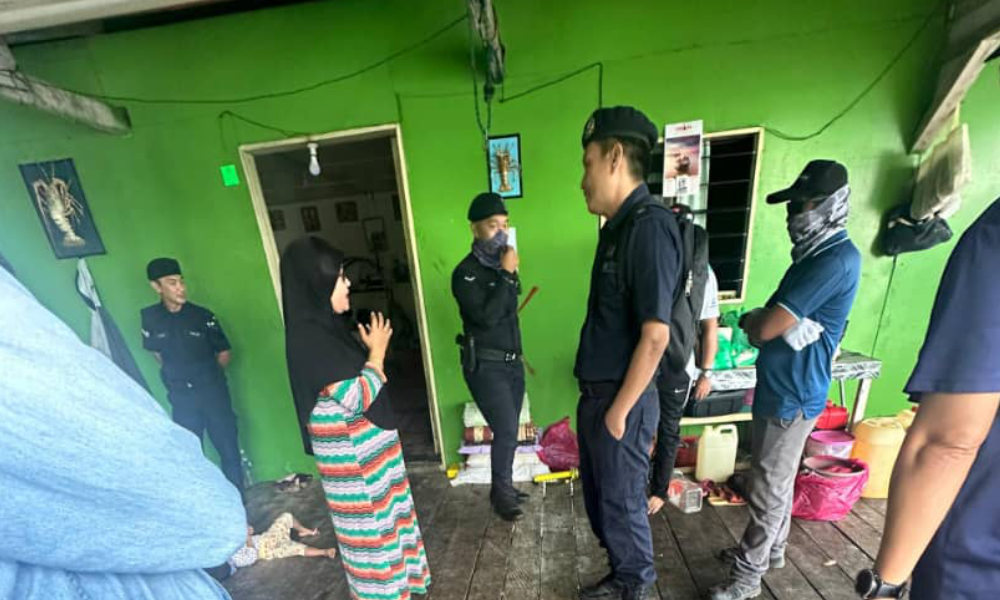
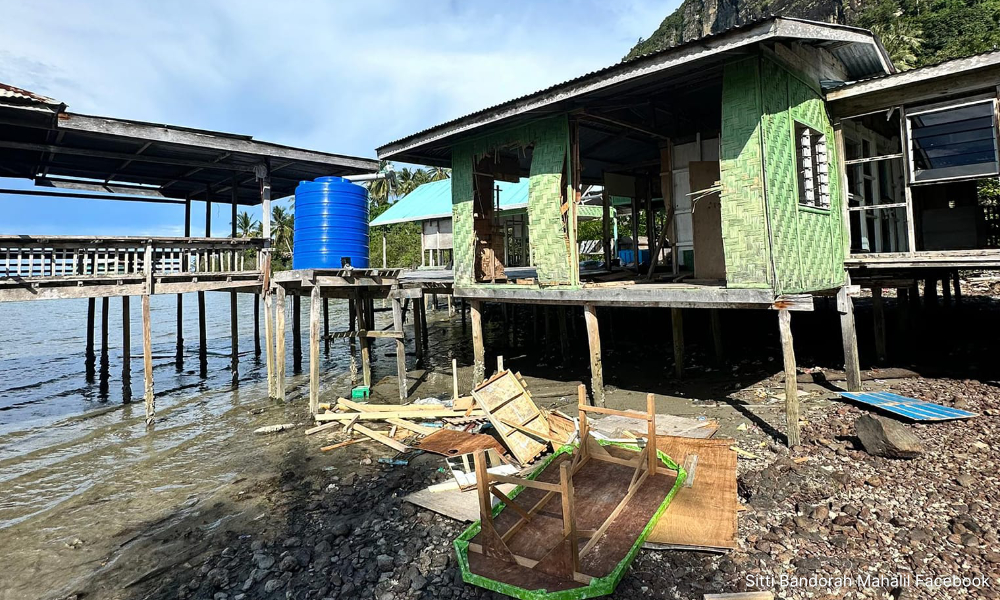
“During the demolition operation, enforcement officers did not issue any threats against the individuals involved. Importantly, the house in question was never demolished. Only a few unoccupied houses believed to belong to undocumented individuals near the area were dismantled,” Jauteh said.
Claims of threats by police
Sitti Bandorah’s late husband was among six police officers killed in an ambush by armed terrorists in Kampung Simunul, Semporna, during the 2013 Sulu intrusion.

She previously voiced her disappointment when authorities from various agencies, including the police and statutory body Sabah Parks, reportedly instructed residents in her village to vacate their homes.
However, her family and other residents refused to comply, claiming they were threatened with arrest.
“They said, ‘Pack up, your house will be demolished.’

“I asked, ‘What if I refuse and insist on stopping you from demolishing our house?’ They replied, ‘You will be arrested and taken to the station.’
“But later, after we packed up, they said they would return to dismantle our house,” she told Malaysiakini.
The single mother questioned why authorities were targeting local residents, who are Malaysian citizens, for eviction. She also alleged that some officers involved in the operation treated her family harshly for not vacating their home.
However, Jauteh emphasised that the police had directives not to demolish homes owned by citizens or locals.
“According to records, out of the 3,257 houses demolished under the Op Koloni Setinggan operation, none belonged to Malaysian citizens. I believe this issue has been exploited by certain groups to undermine the efforts of the police in reducing or eliminating colonies of undocumented migrants’ squatter settlements.
“For the record, this individual (Sitti Bandorah) also has a child who is a senior police officer, further reinforcing the possibility that certain parties are manipulating this issue to weaken the ongoing operations led by the police to address squatter colonies of undocumented immigrants in Sabah,” he said.
‘Misunderstanding’
Jauteh added that the police have not received any formal reports but do not rule out taking action against those allegedly exploiting the matter.
“After the issue arose, we dispatched our acting Semporna district police chief to meet the family and understand the actual situation.
“Feedback from Sitti Bandorah indicates that she occasionally visits the area to see her family and admitted there was some misunderstanding during the process.
“We will continue our investigation, and I urge the public to remain informed about this case and not blame the authorities for carrying out operations to address the influx of undocumented immigrants and squatter colonies, especially on Sabah’s eastern coast,” he said.
/file/publisher-c1a3f893382d2b2f8a9aa22a654d9c97/2024/10/08fe83753f5164d5cba2a7b98b84683e.jpg)
/file/publisher-c1a3f893382d2b2f8a9aa22a654d9c97/2024/12/6060bffef0193f633b5786cb4cd8c252.jpg)
/file/publisher-c1a3f893382d2b2f8a9aa22a654d9c97/2023/07/15e0e8e5a0efcc7efcdf99b8fdd83c4b.jpg)
/file/publisher-c1a3f893382d2b2f8a9aa22a654d9c97/2024/08/6a42a64eb841fb298a5f6bee3ca8e9d9.jpg)
/file/publisher-c1a3f893382d2b2f8a9aa22a654d9c97/2024/07/bc0d2402e28513be1278aa6e25e0f3f5.jpg)


