
77 vs 55: Dewan Rakyat passes Online Safety Bill amid objections
According to voting records, 77 MPs voted for the Bill, while 55 voted against it, and 90 were absent...
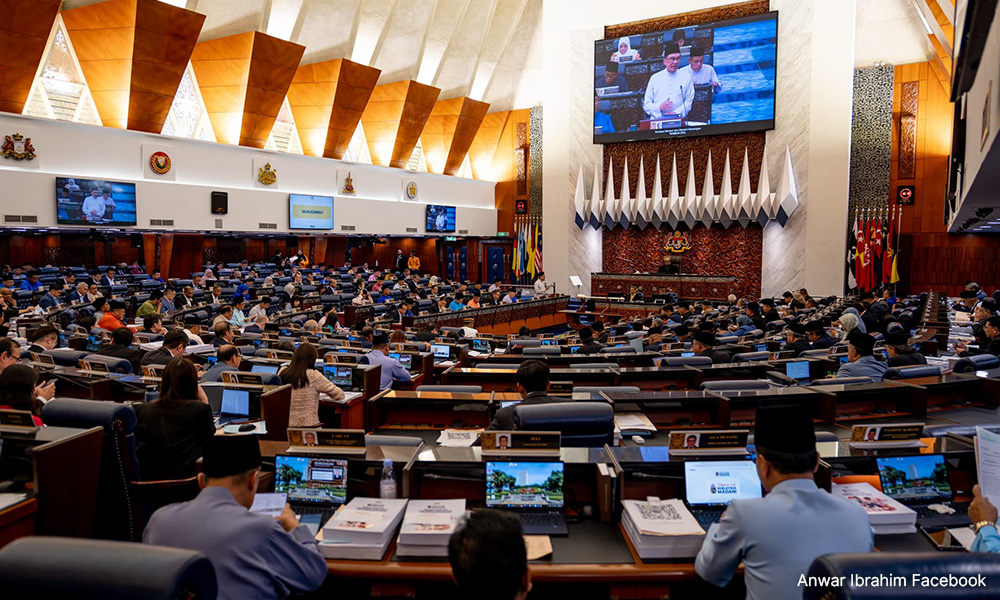
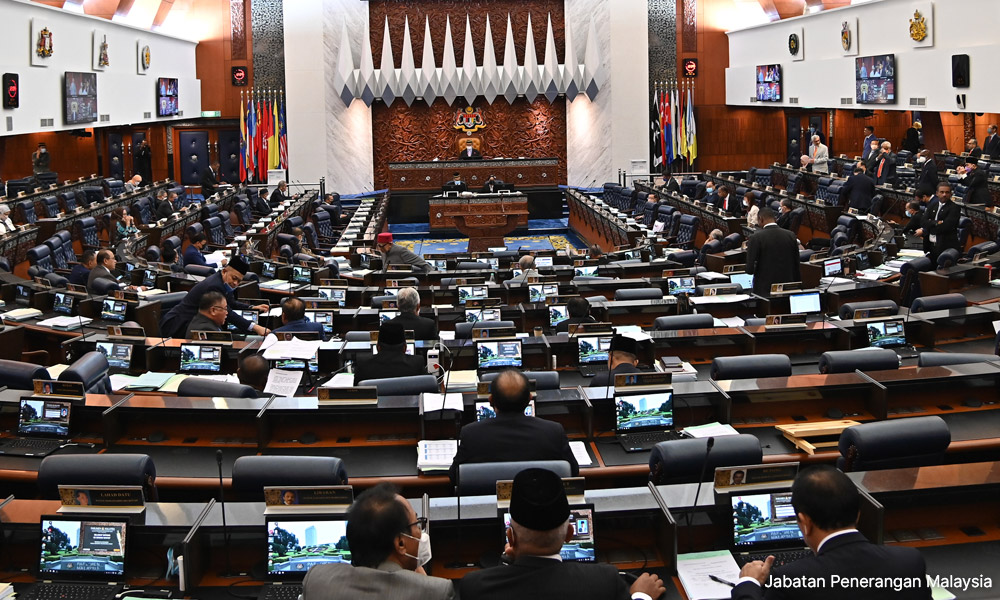
PARLIAMENT | The federal opposition’s desire to defeat the Online Safety Bill 2024 was thwarted when the vote in Parliament did not favour the dissenters.
According to voting records, 77 MPs voted for the Bill, while 55 voted against it, and 90 were absent.
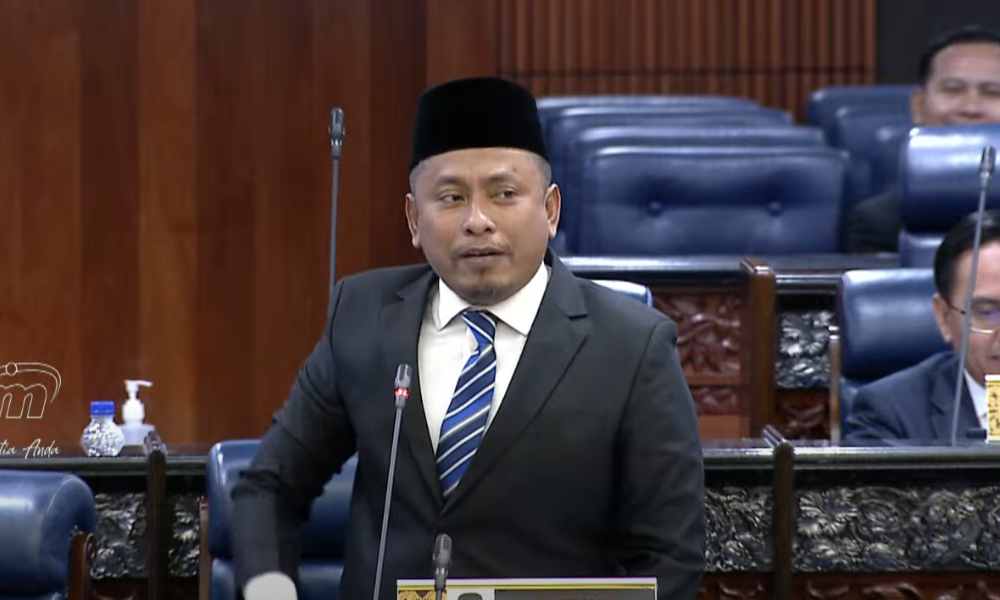
Ahmad Fadhli Shaari (PN-Pasir Mas) earlier requested a bloc vote after Minister in the Prime Minister’s Department (Law and Institutional Reform) Azalina Othman Said wound up the Bill.
The PAS lawmaker made the request after a separate request to refer the Bill to a parliamentary committee under Standing Order 54(2) was rejected by Dewan Rakyat deputy speaker Alice Lau.
The request caused the sitting to be adjourned for 10 minutes for MPs from both blocs to enter the Lower House to vote.
“Since there were more votes in favour, the Online Safety Bill 2024 was passed,” said Dewan Rakyat speaker Johari Abdul.
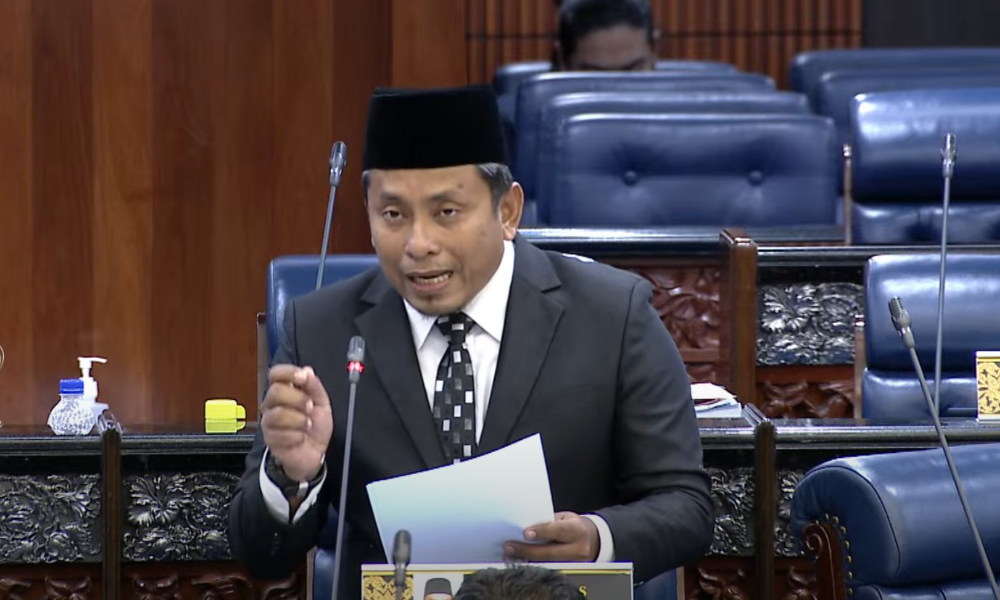
Opposition to the Bill did not only come from PN. Last month, the Online Safety Advocacy Group expressed concerns about the bill, warning that laws must balance the need for protection with the fundamental right to freedom of expression.
In handing over a memorandum to the Prime Minister’s Department, the group argued that the government’s process of drafting the bill and cyberbullying amendments was rushed, leaving key groups underrepresented.
Previously, the government indicated that the bill and the amendments to the Penal Code were aimed at curbing criminal activities on social media instead of restricting freedom of expression.
Prior to the bloc vote, Azalina, during the winding-up of the Bill, said the proposed legislation applies to social media platform providers, not the users themselves.
“If we (MPs) in this chamber (Dewan Rakyat) are preoccupied with protecting the rights of companies, I apologise, because, for the Madani government, we see that companies already have sufficient representation.
“These companies have millions of ringgit, can hire lawyers, go to tribunals, and much more. However, the people - especially children - are what we are discussing every day.
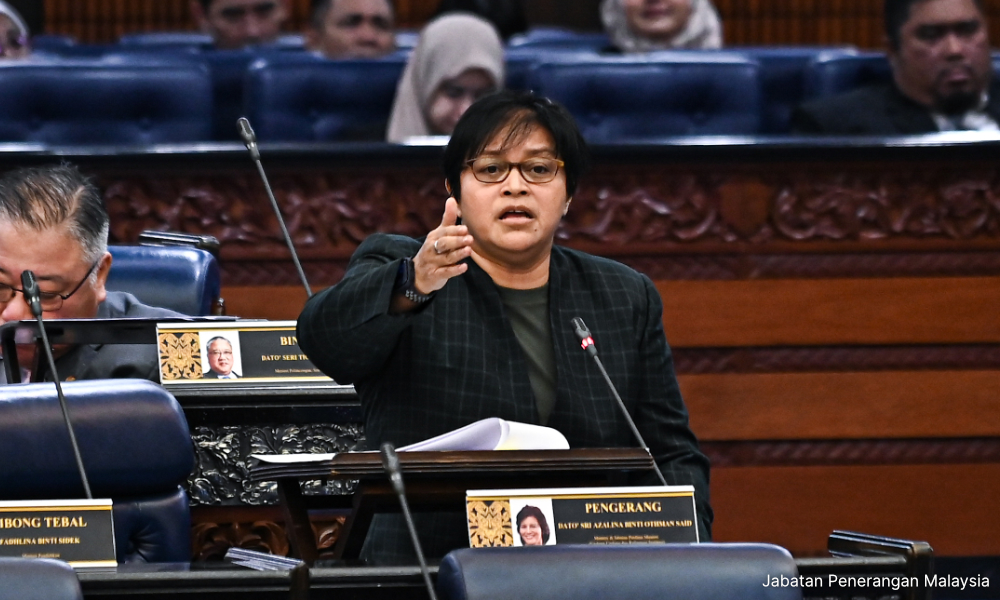
“This Bill is different from the Malaysian Communications and Multimedia Commission (MCMC) Act 1998. The MCMC Act 1998 (Act 588) can be seen as the ‘big brother,’ while this Bill is the ‘younger sibling’, focusing on companies providing services,” she said.
‘Abang Bas’ case
Highlighting the “Abang Bas” case as an example, Azalina explained that existing legislation lacks the authority to immediately remove content related to the exploitation of children.
“From a particular TikTok account, ‘Abang Bas’ has 640,000 followers, and in such a scenario, the faces of children appear in the content. Who will take it down?
“We can report it to the MCMC, and the police can act, but the system is slow and cannot immediately take down content related to child exploitation.
“These companies selling these systems have mechanisms to assess, block, remove, and correct content. They have the capability, and that’s why we talk about ‘content moderation and curation,’” she said.
The “Abang Bas” case refers to bus driver Ahmad Zaharil Muhaiyar, who posted videos on TikTok of him driving his bus and often showing his young passengers.
He referred to some of the primary schoolgirls as “darling” and “crush”, and had drawn criticism that his videos were inappropriate.
He is now facing trial for alleged offences under the Sexual Offences Against Children Act 2017 and the Communications and Multimedia Act 1998.