



EIA greenlights proposed K'tan gold mine despite environmental risks
An environment impact assessment (EIA) report has recommended the approval of a gold mine operation at the Gunung Stong forest reserve in Kelantan.
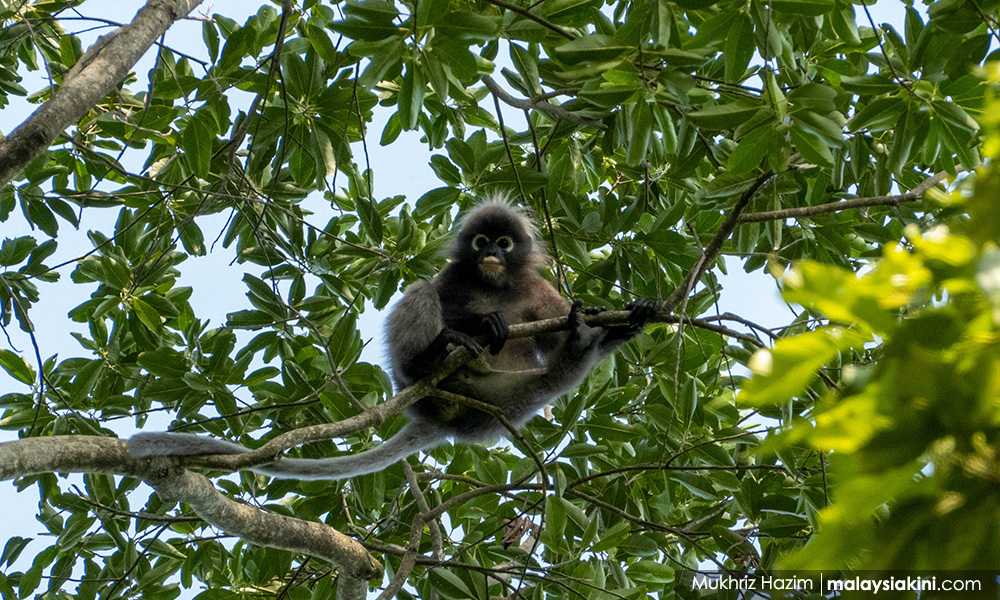
However, the proposed project site is located within the habitat of totally protected and protected animals.
The report noted sightings of endangered species such as...
An environment impact assessment (EIA) report has recommended the approval of a gold mine operation at the Gunung Stong forest reserve in Kelantan.
However, the proposed project site is located within the habitat of totally protected and protected animals.
The report noted sightings of endangered species such as the Malayan tapir as well as Asian elephants and sun bears, which are both vulnerable species.
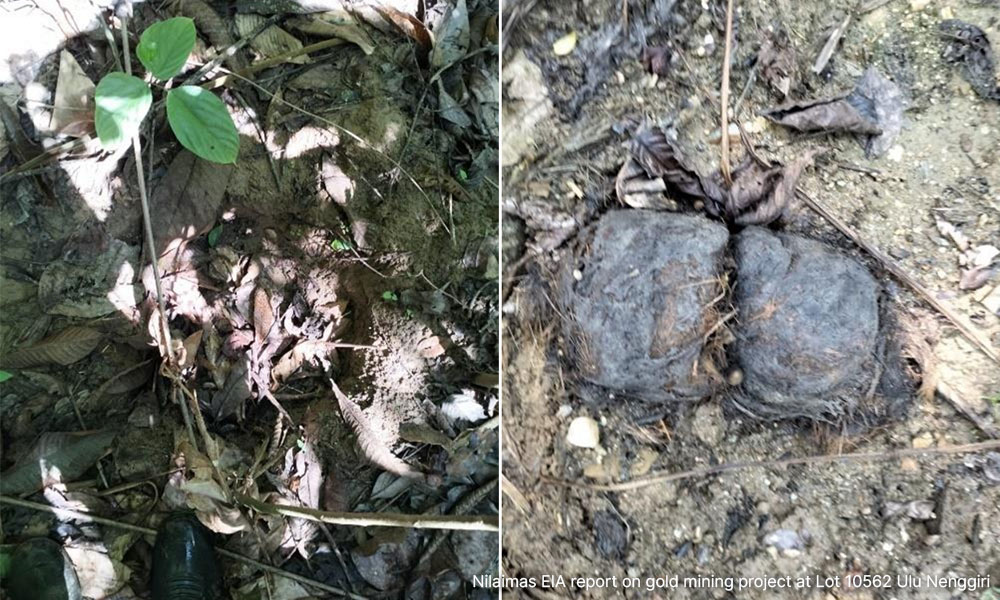
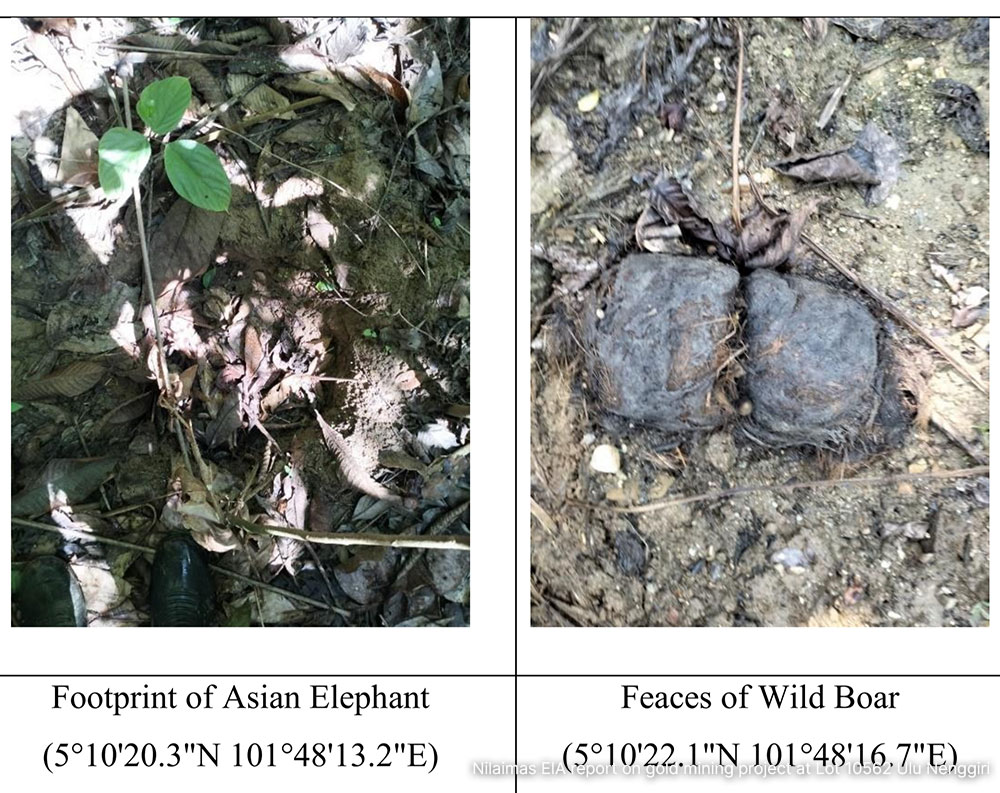
The proposed site is believed to be an elephant-roaming area due to the presence of physical evidence such as footprints and faeces.
A wildlife management plan was recommended to minimise impacts while managing fauna.
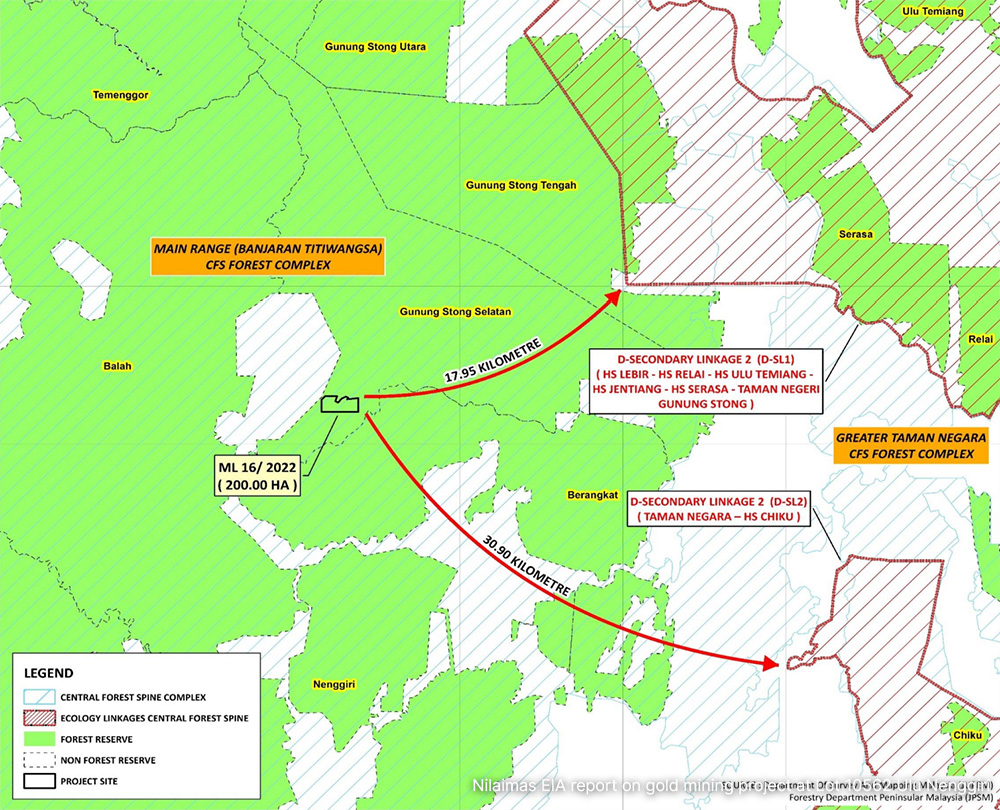
According to the report, the site lies inside the Central Forest Spine, a network of ecological corridors in the peninsula meant for conservation and to allow wildlife to move from one forest complex to another.
The mine will also be located within the Central Gold Belt, a region that stretches horizontally across the peninsula with a history of small-scale gold mining.
The gold in this mine is of the alluvial variety, meaning that it is found in alluvium deposits in riverbeds, taking the form of dust and nuggets.
Potential soil erosion, flooding
However, forest clearing activities preceding the mine’s operations will lead to unacceptable levels of soil erosion if effective mitigation measures are not taken.
With soil erosion comes flooding, as changes in topography could result in what the report called a “tremendous increase” in unconfined water on the ground.
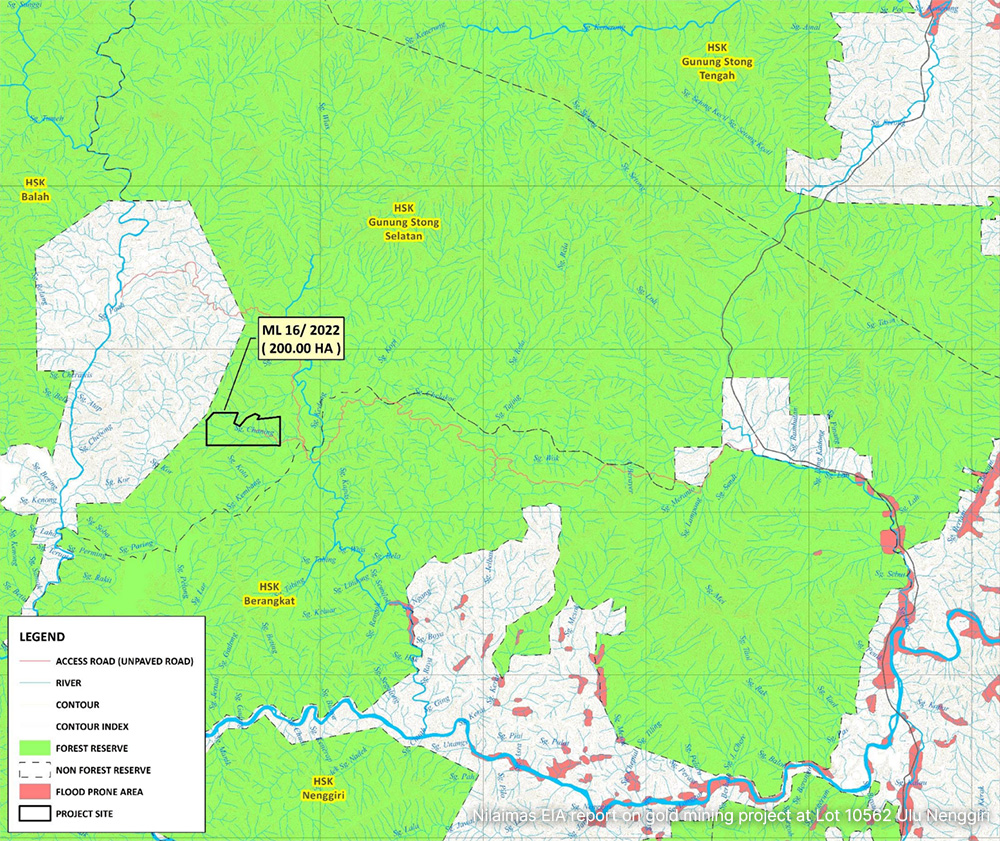
The report, however, also notes that the area is not flood-prone despite 100 percent of locals surveyed rating floods as an environmental issue.
In light of this, the report recommended the construction of five flood retention ponds to help control downstream flooding.
Aside from flash floods and monsoon floods, all surveyed locals also expressed concern about wildlife disruptions.
“It is understood that the local communities collectively do not agree (71.7 percent) with the proposed project due to environmental issues which will negatively affect quality of life,” the report further noted.
The survey’s 106 respondents were from different households located within a 5km radius of the project site.
They come from eight Orang Asli settlements, with a quarter from Kampung Bering Baru, less than 1km away.
Millions in monthly income
The report estimates a monthly production of nearly 8kg of gold from the proposed mine.
The project will generate a monthly revenue of about RM2.38 million with a monthly income tax to the federal government amounting to RM388,235.
The project’s mining leaseholder, operator, and contractor is Kumnara Holding Sdn Bhd.
The company’s directors include Naza Group chairperson SM Faisal SM Nasimuddin Kamal.
The Environment Department published the report on Nov 26 and will receive public feedback until Jan 10 through a form that can be accessed here.




Factories built where the rivers ran, Time's running out for the Family of Man. Tiga Anjing Malam