
KINIGUIDE | Najib, Irwan's DNAA in RM6.6b IPIC criminal breach of trust case
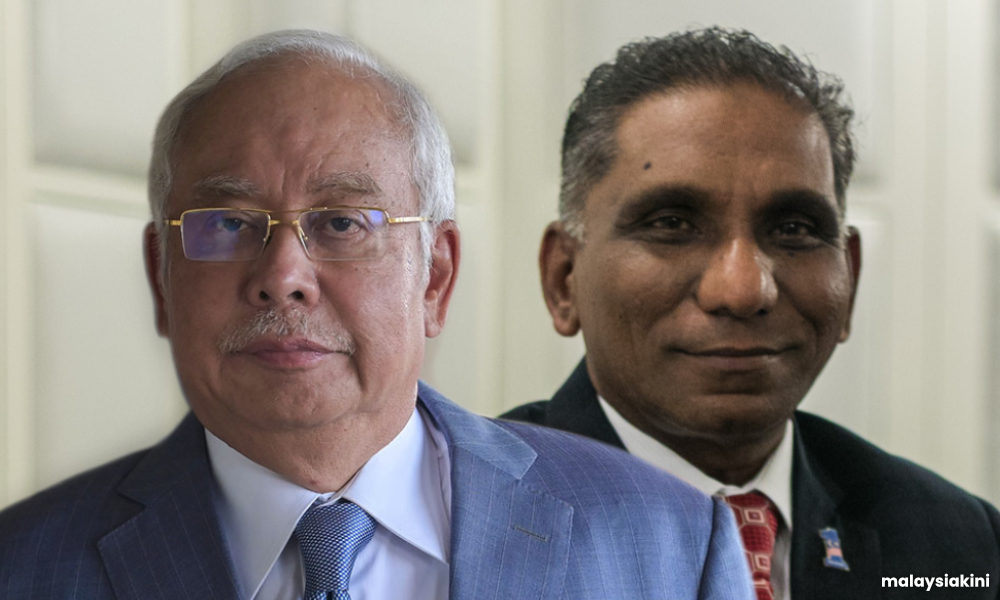
KINIGUIDE | To the surprise of many observers yesterday, the Kuala Lumpur High Court granted a discharge not amounting to an acquittal (DNAA) to former prime minister Najib Abdul Razak and former Treasury secretary-general Mohd Irwan Serigar Abdullah.
The DNAA is over six criminal breach of trust (CBT) charges involving RM6.6 billion of government assets.
This edition of KiniGuide dives into the controversial issue.
What are the six charges about?
Najib and Irwan were accused of committing CBT with RM6.6 billion of government assets for payments to the International Petroleum Investment Company (IPIC), a government-owned investment organisation that manages the sovereign wealth fund for Abu Dhabi, United Arab Emirates (UAE).
The duo were accused of perpetrating the offence in their capacity as then finance minister and Treasury secretary-general, who were entrusted with dominion over the funds belonging to the Malaysian government.
What is IPIC’s role in the lead-up to the charges?
In 2017 during Najib’s premiership, 1MDB and IPIC reached a settlement over a dispute.
A year later, during the Dr Mahathir Mohamad administration, Malaysia filed a challenge in a London court against the settlement agreement, arguing that it was achieved via fraud.
However, in February last year, during the Anwar Ibrahim administration, IPIC and its unit Aabar Investments PJS agreed to pay US$1.8 billion (RM8 billion) to settle a legal dispute over the scandal at 1MDB.
The Finance Ministry announced that the Abu Dhabi companies, 1MDB and Minister of Finance Incorporated (MOF Inc) reached a settlement in respect of proceedings in the London Court of International Arbitration and the London High Court.
What is the nature of these public funds?
Some of the monies such as RM220 million and RM1.3 billion were part of the Federal Consolidated Fund.
Others were general government monies of RM2 billion, RM1.2 billion, RM655 million and CN¥1,950,000,000 (RM1,261,065,000).
Where did Najib and Irwan allegedly commit the offence?
The charges claimed the offences were perpetrated at the Finance Ministry Complex, Putrajaya, between Dec 21, 2016 and Dec 18, 2017.
What are the penalties the duo faced?
The duo were facing a maximum imprisonment of 20 years and a fine if convicted of the charges framed under Section 409 of the Penal Code.
While the provision also stated whipping as a penalty, any guilty verdict would not see the duo get this as the law spares caning for those aged above 50.
Najib and Irwan were aged 71 and 67 respectively.
When were Najib and Irwan initially charged?
The duo initially claimed trial before the Kuala Lumpur Sessions Court on Oct 24, 2018.
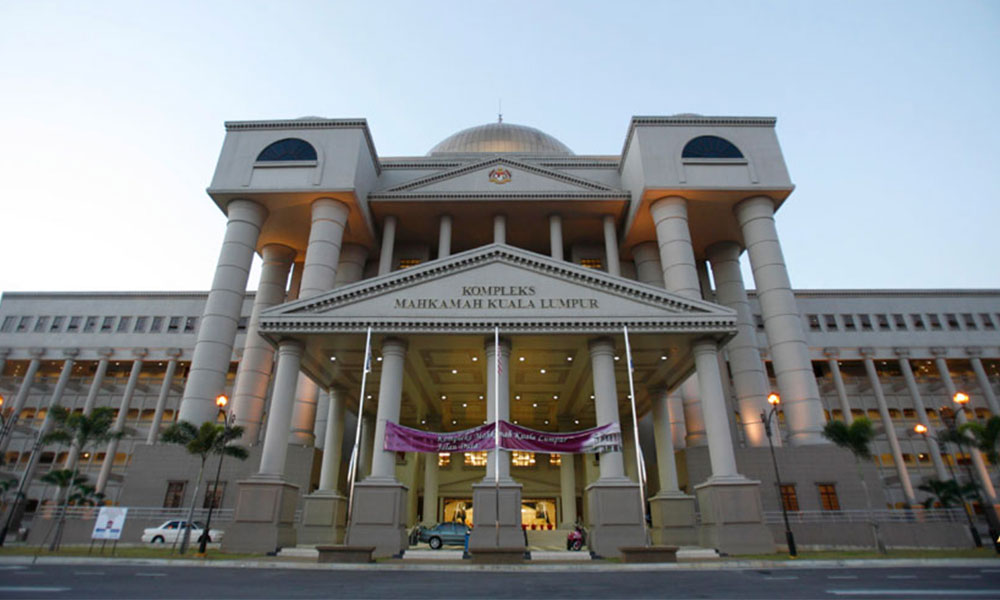
The case was later transferred to the Kuala Lumpur High Court on Dec 7, 2018.
Why did the trial not start earlier?
The trial initially did not proceed as Najib was facing multiple other ongoing criminal court cases.
Among them was the RM42 million SRC International abuse of power case for which he is serving a six-year jail term.
Others were the ongoing RM2.27 billion 1MDB abuse of power trial, the RM27 million SRC money laundering case which has yet to go to trial, and the 1MDB audit report case for which he was discharged and acquitted.
A year ago, an alleged internal memo from the AGC regarding the IPIC case was leaked and became viral. It allegedly concluded that there was insufficient evidence to prove a prima facie (answerable) case against Najib and Irwan. What were the details of its alleged content?
In August 2023, the 12-page document dated Sept 10, 2019, was leaked and became viral.
The memo was supposedly from Jamil Aripin, then-head of the prosecution team for the IPIC case addressed to then-attorney-general Tommy Thomas and copied to then-head of prosecution Manoj Kurup.
The document purportedly said the following:
- Based on their study of the investigation papers, statements by witnesses and the interviews, the entire IPIC prosecuting team (comprising five deputy public prosecutors and seven investigation officers) were unanimous in taking the stand that all six charges were non-starters as it did not meet the minimum requirements or threshold to be brought to court and to secure a prima facie case against Najib and Irwan.
- Not a single witness statement out of the 136 witness statements was favourable to the prosecution team.
- All available evidence in the investigation papers did not support any of the existing charges for CBT.
- The memo went into great legal detail about why each of the six charges could not stand.
The memo allegedly ended with the recommendation:
“Based on the above reasons, we are of the considered view that based on the maximum evaluation of available evidence, there (sic) are grossly insufficient to prove not even a prima facie case for the six charges, let alone to secure a conviction beyond a reasonable doubt.”
Has anybody named in the alleged memo rubbished the document as untrue?
To date, none of the individuals named in the document ever denied the document’s authenticity.
Then-attorney-general Idrus Harun also did not deny the document’s authenticity but was reported to have said they would investigate the leak.
Why was the start of trial delayed several times this year?
The criminal court deferred the trial dates four times this year as the prosecution was still in the midst of seeking several ministries and government departments to declassify hundreds of documents to be handed to the defence teams per Section 51A of the Criminal Procedure Code.
Could the AGC not declassify the documents themselves?
Section 2C of the Official Secrets Act 1972 empowers only ministers with the ability to remove the “official secret” status on the documents.
The AGC can only apply to the respective ministries for the declassification of these various cabinet meeting memos, other memos, letters and emails.
Which ministries held these classified documents?
The Finance Ministry (which included the MOF Inc), the Energy and Water Transition and Transformation Ministry, and the Transport Ministry (involving the Land Public Transport Agency previously known as the Land Public Transport Commission, which falls under the Road Transport Department).
Can Najib and Irwan be recharged in court?
The duo can still be recharged in the criminal court if prosecutors choose to do so in future as they were merely granted a DNAA rather than a discharge amounting to an acquittal (DAA).
Which party sought the DNAA?
It was Najib and Irwan’s defence teams who filed a formal written application for the duo to be granted the DNAA due to the inordinate delay in the case going to trial.
Under normal circumstances, a criminal court grants a DNAA upon prosecutors making an application to withdraw the charges per Section 254 of the Criminal Procedure Code.
However, yesterday judge Muhammad Jamil Hussin chose to exercise the court’s inherent power to grant the DNAA without any withdrawal application by the prosecution.
Can prosecutors appeal against the DNAA?
The law gives the prosecution 14 days from the date of the High Court ruling to file an appeal to the Court of Appeal.