
COMMENT | Senators, do the right thing for stateless persons
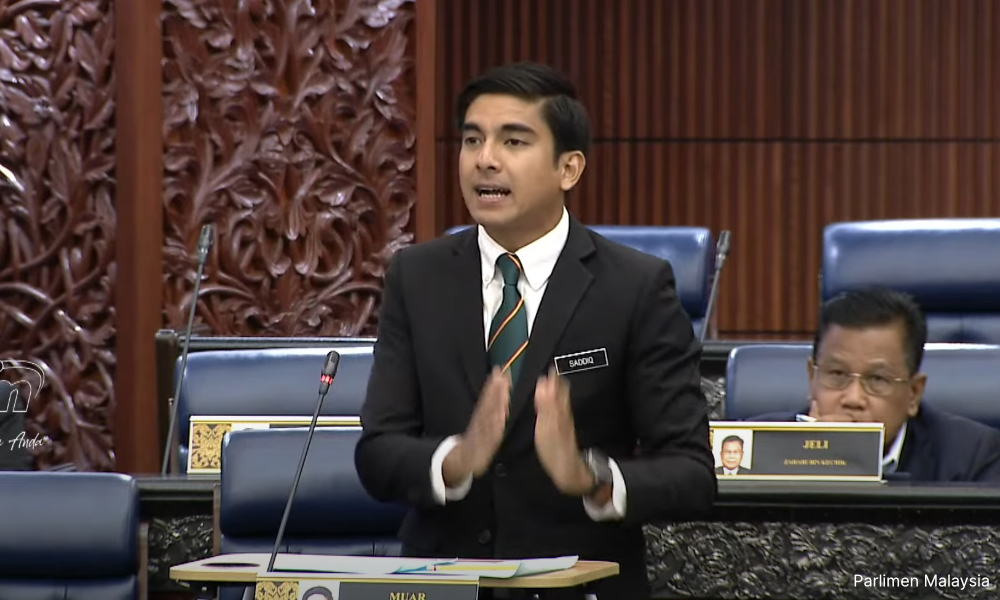
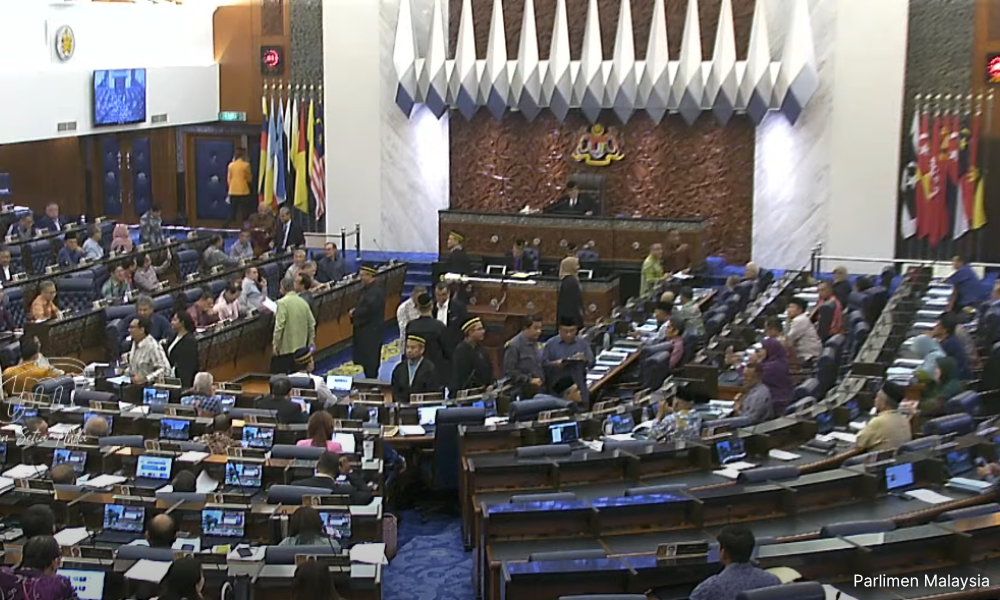
COMMENT | On Oct 17, Malaysia’s lower house of Parliament passed a controversial bill to amend the country’s citizenship laws in an almost unanimous vote.
Although the bill represents a significant milestone for gender equality by recognising Malaysian women’s equal right to confer automatic citizenship on their children born overseas [Sections 1(b) and (c) of the Second Schedule, Part II of the Federal Constitution], it also contains several concerning provisions that threaten nationality rights and risk perpetuating statelessness among children.
The bill is now set to be deliberated in the Dewan Negara early next month. We should use this opportunity to amend the bill and at the very least mitigate any impact of statelessness for the sake of the children and their future.
COMMENT | On Oct 17, Malaysia’s lower house of Parliament passed a controversial bill to amend the country’s citizenship laws in an almost unanimous vote.
Although the bill represents a significant milestone for gender equality by recognising Malaysian women’s equal right to confer automatic citizenship on their children born overseas [Sections 1(b) and (c) of the Second Schedule, Part II of the Federal Constitution], it also contains several concerning provisions that threaten nationality rights and risk perpetuating statelessness among children.
The bill is now set to be deliberated in the Dewan Negara early next month. We should use this opportunity to amend the bill and at the very least mitigate any impact of statelessness for the sake of the children and their future.
We are aware that stateless children are continuously being punished by the law and the administration of it. We need to amend the law to put an end to the viciousness of the system to these children.
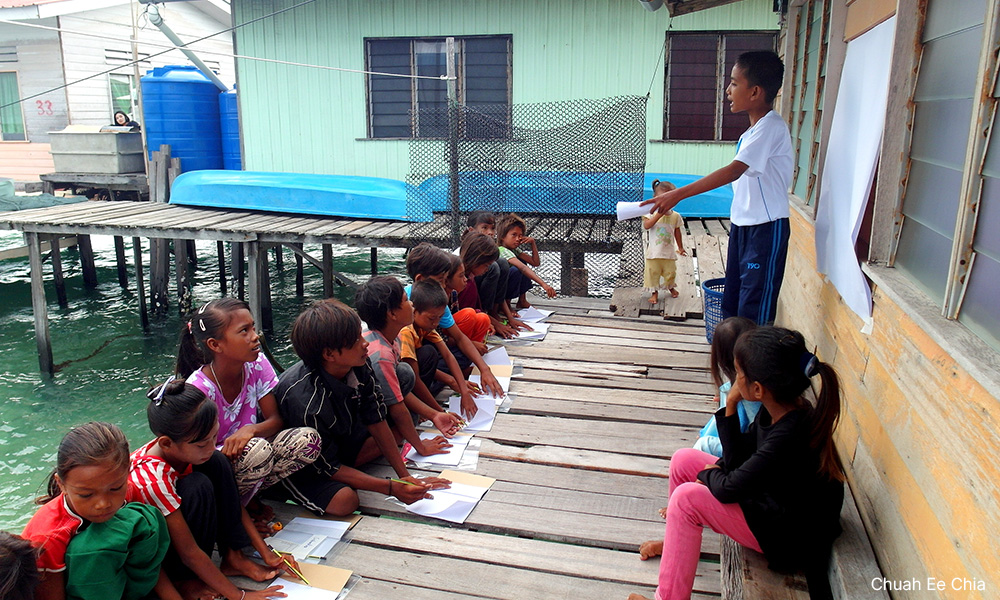
These children have been deprived of their right to education as current laws only allow stateless children born to Malaysians access to public schools - if a levy fee is paid and other administrative procedures are complied with.
Stateless children are also denied free medical care. As a result of the mistreatment by law, these children are easily exploited and abused. They are unable to voice their predicaments and are continuously discriminated against. This is inhumane, especially to the innocent children who were punished for no faults of theirs.
Regressive amendments
The current bill contains several regressive amendments that if not addressed, will perpetuate statelessness among stateless children of Malaysians:
1. Loss of automatic citizenship for children of Malaysian permanent residents (PR)
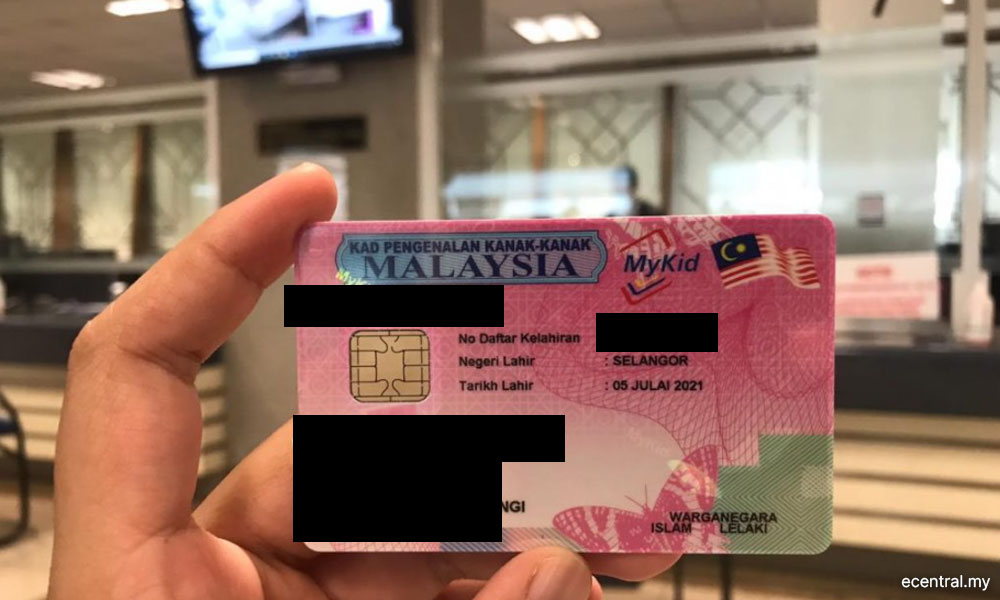
Under the proposed amendment to Section 1(a) of the Second Schedule, Part II of the Federal Constitution, children born to Malaysian PR holders will no longer gain automatic citizenship. This change is expected to adversely affect thousands, particularly among vulnerable populations, such as Malaysia’s indigenous communities (Orang Asli and Orang Asal) and individuals who migrated to Malaya before independence in 1957 but only hold PR status.
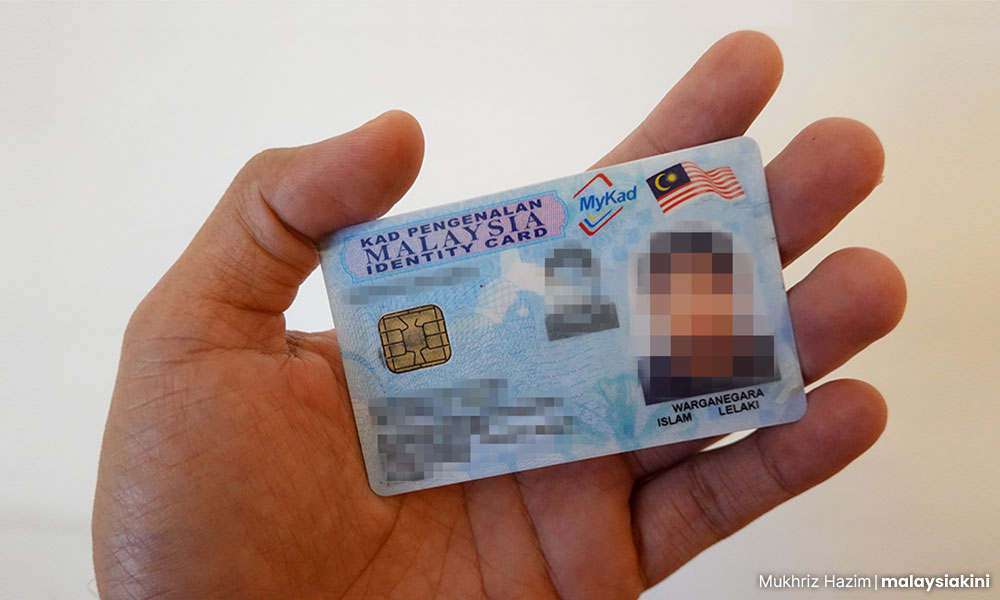
This issue is real and has arisen because the Home Ministry has been issuing PR identity cards to stateless individuals (with strong links to Malaysia) - a practice that should have been intended for foreigners only.
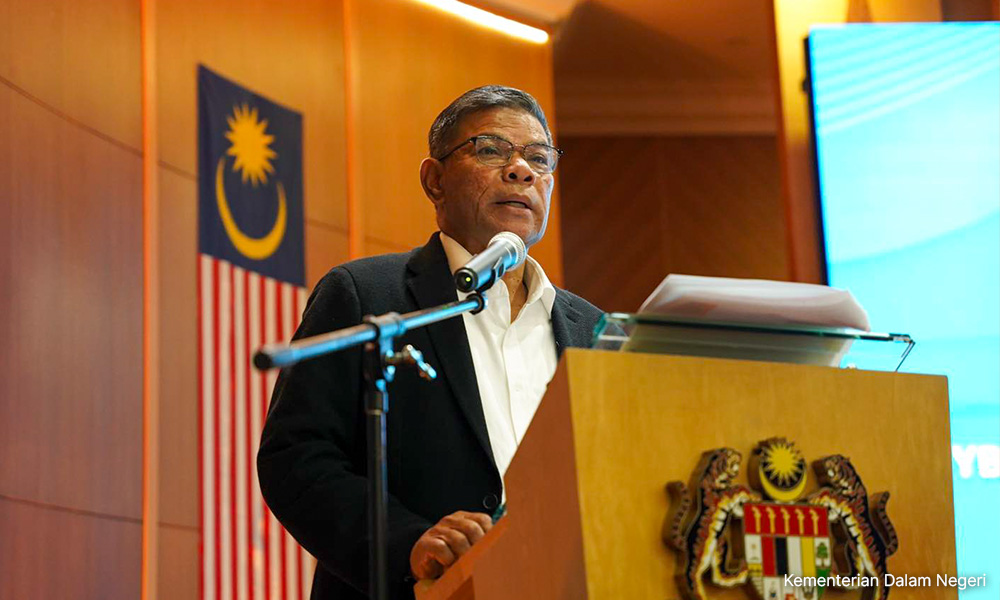
The home minister has also acknowledged the existence of approximately 40,000 Malaysian-born individuals holding PR status without a Permit Masuk (entry permit), thereby confirming the presence of stateless PR holders. Imagine the collective hardship of these children, the social burden and the viciousness of life towards these children.
2. Lowering the age limit for citizenship applications
The amendment to Article 15(A) reduces the age limit for citizenship applications from 21 to 18 years.
This change cuts three critical years from the window stateless children have to apply for citizenship. Given the existing bureaucratic inefficiencies in processing applications, this reduction could have severe implications for affected individuals.
The reduction of the age limit for citizenship applications under Article 15(A) is deeply concerning, particularly given that unresolved applications under this provision continue to be submitted to the Home Ministry without resolution.
This provision is critical in preventing statelessness beyond the age of 21.
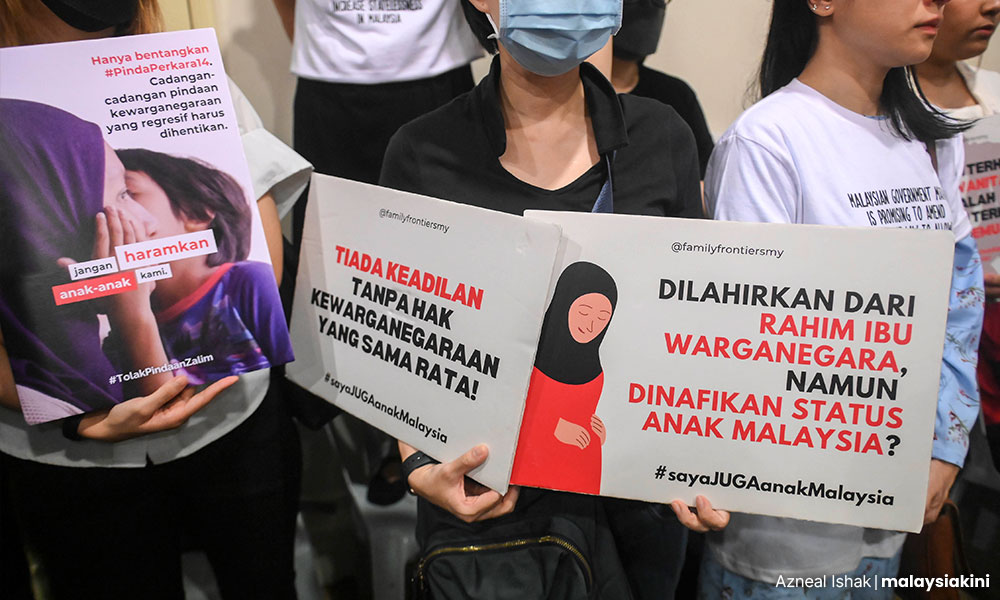
Article 15(A) serves as a fair and just discretionary measure, enabling the government to address statelessness caused by specific circumstances, such as Malaysian fathers’ inability to pass on citizenship to children born out of wedlock, or stateless adopted children of Malaysians.
Lack of awareness
Many Malaysians with stateless children are unaware that they cannot confer citizenship to a child born out of wedlock if the mother is a foreigner, stateless, or undocumented.
As a result of their lack of awareness, they may have delayed or failed to put in a citizenship application within the window period.
Many of these cases involved illiteracy. Fulfilling bureaucratic and document requirements is often challenging for these families, especially those in rural areas.
As a result, many stateless children must rely on their own literacy skills to navigate the documentation process, which typically becomes possible only after they reach the age of 13 or much older.
Help the helpless
In any case, the government should consider specific procedures for stateless persons who are helpless and facilitate their access to citizenship or its application.
Instead, these stateless children applications are grouped with those of dual citizenship applicants and others.
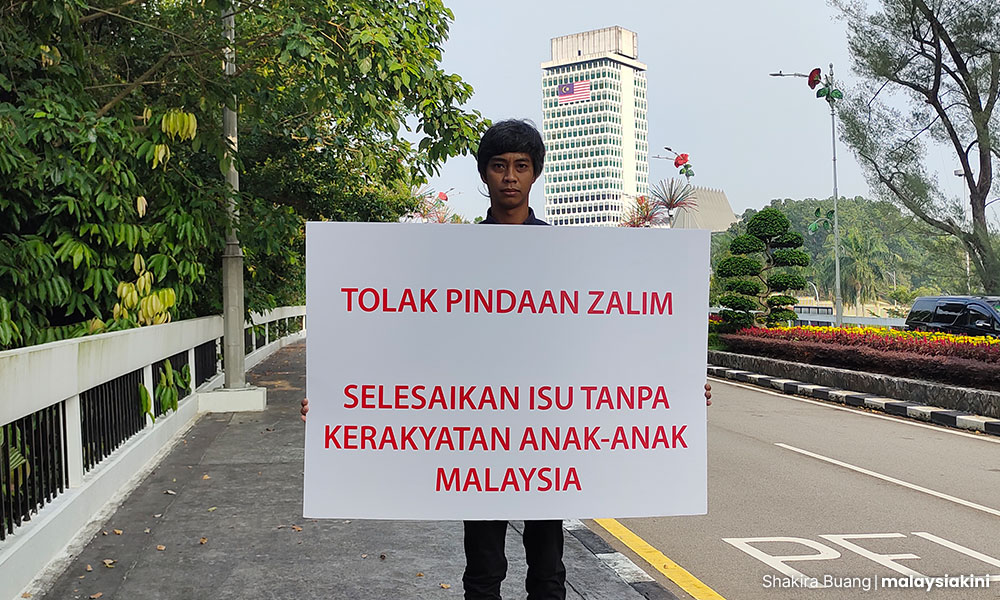
This lack of distinction delays their right to citizenship, and if they fail to obtain it by the age of 18 via Article 15A, *the remaining pathways are only available if they have successfully acquired a Permanent Residency card to qualify for citizenship by naturalisation - however only accessible 12 years from holding the card as stipulated in the law.*
How long must we extend and perpetuate these kids’ hardships and sufferings? Are our politicians or lawmakers inhumane?
I express strong concerns that future administrations may exacerbate statelessness by either failing to resolve applications for children turning 18 (under the proposed amendment) or by further restricting approvals under 15(A). This could leave many stateless individuals in limbo well into middle age.
These two amendments clearly risk creating a cycle of multigenerational statelessness if future home ministers fail to implement standard operating procedures (SOPs) that align with the intent of the law.
As SOPs fall outside the purview of Parliament, there is significant potential for inconsistent implementation and changes, further compounding the issue.
These gaps, while seemingly minor, have profound implications and must be addressed.
Call to decouple voting of bill
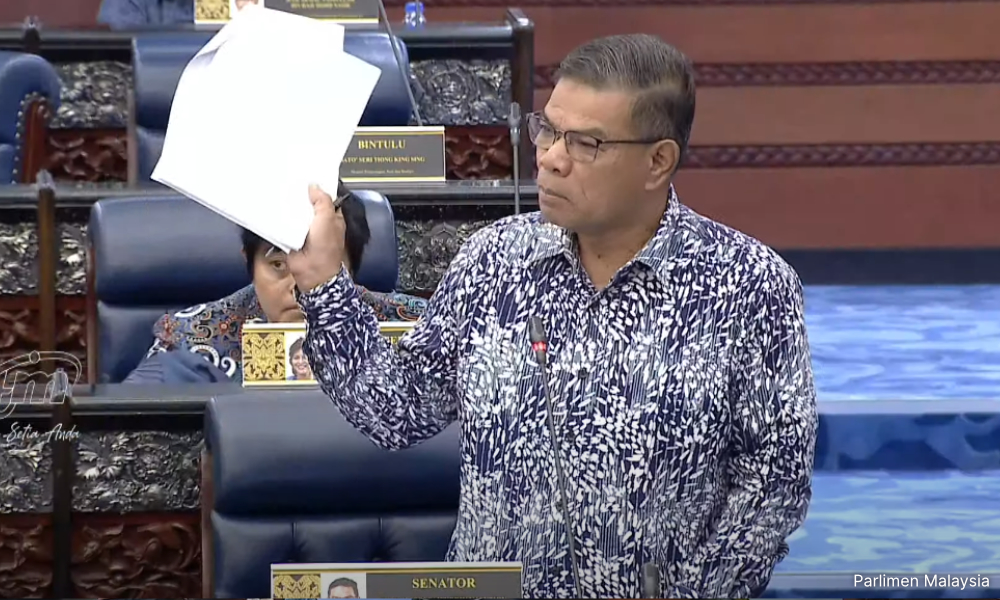
I feel compelled to call on senators in the Dewan Negara to exercise their responsibility over the Dewan Rakyat and ensure these issues are conscientiously debated and resolved, and not be seen as a “rubber stamp” to the Dewan Rakyat who may have overlooked these issues.
As a former senator, I strongly urge my colleagues to consider decoupling the voting on the clauses of the Citizenship Bill.
Support the amendments that uphold the rights of Malaysian mothers, and reject the regressive clauses that will leave Malaysian children vulnerable and continuously being exploited or suffer untold hardship due to their statelessness.
Alternatively, the bill should be formally referred to a select committee under Standing Order 53, to allow for evidence-gathering from all stakeholders on the potential impact of this legislation.
TI LIAN KER is a former senator and former MCA vice-president.
The views expressed here are those of the author/contributor and do not necessarily represent the views of Malaysiakini.