



COMMENT | Our hope for the future is to keep Pannir alive
I remember Deepavali nights were spent in my aunt’s amazing village, surrounded by fruit trees and rivers, waking up to the sweet sounds of birdsong. The night before, we would play cards, sip hot teh tarik, and breakfast would always be on the table, ready for us, the next day. It would often be tosai and chicken curry.
Memories of growing up together include cherished family holidays. During Hari Raya, our father would take us to visit relatives in Cameron Highlands, where he grew up. We celebrated Raya with our Malay relatives, creating special moments together.
Looking back, these memories of church gatherings, cool breezes, and the joy of childhood feel like a dream we long to relive - a time of happiness that remains close to our hearts.
Troubles ahead
But as Pannir grew up, things didn’t unfold as expected...
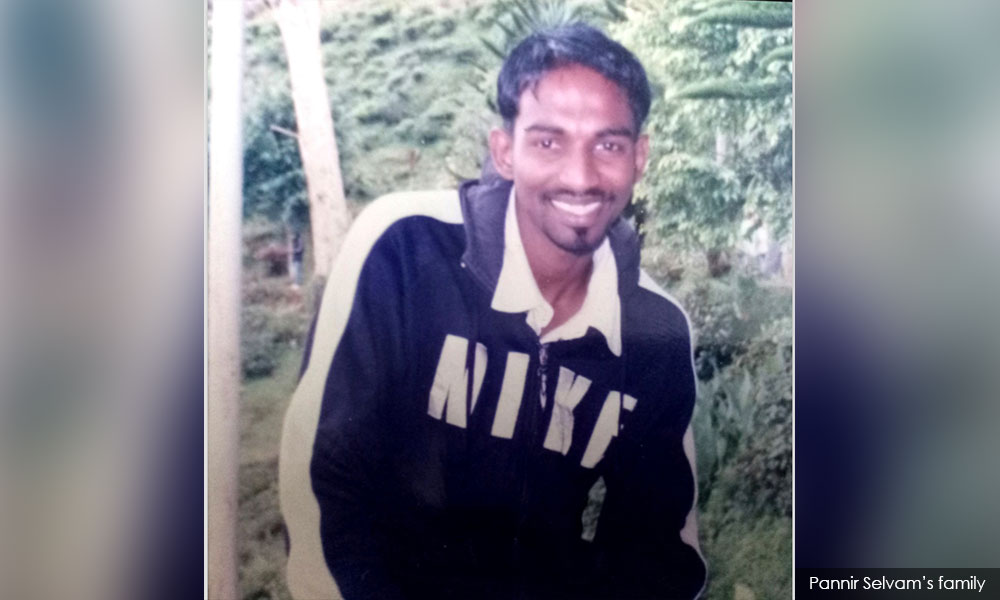
COMMENT | Growing up, my brother Pannir Selvam Pranthaman’s childhood was filled with hobbies such as football, running, video games, music and fashion. We frequently attended church camps and youth activities, creating lasting bonds and memories.
I remember Deepavali nights were spent in my aunt’s amazing village, surrounded by fruit trees and rivers, waking up to the sweet sounds of birdsong. The night before, we would play cards, sip hot teh tarik, and breakfast would always be on the table, ready for us, the next day. It would often be tosai and chicken curry.
Memories of growing up together include cherished family holidays. During Hari Raya, our father would take us to visit relatives in Cameron Highlands, where he grew up. We celebrated Raya with our Malay relatives, creating special moments together.
Looking back, these memories of church gatherings, cool breezes, and the joy of childhood feel like a dream we long to relive - a time of happiness that remains close to our hearts.
Troubles ahead
But as Pannir grew up, things didn’t unfold as expected. He became more rebellious. Communication became increasingly challenging. He worked as a warehouse assistant in a factory in Ipoh before eventually leaving for Singapore, where he sold children’s educational books and later worked as a security guard, sometimes taking on double shifts.
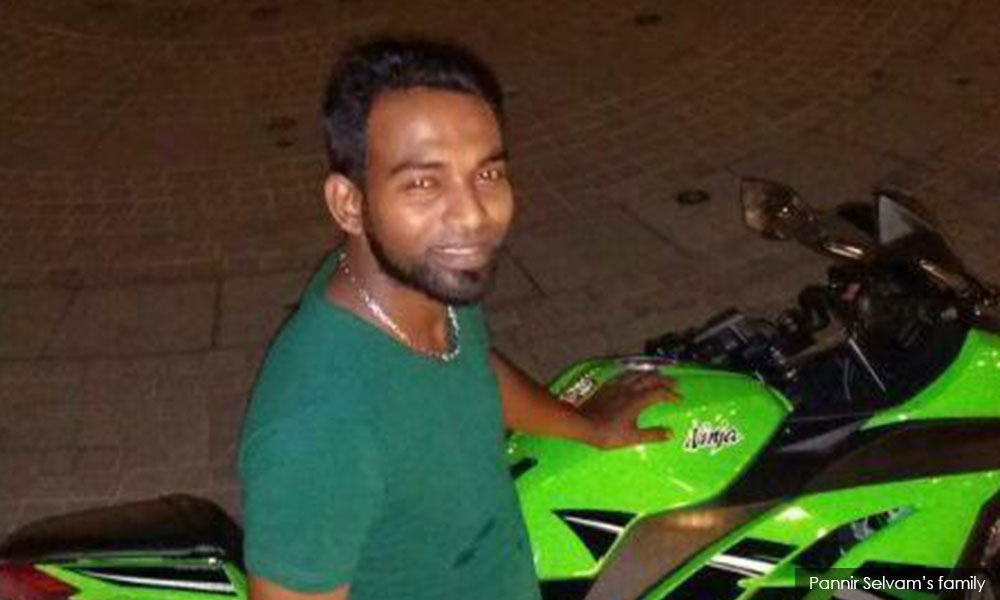
I found out about Pannir’s troubles from my sister, Sangkari. She and my father learnt through a pastor’s assistance in Singapore and one of his housemates, that Pannir had been arrested.
When we heard he was sentenced to death for trafficking 51.84g of heroin, we were utterly shocked. We couldn’t believe the news. How could this have happened? I kept thinking about the mess he was in. How did he end up in this situation?
We were overwhelmed with confusion and sorrow. The uncertainty and fear were paralysing. We questioned our actions, wondering if there was something we missed or could have done differently. The ripple effects of his actions spread through our lives, leaving us grappling with a mix of emotions - anger, sadness, and disbelief.
This was the beginning of a dark and difficult journey, one that would test our faith, our resilience, and our understanding of justice and mercy.
Almost 10 years on
It’s been close to 10 years since Pannir was sentenced to death and it doesn’t get any easier.
READ MORE: Family of death row inmate in S’pore hope for best, prepared for worst
He needs to seek permission for whatever he does, and all his moves are monitored. We try to visit him in prison four times a month - one visit is mine, the next my sister’s, and the other two are my brothers’.
We can’t take anything inside. After registration at the counter, we’re thoroughly checked, our barcodes scanned, and thumbprints keyed in. The station doors open and close quickly as we enter. Then it’s a five- to 10-minute walk down something that resembles a tunnel. We pass through a few gates, another steel door, and another metal door.
When we finally arrive, Pannir and I talk about everything - recent changes in politics, history, artificial intelligence, law, education, childhood memories, music, poetry, and great leaders. Sometimes Pannir sings songs and reads his poetry. I quite admire his talent, and it’s a must for us to pray for him before we leave. Either we pray for him, or he prays for us.
Scheduled execution
One of the most difficult times for us was the week leading up to Pannir’s set execution, scheduled for May 24, 2019.
I can’t fully describe the feeling, but there was one day, a Wednesday, just before we filed his affidavit in court. Pannir brought his food, roti canai banjir - his breakfast or lunch - into the visiting room. It was the first time in a long while that we saw Pannir eating.
It was a truly heartbreaking moment, especially for my mum, who watched her son eat after so long, not knowing if it would be one of our final moments together. This was a terrible moment.
We watched as Pannir ate and talked to us. I quietly captured that moment in my memory. It was truly heartbreaking.
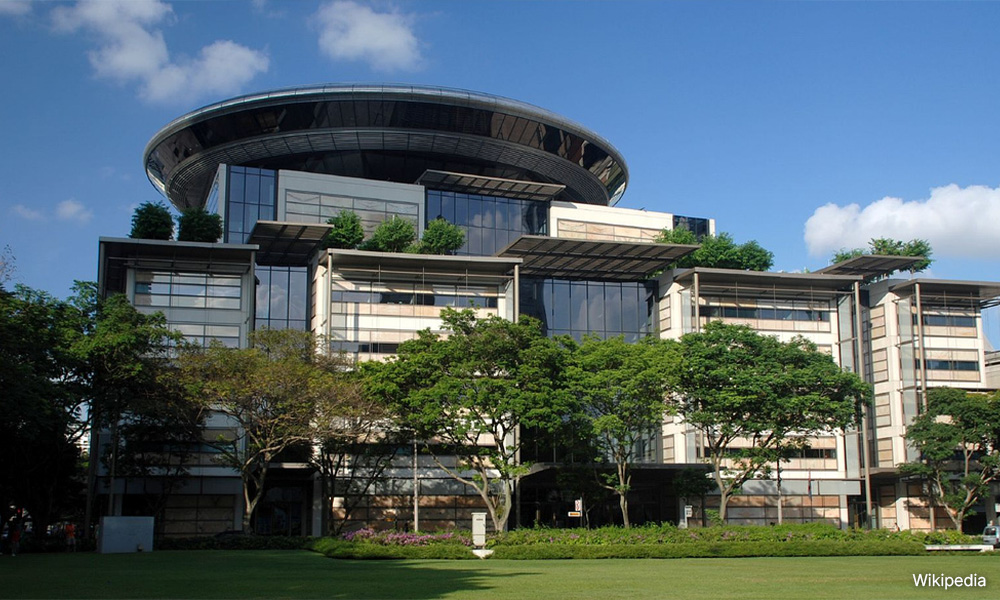
We were so thankful when the Singapore Court of Appeal gave him a stay of execution on May 23, 2019, a day before he was scheduled to go to the gallows.
However, since then, it’s been difficult for my mother to visit Pannir. During the pandemic, phone calls were allowed, but that was only after numerous demands and requests.
Now that borders have reopened, those who are medically unfit, with health conditions, or are elderly mothers, still can’t travel and aren’t given a chance for phone calls. I don’t understand why. After all, they are all on death row.
Poetry and hope
For the moment, Pannir is coping okay. One thing that fuels him is prayer and his connection with God. To keep his mind sharp, he constantly writes. He loves poetry and crafting poems.
While sharing relevant notes with him, I’ve learnt about poems, rhymes, stanzas, and the nuances of poetry. Pannir has written more than 88 poems on a variety of topics and his letters are carefully filed and recorded. They cover extraordinary subjects and tell compelling life stories, explore new ideas, and engage in brainstorming.
Our hope for the future is to keep Pannir alive. However, with the next court hearing scheduled for November, we need to keep fighting for his release.
Although we appealed for a certificate of substantive assistance and it was denied, we believe the prosecution should reconsider their decision, acknowledging the assistance he has provided to the authorities. Greater transparency is needed.
Addressing root causes
I run the NGO Sebaran Kasih (Spread Love Malaysia), and we desperately need a volunteer team to assist with Pannir’s case from start to finish, with members taking turns as needed. We need all the help we can get, and while we’re grateful for the support from organisations such as Amnesty International, we need more help.
Regardless of whether he is inside or outside of prison, his life is valuable. His unique skills, potential contributions to society, and the impact he can have on others are just some of the reasons why he should be alive.
The government of Singapore must remember that executing those convicted of carrying drugs denies them the opportunity to reform and contribute positively to society.
Addressing the root causes of poverty and lack of opportunities is more effective than capital punishment when it comes to curbing drug trafficking. This is an opportunity for Singapore to join the global movement towards a more humane justice system.
ANGELIA PRANTHAMAN is a sister of death row inmate Pannir Selvam Pranthaman who is incarcerated in Singapore after being sentenced to death in 2017, then aged 29, for importing 51.84g of diamorphine (heroin) into Singapore.
The views expressed here are those of the author/contributor and do not necessarily represent the views of Malaysiakini.


I am a Malaysian, Malaysia an already sick society where we have a super thief, Embarassment of Nation and still fighting for his release? I will vote for him to rot in jail