
Navigation error, age blamed for KD Pendekar sinking
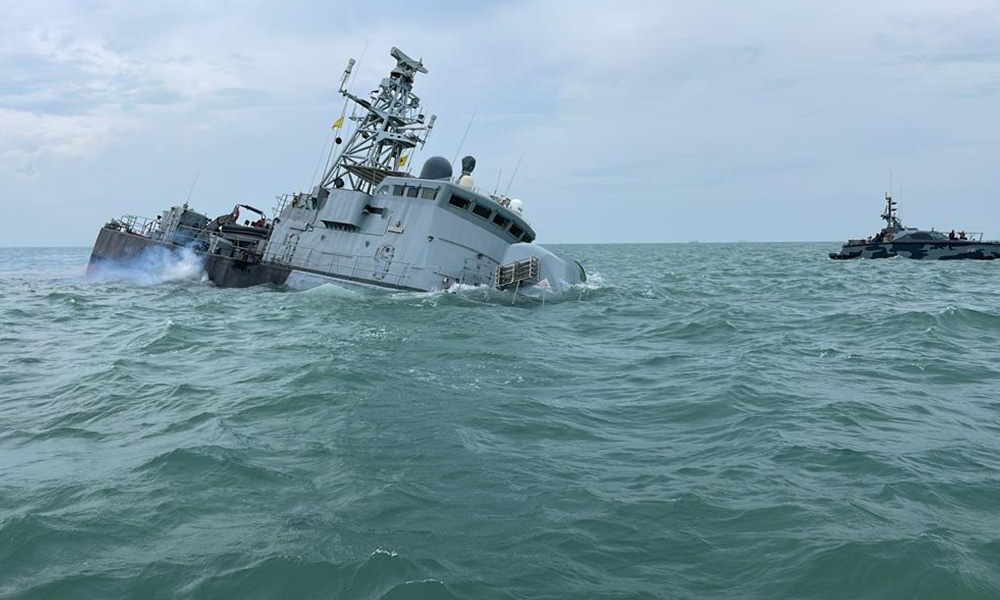
A Royal Malaysian Navy (RMN) investigation has identified navigational error and the ship’s age as the main factors leading to the sinking of KD Pendekar in August.
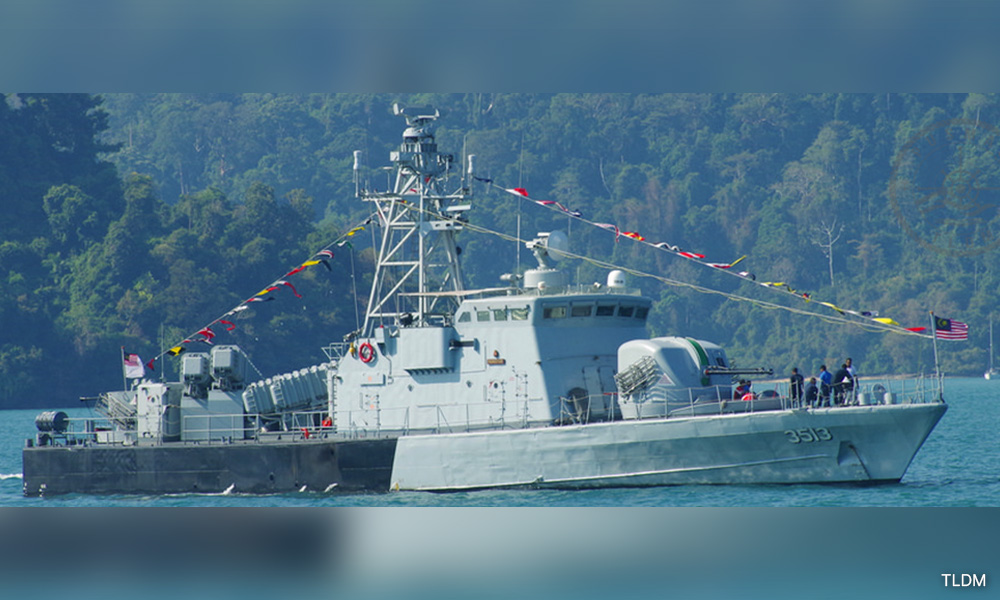
In a statement last night, the navy said that the Handalan-class fast attack craft was out conducting a patrol on Aug 25, and was approaching the coast for a technical inspection when it experienced strong vibrations, followed by major flooding.
The navy’s investigation board found that records showed the ship had strayed...
A Royal Malaysian Navy (RMN) investigation has identified navigational error and the ship’s age as the main factors leading to the sinking of KD Pendekar in August.
In a statement last night, the navy said that the Handalan-class fast attack craft was out conducting a patrol on Aug 25, and was approaching the coast for a technical inspection when it experienced strong vibrations, followed by major flooding.
The navy’s investigation board found that records showed the ship had strayed from its planned course and collided with Stork Reef (Terumbu Punggai) off the coast of Johor.
The ship’s age exacerbated the damage from the collision.
“The ship’s old age, which is 45 years old, surpasses the casting policy, which complicated flood control efforts following the weakened structure of the ship’s hull and allowed flood to spread quickly to other compartments,” the statement said.
The casting policy refers to the Armed Forces policy on the lifespan of its capital equipment including measures to replace decommissioned equipment.
According to a report by the National Audit Department this year, RMN’s ships have an economic lifespan of 24 to 30 years depending on the vessel, but 26 out of the fleet’s 49 vessels have exceeded that limit by up to 25 years.
Moreover, some of the ships were found to be still in use at a high tempo of operations (more than 60 days at sea each year) despite exceeding their lifespan, in part due to delays in receiving replacement ships such as the littoral combat ship.
Safe evacuation
The statement last night said KD Pendekar’s 39-member crew managed to evacuate safely to the cargo vessel MV Ashley without injuries.
It said the ship is now ongoing inspections after being successfully refloated.
However, the navy’s mine clearance diver Arman San Hermansa died on Aug 28 during the salvage operation.
According to the navy’s investigation, Arman’s death was due to drowning after becoming entangled with the shipwreck.
“The investigation confirms the cause of the diver’s death was drowning.
“Conditions in the area of operations where currents are unpredictable and stirred up silt on the seabed made for very limited visibility, about one foot (30cm) on the day of the incident.
“Such conditions place divers in a high-risk situation and challenging work pressure.
“When the safety line used by the diver was found to be entangled with the ship, the unfortunate diver’s emergency drill was unsuccessful and caused him to drown,” the statement said.

Despite the tragic outcome, the investigation found that all standard operating procedures had been followed prior to the dive’s commencement.
Moreover, the diver is confirmed to be competent for the task at hand, and the equipment was verified to be in working order both before and after the dive.
“The RMN takes the findings on both incidents seriously. The safety of personnel and the fleet’s readiness are the navy’s priorities, in addition to ensuring all navy personnel can perform their tasks perfectly and in accordance with guidelines,” it added.