
MP SPEAKS | EPF for migrant labour a step in the right direction
This gathering was a tribute to our dedicated team members, including our drivers, clerks, and janitorial staff, who contribute tirelessly to our department’s smooth functioning every day.
It was a festive and joyful celebration, filled with vibrant decorations, delicious traditional foods and a warm sense of togetherness.
This event was not just about the festival; it was about honouring and showing appreciation for each person’s invaluable role in our work family.
In my address to them, I shared my...
MP SPEAKS | Yesterday, I had the pleasure of hosting a special Deepavali lunch for the hardworking rank-and-file staff from the Legal Affairs Division of the Prime Minister’s Department.
This gathering was a tribute to our dedicated team members, including our drivers, clerks, and janitorial staff, who contribute tirelessly to our department’s smooth functioning every day.
It was a festive and joyful celebration, filled with vibrant decorations, delicious traditional foods and a warm sense of togetherness.
This event was not just about the festival; it was about honouring and showing appreciation for each person’s invaluable role in our work family.
In my address to them, I shared my thoughts on the following.
In the recently presented Budget 2025, the government has introduced a proposal to make Employees Provident Fund (EPF) contributions mandatory for migrant workers. This marks a significant policy shift aimed at providing greater social protection for all workers in the country, irrespective of nationality.
As detailed by Prime Minister Anwar Ibrahim in his budget speech, the initiative will be implemented gradually.

For newly hired migrant workers, EPF contributions will be aligned with those of Malaysian employees – 11 percent from the employee and 12-13 percent from the employer.
However, for existing migrant workers, the contribution rate will begin at just two percent for both the employee and the employer, gradually increasing over six years until it matches the contribution rates applicable to Malaysians.
Criticism from employers
Predictably, this proposal has sparked criticism from some industry groups. The Federation of Malaysian Manufacturers (FMM) and the Master Builders Association Malaysia have raised concerns, arguing that stakeholders were not adequately consulted and urging the government to postpone the initiative.
The Malaysian Employers Federation (MEF) also voiced reservations, suggesting that if the scheme proceeds, it should be employee-funded to avoid placing a financial burden on employers.
This concern persists despite the government's plan to phase in the contributions over several years, thereby, minimising immediate financial impact on businesses.
To my mind, there is not a shadow of a doubt that migrant workers deserve to be covered by the EPF scheme. They, like local workers, are employees - many of whom work exceptionally hard and contribute significantly to the economy. Employers should therefore embrace this initiative, which ensures fair treatment for all.
Malaysian industries are increasingly aligning with environmental, social, and governance (ESG) principles, which prioritise inclusivity and social equity.
To adhere to these standards, employers must not treat migrant workers differently, as this would be perceived as discriminatory and contrary to the ESG ethos of integrating people, the planet and profit.
Migrant workers, many of whom work long hours, are essential to the success of numerous businesses across Malaysia.
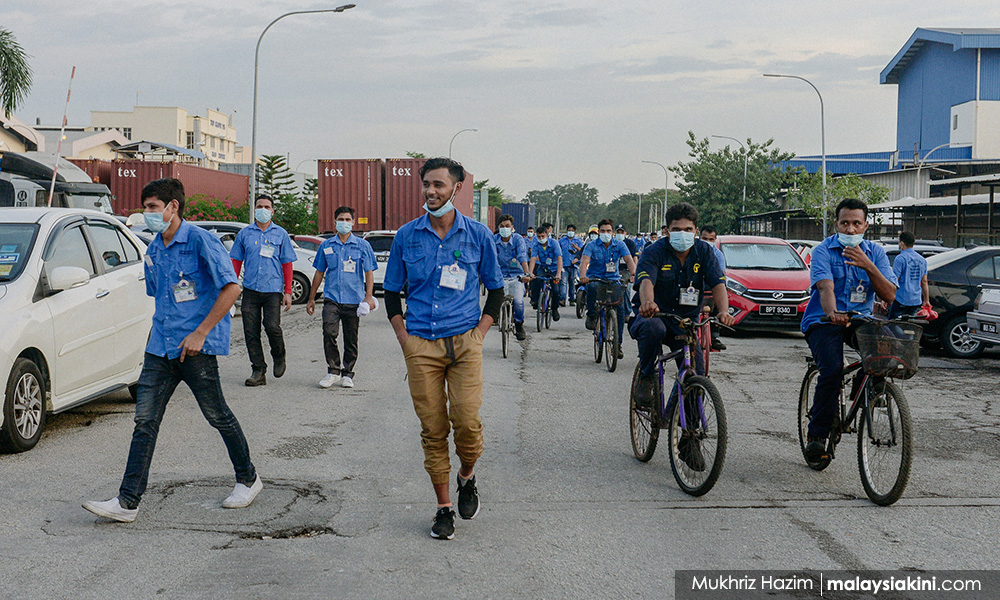
While employers may face financial challenges in contributing to the EPF - particularly as they already pay levies for hiring migrant labour—this initiative should be seen as an opportunity to reduce dependency on migrant workers and instead focus on developing local talent.
By investing in a skilled Malaysian workforce, businesses can lower long-term costs and reduce reliance on unskilled labour.
Stemming brain drain
As of December 2023, only 29.6 percent of Malaysia's 15.4 million workers are considered skilled. The Malaysian Investment Development Authority (MIDA) has stressed that this percentage must rise to at least 45 percent for the country to remain competitive on the global stage.
At the same time, a government study by the Department of Statistics Malaysia this year revealed that 39 percent of Malaysians employed in Singapore are classified as skilled workers, underscoring the extent of the brain drain Malaysia is facing.
In addition, 68 percent of Malaysians working in Brunei are also considered skilled, further highlighting the challenge Malaysia faces in retaining its talent while continuing to rely heavily on unskilled and semi-skilled migrant workers domestically.
This talent drain calls for urgent reforms in workforce development to retain skilled talent and reduce dependence on migrant labour.
It demands a transformative approach to labour recruitment and development. Reducing reliance on migrant labour, particularly in sectors that impede local talent growth, is critical. In the long term, businesses should prioritise human capital development and technological investment to reduce labour costs.
Collaboration between the government, employers, and unions will be essential in this transition. By investing in the training and upskilling of Malaysian workers, industries can create a more productive workforce with higher wages.
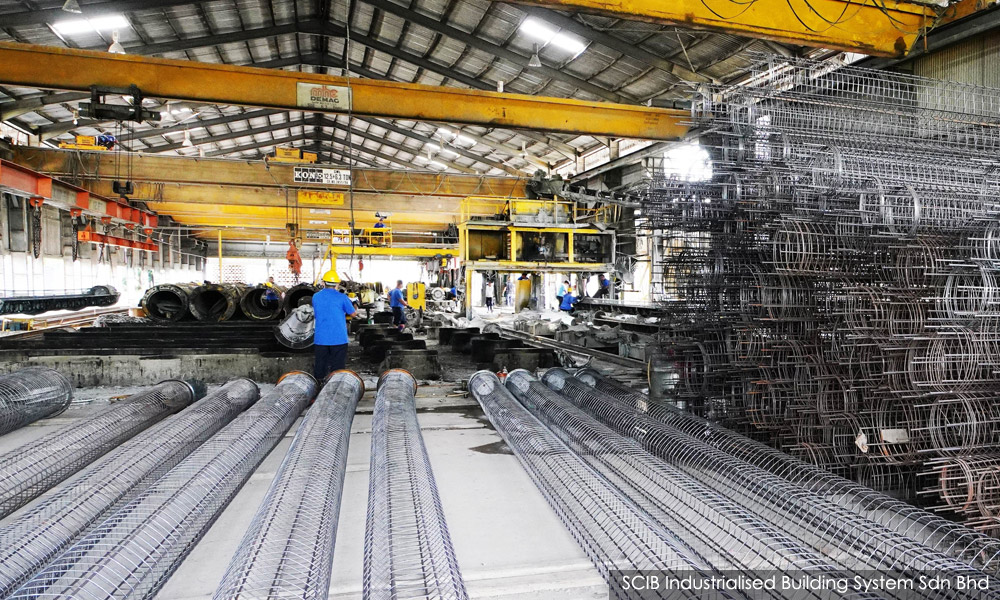
This shift would also lead to greater automation in routine tasks, further increasing operational efficiency.
Over time, focusing on human capital development and technological upgrades will help businesses reduce costs. The government can aid this transition by offering tax incentives, while unions play a vital role in ensuring continuous skills development for their members.
Although the introduction of mandatory EPF contributions for migrant workers may seem like an initial burden, it offers a clear path for positive change.
By embracing this policy, employers can enhance productivity, reduce dependence on migrant labour, and ensure that Malaysian workers are equipped with the skills necessary to succeed in a competitive global economy.
M KULASEGARAN is the Ipoh Barat MP and deputy minister in the Prime Minister’s Department (Law and Institutional Reform).
The views expressed here are those of the author/contributor and do not necessarily represent the views of Malaysiakini.