
COMMENT | Why do M'sian films do better abroad?
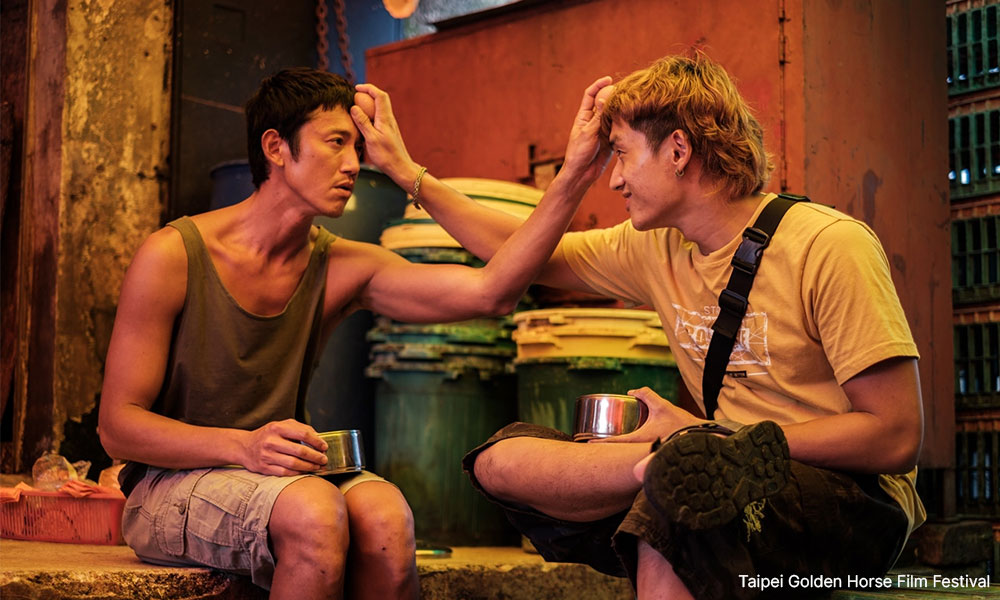
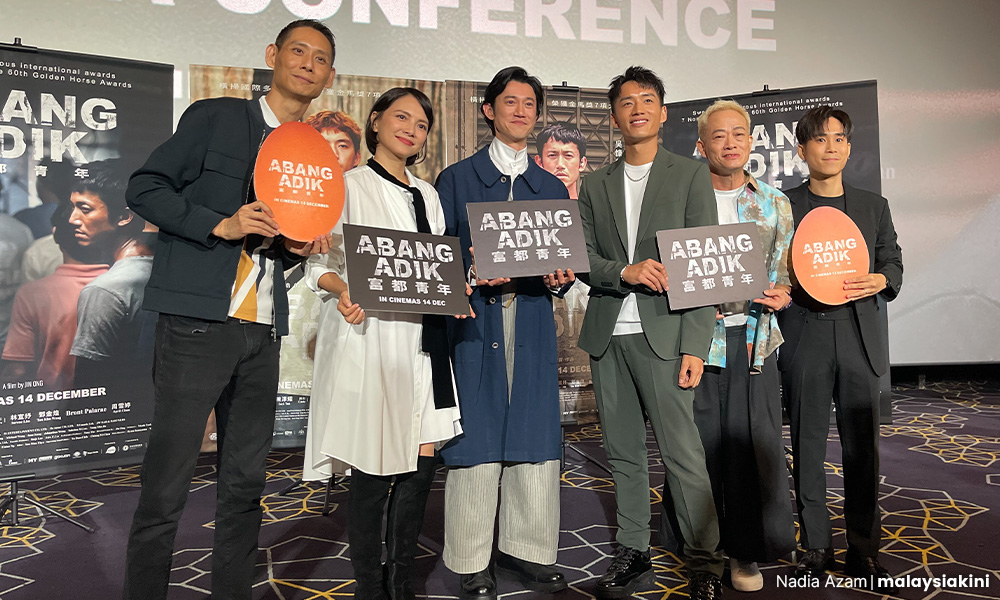
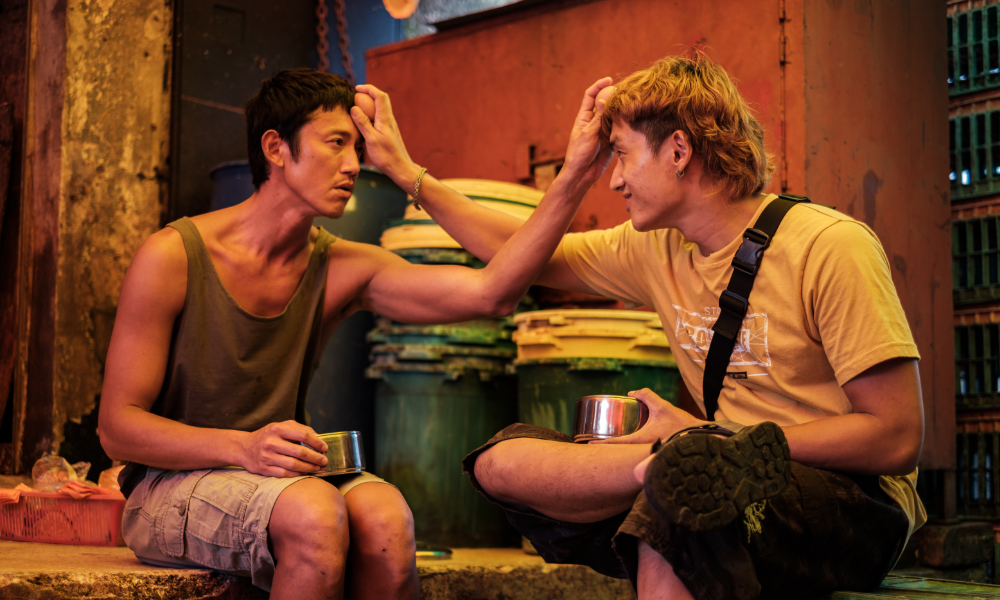
COMMENT | Recently, the National Film Development Corporation Malaysia (Finas) selected “Abang Adik”, Jin Ong’s debut film following the lives of undocumented orphans in Kuala Lumpur’s criminal underworld, as Malaysia’s submission to the Oscars.
It’s exciting to see some government support for a film like “Abang Adik”, a critical Chinese language cinema with homoerotic undertones, but there’s a lot more to be done.
This year, Global Bersih started the inaugural Global Malaysia...
COMMENT | Recently, the National Film Development Corporation Malaysia (Finas) selected “Abang Adik”, Jin Ong’s debut film following the lives of undocumented orphans in Kuala Lumpur’s criminal underworld, as Malaysia’s submission to the Oscars.
It’s exciting to see some government support for a film like “Abang Adik”, a critical Chinese language cinema with homoerotic undertones, but there’s a lot more to be done.
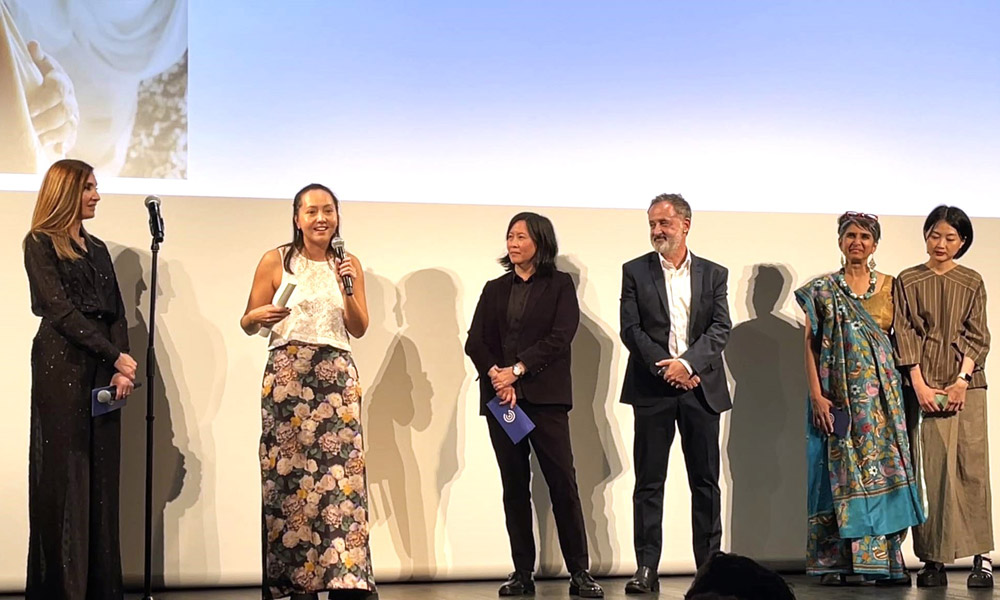
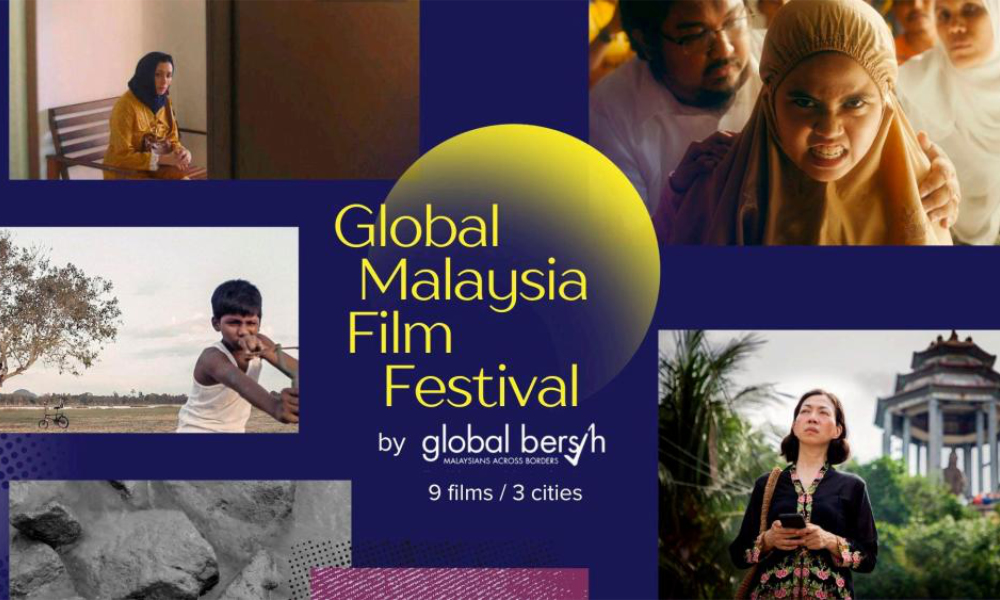
This year, Global Bersih started the inaugural Global Malaysia Film Festival to show Malaysian films to Malaysians through the international diaspora.
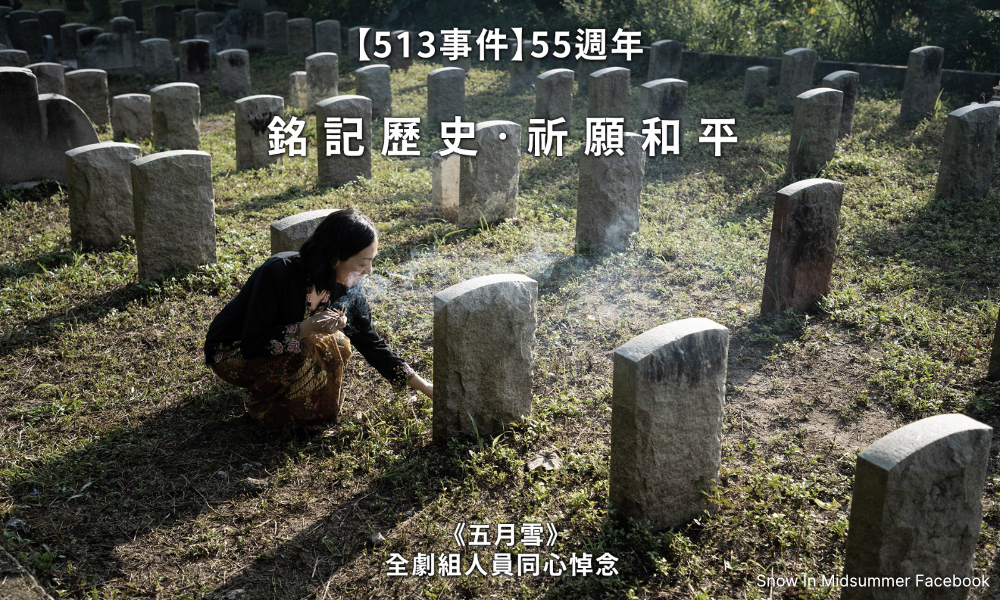
At our closing gala, we sold out our screening of the uncut version of Chong Keat Aun’s “Snow in Midsummer”, which deals with the victims of the May 13 riots, to a resounding response from the audience.
Audience members came up to me afterwards and lauded just how raw and honest it was, and how lucky they were to see such an important film that helped, in Chong’s words, start healing the “scars of history”.
In our question and answer session with him, Chong mentioned that he never expected it to be able to screen in Malaysia given the topic, and it’s clear he wrote it with a Taiwanese audience in mind.
This changed when Finas deputy chairperson Noor Azam Shairi saw the film at the Singapore International Film Festival and approached the director to commendably ask him to submit the film to the Film Censorship Board, pledging his support.
The film was eventually released in Malaysia with over 20 shots cut, blurred or otherwise censored.
Worrying pattern
This story reveals a worrying pattern in Malaysian cinema. Sustained censorship has created an environment where brilliant Malaysian filmmakers make Malaysian stories with Malaysian actors shot in Malaysia but with no intention of ever showing them to Malaysians.
This is not just the case for arthouse films like “Snow in Midsummer” or “Maryam Pagi ke Malam”, but also mainstream popular films like “A Place Called Silence”, which was screened for a mainland Chinese audience and became one of the highest grossing films of the summer there.
And who can blame the filmmakers? Why would anyone want to face the fate of Zarul Albakri, who spent over 10 years trying to get “Spilt Gravy on Rice” approved by the censorship board? It took an unprecedented change of government for the intimate family film to be approved.

Who would want to be the filmmakers of “Mentega Terbang”, facing jail time after being charged under the Penal Code?
What is it that Malaysian censors are afraid of? “Mentega Terbang” follows a young Muslim girl whose mother has terminal cancer as she explores different ideas of the afterlife with her friends of various faiths and (spoiler alert) returns to Islam.
Beauty in diversity
I first watched it a few months ago at a screening organised by Demokratik Uke, a political Malaysian student group in the UK. The quality of the video was awful - we watched it on YouTube as a 480p video with ads playing every five minutes.
But afterwards, a tiny group of about 30 Malaysian students sat in the cinema and talked about our different religious experiences, just as the characters did on screen, and in that moment - despite the low quality of the video - I learnt so much about the diversity of faith practices and felt such a sense of unity from all these Malaysian students.
It was precisely this exchange of faiths that was deemed as “wounding religious feelings”, and which justified it being banned.
Whose feelings are wounded by understanding each other’s beliefs and practices? Can we come together as a country of such variety while the exchanging of ideas between people of different religious backgrounds is deemed as something that will wound the feelings of the public?
Transformational experience
This reminds me of scholar Gaik Cheng Khoo’s moving tribute to legendary director Yasmin Ahmad, written upon her death.
“... Yasmin said she didn’t know anything about politics yet spoke only nothing but politics and philosophy of love, not realising that it was love that was perhaps the hardest dream (though the simplest in her mind) for her critics and naysayers to overcome: hard and impossible for those who beat up others and abuse their power of authority, hard for those whose corrupt souls no longer have room for compassion…
“After all, an ad she made for SPCA about an autistic child who could not be drawn out into the world except by a dog was banned by the censors… only narrow-minded repressed bigots could make that love so impossible and so dirty.”
The experience of watching a film can be transformational: you sit in a dark cinema with a hundred other people and for 90 minutes all of you are living the same life, sharing in the same pains and joys.
Watching a film doesn’t just build empathy across communities. Momentarily, storytelling has the power to entirely dissolve these invented boundaries between “us” and “them”, between races, religions and nationalities.
For this reason, the sharing of bold stories is a necessary antidote to ethnic division and chauvinism, and a first step to sparking conversations that lead to change.
And for this reason, these banned films which confront “dirty” topics - May 13, interfaith relations, girlhood - are so urgently needed now.
Best in the world
Despite the enormous obstacles they’ve faced, Malaysian filmmakers are some of the best in the world.
At one of our screenings, a reputable British actor told me that after having attended the Toronto International Film Festival, Venice, Cannes, and a million other famous film festivals, these small Malaysian films felt the most raw, exciting, and beautiful to him.
In just the last three years, Malaysians have been successful at all “big five” film festivals - Berlin, Cannes, Rotterdam, Venice, Locarno - with an Oscar to top it all off, and have achieved incredible commercial success in China and the US.
Yet at the moment, because of censorship, it’s easier to screen these films in Paris, Taipei, and Los Angeles, than in Kuala Lumpur. We are forced to screen uncensored Malaysian films to Malaysians abroad simply because Malaysians at home cannot see them.
It’s time authorities nurture these new voices and help bring them to Malaysian audiences rather than silencing them.
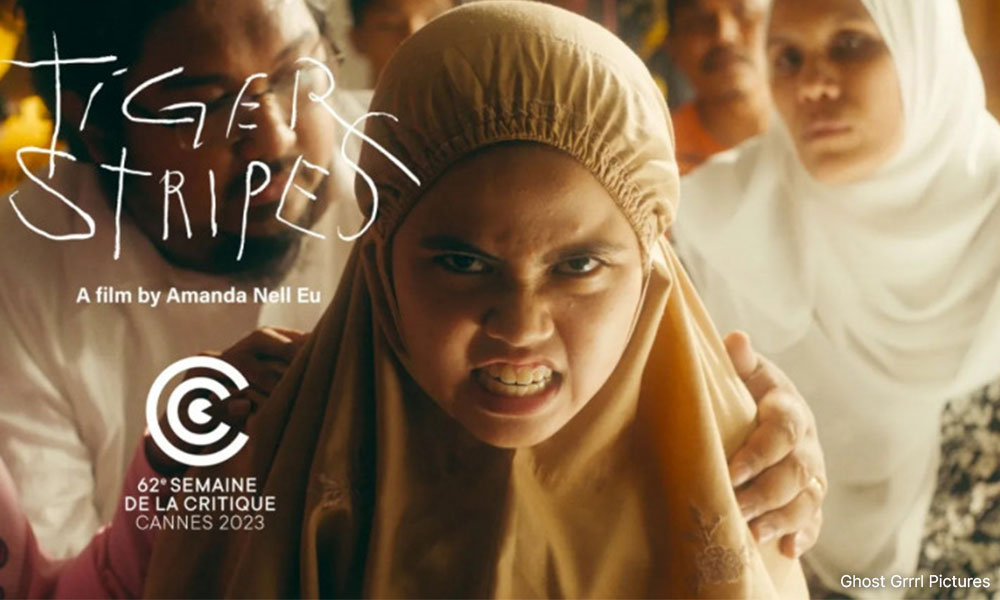
Sending “Abang Adik” and “Tiger Stripes” to the Oscars alongside encouraging “Snow in Midsummer” are commendable first steps from Finas, but what needs to happen for Malaysian cinema to help unite our nation is a paradigm shift in the censorship board, to allow difficult but important Malaysian stories to be shown at home.
ISA LIM is the festival director of the Global Malaysia Film Festival.
The views expressed here are those of the author/contributor and do not necessarily represent the views of Malaysiakini.