




Wheres the tobacco tax increase?
As many rejoice over the goodies dished out in the 2008 Budget yesterday, the six million smokers in the country must also be heaving a huge sigh of relief.
As many rejoice over the goodies dished out in the 2008 Budget yesterday, the six million smokers in the country must also be heaving a huge sigh of relief.
Traditionally, there would be an increase in tobacco excise duty during each budget announcement.
However, the annual increase was implemented two months ago in a move to stop a price war by tobacco companies. Tobacco excise duty was raised by 25 percent which translated to a RM0.80 increase for a pack of 20 cigarettes.
Despite the pre-Budget price increases, the Malaysian Council for Tobacco Control (MCTC) expressed deep concern that there was no further increases announced yesterday.

MCTC deputy president Dr Molly Cheah ( left ) when contacted said increasing cigarette prices was vital in the campaign to curb smoking.
"It's not just about increasing government coffers, increasing cigarette prices would make people realise that smoking kills," she added.
Mixed signals
In contrast, Cheah said yesterday's Budget announcement was another example of how the government has been sending out mixed signals on the efforts to curb tobacco use.
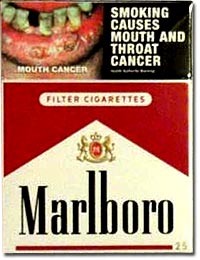 "On one hand, they use the taxpayer's money to fight tobacco consumption. But inconsistent government policies are not discouraging people from picking up the habit," she said.
According to Cheah, an example of 'inconsistent' policies was the decision by the government to extend the exemption of allowing tobacco companies to sponsor the annual Formula One event from 2005 to 2007.
Given that an estimated 50 percent of adult males in Malaysia are smokers, she said the absence of tobacco excise duty increases could be a political decision.
Similarly, Federation of Malaysian Consumer Associations (Fomca) also expressed disappointment that there were no increase in tobacco tax.
"It is contrasting to the initiatives of the government to promote healthy living," it said in a statement today.
Healthcare provisions
In a related matter, Fomca said it was unsupportive of the Full-Paying Patient scheme (FPP) announced in Budget 2008.
"It could potentially increase the cost for healthcare as there could be potential abuse of the scheme by doctors in refering patients to private wings," the group said.
 According to the budget, the FPP is a move meant to maintain the services for specialist doctors in public hospitals and government-run clinics.
Specialist would then be able to receive a portion of payment from patients under the FPP which takes effect on Jan 1 next year.
Fomca also criticised the budget for excluding allocations meant to address the spiralling cost of medicines.
"We are disappointed that there was no allocation to address the issue of rising cost of medicines and also no mention of the development of complementary medicines and support for the generic drug industry to alleviate the cost of medication," the consumer group added.


