
COMMENT | Never-ending talks on climate financing
The theme of the conference, "Empowering Climate Action through Ambition, Implementation and Inclusivity" seeks to translate more ambitious goals into tangible outcomes and actions.
The creation of the Climate Finance Action Fund (CFAF) is likely to be one of the key topics discussed at COP29 due to its potential to...
COMMENT | As we countdown to the global climate conference, the 29th United Nations Climate Change Conference (COP29) in Baku, Azerbaijan, from Nov 11 to 22, climate financing has returned to centre stage in negotiation topics.
The theme of the conference, “Empowering Climate Action through Ambition, Implementation and Inclusivity” seeks to translate more ambitious goals into tangible outcomes and actions.
The creation of the Climate Finance Action Fund (CFAF) is likely to be one of the key topics discussed at COP29 due to its potential to drive substantial progress in addressing climate change while supporting vulnerable nations in fulfilling international climate commitments.
New climate fund CFAF
The issue of poorer nations pushing richer ones to compensate for their historical greenhouse gas emissions is nothing new.
Developing countries, despite contributing the least to global greenhouse gas emissions, are disproportionately affected by the adverse impacts of climate change.
These climate change impacts are increasingly manifesting through severe heat waves, floods, droughts, and other extreme weather patterns, as shown in the Intergovernmental Panel on Climate Change (IPCC)’s Sixth Assessment Report (AR6).
The newly formed CFAF will leverage contributions from fossil fuel-producing countries and companies to support developing nations in addressing climate change.
With an initial fundraising target of US$1 billion (RM4.1 billion) and flexible contribution models, the CFAF could offer concessional and grant-based support to help developing countries invest in climate adaptation and resilience projects, specifically for the food and agriculture sector.
Slow progress in loss, damage payment
Besides climate financing, loss and damage payment is another mechanism that should be utilised by developing nations to cope with climate change.
Poorer developing countries often face challenges in managing and recovering from climate disasters. It includes both tangible losses, such as damage to infrastructure and property, and intangible losses, such as displacement of communities.
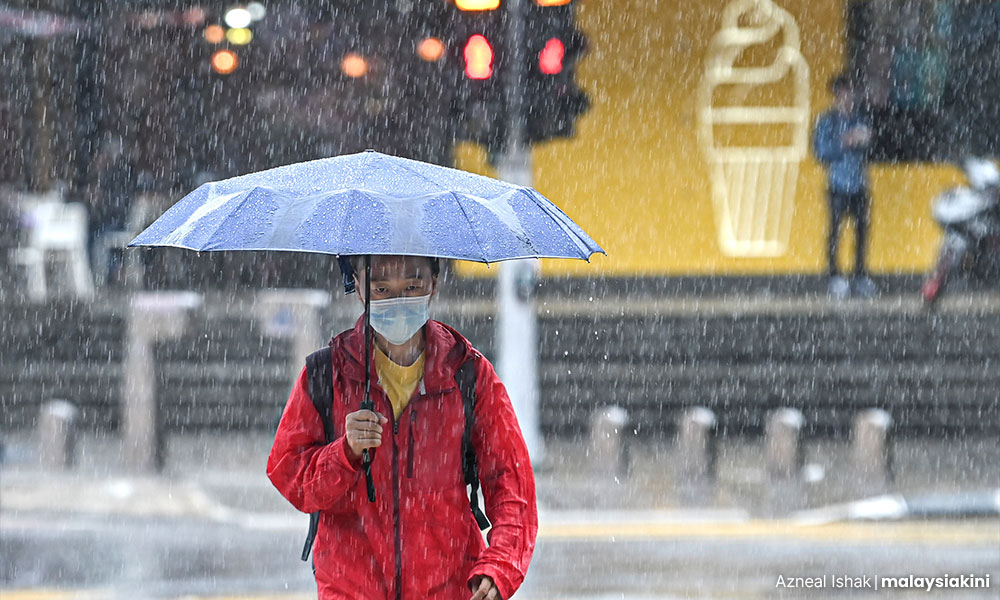
After years of intense talks, the establishment of a loss and damage fund is still slow.
There is a concern that by committing to loss and damage funds, developed countries might be perceived as acknowledging liability for past and future climate impacts.
The COP28 finally agreed to create this loss and damage fund, and the COP29 will determine its governance structure and resources.
It is hoped that this fund will start operating soon and delivering support to affected countries.
Closing the adaptation finance gap
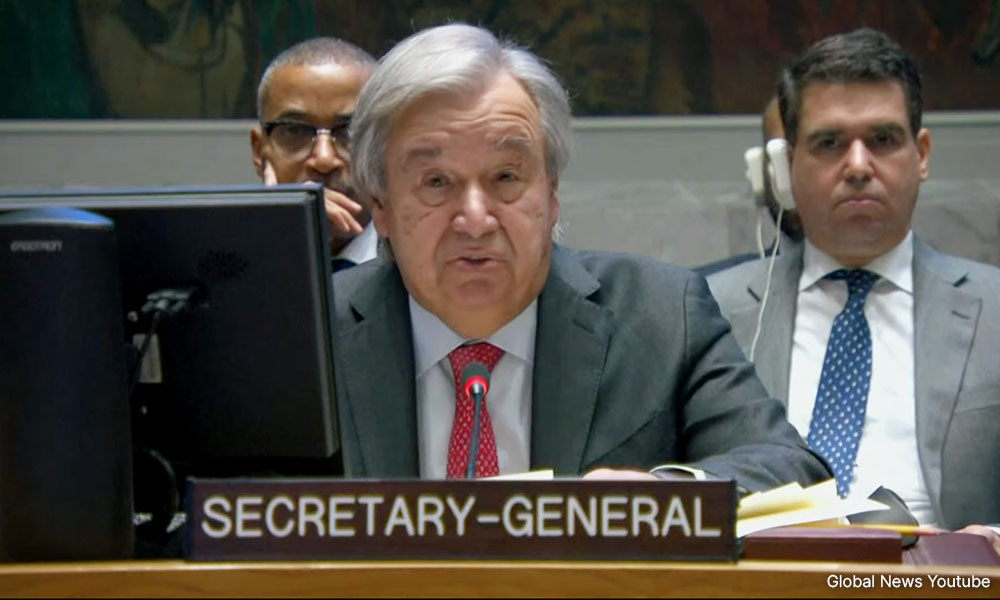
The call of UN secretary-general António Guterres to close the adaptation finance gap and deliver climate justice highlights the need for global action to combat climate change.
The adaptation finance gap here represents the disparity between what is needed to effectively adapt to climate change and the actual resources and support available.
The UN Environment Programme (UNEP) Adaptation Gap Report 2023 indicated that finance for adaptation in developing countries is on the rise, and adaptation finance is delivered through a variety of financial instruments, such as loans, equity, grants, and even anchor investments.
Alongside financial support, providing technical assistance and training are essential for developing the skills and expertise needed to implement adaptation measures.
This includes sharing knowledge and best practices in climate risk assessment and disaster preparedness from different regions and contexts.
Addressing the adaptation gap will indeed help strengthen recipient countries' capacity to plan, manage, and implement adaptation measures effectively.
However, to tackle any challenge, it is vital to first understand its scope. A study by Magic Circle law firm Allen and Overy estimated that an annual investment of US$6.4 trillion (RM26.4 trillion) is needed from now until 2030 to meet the targets of the Paris Agreement on climate change.
The financial need will increase to US$7.3 trillion (RM30.1 trillion) annually by 2050.
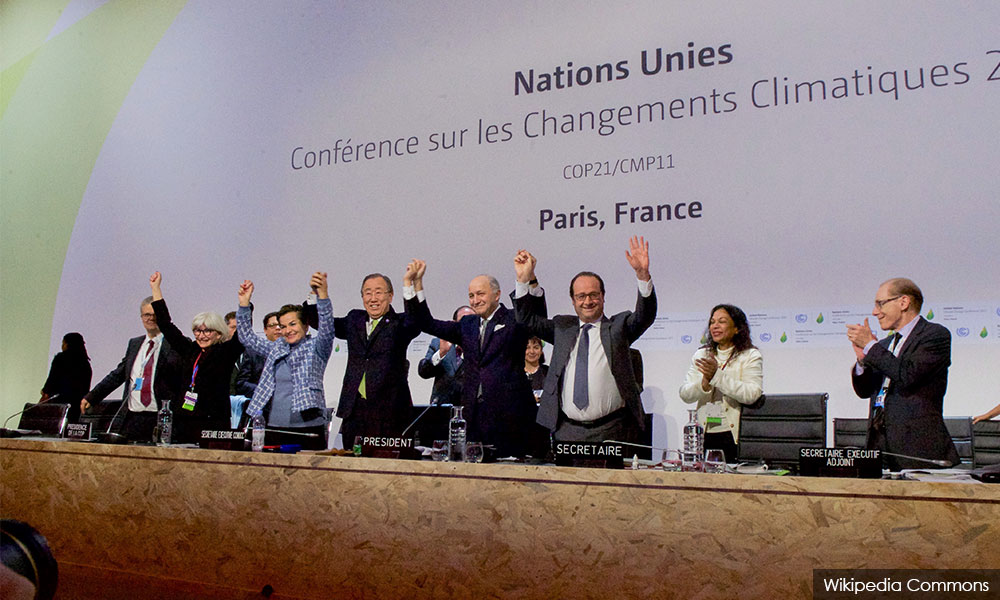
This rise reflects the growing scale of investment required as more ambitious climate goals are pursued and as the transition to net zero becomes more critical.
What is certain is that human activities’ effects on the environment are irreversible, and providing finance is the very least that wealthy countries can and should do!
The scale and complexity of the financing needed to cope with climate change will only grow if adequate funds are not deployed now.
Invest now to lock in lower costs for early adoption of technologies and building of infrastructure!
CHONG YEN MEE is a climate change analyst by training and enjoys writing doomsday stories that make people act.
The views expressed here are those of the author/contributor and do not necessarily represent the views of Malaysiakini.