
KINIGUIDE | From al-Arqam to GISBH
KINIGUIDE | Global Ikhwan Service and Business Holdings (GISBH) has suddenly become controversial following revelations about its activities, with various allegations levelled against them.
It began after an NGO known as the Malaysian Centre for the Study of Deviant Teachings (Pukas) exposed GISBH’s activities, including claims of practising deviant teachings and child exploitation.
Following this, Perlis mufti Mohd Asri Zainul Abidin also raised the issue of violence and cruelty linked to GISBH, urging the authorities to take swift action.
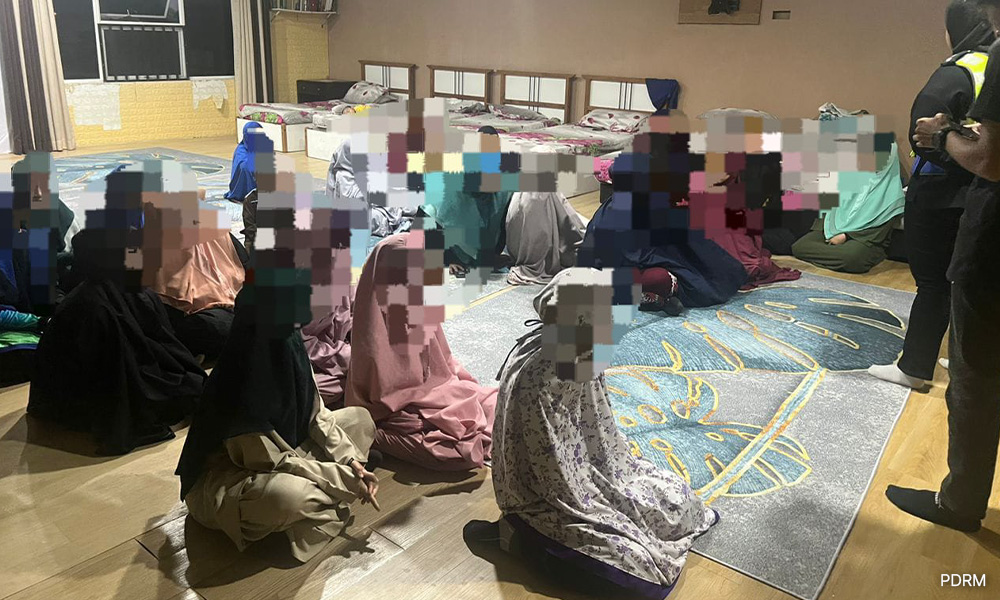
Finally, on Sept 11, the police raided 20 welfare homes believed to be owned by GISBH in Selangor and Negeri Sembilan and detained 171 individuals to assist in investigations into cases of child exploitation and religious abuse.
Inspector-General of Police Razarudin Husain revealed at a press conference that over 402 individuals - 201 males and 201 females aged between one and 17 years - were rescued during the operation. The figure was later increased to 572 children in subsequent raids.
However, GISBH issued a statement denying the exploitation of children as workers, stating that they would not compromise on activities that violate the law, particularly those involving children.
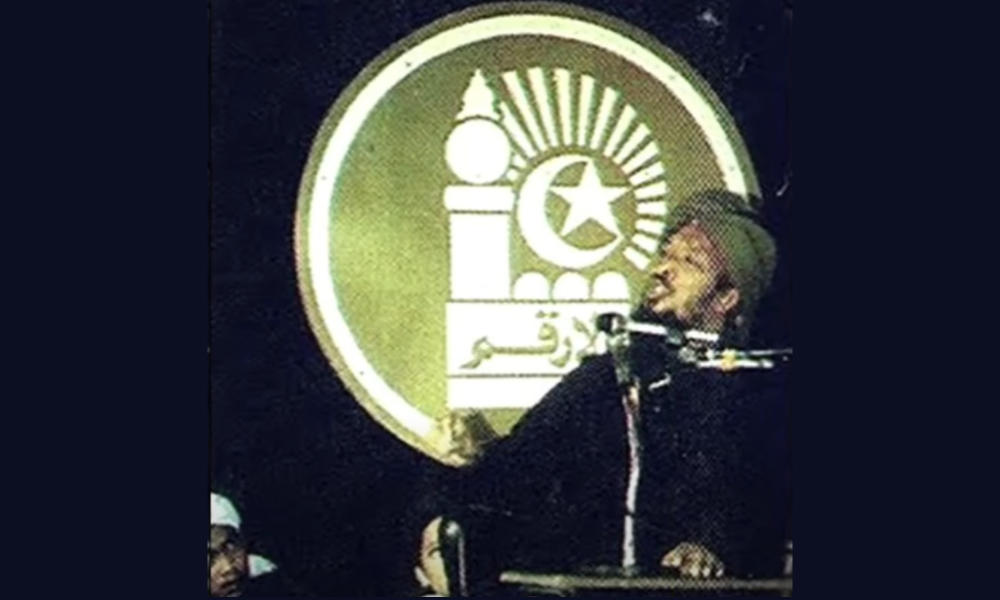
Razarudin later confirmed that evidence seized during the police’s Ops Global indicated that GISBH was linked to the Darul Arqam organisation (al-Arqam), a group that was declared deviant and banned in 1994.
What is al-Arqam?
According to an article by the PAS Research Centre, al-Arqam was a splinter group that emerged from the party.
Its founder Ashaari Muhammad was reportedly dissatisfied with PAS, believing that the party had neglected the economic aspects of their struggle.
Ashaari then established a missionary movement that was active and influential from the 1970s to the 1990s.
The group’s success and influence allowed them to establish themselves in a village in Sungai Penchala, Selangor. At one time, al-Arqam became synonymous with this settlement on the outskirts of Petaling Jaya and Kuala Lumpur.
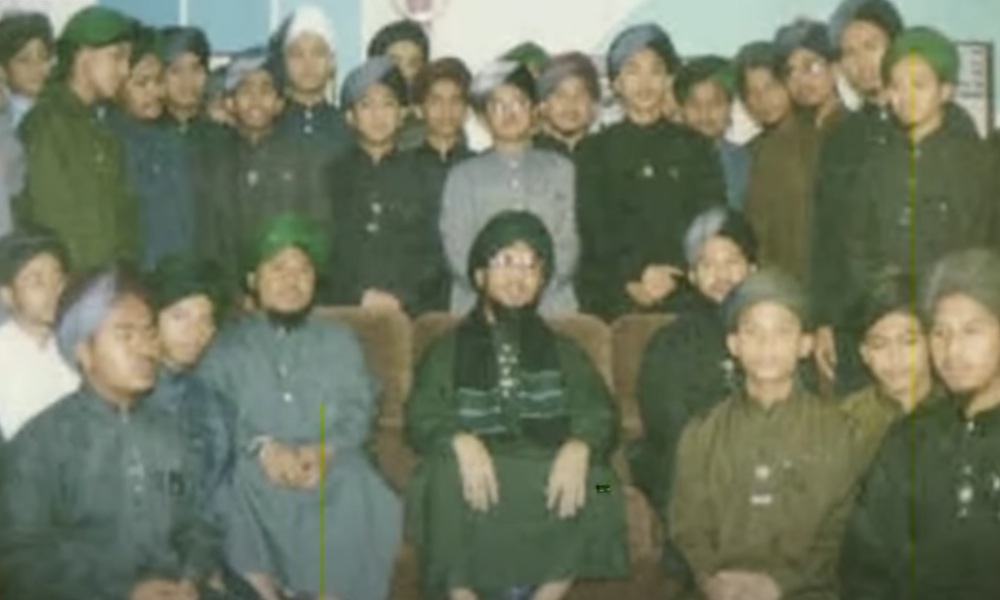
Before it was known as al-Arqam, the movement started on a small scale and was called Usrah Rumah Putih, based in Keramat.
The organisation then expanded rapidly beyond just being an Islamic missionary movement to becoming a successful business entity with ventures even reaching overseas.
At one point, al-Aqram followers also believed Ashaari would become a prime minister of Malaysia, especially since the group’s activities were unchecked by the authorities.
The organisation even claimed they were ready to manage the country’s Islamic affairs by offering to run the Islamic Centre, now known as the Islamic Development Department (Jakim).
Al-Arqam was considered one of the most influential missionary organisations, with its number of followers increasing both domestically and abroad.
This was bolstered by Ashaari’s personality, popularity, and leadership, and he was known as Sheikul Arqam, or more popularly, Abuya, among the group’s followers and members.
The organisation was later banned after it was found to be practising Aurad Muhammadiyah teachings.
Who is Abuya Ashaari?
His real name was Ashaari Muhammad, born on Oct 30, 1937 in Kampung Pilin, Rembau, Negeri Sembilan.
He received his early education in his village before studying at Madrasah Hishamuddin in Klang, Selangor.
Among his followers, Ashaari was better known as Abuya and was said to have married five women, resulting in him having 34 children.
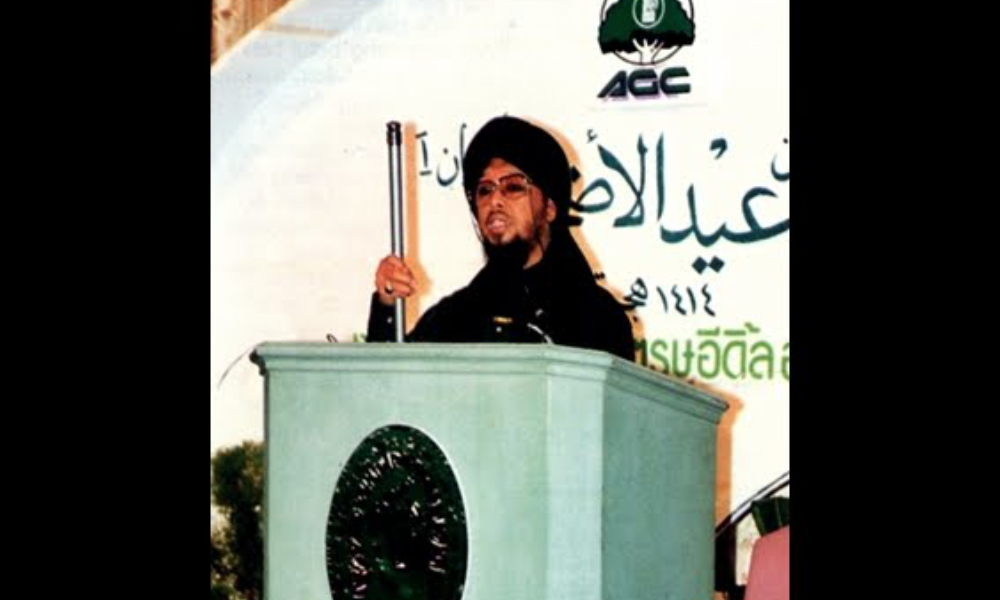
He initially worked as a government religious teacher and was involved in PAS politics, even becoming the party’s candidate for the Bangsar seat in the first general election after Malaysia’s independence, in 1964.
What is Aurad Muhammadiyah?
Aurad Muhammadiyah is generally a wirid (devotional prayer) recitation practised by the Muhammadiyah Sufi order.
It was introduced by a figure known as Sheikh Muhammad Abdullah as-Suhaimi (Sheikh Suhaimi), who hailed from Central Java but passed away in Klang in 1925.
There are claims that Sheikh Suhaimi received the teachings of the Aurad Muhammadiyah wirid directly from the Prophet Muhammad within the Kaabah. Furthermore, he claimed that the Prophet appeared before him in person and taught him to recite the wirid.
Sheikh Suhaimi’s followers believed him to be a great wali (saint, or “friend of God”) and the Mahdi (the messiah prophesied to come at the time of the last judgment). This belief was adopted by al-Arqam followers as part of the true teachings and creed of Islam.
Islamic authorities in Malaysia had issued a fatwa declaring Aurad Muhammadiyah as “haram” in 1988.
What happened after al-Arqam was banned?
In August 1994, al-Arqam was declared deviant by the National Fatwa Council and banned due to the deviant Aurad Muhammadiyah practices.
Ashaari, along with several of his senior leaders, was detained under the Internal Security Act (ISA) and subjected to rehabilitation.
The culmination of this process was Ashaari’s public confession, along with several of his followers, that they had strayed, and repented.
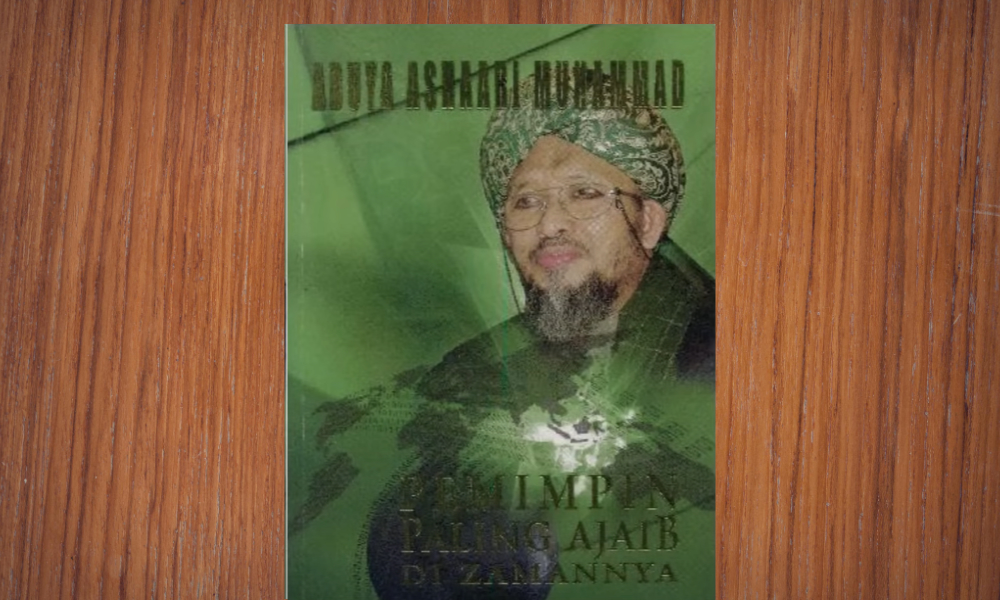
The announcement was broadcast live on national television.
Following this, Ashaari was placed under house arrest in Rawang and Labuan before being released on Oct 25, 2004. He died in 2010.
After being declared deviant and banned, al-Arqam was generally regarded as a thing of the past.
However, at the grassroots level, it seems the influence and teachings did not entirely vanish. Silently, the influence and teachings persisted among some diehard followers.
They have attempted to revive the movement under a new brand.
Rufaqa’ as al-Arqam successor
A business entity known as Rufaqa’ Corporation Sdn Bhd was established by former al-Arqam followers. Ashaari, who had publicly repented, was appointed the company’s executive chairperson.
The company was headquartered in Rawang, Selangor, focusing on various business sectors, including a chain of supermarkets and clinics, with entities spread across several foreign countries.
Rufaqa’ reportedly grew, involving over 300 staff.
Around November 2006, the Selangor Islamic Religious Department (Jais) raided Rufaqa’ at a premises in Shah Alam, Selangor.
More than 100 people, including four key leaders of the company, were arrested during the raid on allegations of attempting to revive al-Arqam’s teachings.
Some were released on bail, while those suspected of involvement were charged in court.
How Rufaqa’ became GISBH
During al-Arqam’s heyday, the group also expanded its influence and built its image through branches in the arts and mass media.
For instance, they formed nasyid (Islamic songs) groups such as Nada Murni, The Zikr, and others, producing various albums with religious themes.
After al-Arqam was banned, their popular nasyid groups also disbanded, with members pursuing their own paths, some forming new groups.
It was during this period that popular nasyid groups such as Raihan, Rabbani, and Hijjaz emerged, creating a new wave in the entertainment scene.
These groups gained popularity in Malaysian society and were even embraced by mainstream audiences, serving as an alternative to existing entertainment.
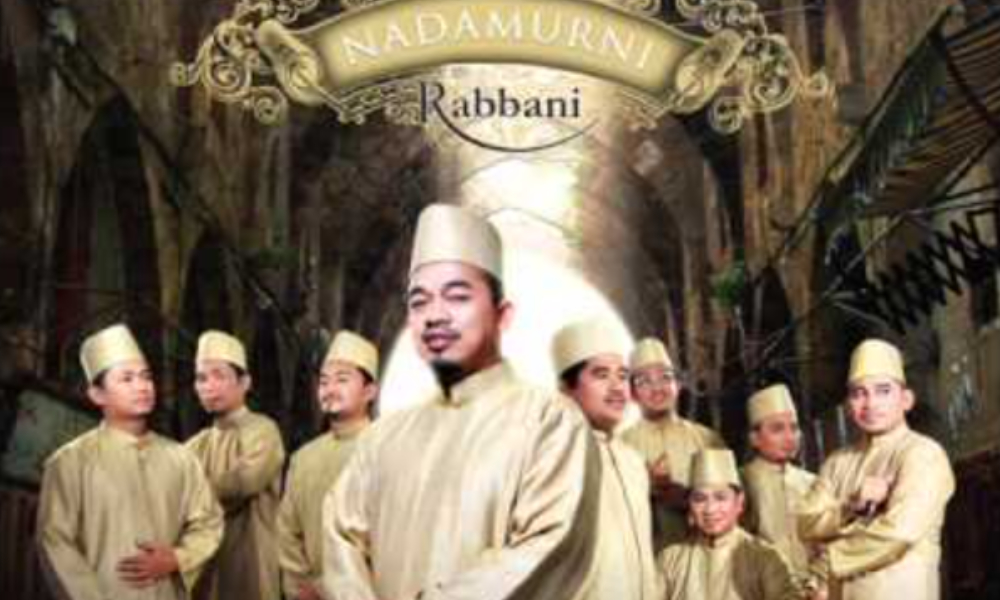
At one point, Raihan won multiple awards, achieved top album sales in the industry, and gained international recognition.
However, these nasyid groups were no longer seen as being influenced by al-Arqam.
After the incident involving Rufaqa’, issues surrounding al-Arqam seemed to fade.
At the same time, GISBH emerged, initially recognised as a company run by former al-Arqam followers who had repented.
Founded in 2008, the company continued al-Arqam’s business model, expanding its business empire worldwide.
GISBH shock after 15 years of calm
In 2008, an entity known as Global Ikhwan Sdn Bhd emerged, engaging in various activities, including business and other ventures.
The company later expanded and became GISBH a few years later.
After around 15 years of relative “calm”, GISBH shocked the nation with various allegations of illegal activities.
On Sept 19, the police Ops Global entered its fourth phase across Peninsular Malaysia, raiding 82 locations that served as business premises. As a result, 186 victims, comprising 102 men and 84 women, were rescued, and 155 suspects - 78 men and 77 women - were detained.
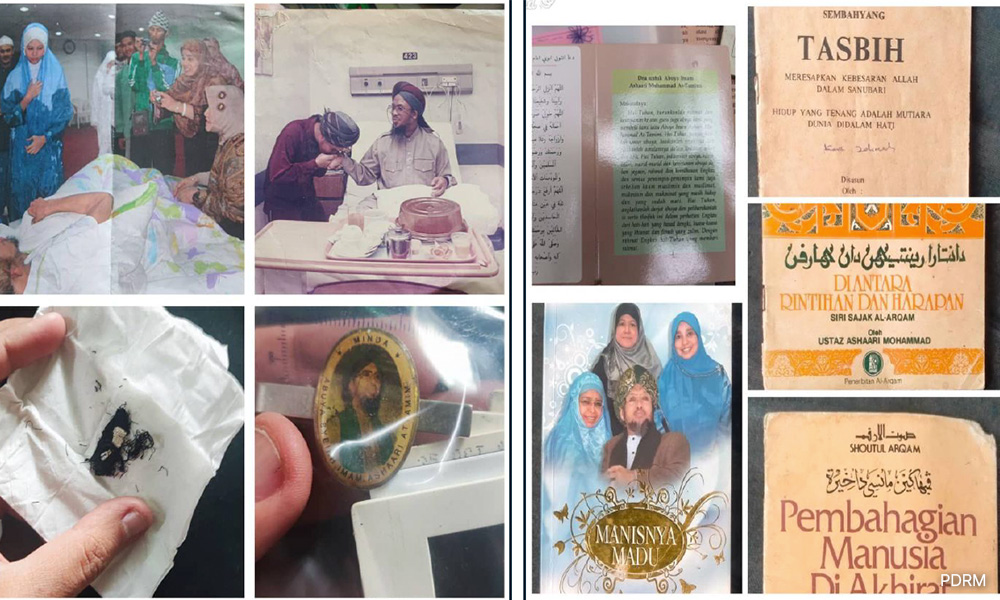
Razarudin was reported as saying that, during the joint operation with Jakim, several leaflets containing elements believed to contradict Islamic teachings and superstitious items were also seized.
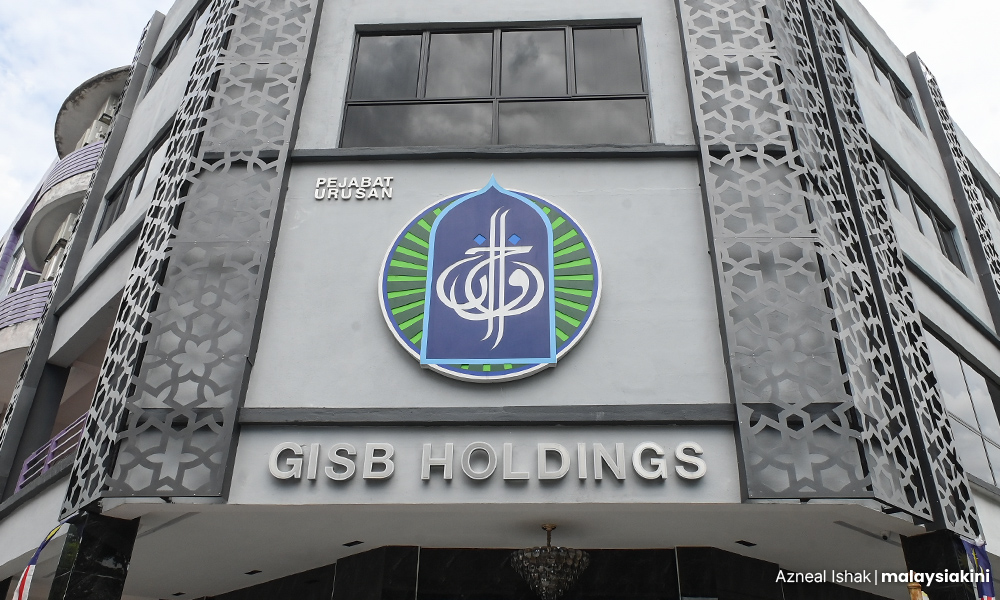
In Penang, four buildings, including two childcare centres believed to be connected to GISBH, were raided. Police later seized six books suspected of being related to al-Arqam teachings.
In Malacca, 285 items related to al-Arqam teachings, including pictures of Ashaari, were found during raids on GISBH-linked premises at 19 locations.
In Kelantan, three houses believed to be the residences of GISBH’s chief executive officer’s family in Kampung Panji were raided. Various types of books and documents related to the company were found buried along the riverbank, with some also burned.
It is believed that this was an attempt to destroy any evidence on GISBH.
Minister in the Prime Minister’s Department (Religious Affairs) Mohd Na’im Mokhtar said the issue related to GISBH’s doctrines would be discussed by the National Council for Islamic Religious Affairs (MKI) Muzakarah Committee, which is meeting from Tuesday until today.
The Malaysian Communications and Multimedia Commission (MCMC) is actively monitoring social media content involving GISBH, including viral videos that have been parodied by some members of the public.
Other controversies involving GISBH
Between late 2011 and 2012, a group of women dubbed the Obedient Wives Club (Kelab Taat Suami) emerged. It is believed to have connections with GISBH.
The emergence of the OWC became controversial after they published the book “Islamic Sex; Fighting against Jews to Return Islamic Sex to the World”.
The members, who were the wives of GISBH leaders and members, also launched a campaign called “Fight Against Illicit Sex: Be Loyal to Husband”.
The Home Ministry banned the book in 2011.
The OWC was led by Ashaari’s wife, Khadijah Aam, and several others, with Rohaya Mohamed as its vice-president.
The group garnered widespread attention when they suggested that wives should serve their husbands like “first-class prostitutes”.
This statement sparked controversy, prompting the government to take action, including reviewing the OWC’s registration status.
Allegations of GISBH misconduct
The police have revealed that recent investigations have found GISBH followers still adhere to al-Arqam teachings, despite the group being banned decades ago.
This follows the discovery of evidence, including leaflets and books related to the organisation.
Additionally, GISBH members have been accused of physical abuse, neglect and mistreatment of children and adolescents, criminal intimidation, child sexual abuse, human trafficking, and money laundering.
It has been reported that the police have so far frozen 153 accounts related to GISBH, amounting to RM882,795.94.
Thirty-eight vehicles worth an estimated RM3.94 million and 14 properties, whose value is still under investigation, were also seized.
GISBH’s official website clearly states that the company was founded by Ashaari, and it is now led by Nasiruddin Mohd Ali as its executive chairperson.
In its corporate video, GISBH introduced itself as an international Muslim conglomerate operating in 20 countries.