
Conservation NGO expands scope to guide Orang Asli children
At 9am, Jahai villager Siti Nordiana Rehek embarks on her daily boat ride with her friends to visit three villages in the Royal Belum State Park near the Perak-Kelantan border.
The journey from their home in Kampung Kelewang to Kampung Tanhai takes about an hour, but it’s a journey they’re happy to take as they know there are children there eagerly waiting to be taught basic reading, writing, counting, and colouring.
As there are four villages, Kelewang, Tanhain, Hebol, and Kejar, Siti and her friends rotate their teaching schedules to cover more than 70 students.
Speaking to Malaysiakini, the 23-year-old said she never expected that this would be how she could contribute to her community.
“I studied agriculture. I didn’t know I would enjoy teaching, and now, I even have students who are inspired to become teachers like me.
“It’s a good feeling to be able to help my community...
At 9am, Jahai villager Siti Nordiana Rehek embarks on her daily boat ride with her friends to visit three villages in the Royal Belum State Park near the Perak-Kelantan border.
The journey from their home in Kampung Kelewang to Kampung Tanhai takes about an hour, but it’s a journey they’re happy to take as they know there are children there eagerly waiting to be taught basic reading, writing, counting, and colouring.
As there are four villages, Kelewang, Tanhain, Hebol, and Kejar, Siti and her friends rotate their teaching schedules to cover more than 70 students.
Speaking to Malaysiakini, the 23-year-old said she never expected that this would be how she could contribute to her community.
“I studied agriculture. I didn’t know I would enjoy teaching and now, I even have students who are inspired to become teachers like me.
“It’s a good feeling to be able to help my community. The students are excited to learn, which makes me happy,” she said.
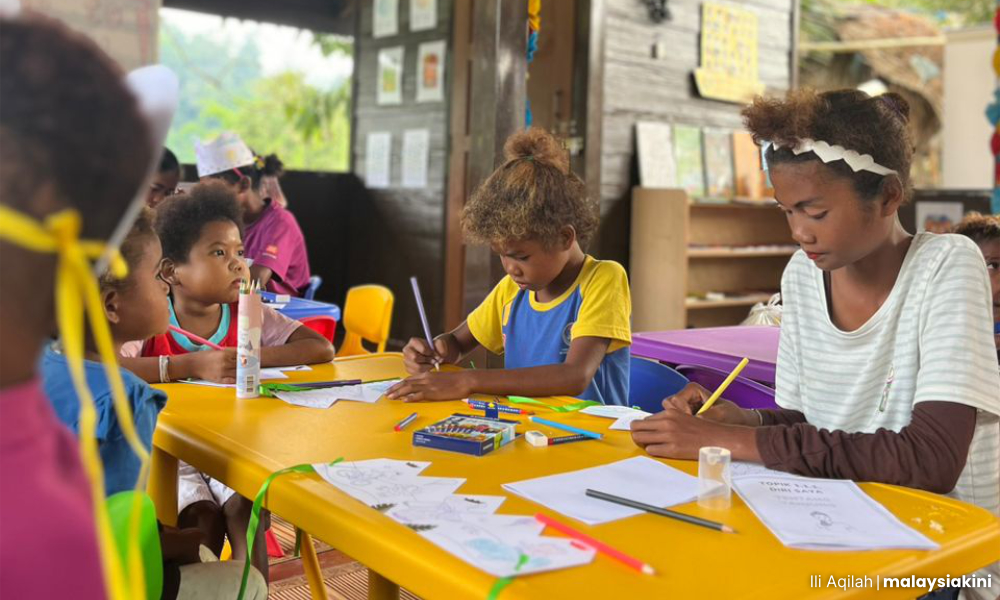
At the Rumah Baca in Kampung Tanhain, the teachers guide Orang Asli children, aged six to 14, using a specially created syllabus.
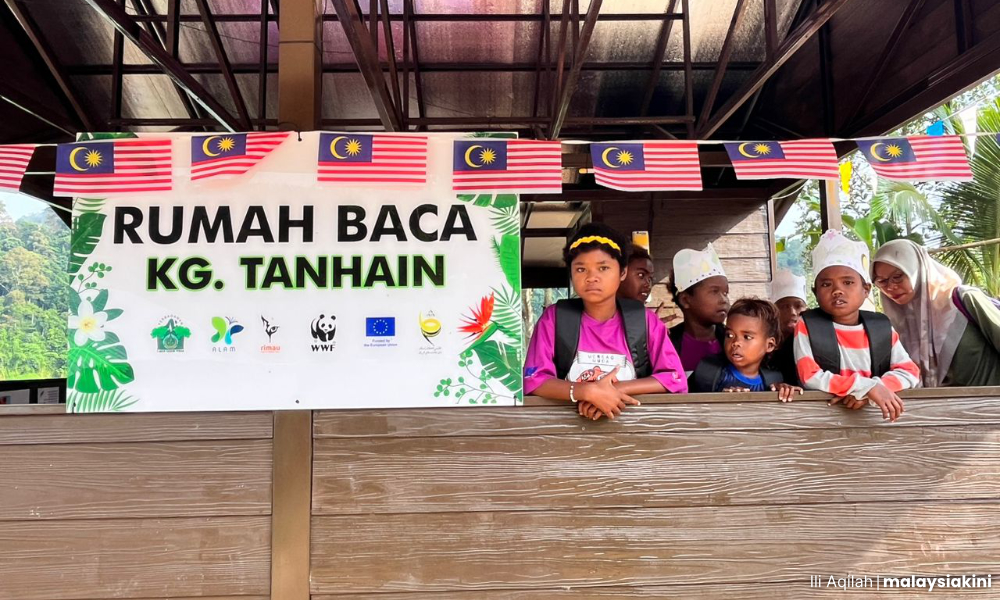
“The young ones enjoy colouring, which is great for their motor skills.
“Initially, it was challenging for us to teach them because the children didn’t speak Bahasa Melayu. But they are improving through the training we received before becoming teachers,” she explained.
Another teacher, Syahira Jimi, expressed happiness in teaching the children and supporting her family financially.
“I studied culinary arts but didn’t know I would love teaching. The students are happy and so are we.
“Of course, there are challenges, but it’s worth it when you see the children progressing well,” she added.
Siti and her friends are also assisted by two officers from the non-governmental group Rimau and the Perak State Park Corporation, who help monitor their and the student’s progress.
More than 50km to nearest town
Due to their villages' remote location, many Orang Asli children in Royal Belum cannot attend school. They are located more than 50 km from the nearest town, Gerik, and accessible only by boat.
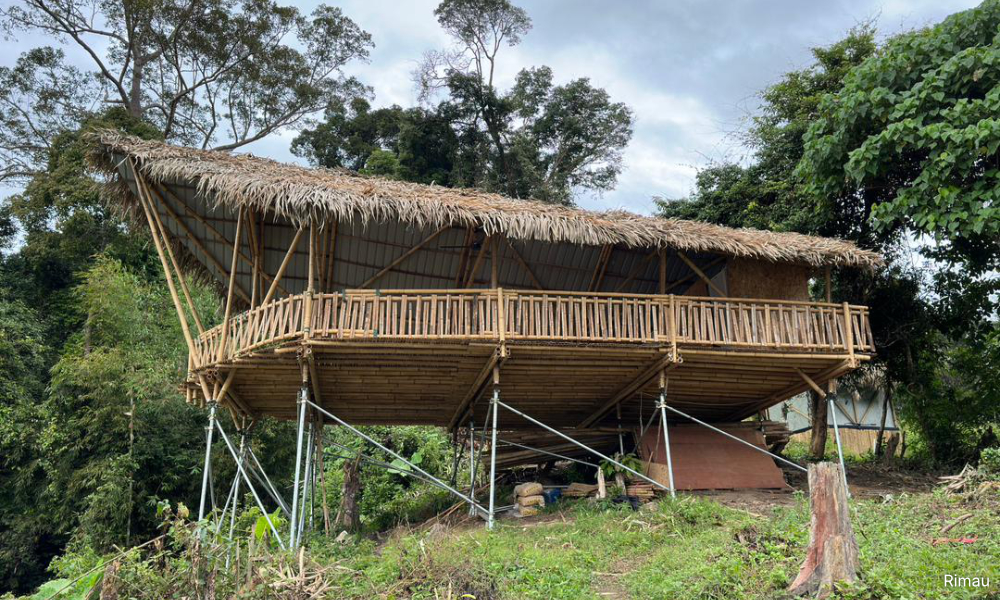
The nearest school, SK Sungai Tiang, is far from these villages, making regular attendance challenging.
In 2019, Orang Asli communities in Gua Musang, Kelantan, located across the state border some three hours away, urged the government to build schools closer to their villages to prevent their children from dropping out.
Most Orang Asli parents expressed concerns about sending their young children to hostels as they were not ready to care for themselves and parents were worried about their safety.
On June 26 this year, Cameron Highland MP Ramli Md Nor noted that the number of school dropouts among the Orang Asli is quite high and called on his community to seize the education opportunity and attend school to achieve progress.
How the learning centre started
According to Rimau president Lara Ariffin, she was drawn into the project by a poignant plea from Rimau’s patrol team, Menraq. They revealed a heartbreaking story: the desperate need for education for the Orang Asli children.
“When we set up Menraq, many members couldn’t read or write in Bahasa Melayu or do basic mathematics. These skills are important because, besides patrolling the Royal Belum forest, these men must read data, write reports, and present it.
“Now that they have these skills, they realise how important education is. That was when they told me about the need for education for their children,” she said.
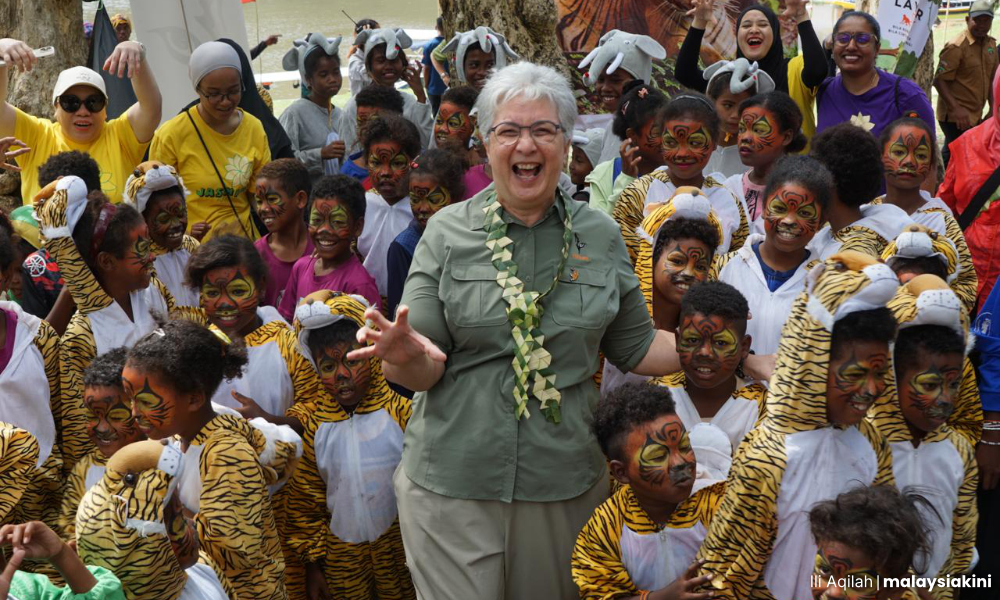
Since Rimau focuses on conservation work, Lara realised she needed expertise and funding to set up the learning centres.
“We pooled all the help we could get, including grants and assistance from the European Union (EU), Malaysia Development Bank (BPMB)-Alam, Yayasan Sime Darby, Perak State Park Corporation, and others. The planning started around 2022, including finding teachers and creating the syllabus.
“One of our board directors offered to do pro bono work on designing and building one of the learning centres using bamboo, wood, and other natural resources,” she said, adding that the teachers received various training in Royal Belum to prepare themselves.
BPMB-Alam representative Sainursalwa Sani said they were compelled to act upon realising the dire need to enhance education for the Orang Asli.
“Apart from educating them, we also want to raise awareness about their surroundings, such as knowing which trees or animals are endangered and need protection from poachers and others.
“Before we set up the school, our team talked to the Tok Batin in Kampung Tanhain and asked him what he wanted for his village. He told us it was education and that's how it started,” she shared.
Ambassador and head of the EU delegation to Malaysia, Michalis Rokas, passionately asserted that education is not merely a tool but a beacon of hope.
He envisioned a future where Orang Asli children, armed with newfound knowledge and skills, would rise as vigilant stewards of the forest, safeguarding its ancient secrets and precious biodiversity.
“Perhaps in the future, they can not only be rangers protecting the forest but also support their families with sustainable agriculture and other sustainable means, preserving the unique biodiversity of Royal Belum,” he added.
Module for the learning centre
Lara believes it is important for Orang Asli children to learn in a way they can relate to, creating a nurturing learning environment.
This belief led to the involvement of JCINAI Service Coordinator Jenita Engi in the project. JCINAI is an abbreviation derived from Jenita and her team's participation in the initiative.
Jenita told Malaysiakini that she and her team developed a syllabus consisting of 20 modules focused on the livelihood of the Orang Asli community.
“The goal is to help Orang Asli students feel proud of our culture and beliefs while encouraging them to learn and empowering self-determination,” she added.
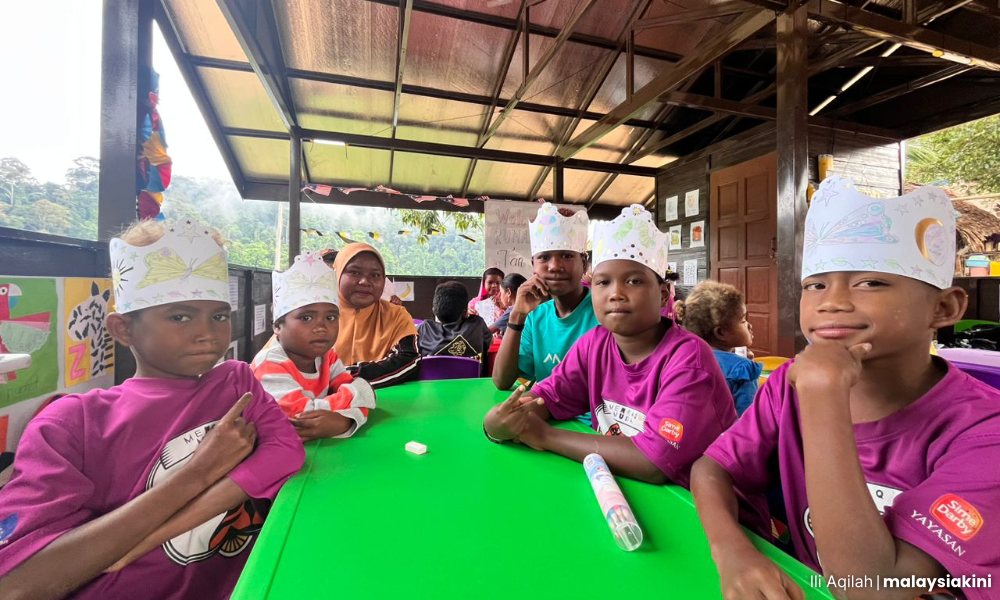
Jenita explained that developing the syllabus involves teachers working as researchers to document information from village elders or leaders.
This process takes time as teachers need to learn the concept of documentation.
Once the data is documented, teachers transform it into short stories, each three to four paragraphs long. These stories then serve as the foundation for creating 5M activities, developed collaboratively between the teachers and the team.
Before their work in Royal Belum, Jenita and her team collaborated with nine Community Education Centres from the Semai and Temiar tribes, creating a guidebook and teaching modules with support from Yayasan MyKasih.
“This guidebook was later used by four indigenous tribes in various areas, including the Temuan in Betong and Raub, Pahang, and the Jahai in Royal Belum. It was published in my ninth year working with the community,” she added.
Tipping line between progress and culture
As the learning centre progressed, Lara explained that the goal was to educate Orang Asli children without requiring them to leave their villages.
This approach also extends to the future teachers they plan to hire for the school.
Lara acknowledged that not all parents would be comfortable with their children leaving the village.
“One question is how much you are willing to move for education. But it also raises another issue: Should you have to move to get an education?
“When we first started the teacher training, Jasmine Playschool offered to assist but it couldn’t be conducted in Royal Belum,” she said.
The training was eventually held in Royal Belum, with teachers from the playschool visiting once every few months to check on the progress of the Orang Asli teachers.
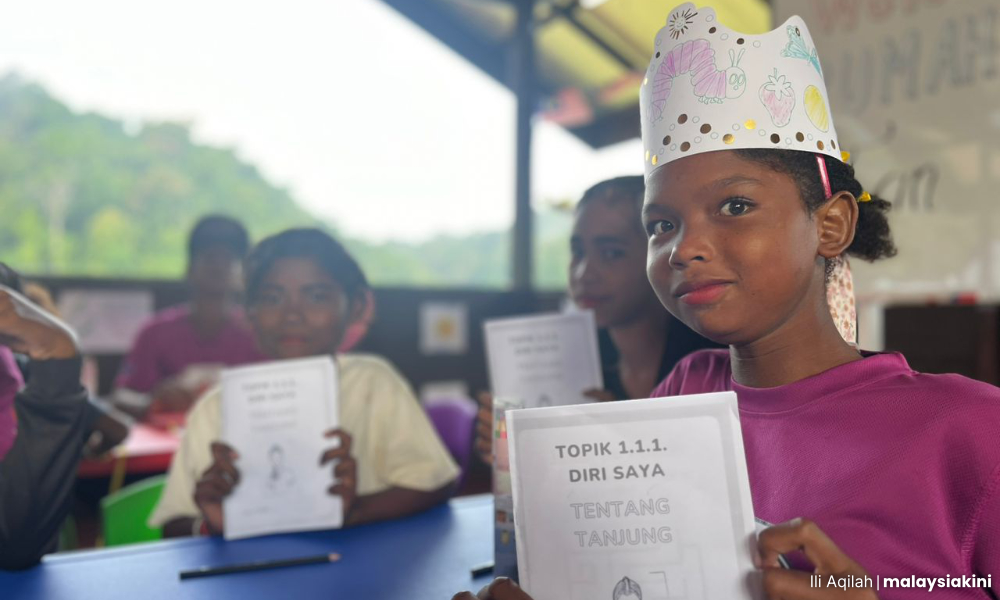
More than two years since the project began, Lara said she can clearly see the learning centre’s positive impact on the children and the community.
“Orang Asli children are usually shy, especially when they meet outsiders. But now, besides what they’ve learned from the teachers, the children are more confident, and their parents are pleased,” she said.
Currently, Lara is focused on securing food supplies for the children.
“When our team first started the project, we had officers monitoring the children and we found that many were underweight and malnourished.
“Now, I’m working on ways to provide food for the children before they start their classes because proper nutrition is essential for their learning,” she concluded.