


/file/publisher-c1a3f893382d2b2f8a9aa22a654d9c97/2024/08/8930ef79ba2e04f7f00d1db16b14011c.jpg)

Strong US-Philippines defence ties could affect Asean, expert claims
China studies expert Ngeow Chow Bing has warned that strengthened defence cooperation between the United States and the Philippines could potentially impact Asean unity amid escalating tensions with China.
Specifically, Ngeow cited the additional permissions granted for the US military to access four more bases under the Enhanced Defence Cooperation Arrangement with the Philippines.
“The breakdown of Asean...
China studies expert Ngeow Chow Bing has warned that strengthened defence cooperation between the United States and the Philippines could potentially impact Asean unity amid escalating tensions with China.
Specifically, Ngeow cited the additional permissions granted for the US military to access four more bases under the Enhanced Defence Cooperation Arrangement with the Philippines.
“The breakdown of Asean will occur if a China-US conflict happens,” warned the expert.
According to Reuters, the four new bases include a navy base and an airport, located at strategic locations aimed at bolstering US ability to counter China’s influence in the South China Sea.
In his closing remarks during a book launch on Thursday, Ngeow also questioned the scope of the 1951 Mutual Defence Treaty (MDT) signed between the US and the Philippines, which, among other provisions, requires both nations to support each other if another party attacks the Philippines or the US.
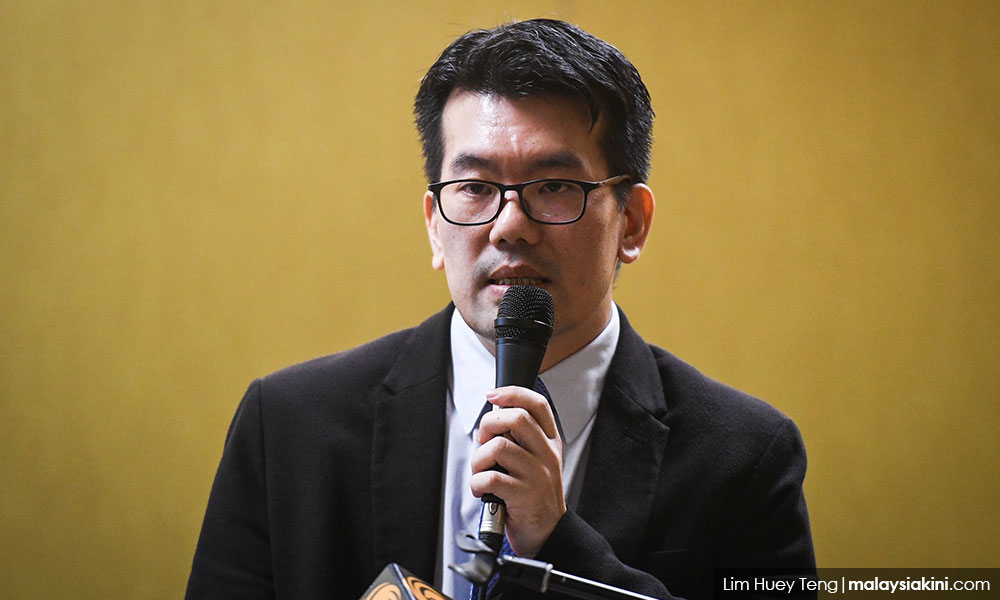
“The MDT was intended to cover Philippine territory, including islands and metropolitan areas, but uncertainties about the exact boundaries persist,” he said.
Disruptive
Elaborating on his warning, Ngeow cited Asean’s role in maintaining peace and harmony within the region, noting that any member country’s move to assist a foreign ally’s military activities could risk disrupting the consensus.
Last year, the US said it stood with treaty ally the Philippines in the face of harassment by China’s coast guard in the South China Sea and remains deeply concerned about “intimidation” by Beijing.
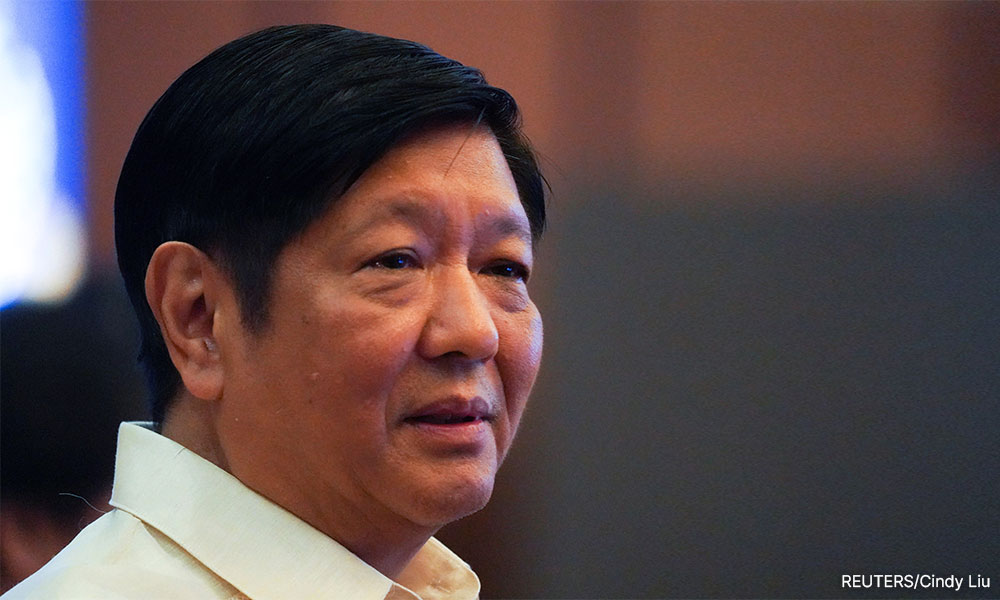
Philippine President Ferdinand Marcos Jr’s visit to the US highlighted the strength and endurance of the alliance between the two countries, US Assistant Secretary of State for East Asian and Pacific Affairs Daniel J Kritenbrink said.
The Philippines accused China’s coast guard of “dangerous manoeuvres” and “aggressive tactics” in the South China Sea, in another maritime confrontation between the two countries.
Ngeow had earlier launched “The Bases of Our Insecurity”, a new book authored by Roland G Simbulan, a Filipino scholar in development studies and public management at the University of the Philippines.
Neutral stance
Alluding to tensions in the South China Sea between the Philippines and China, Simbulan said Asean should maintain a neutral stance similar to Vietnam’s Four Nos Policy.
He proposed that Asean should adopt policies including no military alliances, no alignment with one country against another, no foreign military bases and no use of force in international relations.
“Everybody has a stake in what is happening in the South China Sea. This must be resolved through negotiations and diplomacy,” he said.
“Because if something happens and it gets out of control, for me personally, I would prefer that we just have competition through business, trade, and markets. It is better to compete that way or even negotiate and talk spontaneously.”
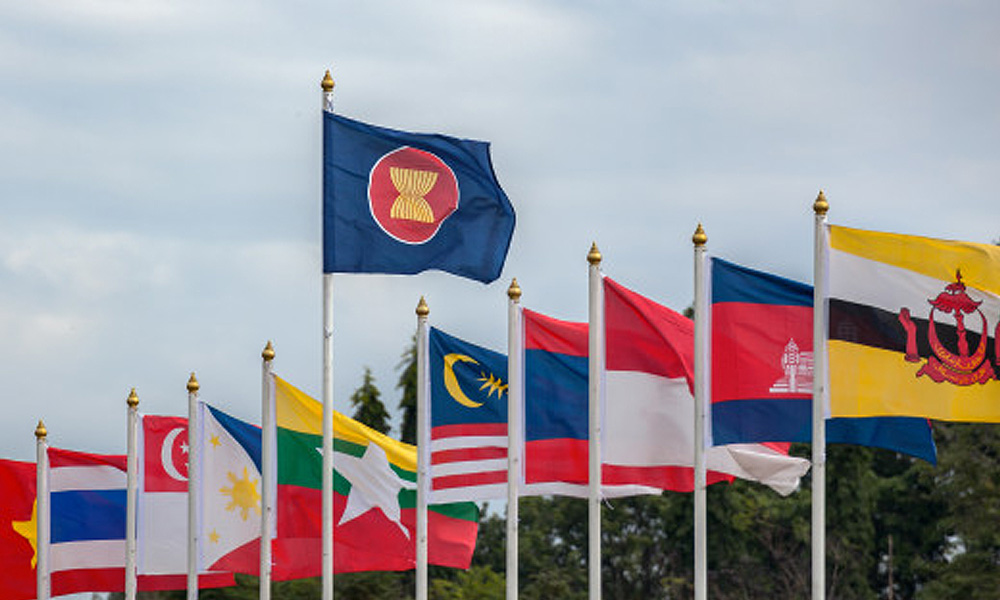
Overall, he said Asean should address disagreements between member countries on the South China Sea issue, many of which have economies highly dependent on China’s trade relations.
“On the other hand, countries also do not want to antagonise the US, which remains a major military superpower in our region with almost 30 military bases surrounding the southern parts of China,” he added.
In June, Prime Minister Anwar Ibrahim, at the 37th Asia-Pacific Roundtable held in Kuala Lumpur, called for aggressive diplomatic engagement to resolve the tensions in territorial waters between China and the Philippines.
As the upcoming Asean chair next year, Anwar also reiterated Malaysia’s position that the issue must be resolved among member countries and China, without the interference of external parties.
/file/publisher-c1a3f893382d2b2f8a9aa22a654d9c97/2024/08/81b6ae12385373fa825f0f6e39eeb922.jpg)
/file/publisher-c1a3f893382d2b2f8a9aa22a654d9c97/2024/07/3ed2fb7d4f63e80866bcb7fc26162162.jpg)
/file/publisher-c1a3f893382d2b2f8a9aa22a654d9c97/2024/07/c870605d0acd287aa3c8875e8a03dfe5.jpg)
/file/publisher-c1a3f893382d2b2f8a9aa22a654d9c97/2024/07/3a9d2f85b17177ef4808480f21d5196e.jpg)
/file/publisher-c1a3f893382d2b2f8a9aa22a654d9c97/2023/07/95e7788a35c9ab740f618b67b50d2f61.jpg)
/file/publisher-c1a3f893382d2b2f8a9aa22a654d9c97/2024/06/adb22f360ab69e45fe2c9bc7006f2eed.jpg)


