
Ex-PSM lawmakers express differing views in MP pensions debate
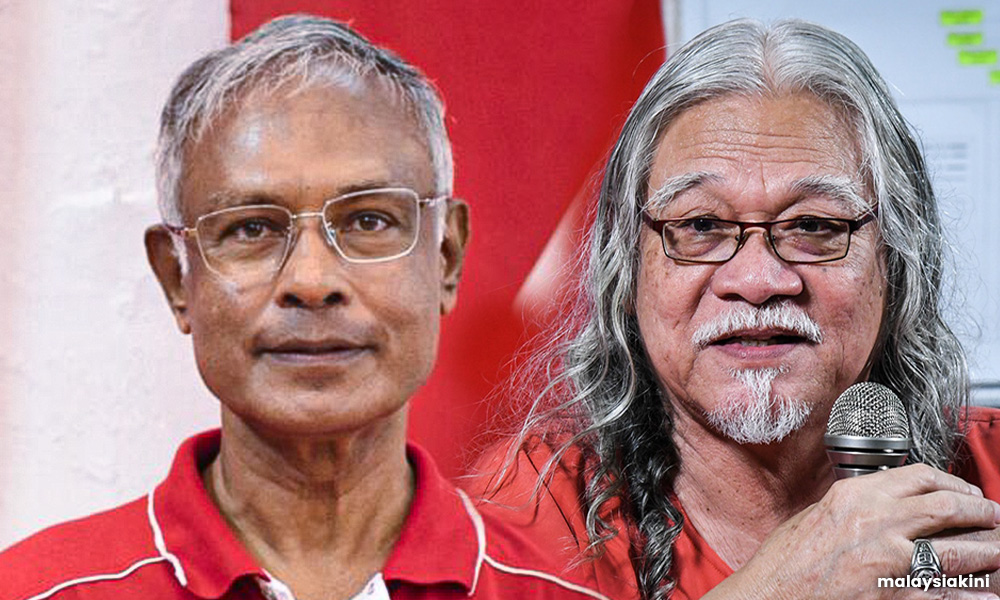
Two former elected representatives from PSM have expressed differing views on how many pensions a lawmaker should enjoy, however, they agree that pensions should not instead be replaced with the Employees Provident Fund (EPF).
Its chairperson Dr Michael Jeyakumar Devaraj said while he was against elected leaders receiving multiple pensions, he does not support the switch to EPF contribution either.
“For MPs to choose one pension, that is fair because we’re already...
Two former elected representatives from PSM have expressed differing views on how many pensions a lawmaker should enjoy, however, they agree that pensions should not instead be replaced with the Employees Provident Fund (EPF).
Its chairperson Dr Michael Jeyakumar Devaraj said while he was against elected leaders receiving multiple pensions, he does not support the switch to EPF contribution either.
“For MPs to choose one pension, that is fair because we’re already getting RM10,000 monthly. It’s reasonable and good enough.
“However, to convert them into EPF (contribution), I disagree,” he told Malaysiakini.
The former Sungai Siput MP, who served from 2008 until 2018, said pensions are more secure than EPF.
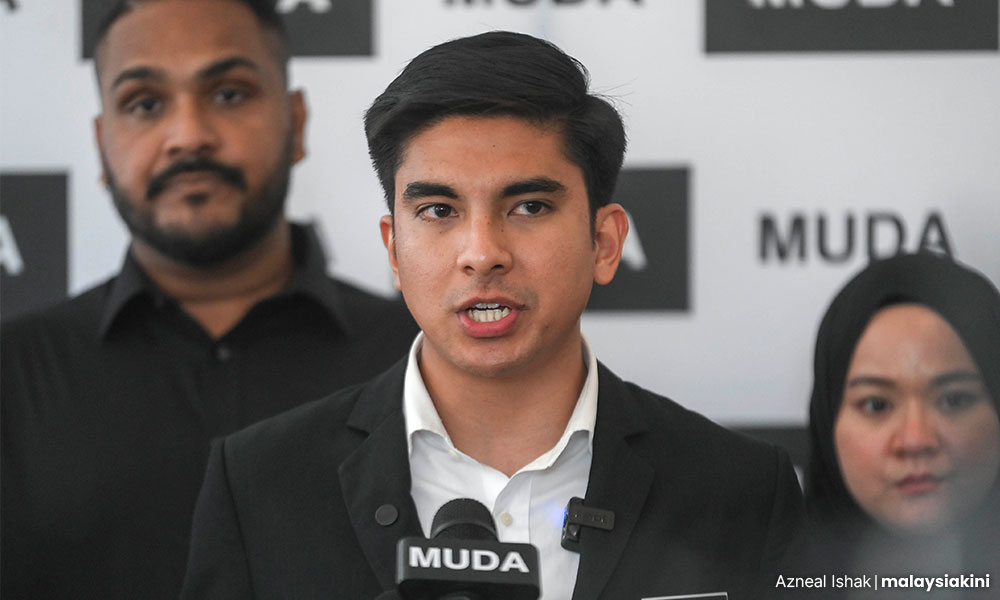
Jeyakumar (above, left) also pointed out that his party has been calling on the government to implement a universal pensions scheme for all, including private sector workers – starting at a minimum rate of RM500.
“So, it doesn’t make sense to change pensions to EPF, it will only create deeper financial insecurity for the working people,” he added.
Citing his own work experience as an example, Jeyakumar said he had to quit as a government doctor when he stood for election in 1999.
Financial insecurity
When he lost in Sungai Siput against then-MIC president S Samy Vellu, he had to establish a private practice as he could not return to his old job.
“When I won the polls in 2008, I had to scale back on my private practice to fully focus on my work as MP. I only opened my clinic once a week, which meant I couldn’t build my private practice.
“When I lost in 2018, I basically gave up 10 years… not building on my private practice. When professionals like doctors and lawyers become elected leaders, their professional practice suffers.
“So, getting a pension is fair. If I had continued in government service, my financial security would have been better,” Jeyakumar added.
READ MORE: How much pension can MPs receive?
However, the PSM leader acknowledged many people are upset with their lawmakers for their apparent non-performance despite the financial rewards.
“However, removing pensions will create financial insecurity among elected leaders which could lead to more of them becoming corrupt.
“But I understand why the people are upset with their elected representatives. That’s why we must ensure they are clean, performance-driven and non-corrupt without affecting their pensions,” he added.
‘Go find another job’
Former PSM chairperson Mohd Nasir Hashim has a different take on the matter.
“You serve as elected leaders for five years and get rewarded well for it.
“Once you’re out, go look for another job. There is nothing great about a politician,” the former Kota Damansara assemblyperson, who served from 2008 to 2013, told Malaysiakini.
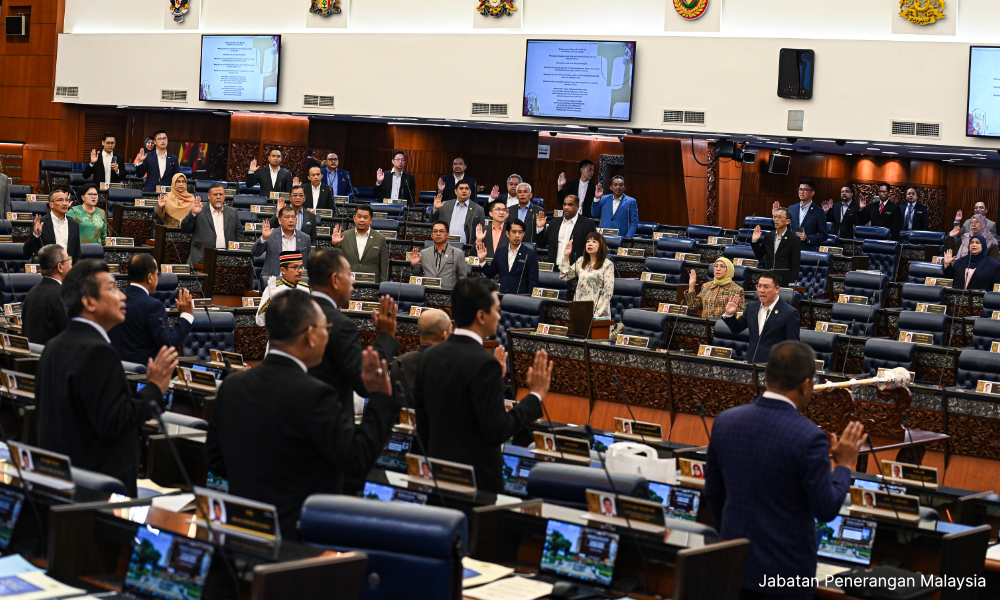
On lawmakers gaining multiple pensions from holding several posts, Nasir opined that they should not take more than two pensions after leaving office.
The problem with the remuneration scheme, he said, was due to elected leaders being allowed to decide on their salaries and perks.
This is because the government can propose a bill and pass amendments to the Members of Parliament (Remuneration) Act to increase salary and allowance for parliamentarians.
“This is why we need an independent body to evaluate (elected) representatives’ remuneration (scheme).
“It’s not fair for other workers having to slog for years to get meagre pensions but MPs get pensions only after serving for five years,” Nasir said.
Whether he was agreeable to converting elected leaders’ pensions into EPF contributions, he replied in the negative.
“It’s not a good idea… it’s just extending the pensions and going back to square one.
“We cannot compare politicians to people who work 25 years. It’s different. Some MPs even get posts in government-linked companies.
“The problem is our politicians dimanja-manjakan (are spoilt) and mostly by their own supporters,” he added.