
Criminologist wants new standards in trafficking trials
Criminologist Haezreena Begum has called on the government to find ways to expedite trials related to human trafficking.
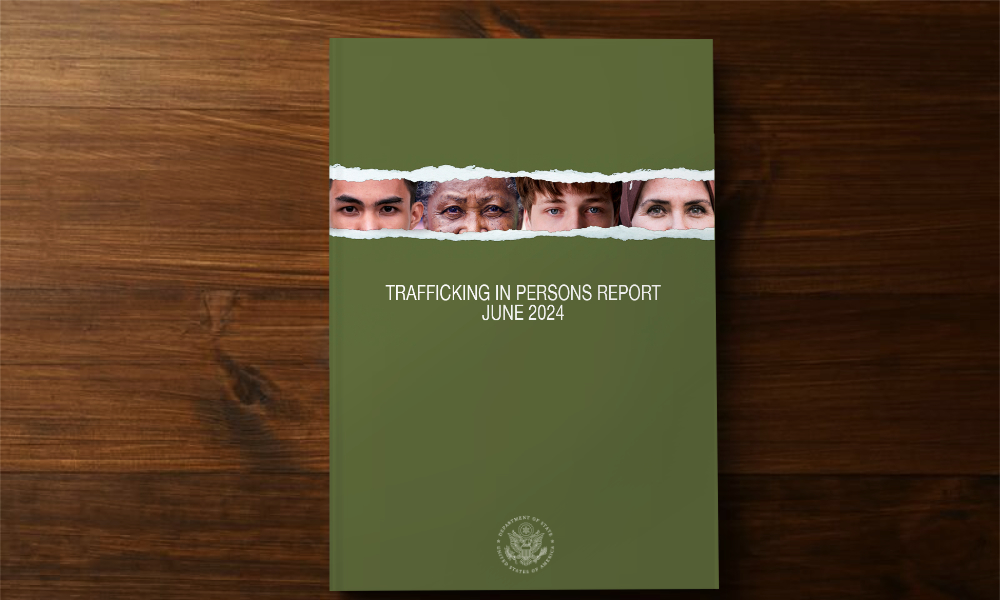
This came after the US State Department’s Trafficking in Persons Report (TIP) for this year elevated Malaysia to Tier 2, a better ranking for supposedly having made significant efforts to combat the crime.
Haezreena told Malaysiakini that...
Criminologist Haezreena Begum has called on the government to find ways to expedite trials related to human trafficking.
This came after the US State Department’s Trafficking in Persons Report (TIP) for this year elevated Malaysia to Tier 2, a better ranking for supposedly having made significant efforts to combat the crime.
Haezreena told Malaysiakini that the prosecution and conviction for human trafficking offences under the Anti-Trafficking in Persons and Anti-Smuggling of Migrants Act (Atipsom) was still low.
“I would say that there is much progress needed when it comes to human trafficking trials. The government, with the help of the Attorney-General’s Chambers and courts, needs to improve its procedures and expedite the trials.
“I would like to see stakeholders such as the AGC, Bar Council, judiciary and the Women, Family and Community Development Ministry come together and consult on what we need to do to expedite trials,” she said.
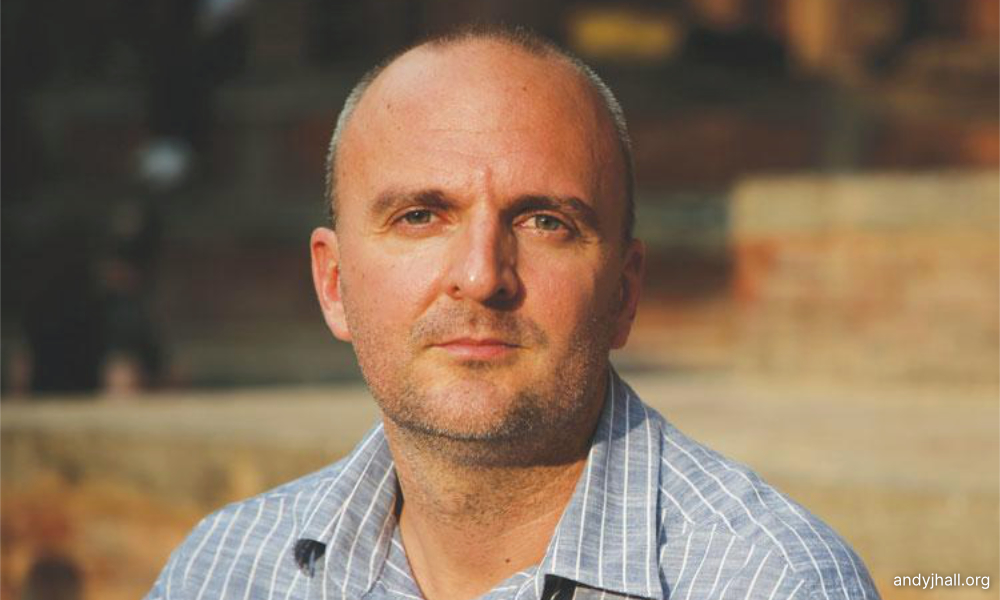
Haezreena (above) added that many times the victims have to experience a whole new ordeal when they are required to stay in the trafficking shelters in Malaysia while waiting to testify as a witness in these trials.
“Women have to stay in shelters until the trial is over. If the accused traffickers have a good lawyer, this can go on for many years.
“The shelter is restrictive, and while the government has allowed them to apply for work and freedom of movement, it requires a bureaucratic process and many are not keen to go through this process because they want to return to their home countries.
“They can only go home after the case is concluded.
“Looking at the length and success rate of prosecution, the prospect of conviction is rather difficult partly because it can be very complicated to prove elements such as force, deception, or coercion especially if it happened back in their home country.
“I have interviewed many trafficking victims, and even in cases of abuse or domestic servitude, if you ask them whether they want to sit there and make sure the trafficker is punished, they want to go home rather than endure the long wait,” said the deputy dean of Universiti Malaya’s Faculty of Law.
Wang Kelian horror
Haezreena singled out the case of the Wang Kelian human detention camps where mass deaths linked to human trafficking were exposed in May 2015.

Police discovered 139 graves, 106 bodies, believed to be Rohingya, and 28 illegal immigrant detention camps located deep in the jungles of Perlis, not far from the Thai border.
“Wang Kelian is still a question mark. Action was taken, especially in Thailand and the perpetrators have been convicted. In Malaysia, four Thai nationals were charged in June 2023 under Malaysia’s anti-trafficking laws but we are still waiting for the outcome.
“There should be more people charged considering the gravity of the offence. With the elevation to Tier 2 in the recent US TIP Report, it would be good to show our success rate in prosecuting human traffickers,” said Haezreena.
In 2017, Thai army lieutenant general Manas Kongpan was sentenced to 27 years in jail for his involvement in what Thailand called its biggest human trafficking case.
After a lengthy trial that saw 103 suspects, Manas, along with other officials and dozens of Thai nationals, were found guilty of human trafficking and transnational organised crime.
However, in Malaysia, a Royal Commission of Inquiry was formed in 2019 only to conclude that there was no evidence connecting any Malaysian with the event that resulted in the Wang Kelian mass graves.
READ MORE: KINIGUIDE | The Wang Kelian RCI revisited
Observers and activists expressed their shock and disappointment over the matter, saying that it was impossible for trafficking syndicates to operate on such a large scale without the collusion of the armed forces, police, immigration and other authorities.