



COMMENT | Disunity in political system, not in vernacular schools
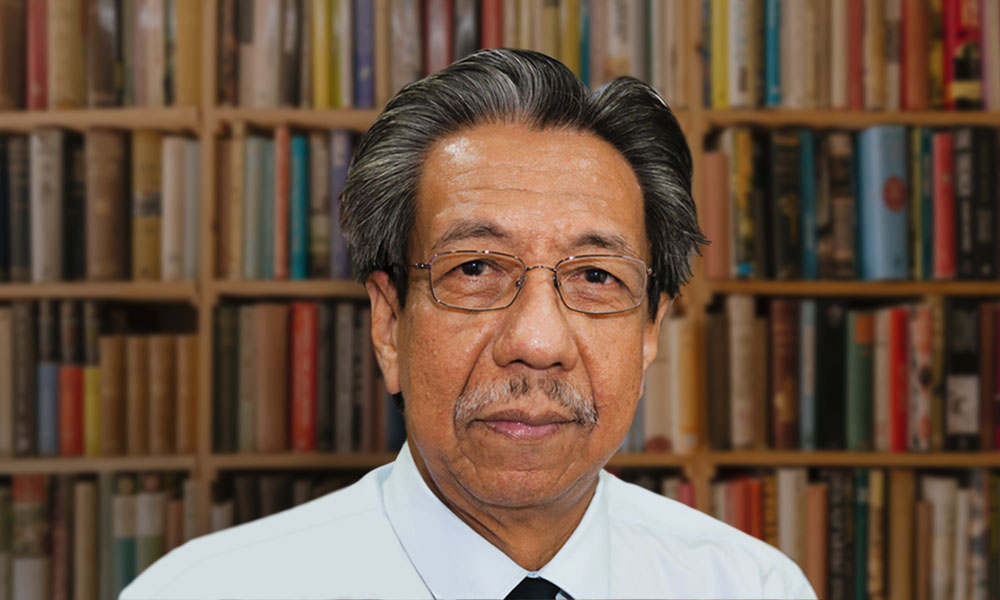
Teo Kok Seong, former professor of ethnic studies at UKM and currently a member of the Council of Professors, is no stranger to controversies in the country.
Recently, in an interview with The Merdeka Times, he said Chinese vernacular schools in the country are breeding grounds of intolerance leading to non-integration.
He seems to have arrived at his conclusion on the grounds of selective interviews with Malay and Indians and as a member of the Peranakan Community in Kelantan.
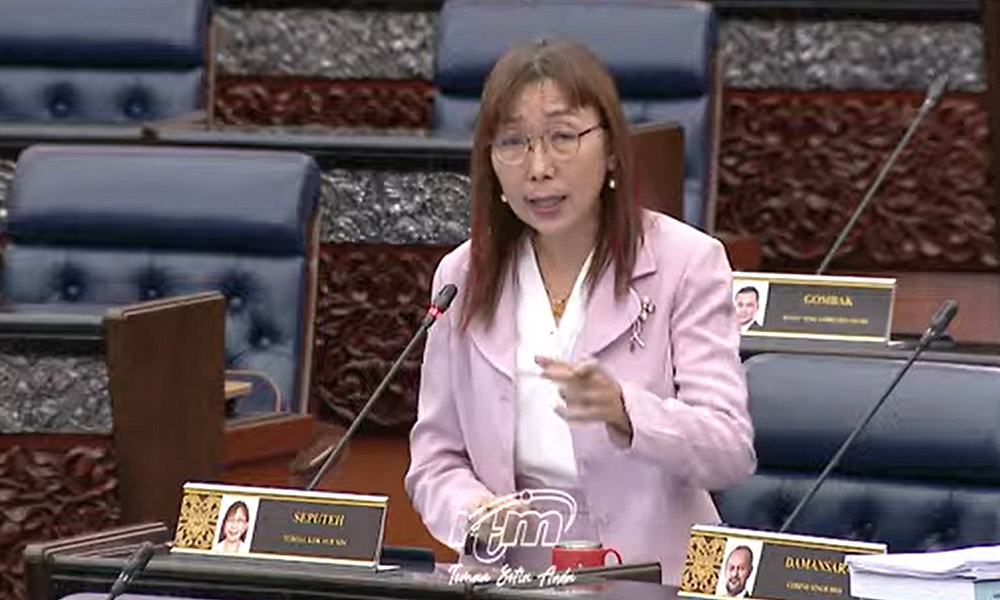
DAP MP Teresa Kok, rather than factually refuting the veracity of Teo’s argument, called on the police to take action against Teo for peddling his unfounded criticisms of the Chinese vernacular schools...
COMMENT | Too much has been made of the vernacular schools in the country - Chinese and Tamil schools - contributing to racism and lack of interracial integration.
Teo Kok Seong, former professor of ethnic studies at UKM and currently a member of the Council of Professors, is no stranger to controversies in the country.
Recently, in an interview with The Merdeka Times, he said Chinese vernacular schools in the country are breeding grounds of intolerance leading to non-integration.
He seems to have arrived at his conclusion on the grounds of selective interviews with Malay and Indians and as a member of the Peranakan community in Kelantan.
DAP MP Teresa Kok, rather than factually refuting the veracity of Teo’s argument, called on the police to take action against Teo for peddling his unfounded criticisms of the Chinese vernacular schools.
Kok being a senior member of the DAP should have logically and rationally refuted the argument of Teo. Unfortunately, she didn’t but preferred the police to take action. Speaks well of the intellectualism of the DAP!
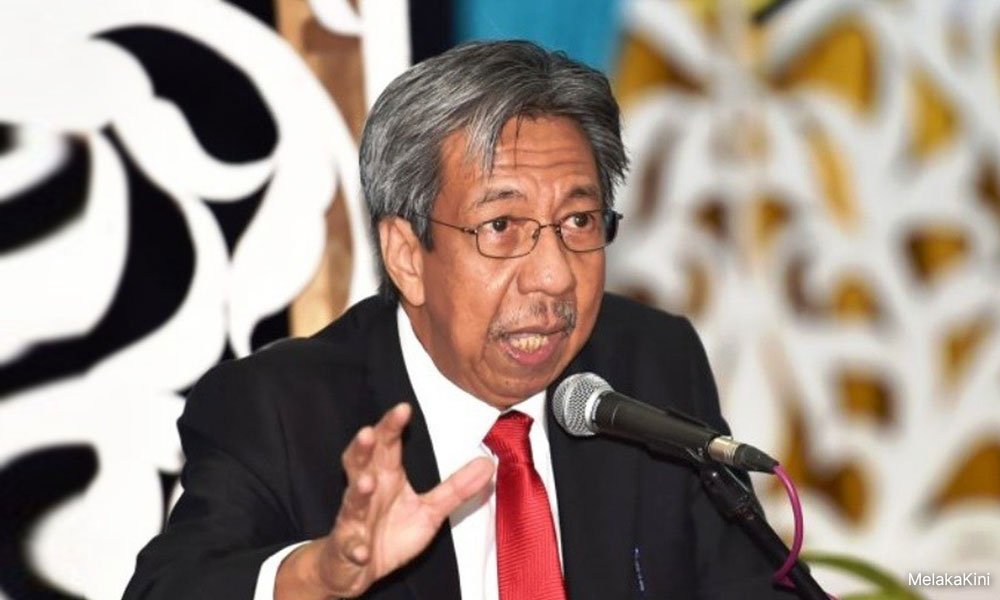
Despite being an academic, Teo (above) failed to contextualise his argument about Chinese schools as breeding grounds for racism.
Vernacular schools existed in the country long before political independence. In fact, these schools were inherited from the British colonial days.
In the independence and post-independence periods, as a result of the consociational political arrangement, the vernacular schools were allowed to exist.
In fact, it was the lack of educational planning that forbade constructive thinking on the future of the educational system in the country.
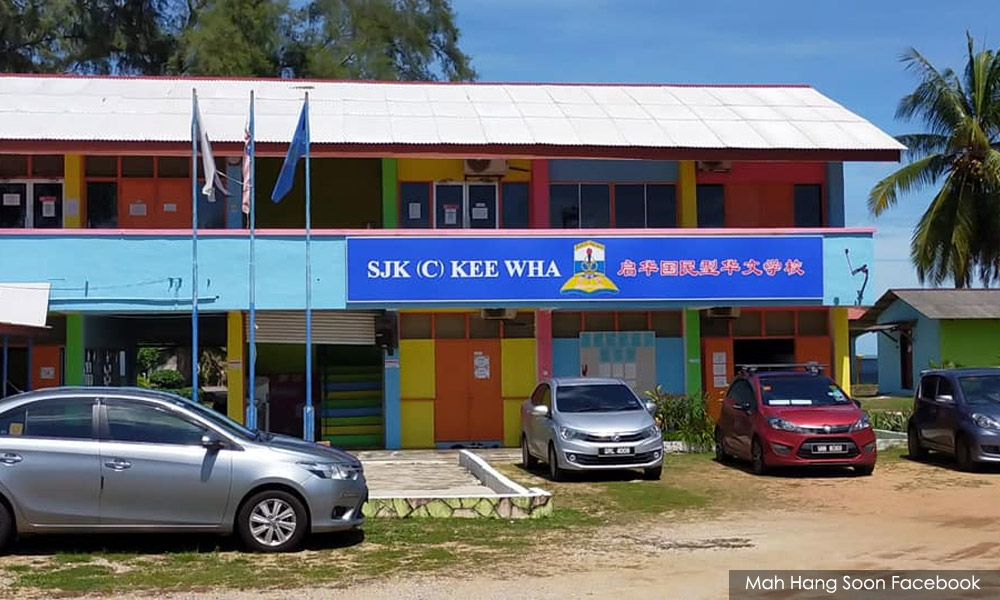
In a matter of time, vernacular schools, national schools, and religious schools came to reflect the ethnic and religious character of the country.
It is wrong to blame the Chinese or Tamil schools for creating ethnic and cultural divisions in the country.
Mahathir’s failure
The overtly racist nature of the subsequent development of the national schools also contributed to the preservation of the vernacular school system in the country.
In subsequent years, the vernacular schools became reactive to the threats posed by the Malay ultra-nationalists.
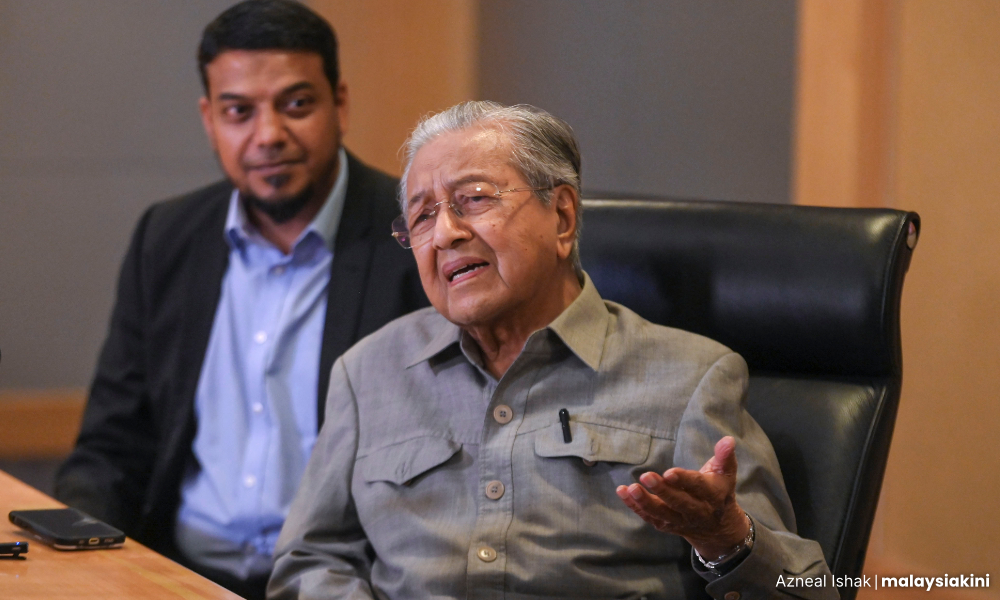
Teo’s argument on the racist nature of the vernacular schools is not too different from the biased views of former prime minister Dr Mahathir Mohamad.
Apart from airing his less-than-objective views of the vernacular school system, Teo cannot be expected to assist with policy measures to be adopted in the future.
However, Mahathir who was the prime minister of 22 years failed to change the ethnic character of the educational system in the country.
On the contrary, he amplified the ethnic cultural, social, and political divisions for the political benefit of staying in power.
Today, Mahathir bemoans about vernacular schools standing in the way of national integration and others. His views on the vernacular school system are akin to closing the gates of the stables after the horses have bolted.
Vernacular schools, national schools, and others, are reflective of the ethnic nature of the political system. The discrimination of the non-Malays has merely fuelled the interest in preserving the vernacular school system.
In fact, it can be stated that the preservation of the vernacular schools is a consequence of the divided society we live in. It is not the other way around.
The existence of the vernacular school system has been affirmed as having a constitutional basis by the recent court decision.
A reflection of the political system
I am not saying that the educational system should continue as it is. In fact, there is a big room for reforms only if there are intentions for genuine reforms.
However, even if there is a need for reforms, I doubt the Pakatan Harapan-led government will touch on the overly sensitive and explosive nature of the vernacular school system. For this matter, even the largely bureaucratic national school system is badly in need of major reforms.
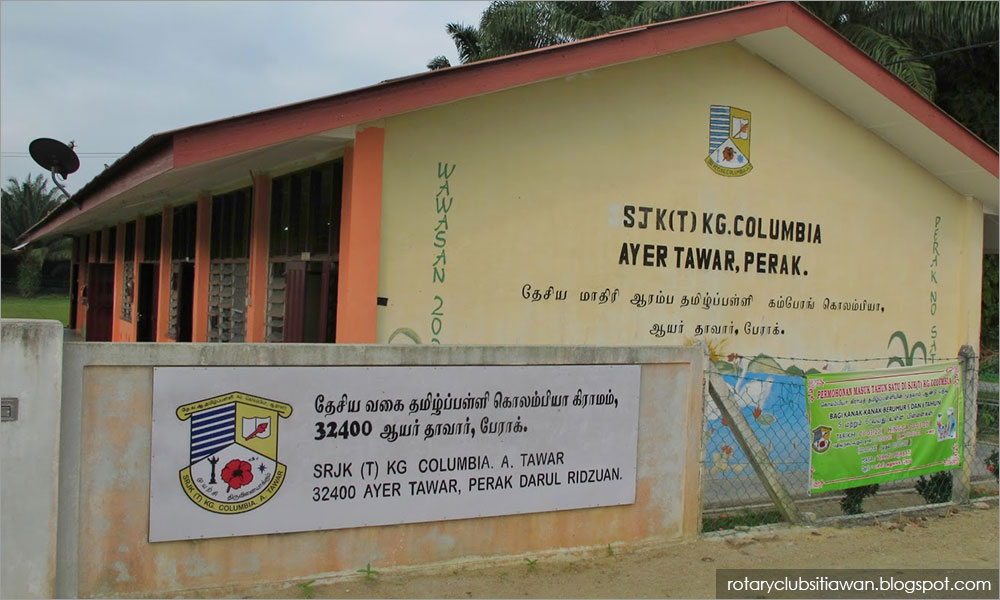
To reiterate my argument, racism, lack of national integration, and others, are not the doings of the vernacular school system.
These schools are merely reflective of the functioning of the larger political stem, social, and cultural system.
It is disingenuous for Teo or others to focus merely on Chinese vernacular schools without examining the larger social and political context that seems to be the source of racism and disintegration in the country.
Vernacular schools, especially Chinese schools, are not the same as before. More and more Malay and Indian parents are sending their children to be educated in these schools. I understand Malay students’ enrolment in Chinese schools is around 20 percent.
Anyway, why should Malay parents send their children to Chinese schools if they merely spewing racism and intolerance?
My former Malay driver sends his daughter to a Chinese school in the vicinity where he lives. When I asked him why he made the decision. He replied by saying that he and his wife want her to get a good education and to be fluent in Mandarin.
P RAMASAMY is a former Penang deputy chief minister.
The views expressed here are those of the author/contributor and do not necessarily represent the views of Malaysiakini.


Teo is shallow in his arguments. National schools are no more the national schools of yesteryears. During those years when we studied through the English medium, we had friends from all races. I was educated in English medium schools - both primary and secondary. In later years in all national schools the medium became BM. It was not just about national schools becoming Malay medium but it also brought forth two encapsulating issues - while previously most teachers and headmasters/headmistresses were NM, now most or almost all them were Malays. It was not a problem per se but along with this Malay character, both in the medium and the personnel, it has always almost been their nature to draw lines and it became apparent that gradually religion started taking deep roots in national schools. Almost all Malays have this weakness of confusing between what is professional with what is personal. We need not have to paint with a brush that all Malays are like that but most Malays are. Muslim prayers that were unheard of in my school days became a standard feature in national schools. And there have been overzealous ustads and ustazahs in schools who look their schools as more of "Islamic schools" rather than national schools. Coming to subject of vernacular schools, and particularly Chinese medium schools, until some years back, the enrolment was almost monoethnic and in Chinese schools, for instance, they may be teaching dragon dances as part of that culture and not silat and what is wrong with that. Teo seems to have a problem of forgetting his Chinese roots perhaps, having grown up in the Malay heartland where, despite being a Chinese, his cultural life may have been mixed up with the Malay culture too. This is not a right or wrong issue but what you want to be and in this country you can be anything you want to be within the confines of our Constitution. It is utterly disgusting to note of Teo's ignorance and that the Constitution is clear on the freedom accorded to NM. A survey taken some years back had a surprising or even a shocking outcome. Malays considered themselves as Muslims first and then as Malaysians whereas both the Chinese and Indians considered themselves as Malaysians first and then followed by the ethnic standing. A pertinent point that Teo either ignores or is purposefully denying is that the lines dividing NM and Malays were drawn by Malays. Even today, the politics among the Malays is all about race and religion. So, if I may ask Teo, who is breeding this culture of divisions, Malays or the NM? To put it bluntly, I am fairly and firmly convinced that a Malay or an Indian student would have a fair chance of topping a class in a Chinese school based on his hardwork and merit unlike how Malay pupils were given additional marks to boost their standing. In a now infamous mishandling of Mr Madani on an issue raised by a schoolgirl, ultimately that is who a Malay is. What has Teo to say about the highly skewed Malay civil service? Discrimination along racial lines would always be there but this is one those countries that racism is very ugly.