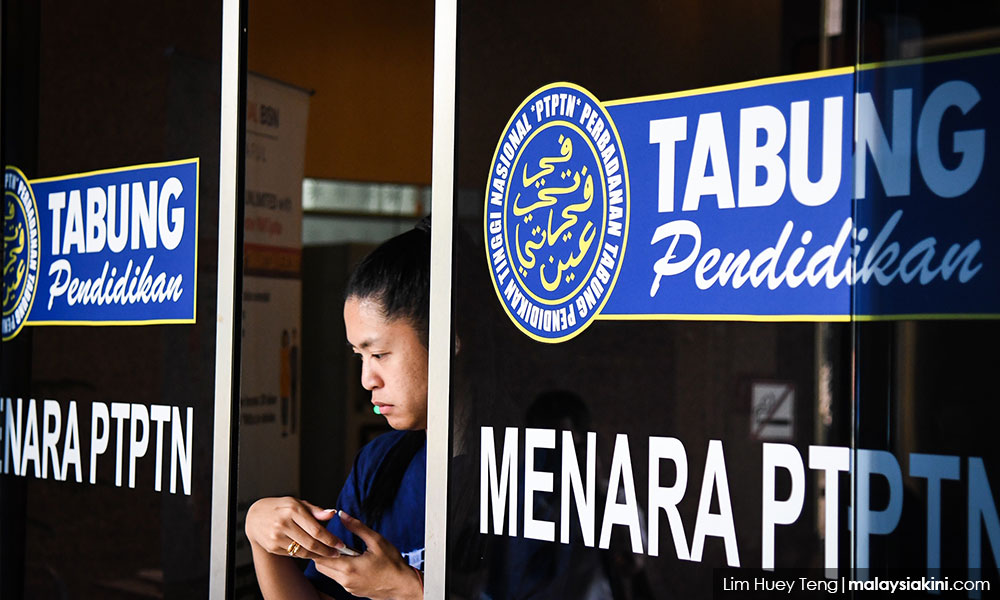

PTPTN loan repayment via ICL method practical - PM
He said ICL, among several methods proposed by the National Review Committee (NRC) on the National Higher Education Policy, will involve monthly salary deductions through the Inland Revenue Board.
He said the repayment rate for PTPTN loans was very...
Repaying National Higher Education Fund Corporation (PTPTN) loans through the Income Contingent Loan (ICL) is practical and would not burden borrowers, said Prime Minister Anwar Ibrahim.
He said ICL, among several methods proposed by the National Review Committee (NRC) on the National Higher Education Policy, will involve monthly salary deductions through the Inland Revenue Board.
He said the repayment rate for PTPTN loans was very low, and the government is concerned about PTPTN’s long-term sustainability.
“Up to May 2023, the outstanding loan amount was RM66.9 billion. This amount, if repaid, can fund approximately 2.5 million new students,” he said.
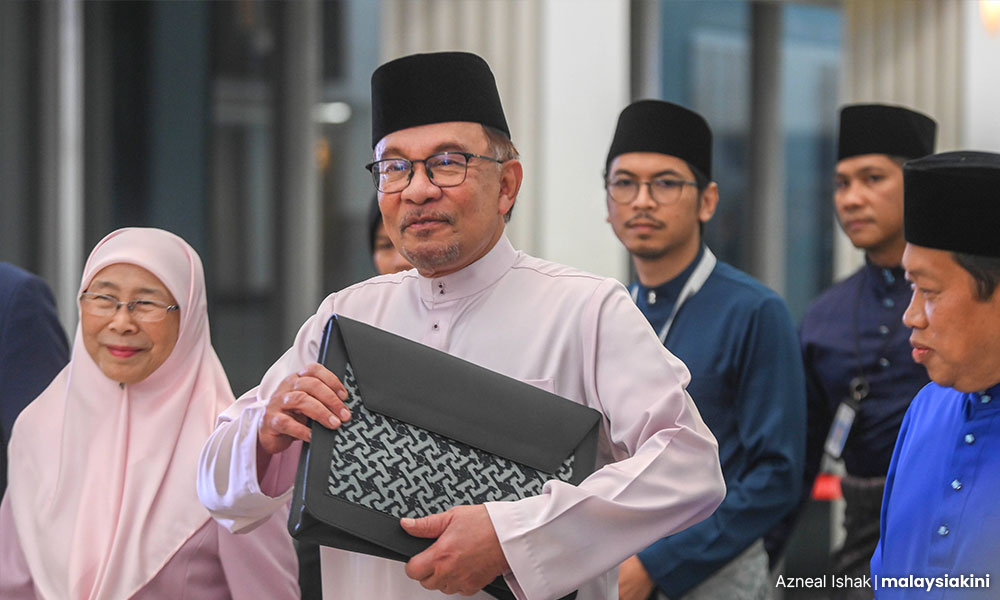
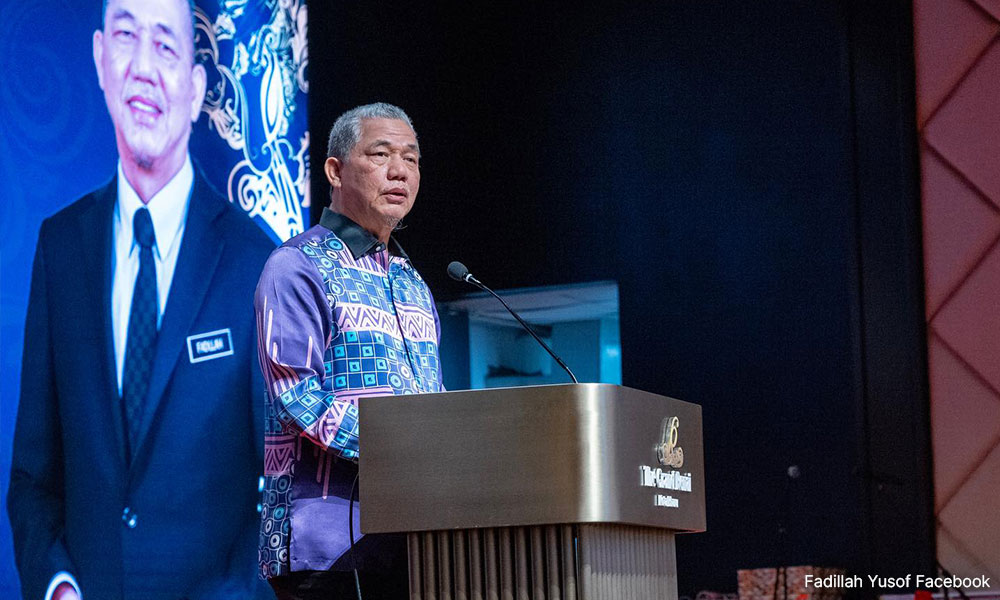
Anwar’s speech text was read out by Deputy Prime Minister Fadillah Yusof during the closing ceremony of the National Higher Education Open Day organised by the Higher Education Ministry in Putrajaya today.
Also present was Higher Education Minister Mohamed Khaled Nordin.
Anwar said the NRC recommended the introduction of a new financing mechanism where public universities would be bound to the government through a Service Level Agreement (SLA) to produce high-quality students and research.
He said instead of the bloc grant model, the proposal suggests that the government ‘pay’ public higher education institutions for educational services based on the performance-based financing formula.
“This formula should be based on graduate employability, graduate salaries, and quality of education. Institutions that can demonstrate strong performance will receive higher costs per student,” he said.
Higher education funding
Anwar, who is also the finance minister, said the NRC also recommended the implementation of a three-year budget planning cycle, similar to the one in Hong Kong.
He said it would be regulated by the University Grants Committee (UGC), which will consider proposals submitted by institutions, outline programmes, and set student enrolment targets based on the country’s needs, with funding provided based on the targeted student enrollments.
He said the NRC also looked into the expansion of university endowment funds by removing the annual spending requirement of 50 percent imposed on endowments and wakaf funds.
This would enable endowment and wakaf funds to be expanded further and subsequently reinvested to enhance access and the standard of higher education, he added.
Anwar said world-renowned universities such as Harvard University and the Massachusetts Institute of Technology (MIT) have large endowment funds that allow them to reinvest in the education system, including improving teaching materials and equipment, expanding research, and providing scholarships.
He said overall, the recommendations put forth by the NRC, which was established by the Higher Education Ministry to reform the country’s higher education, were very promising and could be further discussed with the Finance Ministry.
- Bernama