


/file/publisher-c1a3f893382d2b2f8a9aa22a654d9c97/2020/11/02ab799b30cc9e950ca85afb8ee0354b.jpg)

COMMENT | Fighting misinformation: Know when to not take things literally
COMMENT | The temptation to overreact to viral issues is understandable, especially when there appears to be wide public support.
The operative word here is ‘appears’; in this age of coordinated misinformation campaigns and strategic outrage, performative anger and outrage have proven to be useful.
The fact a piece of content has gone viral is proof that social media users have amplified it. Whether those users are real people, partisan actors, or troll farms is not as easy to recognise. The public, media and officials alike have to be wary of misinformation.
What does that word mean today; to go ‘viral’?
COMMENT | The temptation to overreact to viral issues is understandable, especially when there appears to be wide public support.
The operative word here is ‘appears’; in this age of coordinated misinformation campaigns and strategic outrage, performative anger and outrage have proven to be useful.
The fact a piece of content has gone viral is proof that social media users have amplified it. Whether those users are real people, partisan actors, or troll farms is not as easy to recognise. The public, media and officials alike have to be wary of misinformation.
What does that word mean today; to go ‘viral’?
There is certainly a numerical component to it in the form of how many shares, reactions, views, and comments that a piece of content receives on social networks.
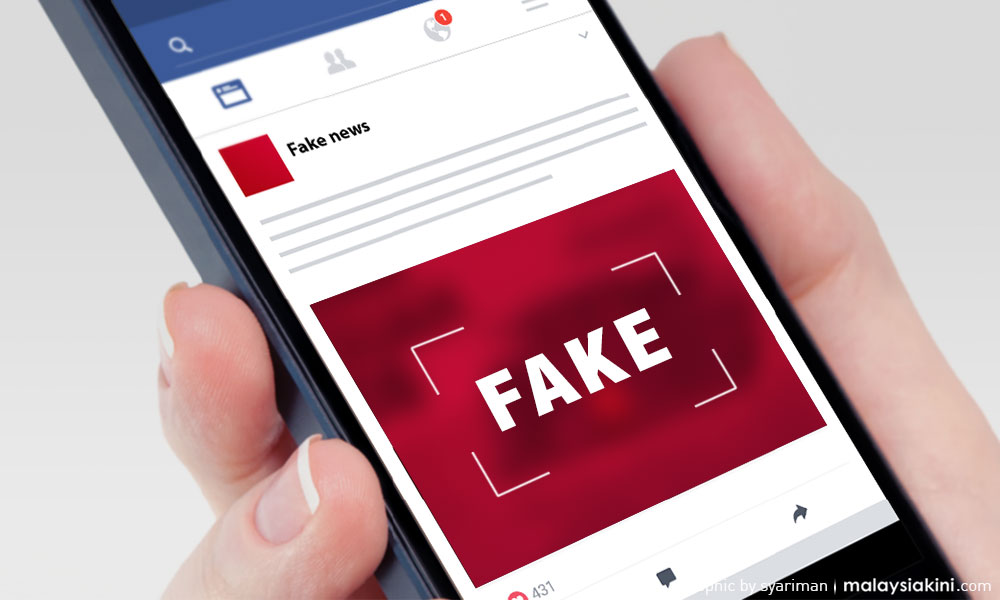
Algorithms that prioritise highly engaging content will amplify their reach, although there are times when purely organic (as in only real human interactions) are enough to make content spread widely enough to be known and responded to by a large group of people.
However, should we equate all viral outrage in the same way; whether it’s from 500, 5,000, or five million people?
Misinformation and disinformation
On the surface, they may appear similar. Misinformation and disinformation can be defined as the deliberate spread of false and inaccurate information, as well as hoaxes and propaganda with the intention of creating fear and suspicion among the population.
Studies consistently show that a minority of social media accounts are responsible for the vast majority of shared content: one study found that 82 percent of fake content on Covid-19 was created by 14 percent of total users.
Coordinated information operations understand this math, and require nodes that can pump content that is often highly emotive in nature to an engaged group of followers that will amplify its reach, often aided by human and automated bot and troll accounts.
It does not need to be original and smart, more often than not it is enough to cast doubt, create insinuations, and propose outlandish theories with the purpose of seeding fear and worries among the public.
There are people who genuinely believe it, but there are also those who choose to believe it because it conveniently supports their point of view. Either way, the content will be shared through and across social media networks by triggered viewers targeted by such content.
Metrics matter here because all social media criticism and anger cannot be responded to in the same way just because they are loud.
Need for awareness
A comparison can be made to the stock market where daily fluctuations are the norm. An investor needs to be able to adequately discern when the fluctuations are driven by sentiment, and when there are fundamental causes to it.
How she chooses to react will depend on her investment strategy. Literacy of market forces is necessary, and likewise, media literacy for all consumers of content.
Issue virality should not determine official policy and enforcement. Decision-making has to be done on rational grounds and clear principles, where social media volume is an indicator rather than an absolute guide to public sentiment.
Operators of misinformation campaigns today can be sophisticated and quite adept at finding ways to avoid falling into a legal trap, so it falls onto us to avoid falling into theirs. For officials, it may mean having thicker skin as well as the ability to know when a threat is significant.
Fighting fire with fire by creating more misinformation in the opposite direction will only worsen the situation. Meanwhile, for the public, there is a need for an awareness about misinformation, and ways to intelligently respond to it.
For a more in-depth discussion of this, Asia Centre’s 2022 report on Youth and Disinformation in Malaysia is a recommended read (disclaimer: I am an associate of the organisation).
Better immunity against misinformation is critical or we risk losing the space for real criticism, debate and expression to the barrage of outrage with no end.
LUTFI HAKIM ARIFF is co-founder and podcaster at Waroeng Baru, a not-for-profit collective to promote democratic participation and resilience. He is also the co-author of the book ‘Parliament, Unexpected’ and an unrepentant believer in the power of local independent media. Lutfi tweets at @ltf_ha.
The views expressed here are those of the author/contributor and do not necessarily represent the views of Malaysiakini.
/file/publisher-c1a3f893382d2b2f8a9aa22a654d9c97/2020/06/5b18691f66b46e8b3c332f87e65d0a38.jpg)
/file/publisher-c1a3f893382d2b2f8a9aa22a654d9c97/2023/07/9631d4dd9d832a1949f9cc8672e6e4a1.jpg)
/file/publisher-c1a3f893382d2b2f8a9aa22a654d9c97/2021/03/c8eeedb0294e2440c6eceec47c868b11.jpg)
/file/publisher-c1a3f893382d2b2f8a9aa22a654d9c97/2021/03/d26efc7bdeda884931039d8312086278.jpg)


