
MOH to screen Japanese food imports for harmful materials
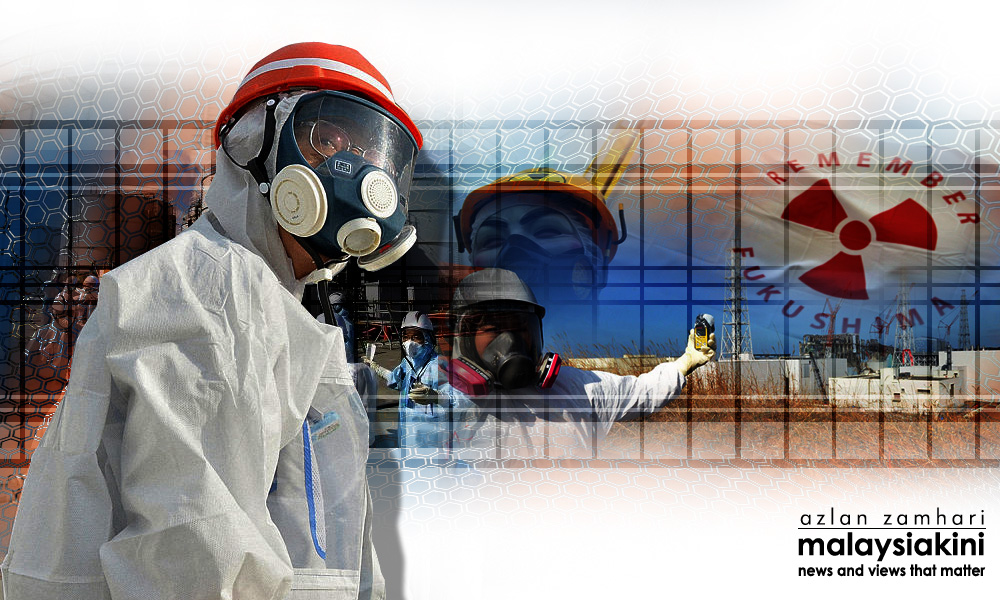
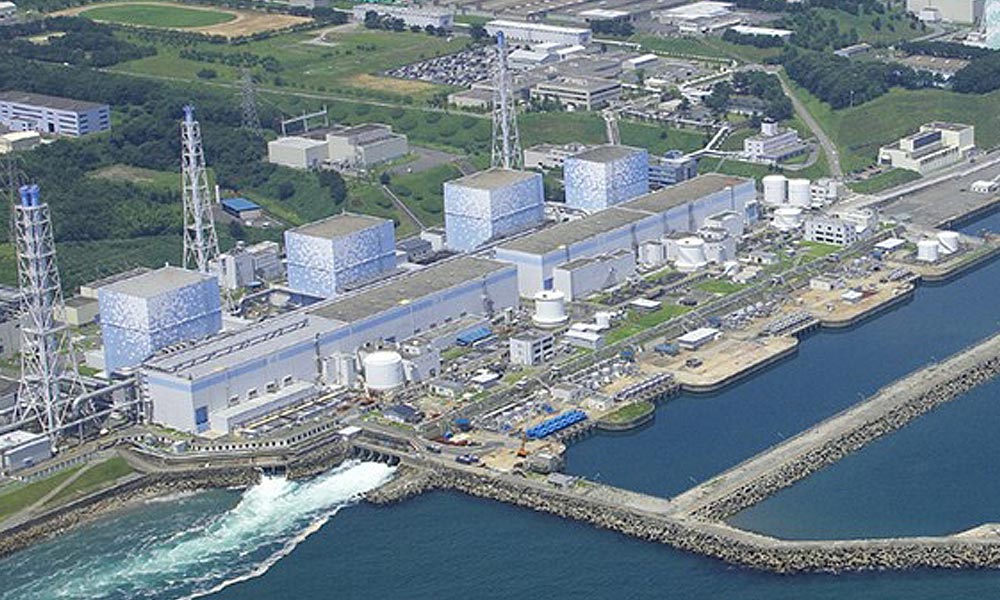
The Health Ministry will be keeping an eye on Japanese food imports for radioactive elements as the island nation moves to release water from its troubled Fukushima Daiichi nuclear power plant.
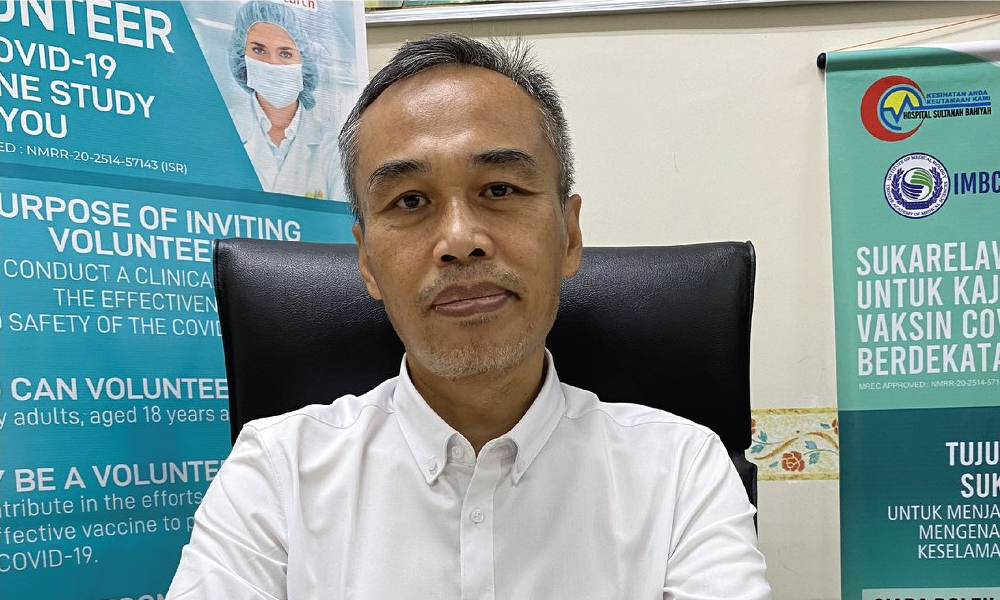
The ministry’s director-general Dr Muhammad Radzi Abu Hassan said “high-risk” food imports from Japan will be subject to Level 4 (surveillance) examination to screen for radioactive materials.
“The ministry is mindful of
The Health Ministry will be keeping an eye on Japanese food imports for radioactive elements as the island nation moves to release water from its troubled Fukushima Daiichi nuclear power plant.
The ministry’s director-general Dr Muhammad Radzi Abu Hassan said “high-risk” food imports from Japan will be subject to Level 4 (surveillance) examination to screen for radioactive materials.
“The ministry is mindful of consumer anxiety on this issue. Therefore, the ministry is constantly monitoring national entry points and local markets to ensure food safety is guaranteed,” he said in a statement today.
Under the ministry’s Food Safety Information System, imported foods may be subjected to one of six levels of scrutiny based on a risk assessment of the imported foods. This ranges from Level 1 (automatic clearance) to Level 6 (automatic rejection).
At Level 4, imported foods will be subjected to inspection and sampling but would not be detained. However, Radzi (above) did not disclose the current examination level being imposed on the affected Japanese imports.
According to the director-general, the ministry’s Food Safety and Quality Division had been monitoring Japanese food imports from May 2011 to April 2012 following the earthquake that led to a triple meltdown of the power plant.
In addition to a special monitoring programme in 2019 that collected 102 samples for analysis, all of which have fallen within regulatory limits.
He said radionucleotide contamination is regulated under Regulation 37 of the Food Regulations 1985, with guidance from the Food and Agriculture Organization’s General Standard for Contaminants and Toxins in Food and Feed.
Based on the ministry’s data, Radzi said most food imports from Japan to Malaysia are fish and fish products, followed by fruits, vegetables, and processed food and beverages. The overall value of the imports is RM880,115,437 from 2022 up to June 2023.
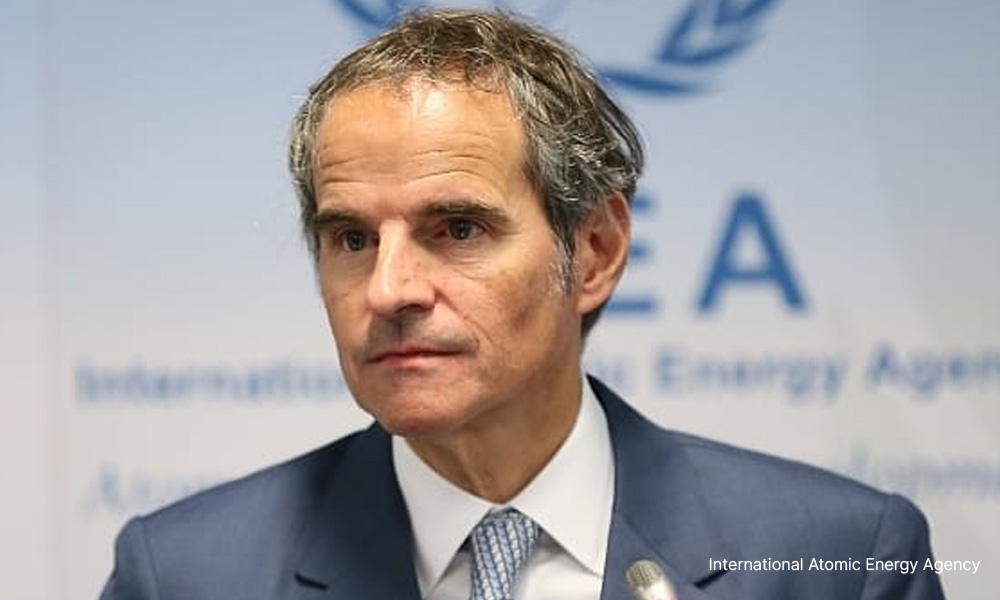
Japan is currently planning to release the treated water in stages into the sea starting tomorrow, if weather and sea conditions permit, after the International Atomic Energy Agency gave the plan the greenlight last month.
According to a New York Times report, the water had been used to cool the nuclear power plant’s fuel rods (which are still too hot and too radioactive to remove from its reactors), and had been accumulating in water tanks on the plant’s premises over the decade.
The water has been filtered to remove the more dangerous radionuclides like cobalt and caesium but tritium remains in the water slated for discharge.
The radioactive isotope of hydrogen is considered too expensive to remove, and also the least dangerous to human health.
Despite assurances from the Japanese government and the plant’s operator Tokyo Electric Power (Tepco), neighbouring countries like China and South Korea have strongly criticised the planned release of the water.
Several scientists quoted by the New York Times also questioned whether the Japanese government and Tepco are sufficiently forthcoming about the remaining radioactive material in the water.